

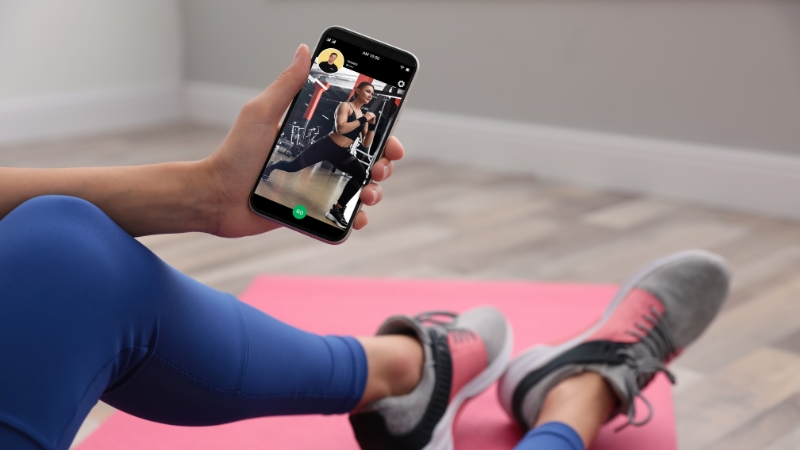
Online fitness demand continues to surge, with projections reaching $81.47 billion by 2028.
More individuals want flexible, at-home solutions that fit busy schedules, post-pandemic routines, and personalized goals.
Fitness professionals now have a strong chance to build scalable income streams through digital courses that deliver structured results.
However, it is important to be as good as possible when it comes to creating the course, so that potential clients will actually be interested in buying the program.
Let’s see how that can be achieved.
Tip #1: Define Your Niche and Target Audience

Clear specialization draws the right clients faster than broad messaging.
People search for training that feels designed for their needs, not something generic.
Strong positioning grows out of knowing who you help best, what challenges those individuals face, and why your approach fits their goals.
A focused market often produces stronger conversions than trying to reach everyone at once. Many successful coaches select a narrow segment, refine their program for that group, then widen their reach after demand grows.
Groups often respond well to targeted coaching, and a few groups regularly show high interest.
- Busy professionals aiming for short sessions that still deliver progress
- Postnatal moms seeking safe, efficient training
- Seniors wanting mobility support and fall prevention
- Companies building wellness initiatives for employees
- Athletes and exam-prep candidates needing structured conditioning
Clarity grows once you ask who you feel most confident helping.
Pick one group, shape your program for that audience, and allow momentum to build before expanding into new areas.
Tip #2: Design a Clear, Outcome-Oriented Program
Clients commit when they can see where your program takes them and how long it will take.
Programs lasting 8 to 12 weeks often create strong adherence because they feel long enough to create results but short enough to stay manageable.
A clear timeline guides clients toward steady progress without overwhelming them.
Structure shapes the client’s experience, so each phase should lead into the next with intention. Many courses thrive when they combine multiple forms of guidance.
- Workout videos arranged in progressive order
- PDFs or written plans that outline weekly steps
- Nutrition direction that supports training
- Accountability check-ins that reinforce consistency
- A milestone event, such as a fitness test, around week 4
- Bonus materials like stretching routines, mindset lessons, or Q&A sessions
Programs with visible milestones help clients stay motivated and satisfied, which in turn improves completion rates and referrals.
Tip #3: Choose the Right Format and Platform

Format shapes delivery and client experience. Courses often include one or more of these options:
- PDF programs
- Pre-recorded workout videos
- Live Zoom or streaming sessions
- App-based delivery through platforms like Trainerize, Hevy, Exercise.com, or WodGuru
Platforms for coaches often bundle payment processing, program delivery, and progress tracking inside a mobile-friendly system.
Some creators publish on Teachable or Udemy for a more hands-off course structure when interaction is limited.
Mobile optimization and progress tracking keep clients organized and invested in their results.
Focus on mobile optimization and progress tracking so clients stay organized and motivated.
Tip #4: Create High-Quality Video and Educational Content

Strong production builds trust and improves retention. Videos with proper lighting see watch-through rates jump by 95%.
Audio matters even more, as most learners need clear cues to follow instructions.
Aim for:
- A basic three-point lighting setup
- Clear audio, ideally with a microphone
- Text overlays showing exercise names, reps, and coaching cues
- Demonstration plus voiceover for improved clarity
Beginner-friendly editing tools like iMovie, CapCut, or OpenShot work well, while more advanced users often prefer Final Cut Pro or Adobe Premiere.
If you’re also working on scripts, lessons, or written plans, using a reliable paraphraser can help refine:
- Tone
- Clarity
- Consistency
Quality signals professionalism and increases purchase confidence.
Tip #5: Build a Professional Online Presence
View this post on Instagram
Clients rarely invest in programs when the creator appears disorganized or unclear.
A polished online presence signals reliability, experience, and confidence in your training methods.
Strong branding also shortens the decision process for potential clients.
A few essential elements should appear across your digital platforms, and those are:
- A website that shows credentials, pricing, testimonials, and contact options
- The landing page is designed for conversions, as 2 to 5 percent of visitors generally purchase
- An email list supported by a free resource, such as a 5-day challenge
Platforms like Exercise.com offer custom-branded apps and streamlined tools for:
- Managing sales
- Tracking client data
- Organizing communication
A clean, consistent presence helps clients feel comfortable investing in your coaching.
Tip #6: Price It Smartly And Profitably

Undervaluing your work can limit growth. Many clients equate higher pricing with higher commitment and better results.
Common pricing ranges include:
- $100-$150 per month for beginners
- $200-$300 per month for intermediate coaches
- $500 or more per month for high-touch programs that include calls or detailed feedback
Strong results come from tiered pricing systems offering basic self-guided plans as well as premium options with coaching.
Offer choices such as one-time purchases, monthly memberships, annual plans, or lifetime deals to create flexible entry points.
Tip #7: Market With Value-First Content

Trust builds through consistent, helpful content. People buy more readily when they have already learned something useful from you.
Effective channels include:
- Instagram for quick clips, reels, and tips
- YouTube for tutorials and client success stories
- TikTok for short advice and behind-the-scenes content
- Blogs for SEO-driven traffic
- Email newsletters for nurturing leads and promoting offers
Many coaches run mini-email courses or weekly tips to warm up new subscribers.
A smooth system often looks like: value content, free resource, opt-in, then a sales page.
Platforms with built-in CRM and email tools help automate this process.
Tip #8: Start Small, Gather Feedback, Then Scale
@ashtonhallofficial4 tips on how you can get more clients as an online fitness coach Fitness Coaches.. if you’re looking to grow your brand and scale your online coaching business 👉🏾 Comment “TEAM” on IG and I’ll be reaching out 🤝
Strong programs rarely begin at full scale. Coaches often launch a beta version with 5-10 clients at a discount in exchange for participation and feedback.
Feedback helps refine instructions, improve pacing, adjust difficulty, and strengthen the program. Testimonials gathered during beta become powerful marketing assets.
Once the foundation works, creators expand with additions such as community groups, bonus modules, weekly workout updates, and optional one-on-one sessions.
Progress tracking and analytics help measure completion rates, retention, and overall satisfaction.
The Bottom Line
A profitable online fitness course does not require a huge following or expensive equipment.
Success grows out of a defined niche, a structured program, strong delivery, and a steady marketing strategy.
Clear outcomes, consistent content, and client-focused systems create a sustainable online business that can scale long-term.