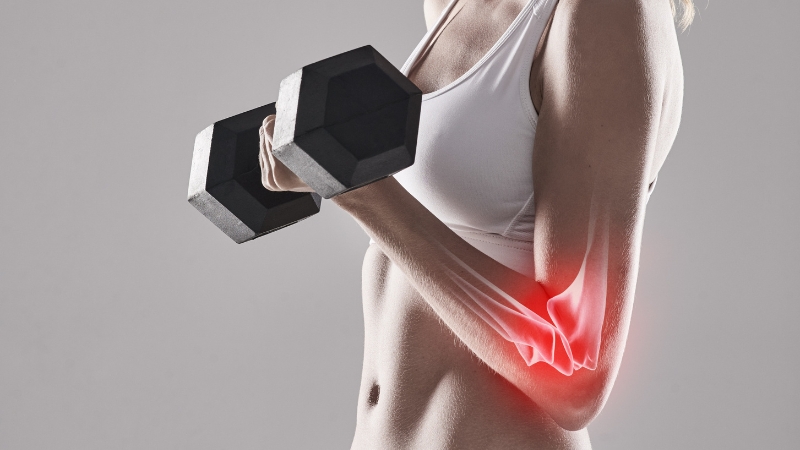
Bone resilience is the ability of bone to tolerate load, recover from repeated stress, and resist injury over time. In weight training, that matters because stronger muscles are only part of the picture. If your bones are not adapting well to the loads you place on them, progress gets limited by pain, stress reactions, poor recovery, or fracture risk.
The practical answer is simple: bone resilience improves when you combine progressive resistance training and impact or weight-bearing activity with enough calcium, enough vitamin D, adequate protein, and consistent recovery habits.
Without that combination, you can get stronger in the gym while still leaving your skeletal system under-supported.
Bones are living tissue. They respond to mechanical strain. When training repeatedly exposes them to well-managed force, the body remodels bone to better handle that force.
That is one reason resistance exercise and weight-bearing movement are repeatedly recommended in bone-health guidance. The effect is not instant, and it is not as visible as muscle gain, but it is fundamental for long-term lifting capacity, joint confidence, and injury resistance.
Why It Matters In Weight Training
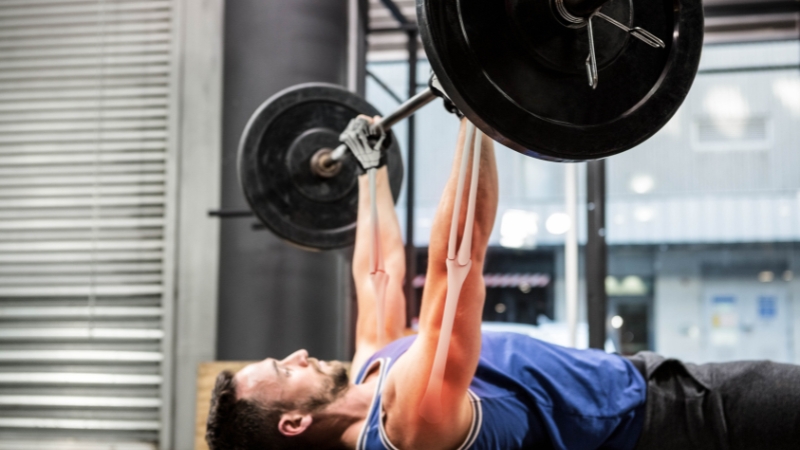
Weight training is built on repeated loading. Every barbell rep, loaded carry, landing, and braced torso position sends force through bone. If the bone adapts well, training capacity usually rises with fewer interruptions.
If bone adaptation lags behind muscular or cardiovascular progress, problems start to appear as shin pain, foot pain, hip discomfort, back pain, recurring stress reactions, or fragility after what should have been a manageable training block.
Bone resilience also matters because strong bones improve training confidence. People with low bone density or repeated bone stress injuries often unconsciously reduce intensity, depth, speed, or frequency.
That changes movement quality and can limit strength gains. Good bone support does not just lower risk. It supports better training continuity, and continuity is one of the biggest drivers of long-term strength progress.
How Bones Adapt To Training
Bone responds best to load that is weight-bearing, progressive, and varied enough to create a meaningful signal. Guidance from osteoporosis and exercise organizations consistently points to weight-bearing and muscle-strengthening exercise as the key exercise categories for building and maintaining bone strength.
That includes resistance training, stair climbing, loaded walking, and in appropriate people, moderate or higher impact activities.
A useful way to think about it is this: bones do not care that you “worked hard.” They care whether the mechanical strain was enough, repeated enough, and recovered from well enough to justify adaptation.
Endless light machine work can help beginners and deconditioned adults, but bone tends to respond more clearly to meaningful loading than to very low effort repetition alone.
The Most Effective Training Inputs For Stronger Bones
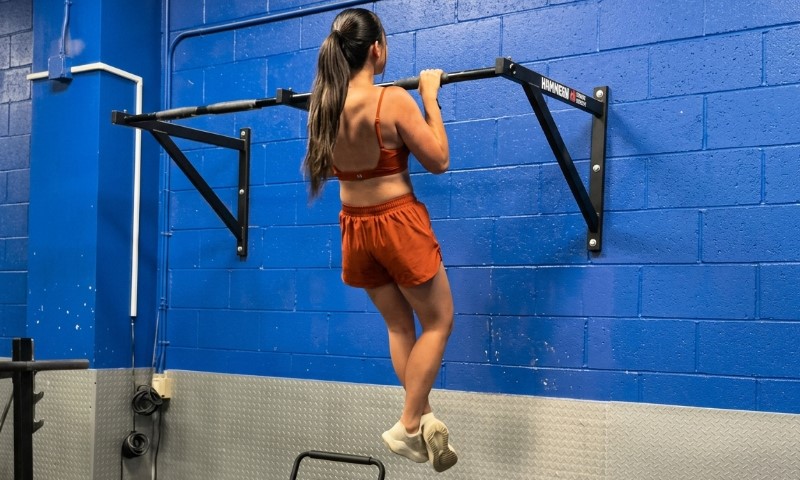
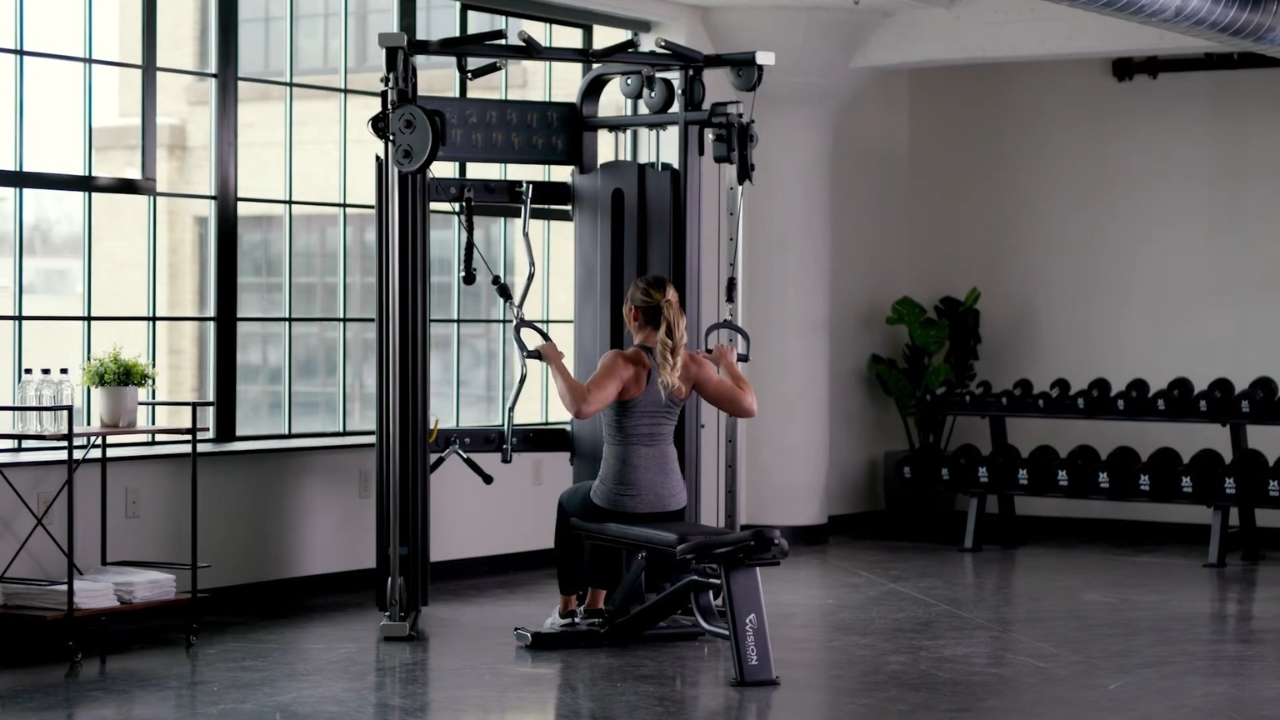
The most reliable exercise base for bone resilience is progressive resistance training. Multi-joint lifts such as squats, deadlift patterns, rows, presses, split squats, and loaded carries expose the skeleton to repeated force while also improving muscle strength.
Muscle matters because stronger muscles can place healthy tension on bone and improve balance and coordination, which lowers fall and fracture risk later.
Weight-bearing movement matters too. Walking is useful, but for people who can tolerate more, faster walking, stairs, hill work, and certain impact drills may provide a stronger osteogenic signal than casual activity alone.
The right dose depends on training age, injury history, and current bone status. Someone with known osteoporosis or prior fragility fractures may need low-impact or supervised progression rather than jumps or high-impact classes.
Variation also helps. Bones adapt to the direction and novelty of force, so doing exactly the same loading pattern forever may not produce the same signal over time.
That does not mean random programming. It means rotating sensible loading patterns, using unilateral work, changing speeds, adding carries, and using impact only where appropriate.
Training Elements That Help Bone Resilience
Training Element
Why It Helps Bone
Good Examples
Main Caution
Progressive resistance training
Increases mechanical load through the skeleton
Squats, hinges, presses, rows, split squats
Progress gradually if deconditioned or in pain
Weight-bearing activity
Stimulates bone through gravity and impact
Brisk walking, stairs, hiking
Low effect if intensity stays too low
Impact work
Can provide a stronger bone signal in suitable people
Hops, jumps, bounding, some sport drills
Avoid or modify with osteoporosis, fracture history, or active bone pain
Loaded carries
Adds full-body skeletal loading
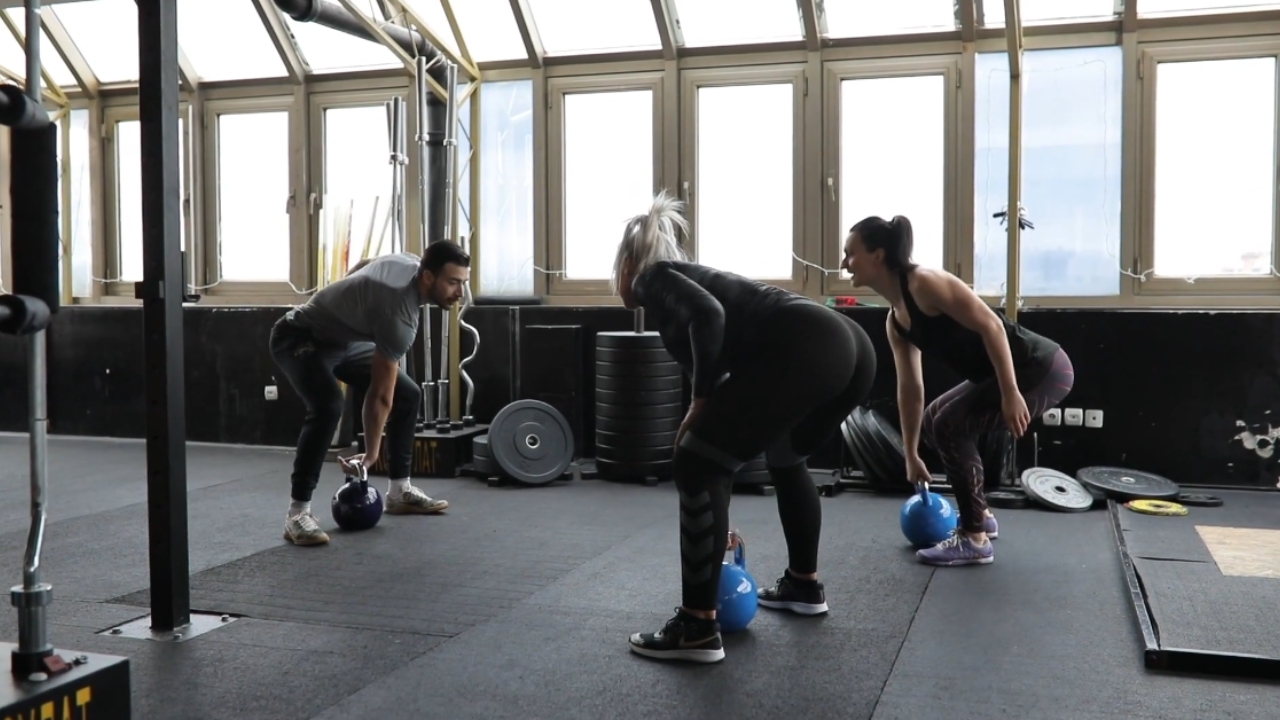
Farmer carries, suitcase carries
Watch posture and trunk control
Balance and coordination work
Helps reduce fall risk and improves control
Single-leg drills, step-downs, controlled lunges
Not a replacement for strength loading
Nutrition That Supports Bone Under Load
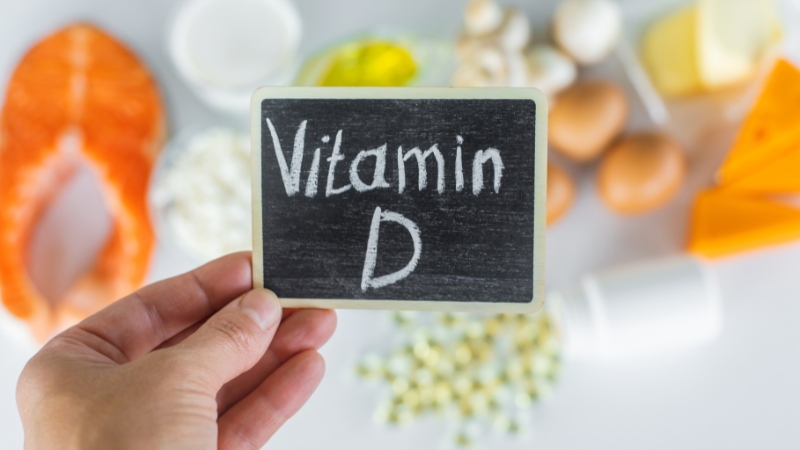
Training alone is not enough. Bone remodeling depends on raw materials and hormonal support. Calcium is central because it is a major structural mineral in bone, and adult intake targets commonly fall around 1,000 mg per day for most adults and 1,200 mg per day for many older adults, especially women over 50 and adults over 70.
Vitamin D matters because it supports calcium absorption and normal bone mineralization. Official guidance commonly cites 10 micrograms, or 400 IU, per day as a baseline supplement level for many adults when sun exposure and intake are insufficient.
Protein matters too, though it is often discussed only in the muscle context. Bone is not just a mineral. It also has a protein matrix, and inadequate protein can hurt both muscle and bone support. Bone health organizations note that many older adults do not get enough protein, which may be harmful to muscles and bones.
At the same time, extremely high-protein patterns are not a shortcut to stronger bones if calcium intake is poor. In practice, lifters usually do best with a balanced intake that supports muscle recovery without neglecting calcium-rich foods.
Around the middle of a serious lifting phase, it is worth paying attention to vitamin D deficiency support because low vitamin D can quietly weaken the whole bone-loading system. You can train hard, eat enough calories, and still underperform in bone remodeling if vitamin D status is poor and calcium absorption is compromised.
That matters even more for indoor lifters, people with limited sun exposure, and anyone with repeated stress-related pain or a history of low bone density.
Core Nutrition Targets For Bone Support
Nutrient Or Factor
Why It Matters
Practical Target
Calcium
Structural mineral for bone
About 1,000 mg daily for most adults, often 1,200 mg for older adults depending on age and sex
Vitamin D
Helps absorb calcium and supports bone mineralization
Often 10 mcg or 400 IU daily as a baseline for many adults when needed
Protein
Supports muscle and bone matrix
Adequate daily intake from whole foods, especially important during resistance training
Energy intake
Low energy availability can impair bone turnover
Avoid chronic under-eating during hard training blocks
Recovery hydration and overall diet quality
Supports remodeling and training tolerance
Consistent meals with dairy or fortified alternatives, fish, eggs, legumes, and produce
Common Mistakes That Reduce Bone Resilience
One of the biggest mistakes is treating bone like it adapts as quickly as muscle. Muscles can feel stronger in weeks. Bone remodeling is slower.
When people increase volume, impact, running, or lifting intensity too fast, the skeleton may be the limiting tissue, even if motivation is high. That is how stress injuries often happen.
Another mistake is under-eating while training hard. Aggressive cutting phases, chronic dieting, low calcium intake, and poor vitamin D status can all leave the body short on the materials it needs to maintain bone under repeated load. That risk gets worse when dieting is paired with high training frequency and poor sleep.
Not only does smoking increase the risk of developing osteoporosis, but it also contributes to chronic pain.
Orthopedic surgeon, Dr. Adam Burzynski breaks down how smoking impacts joint health. 🔗 To learn more, visit https://t.co/kUUfok3Kei. #SmokeFree #OrthoCare pic.twitter.com/7JZjTnCwbd
— Catholic Health (@CHSBuffalo) February 2, 2026
Smoking and excess alcohol also work against bone health. NHS guidance links smoking with increased osteoporosis risk and recommends limiting alcohol intake rather than allowing chronic high intake or binge patterns.
These are not side notes. In real training populations, lifestyle habits often explain why two people with similar programs recover very differently.
Signs Your Bone Support May Be Inadequate
Bone problems do not always begin with a dramatic fracture. Early warning signs can be more subtle: recurring shin pain during impact work, foot pain that returns with loading, persistent deep ache after training, low-trauma fractures, declining tolerance for jumps or sprints, or repeated setbacks during progressive programs.
In some lifters, the pattern is less about pain and more about history: long-term steroid use, past eating disorders, hormone disruption, prolonged underweight status, family history of osteoporosis, or prior fracture after age 50. These are all recognized risk factors that deserve attention.
For women, menstrual or broader hormonal issues can matter. For men, low testosterone states can matter. For either sex, long-term glucocorticoid use, malabsorption disorders, inflammatory disease, and aging increase concern.
These are not reasons to avoid lifting. There are reasons to manage bone health more intentionally.
When To Consider Testing Or Medical Follow-Up
A bone density scan is not needed for every lifter, but it becomes reasonable when risk factors stack up. Bone health organizations recommend discussing bone density testing if you are a woman age 65 or older, a man age 70 or older, or if you have broken a bone after age 50.
View this post on Instagram
The NHS also notes that a DEXA scan may be recommended earlier if you have significant risk factors such as smoking, prior fractures, or other conditions that raise osteoporosis risk.
Screening guidance is also strong for women 65 and older and for postmenopausal women younger than 65 who have risk factors. Evidence for routine screening in men is less settled at the population level, but that does not mean individual men with clear risk factors should ignore the issue. It means personal risk assessment matters.
Bottom Line
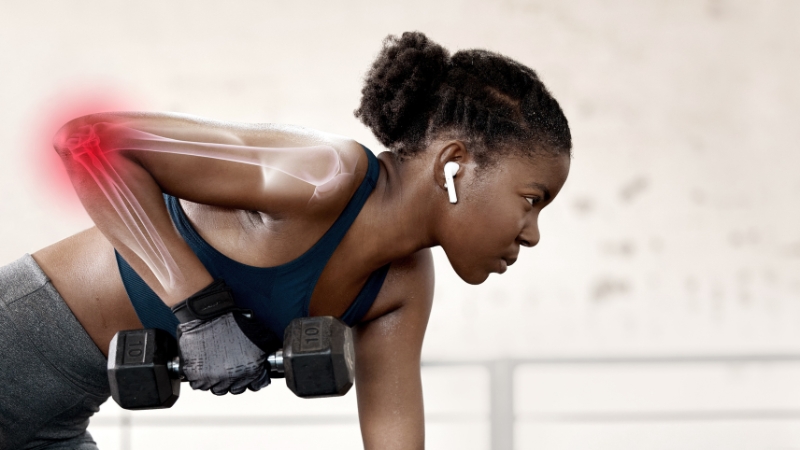
The best bone-resilience plan is not complicated. Lift consistently. Include real progressive loading. Keep some form of weight-bearing movement in the week.
Add impact only if your joints, history, and current bone status allow it. Eat enough total food. Hit calcium consistently.
Cover vitamin D when intake or sunlight is inadequate. Get enough protein. Avoid long stretches of smoking, binge drinking, or severe dieting. Reassess if pain patterns suggest bone stress rather than normal muscle soreness.
This approach matters because weight training is not just about moving heavier loads today. It is about building a body that can keep accepting load year after year.
Bone resilience is part of that foundation. When it is supported well, lifting becomes more durable, recovery becomes more predictable, and long-term strength has a much better chance to compound.