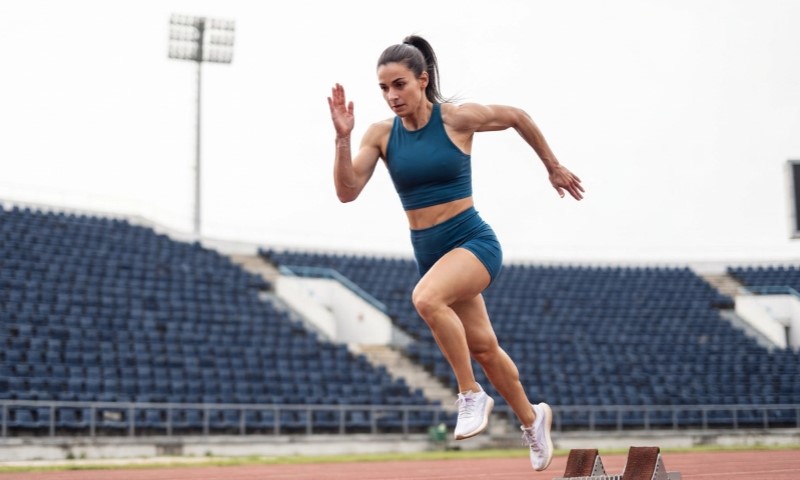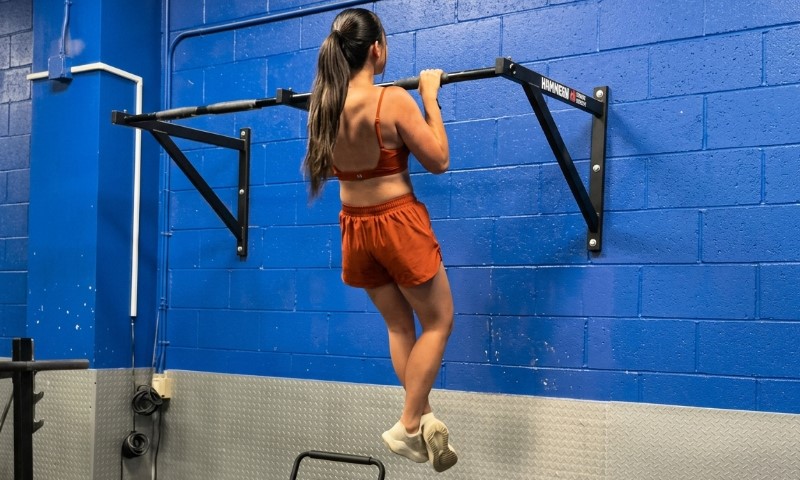

Defining the toughest Olympic sport requires more than a single measure of performance. Physical difficulty comes through a combination of endurance, strength, and tolerance for pain, each placing different types of stress on the body.
Some events push athletes to sustain effort for long periods, while others demand explosive power under extreme pressure.
Endurance reflects the ability to maintain output over time, often pushing cardiovascular limits. Strength involves both maximum force production and the ability to sustain muscular effort under fatigue.
Pain tolerance includes both acute impact and long-term strain, such as repeated collisions or overuse injuries.
Multiple rankings by sports scientists, analysts, and media outlets consistently point to a similar group of sports as the most demanding.
Let’s check them out.
| Sport | Physical Demands |
| Water Polo | Full-body endurance, strength, constant contact |
| Boxing | Endurance, power, pain tolerance |
| Gymnastics | Strength-to-weight ratio, precision, explosive power |
| Rowing | Total-body endurance and power |
| Triathlon | Extreme endurance, fatigue management |
| Cycling (Road) | Long-duration endurance, stamina |
| Wrestling | Strength, anaerobic endurance, contact |
| Rugby Sevens | Sprint endurance, collisions |
| Weightlifting | Explosive strength, neuromuscular power |
| Sport Climbing | Grip strength, muscular endurance |
| Swimming (Distance) | Endurance, technique efficiency |
| Decathlon | All-around athletic ability |
1. Water Polo
Water polo is widely regarded by sports medicine professionals as the most physically demanding Olympic sport due to its constant movement and full-body engagement in water.
Continuous effort is required since players cannot touch the bottom of the pool, forcing them to rely on the eggbeater kick to stay afloat at all times.
Physical stress becomes even more intense due to the combination of swimming, wrestling, and ball handling happening simultaneously.
- continuous treading water for entire match durations that can exceed 30 minutes of active play
- sprint swimming bursts that can reach near-maximal effort repeatedly within seconds
- resistance created by water, which increases energy expenditure compared to land-based movement
Contact adds another layer of difficulty. Grappling, holding, and striking often occur underwater, making fouls harder to detect. Constant resistance against both opponents and water increases fatigue at a rapid rate.
Endurance remains central, but strength is equally critical for shooting, blocking, and maintaining position.
Athletes must generate power without stable footing, which significantly increases muscular demand. Combined stress across systems leads to rapid exhaustion with minimal recovery opportunities.
2. Boxing
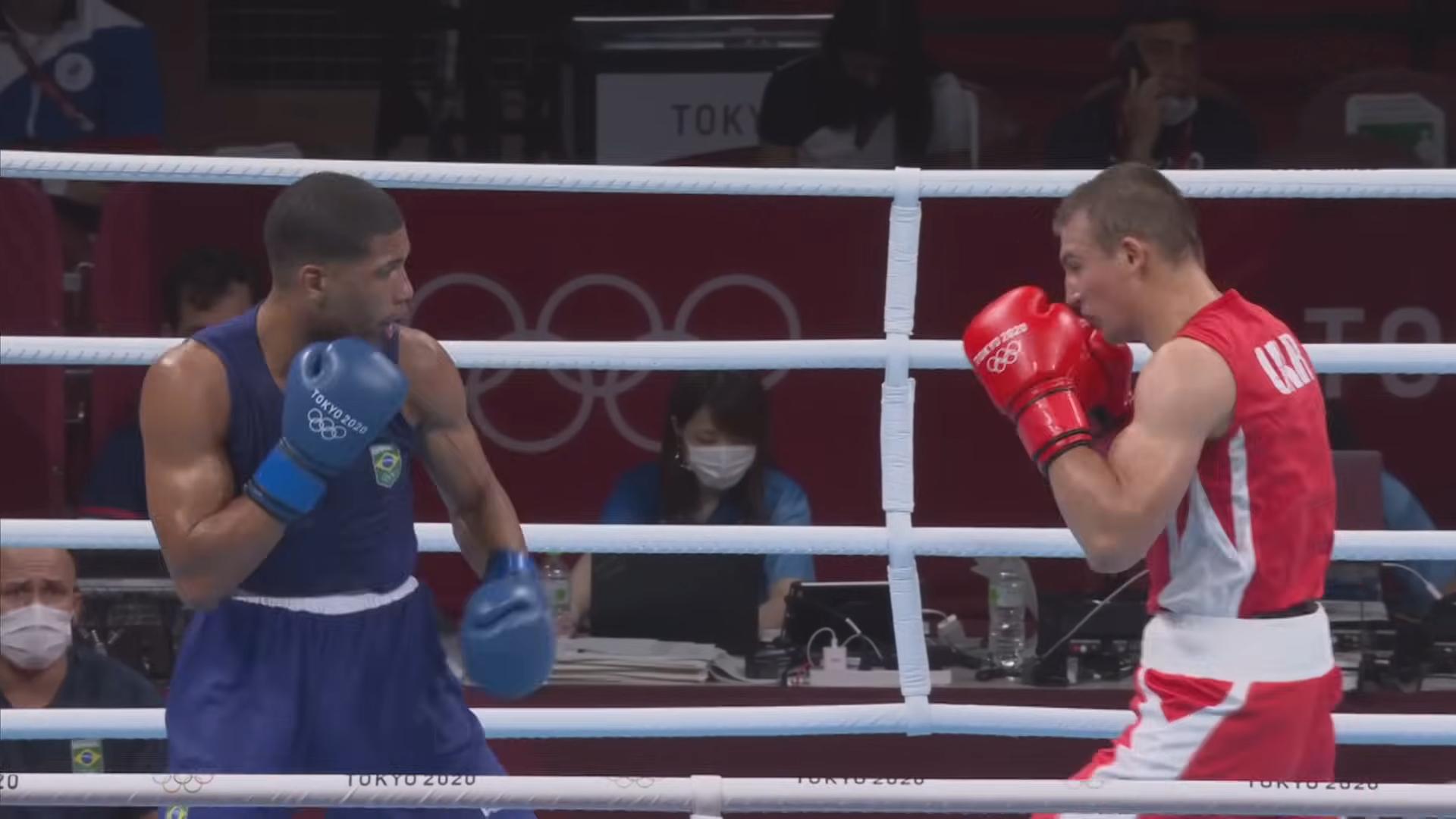
Boxing ranks among the most physically and mentally demanding Olympic sports due to sustained high-intensity output combined with direct impact.
Fighters must maintain performance across multiple rounds while executing precise movements under pressure.
Physiological demands include both aerobic and anaerobic systems working at high levels.
- elite boxing athletes often operate within a VO₂ max range of approximately 55 to 65 ml/kg/min
- repeated explosive actions such as punches and evasive movements performed in short bursts with limited recovery
- heart rates frequently approaching maximum levels during exchanges
Direct physical trauma plays a defining role. Absorbing punches introduces immediate and cumulative damage, including cuts, bruising, and concussions.
High injury risk places boxing among the most dangerous Olympic disciplines.
Mental pressure intensifies physical strain. Reaction time, spatial awareness, and decision-making must remain sharp even under fatigue and repeated impact.
Performance depends on maintaining control in conditions where both pain and exhaustion are constant factors.
3. Gymnastics
View this post on Instagram
Gymnastics demands an extreme strength-to-weight ratio along with precise coordination and control.
Athletes generate explosive power in events such as vault and floor routines while maintaining strict form requirements.
Repetitive training leads to a high incidence of overuse injuries. Joint stress accumulates over time due to constant loading and impact.
Pain tolerance is essential. Small technical errors can result in severe injury, especially during high-speed rotations or elevated dismounts. Precision must be maintained even as fatigue reduces coordination and stability.
4. Rowing
View this post on Instagram
Rowing is often considered one of the highest total-body output sports due to its reliance on coordinated force production across multiple muscle groups.
Each stroke engages legs, core, and upper body in a synchronized movement pattern.
Physiological intensity is reflected in oxygen consumption levels.
- VO₂ max values in the range of 68 to 75 ml/kg/min
- sustained near-maximal cardiovascular output during races lasting several minutes
Effort remains continuous with little opportunity for pacing adjustments. Muscular fatigue builds rapidly due to repetitive full-body exertion.
Repetitive motion also introduces physical strain. Common stress points include knees, lower back, and forearms due to constant loading and movement patterns . Maintaining technique under exhaustion becomes critical, as even minor inefficiencies reduce speed.
5. Triathlon
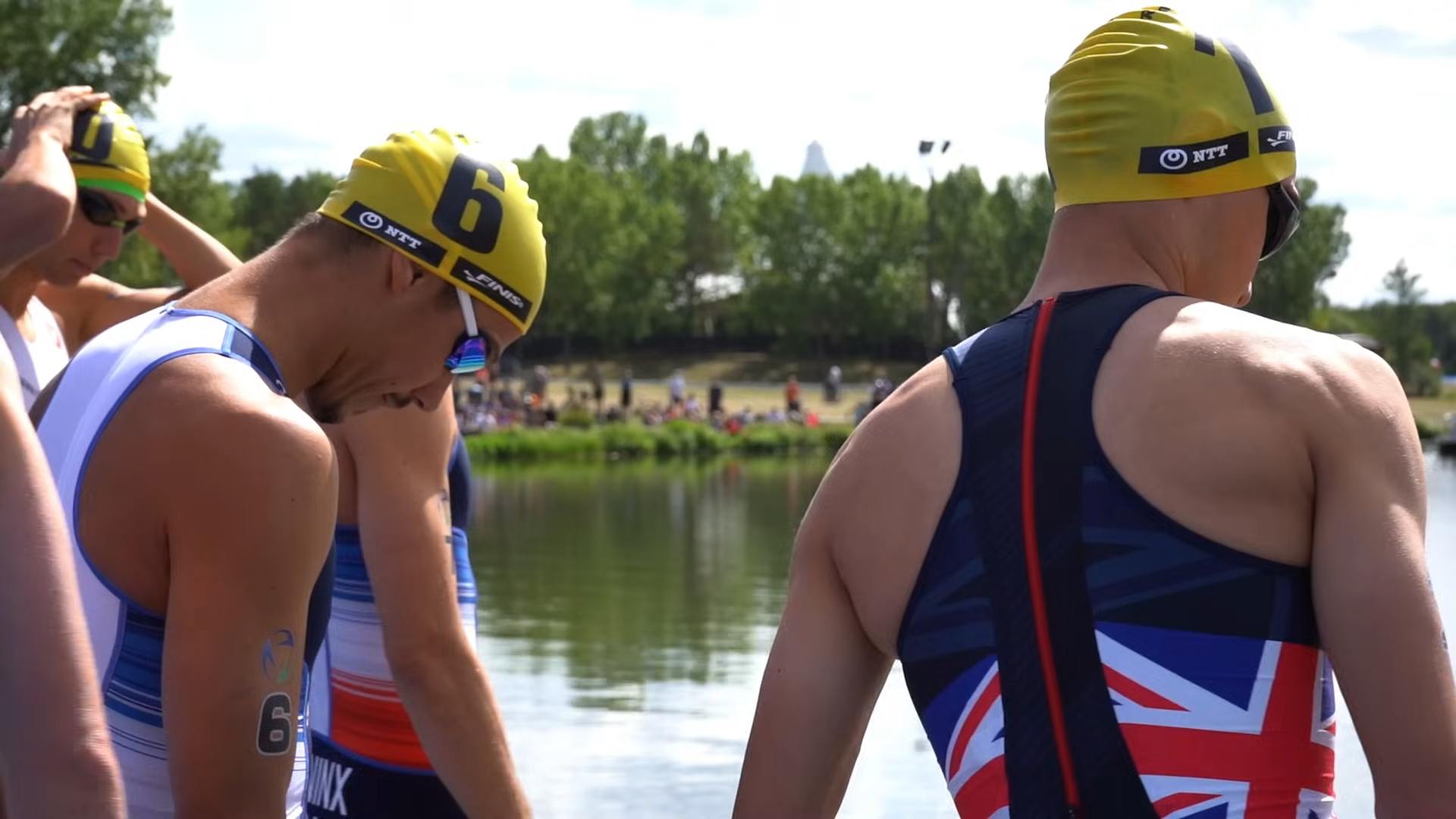
A triathlon combines three endurance disciplines into one continuous event: swimming, cycling, and running.
Thankfully, these aspects are pointed out by resources like SwimBikeRun.rocks, creating a compounded physical challenge.
Athletes move directly between swimming, cycling, and running without rest.
Energy demands are extreme due to prolonged exertion across different movement patterns.
- swim segments that can reach 1.5 km in Olympic distance formats
- cycling portions of around 40 km that require sustained power output
- running segments of 10 km performed under accumulated fatigue
Cardiovascular conditioning is critical, with elite triathletes often reaching VO₂ max levels between 68 and 76 ml/kg/min.
Transition phases introduce additional complexity. Fast adjustments in muscle use and pacing require efficiency and coordination.
6. Cycling (Road)
Road cycling places heavy demands on endurance due to long race durations that can extend for several hours.
Riders must sustain consistent output while managing terrain, weather, and competition dynamics.
Aerobic capacity plays a major role in performance.
Physical intensity varies throughout a race. Climbs require sustained high effort, while sprint finishes demand explosive bursts after prolonged fatigue.
Accumulated fatigue significantly impacts performance. Nutrition, hydration, and pacing must be carefully managed to avoid energy depletion. Physical and mental endurance are both tested over extended periods.
7. Wrestling
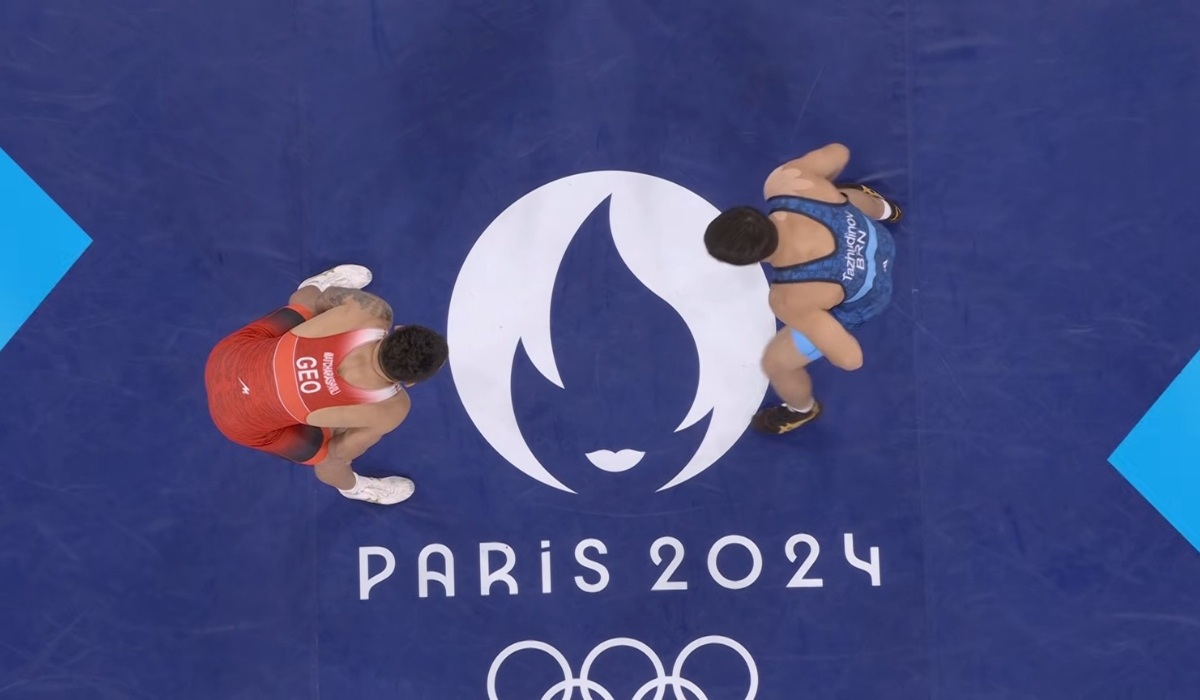
Wrestling requires continuous physical engagement against an opponent, combining strength, endurance, and technique. Matches involve constant resistance, leaving little opportunity for rest.
- high levels of anaerobic output during short, intense exchanges
- full-body strength for executing and resisting throws, holds, and takedowns
- sustained grip strength and core stability during prolonged grappling
Physical contact is constant, increasing both fatigue and injury risk. Joint stress and muscle strain occur frequently due to forceful movements.
Weight cutting introduces an additional challenge. Competing in a dehydrated or energy-depleted state can reduce performance and increase physical strain.
8. Rugby Sevens
@teamgb Reply to @corakeith05 🗣 mixing with other Olympic sports – Tom Mitchell, Rugby Sevens. #AskTeamGB ♬ original sound – Team GB
Rugby Sevens features a faster tempo than traditional rugby, increasing both intensity and fatigue levels. Matches involve repeated sprint efforts combined with frequent physical collisions.
Game structure demands continuous involvement. Players must contribute in both offensive and defensive phases with minimal downtime.
Endurance and strength must function together. Limited substitutions and short recovery periods increase overall physical stress. High-impact contact adds to cumulative fatigue.
9. Weightlifting
View this post on Instagram
Weightlifting focuses on maximum force production through explosive movements such as the snatch and clean and jerk. Athletes must generate peak power within seconds.
Neuromuscular demand is extremely high. Performance depends on coordination, timing, and strength under heavy load.
- rapid force generation involving multiple muscle groups simultaneously
- precise bar path control to maintain balance and efficiency
- maximal loads often exceeding several times body weight
Injury risk is significant if technique fails under pressure. Stress on joints, particularly knees, shoulders, and lower back, is substantial due to heavy lifting.
Endurance plays a smaller role compared to other sports, but the intensity of each attempt places extreme strain on the body.
10. Sport Climbing
Sport climbing requires athletes to support their entire body weight while navigating vertical routes.
Grip strength and muscular endurance are critical for maintaining contact with holds.
Cognitive demands also play a role. Climbers must solve route sequences quickly while under physical stress.
Fatigue builds rapidly, especially in the upper body. Precision and control must be maintained even as muscles approach failure.
11. Swimming (Distance Events)
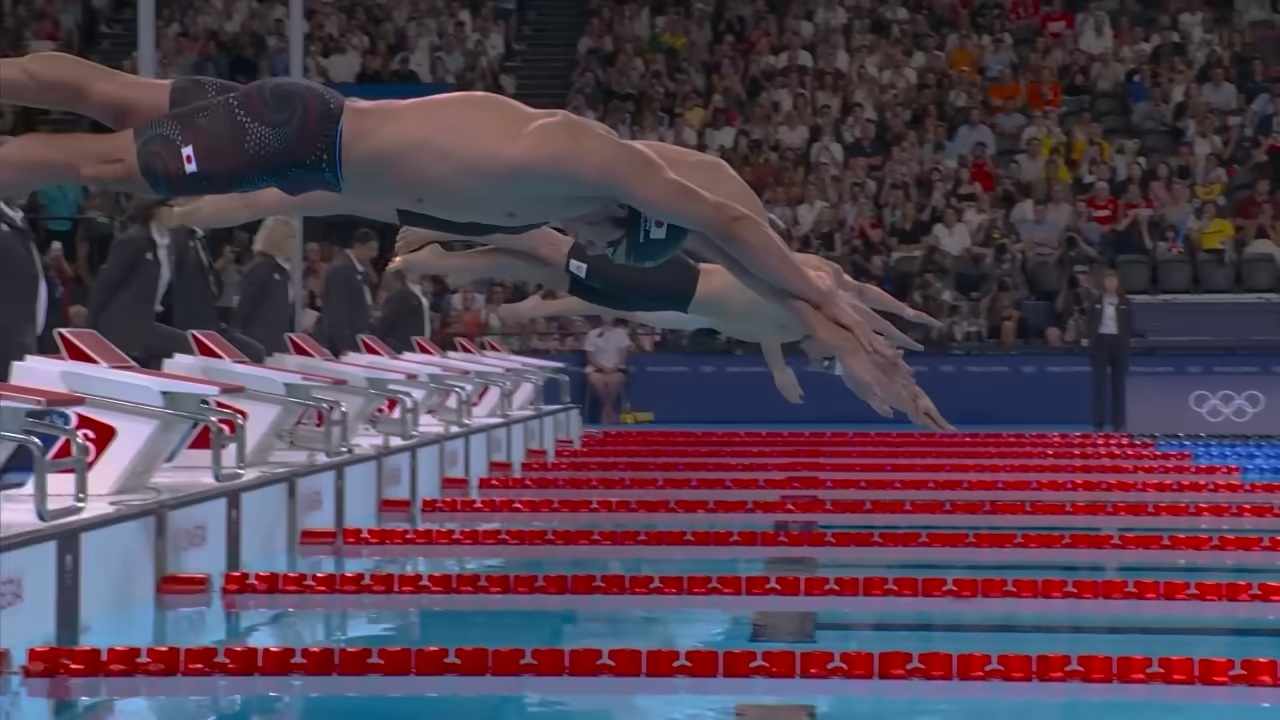
One of the most popular Olympic sprots, distance swimming requires continuous propulsion through water, which creates constant resistance. Athletes must maintain efficient technique to conserve energy over long distances.
Aerobic capacity plays a major role in performance.
- VO₂ max values between 65 and 72 ml/kg/min
- sustained effort across events ranging from 800 to 1500 meters
Repetitive motion places stress on shoulders and joints due to high training volume. Overuse injuries are common among swimmers.
Efficiency becomes critical. Small variations in stroke technique can significantly affect energy use over time. Maintaining pace while managing fatigue defines success.
12. Track & Field (Decathlon)
Decathlon tests overall athletic performance across ten events, combining speed, strength, endurance, and technical skill.
Athletes compete across multiple disciplines over two days. Physical demands vary widely between events.
Cumulative fatigue is a major factor. Each event adds physical stress, reducing recovery capacity for subsequent performances.
Success depends on consistency rather than specialization. Athletes must maintain a high level across all disciplines while managing fatigue and recovery throughout the competition.
Summary
No single metric can determine the toughest Olympic sport. Physical difficulty varies based on how endurance, strength, and pain tolerance interact within each discipline.
Consensus across many evaluations shows that the most demanding sports require sustained full-body effort and constant resistance or repeated impact.
Sports that combine high cardiovascular strain, muscular demand, and physical stress create the greatest overall challenge.