

Aerobic training changes your life by measurably increasing daily energy, stabilizing mood through neurochemical and hormonal effects, and reducing the long-term risk of cardiovascular, metabolic, and cognitive diseases.
These changes are not abstract or motivational claims. They are documented physiological adaptations that occur after weeks and months of sustained aerobic activity, with effects observed across age groups, sexes, and baseline fitness levels.
Aerobic training refers to sustained, rhythmic physical activity that relies primarily on oxidative metabolism to produce energy.
This includes activities such as brisk walking, steady cycling, swimming, jogging, rowing, and similar movements performed at intensities where oxygen supply meets muscular demand. Physiologically, this typically corresponds to 60–80 percent of maximal heart rate, though individual thresholds vary.
Energy Levels: Why Aerobic Training Reduces Fatigue Instead of Causing It

One of the most consistently reported outcomes of aerobic training is increased daily energy. This appears counterintuitive to people who associate exercise with tiredness. The explanation lies in mitochondrial density and cardiovascular efficiency.
Regular aerobic training increases the number and efficiency of mitochondria within skeletal muscle cells. Studies using muscle biopsies show mitochondrial enzyme activity increases by 25–50 percent after 8–12 weeks of aerobic training.
More mitochondria mean greater capacity to generate energy from fat and carbohydrates with less metabolic stress. As a result, routine tasks require a smaller percentage of maximal energy output, reducing perceived fatigue.
At the cardiovascular level, stroke volume increases as the left ventricle adapts to pump more blood per beat. This reduces resting heart rate and lowers the circulatory effort required during everyday activities. Longitudinal studies have shown resting heart rate reductions of 5–15 beats per minute after consistent aerobic training, which correlates with improved oxygen delivery efficiency.
Physiological Changes Linked to Increased Energy
| Adaptation | Typical Timeframe | Measured Effect |
| Mitochondrial density increase | 6–12 weeks | +25–50% enzyme activity |
| Resting heart rate reduction | 8–16 weeks | −5 to −15 bpm |
| Capillary density in muscle | 12–24 weeks | +10–30% |
| VO₂ max improvement | 8–20 weeks | +10–30% |
These changes explain why people who maintain aerobic fitness often report fewer afternoon energy crashes and improved workday stamina, independent of weight loss.
Mood Regulation: Neurochemistry, Not Motivation
The effect of aerobic training on mood is one of the most extensively studied outcomes in exercise science and psychiatry. Regular aerobic activity alters neurotransmitter balance, neurotrophic signaling, and stress hormone regulation.
Aerobic exercise increases the availability of serotonin and dopamine by enhancing synthesis and receptor sensitivity. This mechanism is similar, though not identical, to that of certain antidepressant medications. In addition, aerobic training elevates levels of brain-derived neurotrophic factor (BDNF), a protein critical for synaptic plasticity and emotional regulation. Reduced BDNF levels have been observed in individuals with major depressive disorder, while aerobic training reliably increases circulating BDNF within weeks.
Cortisol regulation is another major factor. Chronic stress leads to dysregulated cortisol rhythms, contributing to anxiety, sleep disruption, and irritability. Aerobic training improves hypothalamic-pituitary-adrenal axis responsiveness, leading to lower baseline cortisol levels and a more appropriate stress response.
Mental Health Effects of Aerobic Training
| Parameter | Observed Change | Supporting Evidence |
| Depression symptoms | 20–40% reduction | Randomized trials (12–16 weeks) |
| Anxiety sensitivity | Reduced physiological reactivity | Meta-analyses |
| BDNF levels | Increased | Human plasma studies |
| Sleep latency | Shortened | Actigraphy-based research |
These effects are not dependent on high intensity. Moderate, sustained aerobic activity shows similar mental health benefits to more intense protocols, particularly when consistency is maintained.
Cardiovascular Health: Structural Remodeling With Long-Term Impact

Aerobic training produces structural changes in the cardiovascular system that directly reduce morbidity and mortality risk. The heart undergoes eccentric hypertrophy, meaning chamber size increases without pathological wall thickening. This adaptation allows for greater blood volume per beat and lower heart strain at rest and during exertion.
Endothelial function also improves significantly. Aerobic activity increases nitric oxide bioavailability, enhancing vasodilation and reducing arterial stiffness. This lowers systolic and diastolic blood pressure, with average reductions of 5–7 mmHg observed in hypertensive individuals after three months of aerobic training.
Epidemiological data consistently link aerobic fitness to reduced cardiovascular mortality. Large cohort studies have shown that individuals in the highest cardiorespiratory fitness categories have 40–60 percent lower all-cause mortality risk compared to those in the lowest categories.
Cardiovascular Risk Reduction Associated With Aerobic Fitness
| Health Indicator | Average Change | Clinical Relevance |
| Systolic blood pressure | −5 to −10 mmHg | Stroke risk reduction |
| LDL cholesterol | −5 to −15% | Atherosclerosis prevention |
| HDL cholesterol | +5 to +10% | Improved lipid transport |
| Resting heart rate | −5 to −15 bpm | Lower cardiac workload |
These benefits occur even without significant changes in body weight, emphasizing that aerobic training exerts direct cardiovascular effects independent of fat loss.
Metabolic Health: Insulin Sensitivity and Glucose Control
Aerobic training significantly improves insulin sensitivity, making it one of the most effective non-pharmacological tools for preventing and managing type 2 diabetes. Muscle contractions stimulate glucose uptake via insulin-independent pathways, and repeated activation improves insulin receptor signaling over time.
Clinical trials show that aerobic training can reduce HbA1c levels by 0.5–0.7 percentage points in individuals with impaired glucose tolerance or early diabetes. This reduction is comparable to some first-line medications, particularly when training volume exceeds 150 minutes per week.
Fat oxidation capacity also increases, allowing the body to rely more heavily on stored fat during rest and low-intensity activity. This metabolic flexibility reduces postprandial glucose spikes and improves overall energy regulation.
Brain Health and Cognitive Aging
Aerobic training has a measurable effect on brain structure and function. Neuroimaging studies show increased hippocampal volume in adults who engage in regular aerobic exercise, even later in life. The hippocampus is critical for memory formation and is one of the first regions affected by age-related cognitive decline.
Long-term observational studies indicate that individuals who maintain aerobic fitness into older age have lower incidence rates of dementia and slower cognitive decline. While aerobic training is not a guarantee against neurodegenerative disease, the association between cardiovascular fitness and preserved cognitive function is strong and consistent.
Aerobic Training in Rehabilitation and Recovery Contexts

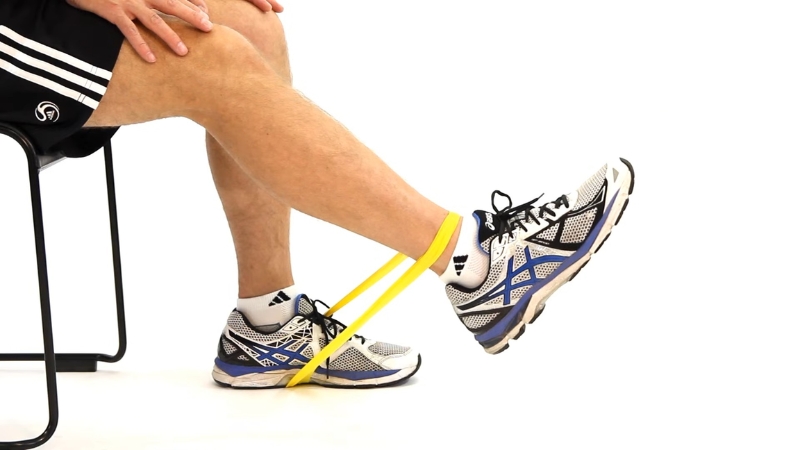
Beyond general wellness, aerobic training plays a structured role in physical rehabilitation and recovery. After musculoskeletal injuries, surgeries, or prolonged inactivity, controlled aerobic activity helps restore circulation, prevent deconditioning, and support neuromuscular coordination. In clinical settings, aerobic exercise is frequently integrated into rehabilitation programs to improve cardiovascular tolerance without excessive joint loading.
In these contexts, aerobic training is not used as a generic fitness tool but as a graded physiological stimulus. Programs are often individualized to account for injury history, pain thresholds, and functional limitations. This approach is commonly applied in outpatient rehabilitation environments, including facilities such as One Step Rehab, where aerobic conditioning is used alongside strength, mobility, and neuromuscular retraining to support long-term functional recovery rather than short-term performance gains.
Sleep Quality and Circadian Stability

Aerobic training improves sleep quality by reducing sleep onset latency, increasing slow-wave sleep duration, and stabilizing circadian rhythms. These effects are mediated through body temperature regulation, melatonin secretion patterns, and reduced autonomic arousal.
Importantly, improvements in sleep are often reported before changes in body composition or fitness metrics become obvious. This suggests that neural and hormonal adaptations occur early in the training process.
Sleep-Related Changes With Aerobic Training
| Sleep Parameter | Typical Improvement | Timeframe |
| Sleep onset latency | −10 to −20 minutes | 4–8 weeks |
| Total sleep time | +20–40 minutes | 6–12 weeks |
| Night awakenings | Reduced frequency | 8–16 weeks |
| Subjective sleep quality | Improved ratings | 4–6 weeks |
Longevity and Quality of Life
The cumulative effect of aerobic training across energy regulation, mood stability, cardiovascular protection, metabolic control, and cognitive preservation translates into longer life expectancy and better functional independence. Large-scale studies consistently show that even modest aerobic activity, such as 150 minutes of moderate exercise per week, is associated with significant reductions in premature mortality.
From a public health perspective, aerobic training is one of the few interventions that simultaneously addresses multiple leading causes of death, including heart disease, diabetes, stroke, and neurodegenerative disorders. Its effects are dose-dependent but show diminishing returns at very high volumes, indicating that sustainable consistency matters more than extremes.
Closing Perspective
Aerobic training changes life not by dramatic transformation but through steady biological recalibration. Energy becomes more available because cellular systems work more efficiently.
Mood stabilizes because neurochemical signaling becomes more resilient. Health improves because organs adapt structurally and functionally to repeated aerobic demand.
These outcomes are supported by decades of physiological research and population data, making aerobic training one of the most evidence-backed lifestyle factors influencing long-term human health.