

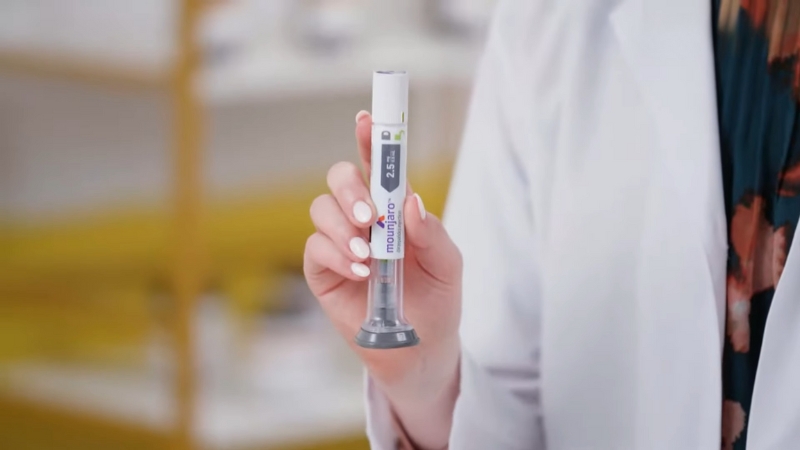
Tirzepatide can be a powerful weight-loss medication for women, but it is not a magic fix; it’s a metabolic tool that changes how your body regulates hunger, insulin, and fat storage.
The concrete truth is this: women tend to lose between 15–22% of their body weight on tirzepatide when paired with proper dosing and long-term lifestyle support, but they must also understand the side effects, hormonal interactions, nutritional risks, and realistic expectations before starting.
Tirzepatide works differently for women depending on age, metabolism, menstrual health, PCOS status, stress levels, and whether they are perimenopausal or postmenopausal.
1. What Exactly Is Tirzepatide and How Does It Work?
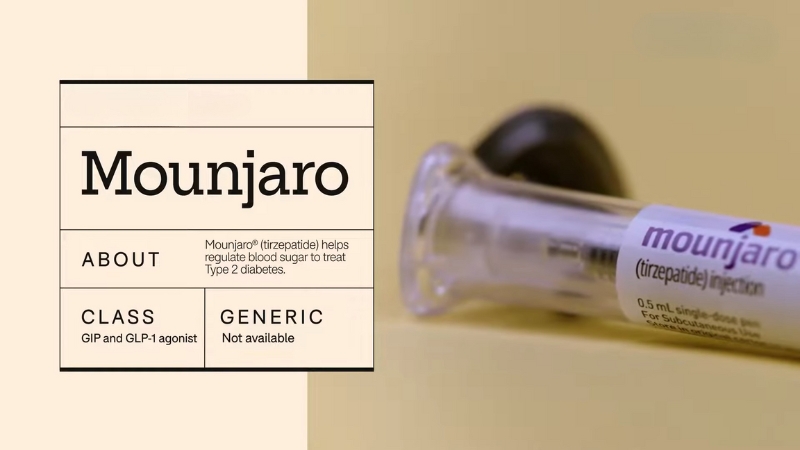
Tirzepatide is a once-weekly injectable medication originally developed for type 2 diabetes. It works by activating two hormone pathways simultaneously, GLP-1 and GIP receptors.
These hormones regulate appetite, insulin secretion, digestion, and how your body stores fat.
For weight loss, tirzepatide does three key things:
- Suppresses appetite dramatically
- Slows stomach emptying, making you feel full longer
- Improves insulin sensitivity, reducing fat storage and stabilizing blood sugar
Women often describe it as “turning down the volume” on cravings and emotional eating. Instead of fighting hunger constantly, the medication makes eating feel optional instead of compulsive. For many, this psychological shift is just as important as the physical one.
However, tirzepatide is not a stimulant and does not burn fat directly; it changes metabolic signals so your body naturally stores less and burns more.
2. Expected Weight Loss: What Women Typically Experience
Clinical trials show average weight loss between 15% and 22% of total body weight, depending on dose. But women’s results vary based on hormones, age, and metabolic conditions.
Women often lose weight more slowly in the first 4–6 weeks because the early doses are intentionally low to reduce side effects. The real weight shift begins around month three once therapeutic dosing is reached.
Women with the following conditions often respond strongly:
- Insulin resistance
- PCOS
- Prediabetes
- Postpartum metabolic changes
- Perimenopausal weight gain
Women with thyroid disorders, chronic stress, or low activity levels may need longer before seeing results.
| Duration | Typical Loss | Notes |
| 4 weeks | 2–6 lbs | Mostly appetite reduction |
| 12 weeks | 8–15% body weight | Dose-dependent |
| 6 months | 15–20% body weight | Most women reach steady fat loss |
| 1 year | 20–22% body weight | With consistent dosing + habits |
3. Why Women’s Bodies Respond Differently Than Men’s
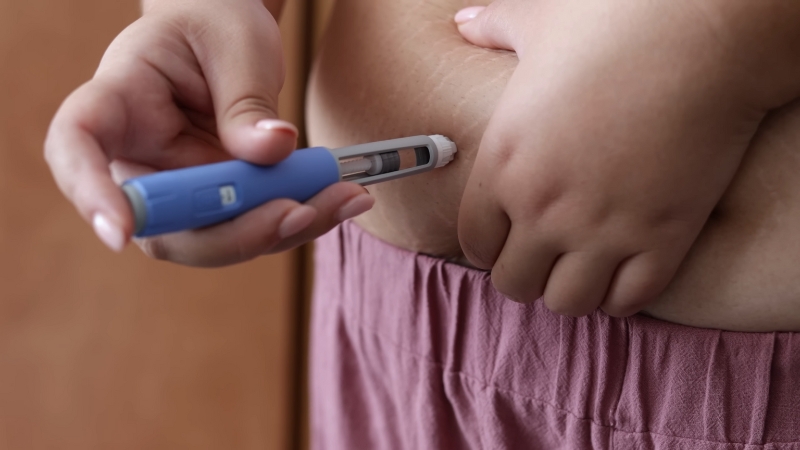
Women often metabolize medication differently due to the interaction between estrogen, progesterone, cortisol, and insulin. These hormonal shifts may affect appetite, cravings, bloating, and water retention.
Tirzepatide can stabilize some of these fluctuations, but it may also amplify others depending on timing.
- During ovulation, appetite may remain slightly higher even on medication.
- During PMS, some women experience nausea or stronger cravings if dosing falls on the wrong cycle day.
- During perimenopause, tirzepatide often reduces abdominal fat more efficiently because it improves insulin regulation.
Pregnancy and breastfeeding are not compatible with tirzepatide. Women must stop the medication at least 2 months before trying to conceive, as GLP-1 drugs may affect nutrient absorption and fetal development.
4. Side Effects Women Should Expect (Honest Breakdown)
View this post on Instagram
Most women tolerate tirzepatide well, but side effects are common in the beginning and during dose increases. They are manageable but should not be ignored.
Most Common Side Effects
- Nausea (especially on dose-up weeks)
- Bloating and slowed digestion
- Constipation
- Fatigue
- Reduced appetite to the point of forgetting meals
- Acid reflux
- Loose stools or diarrhea (less common)
Less Common but Important
- Hair thinning due to a rapid calorie drop
- Gallbladder stress from fast weight loss
- Low B12 or iron if not eating enough
- Muscle loss occurs if protein intake is too low
Women with naturally low calorie intake are at higher risk of nutritional deficiencies. Long-term use must be paired with protein, hydration, and electrolyte support to avoid weakness or muscle wasting.
Side Effects and How to Manage Them
| Side Effect | Why It Happens | Management |
| Nausea | Slowed stomach emptying | Eat smaller meals, avoid high-fat foods |
| Constipation | Reduced motility | Fiber + hydration + magnesium glycinate |
| Hair thinning | Fast weight loss | Increase protein, collagen, vitamins |
| Fatigue | Calorie drop | Stabilize meals, electrolytes |
| Reflux | Food sitting too long | Early dosing, lower-fat meals |
5. Dosing: Why Starting Low Is Crucial for Women
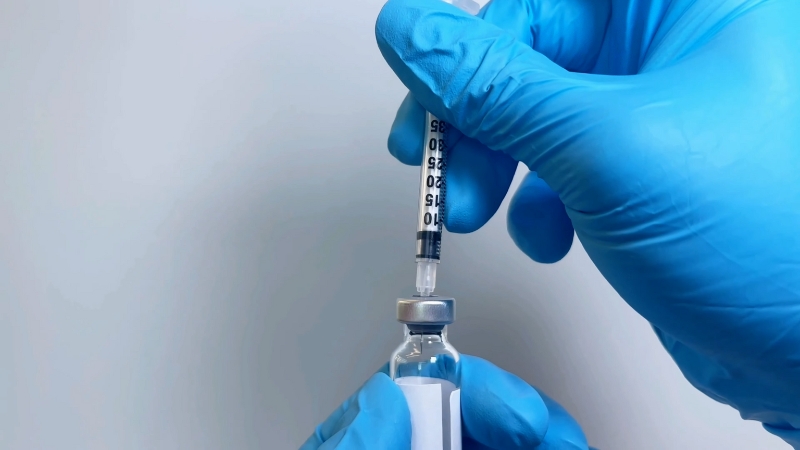
Tirzepatide dosing increases slowly to protect your stomach and prevent severe nausea. Women often require slower titration than men due to smaller stomach volume and stronger hormone-gut interaction.
Typical dosing schedule:
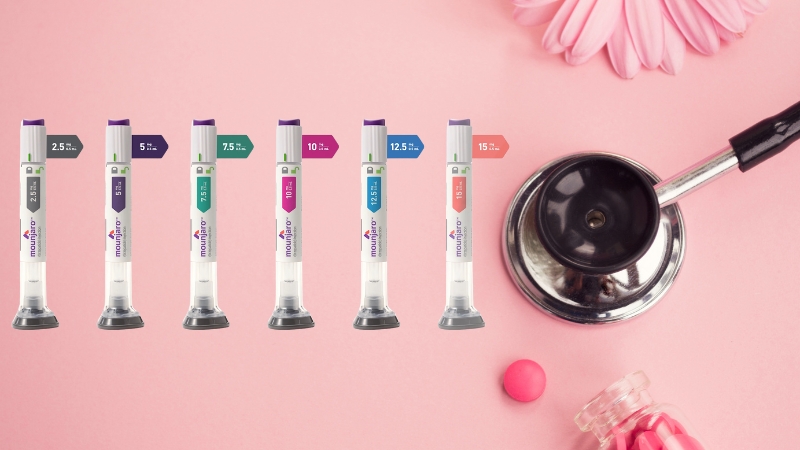
- 2.5 mg (4 weeks – adjustment phase)
- 5 mg (4 weeks)
- 7.5 mg (4 weeks)
- 10 mg (4–8 weeks)
- 12.5 mg or 15 mg (only if needed)
Women who experience strong nausea should remain on a dose longer instead of forcing an increase. Staying on a lower dose is not failure – many women lose weight steadily at 5 mg or 7.5 mg.
6. Nutrition Changes Women Must Make to Stay Healthy

The biggest risk with tirzepatide is undereating, not overeating. Once appetite disappears, many women accidentally drop 800–1000 calories below, which slows metabolism and increases the risk of hair loss and hormonal issues.
The most important rule:
Eat intentionally, not based on hunger cues.
Women must prioritize protein, micronutrients, and hydration.
Minimum Daily Targets
- 80–100 g protein
- 2–3 liters of water
- Electrolytes if water intake increases
- Fruits and vegetables, even if appetite is low
Skipping meals consistently is the fastest path to nutrient deficiencies.
To stay healthy, women must prioritize protein and micronutrient intake. This is also where partnering with a registered dietitian becomes extremely helpful. Programs like Nutrition NC can guide women through balanced eating on GLP-1 medications, so they maintain strength, muscle, and long-term metabolic health.
Many women underestimate how drastically appetite suppression affects nutrition; structured support prevents deficiencies and helps sustain results once the medication stops.
7. Tirzepatide, Women’s Hormones, and PCOS
Women with PCOS often respond exceptionally well to tirzepatide because it directly improves insulin sensitivity – one of the root issues behind PCOS weight gain. Many women report:
- fewer cravings
- more regular cycles
- reduced inflammation
- easier fat loss
However, birth control may interact with tirzepatide because slowed digestion can reduce oral contraceptive absorption. Women using the pill should speak to their provider about alternative methods during dose increases.
8. Exercise: What Women Should Do While on Tirzepatide
The medication reduces appetite, but it also increases the risk of losing muscle instead of fat if women don’t strength-train. Muscle loss slows metabolism, reduces energy, and increases the chance of rebound weight.
The best combination is:
- 2–3 days of strength training
- Light cardio or walking
- Stretching to reduce nausea-related tightness
Women do not need intense workouts – you just need enough stimulus to preserve muscle.
9. Long-Term Reality: What Happens If You Stop?
This case report highlights the potential of tirzepatide in treating hypothalamic obesity (HO), a rare and challenging condition: https://t.co/ny0c7UR1ew #endocrinology #diabetes @vtangpricha @Els_ENDO
— AACE (@TheAACE) June 19, 2025
Tirzepatide is not permanent. Once you stop, appetite returns gradually and often more strongly than before if you lost weight very fast.
Women who stop cold-turkey often regain weight within 6–12 months unless they build strong nutritional routines and maintain muscle. Maintenance dosing (lower doses) is becoming common, though long-term use should be medically monitored.
| Time After Stopping | What Women Notice |
| 1–4 weeks | Appetite rises |
| 2–3 months | Cravings return, weight stabilizes |
| 4–12 months | Possible regain if habits were not built |
Women with hormonal conditions (PCOS, insulin resistance) may experience more weight regain unless insulin is controlled.
10. Who Should Not Start Tirzepatide
Tirzepatide is not appropriate for:
- Women who are pregnant or planning a pregnancy
- Women with a history of medullary thyroid carcinoma
- Women with severe GI disorders (gastroparesis)
- People with uncontrolled eating disorders
- Anyone unable to maintain adequate nutrition
If you fall into any of these categories, alternatives should be considered.
Conclusion
@laurenthemortician I was almost 300lbs, I’m 5’10” for reference. #tirzepatide it’s 🔗 in the place where you normally click on stuff if you want to do it too. It’s our year babe! 🎉#educationalpurposes #weightlossmotivation #newyearsresolution ♬ peekaboo – Kendrick Lamar
Tirzepatide can be life-changing for women struggling with metabolic weight gain, hormonal imbalances, or food noise that dominates daily life.
The medication can reduce weight dramatically, stabilize appetite, and create metabolic balance – but only when women understand how to manage side effects, protect nutrition, maintain muscle, and set realistic expectations about long-term use.
The most important truth: Tirzepatide is a tool, not the full solution.