

Fitness instructors already possess a skill set that people actively pay for: the ability to improve health, performance, and consistency.
The most reliable side gigs build directly on that expertise instead of chasing unrelated trends.
The options below are not speculative. They are widely used revenue streams in the fitness industry, with clear pricing logic, predictable demand, and realistic time requirements.
1. Online Coaching and Remote Training
Online coaching replaces location-based sessions with structured remote support. Clients follow personalized programs delivered through apps or shared documents, while instructors handle check-ins, form feedback, and progress tracking through video, voice notes, or messages. Unlike one-off virtual sessions, this model usually runs on monthly subscriptions.
What makes this effective is leverage. One coach can manage 20–50 remote clients at the same time because communication is asynchronous. The work shifts from constant live sessions to structured weekly reviews and program adjustments. This model also allows instructors to specialize. Many successful online coaches focus narrowly on areas like fat loss for busy professionals, mobility for desk workers, or strength programs for older adults.
From an income standpoint, online coaching often outperforms in-person training per hour once systems are in place. The upfront work is building templates and onboarding flows, but ongoing delivery becomes predictable.
| Metric | Typical Range |
| Monthly price per client | $100–$300 |
| Time per client per week | 15–30 minutes |
| Scalability | High |
| Startup cost | Low (apps or spreadsheets) |
2. Selling Digital Workout Programs
Digital programs are pre-built training plans sold as downloads or app-based access. Unlike coaching, there is no personalization or direct accountability. Clients buy the plan, follow it on their own, and contact support only if there is a technical issue.
The strength of this model is repetition. A single well-designed program can sell hundreds or thousands of times if it solves a clear problem. Programs with the strongest conversion usually target a specific outcome and audience, such as a 12-week beginner strength plan for women or a home-only program with minimal equipment.
Instructors who already answer the same client questions repeatedly are ideal candidates for this. The content already exists in their head. The challenge is packaging it clearly and presenting results honestly, without exaggerated promises.
| Metric | Typical Range |
| Price per program | $20–$75 |
| Ongoing time required | Minimal |
| Scalability | Very high |
| Best distribution | Website, email list, social media |
3. Small Group Training Programs
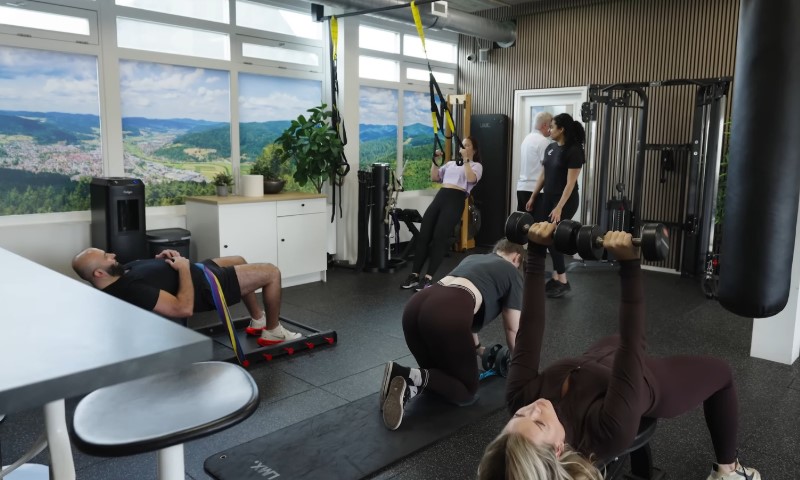
Small group training sits between one-on-one coaching and large classes. Groups usually consist of 4–10 participants following the same structured plan. Sessions can be in person or online and often run as fixed-length programs such as 6 or 8 weeks.
This model works because it raises hourly income without diluting coaching quality. Participants still receive attention and correction, but costs are shared. From the client’s perspective, the group environment adds accountability and social pressure, which improves adherence.
Operationally, the key factor is program structure. Successful group programs follow a defined progression and schedule rather than open-ended drop-ins. This makes outcomes easier to measure and sell.
| Metric | Typical Range |
| Price per person | $150–$400 per program |
| Participants per group | 4–10 |
| Hourly earning potential | $80–$200+ |
| Best use case | Local or niche audiences |
4. Nutrition Coaching Within Legal Scope
Many clients struggle more with nutrition than exercise. Fitness instructors who stay within legal and certification boundaries can offer habit-based nutrition coaching, general meal structure guidance, and accountability support. This does not require prescribing medical diets or treating conditions.
The value comes from integration. Clients prefer working with one professional who understands both training and eating behavior. Nutrition support is commonly bundled with coaching or sold as an add-on rather than a standalone service.
This side gig is less about meal plans and more about systems. Grocery strategies, protein targets, eating schedules, and consistency tracking tend to produce the best long-term results and client retention.
| Metric | Typical Range |
| Monthly add-on price | $50–$150 |
| Time per client per week | 10–20 minutes |
| Certification requirement | Varies by region |
| Client demand | Very high |
5. Corporate Wellness Programs
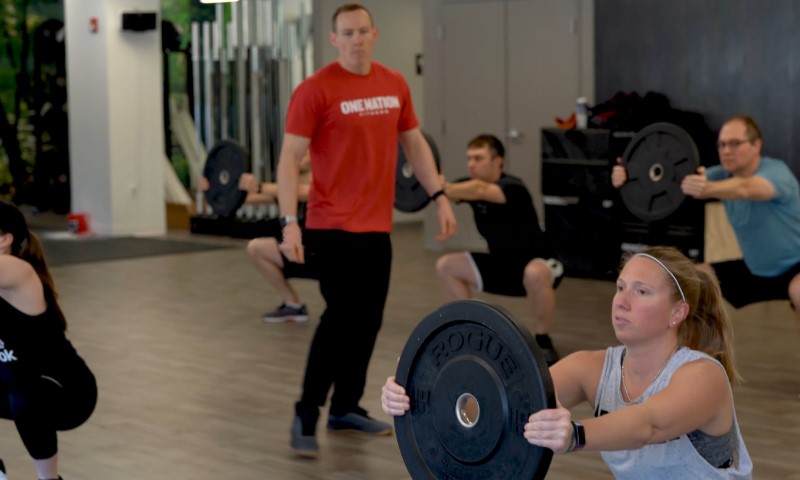
Corporate wellness involves delivering fitness or health services to businesses rather than individuals. This may include onsite classes, virtual group workouts, posture or mobility workshops, or short educational sessions during work hours.
Companies pay for these services because they are tied to productivity, employee retention, and health insurance costs. Budgets are typically larger than individual clients, and payment is centralized through the employer.
The main difference from consumer fitness is the sales process. Instead of marketing to emotions, corporate proposals focus on outcomes such as reduced absenteeism, engagement metrics, and ease of implementation.
| Metric | Typical Range |
| Session fee | $100–$300 |
| Contract length | 4–12 weeks |
| Client acquisition | Direct outreach |
| Stability | Medium to high |
6. Fitness Education Products and Workshops
Educational products target people who want to understand training rather than just follow instructions. These include workshops, short courses, e-books, or recorded lectures on topics like injury prevention, lifting technique, or mobility fundamentals.
This side gig works best for instructors with deep technical knowledge or experience in a specific area. It also positions the instructor as an authority, which indirectly increases demand for higher-priced services.
Unlike digital workout plans, education products often command higher prices because they deliver insight rather than repetition. They also have longer shelf life when the content is principle-based rather than trend-driven.
| Metric | Typical Range |
| Price per product | $30–$200 |
| Production effort | Medium |
| Audience size needed | Small to medium |
| Long-term value | High |
7. Affiliate Partnerships and Equipment Recommendations
Affiliate income comes from recommending products and earning a commission when clients purchase through tracked links. This is common with supplements, training equipment, footwear, or recovery tools.
This side gig only works when trust already exists. Random promotion rarely converts. Instructors with consistent client communication, newsletters, or educational content perform best because recommendations appear in context.
Affiliate income should remain secondary. When used carefully, it offsets costs and adds passive revenue without changing core services. Overuse or irrelevant promotion damages credibility quickly.
| Metric | Typical Range |
| Commission rate | 5–20% |
| Monthly income potential | $50–$2,000+ |
| Time investment | Low |
| Risk | Credibility loss if misused |
8. Bartending Certification as a Strategic Cross-Income Skill
For fitness instructors who want extra income without adding more physical strain, bartending stands out as a practical and surprisingly common option.
The overlap is not philosophical but logistical. Training clients typically happens early mornings, midday, or early evenings. Bartending shifts peak late evenings and weekends. The schedules rarely collide, which makes the combination workable over long periods.
What separates casual bartending from reliable income is formal training. Completing a school for bartenders shortens the learning curve and opens access to higher-paying environments such as private events, weddings, hotels, and seasonal venues. These roles tend to pay more per hour, involve fewer shifts per week, and rely heavily on tips rather than fixed wages.
| Aspect | Fitness Instruction | Bartending (Certified) |
| Typical work hours | Mornings, midday, early evenings | Late evenings, weekends |
| Physical strain | High, cumulative | Moderate, intermittent |
| Pay structure | Hourly or monthly packages | Hourly plus tips |
| Income variability | Medium, client dependent | High per shift, immediate |
| Long-term role | Primary profession | Supplemental buffer |
Final Perspective
The most effective side gigs for fitness instructors do not require reinventing a career.
They extend existing knowledge into formats that reduce time dependency or increase reach. Instructors who rely only on hourly sessions face a hard income ceiling.
Those who add structured programs, remote services, or education products create leverage.