

Suppose you’re serious about becoming a certified fitness coach. In that case, the process can take anywhere from a few weeks to six months, depending on the certification program, how much time you can commit, and whether you’re starting from scratch or already have experience in fitness or health sciences.
Some people complete their certification in one month with accelerated online programs, while others spread it out over several months if they’re working full-time or studying part-time.
The key factor is not just how long it takes to earn the certificate, but how well-prepared you are to train clients safely and effectively once you’re certified.
What Does the Certification Process Involve?
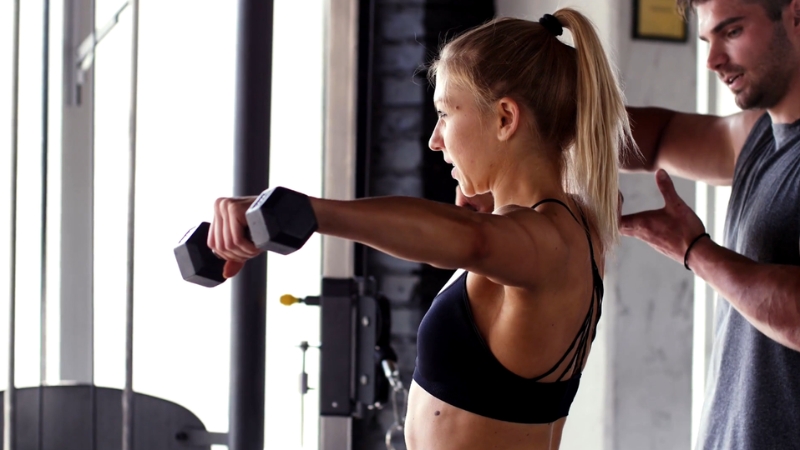
Becoming a fitness coach means more than just passing a single test.
While many programs market themselves as fast-track, there are multiple steps involved, including studying course material, learning about anatomy and physiology, understanding exercise programming, passing a final exam, and, in many cases, obtaining CPR and Basic Life Support (BLS) credentials.
Here’s what you can generally expect:
Step
Description
Time Required
Choose a Certification Program
Decide between ACE, NASM, ISSA, NSCA, or others
1–2 days (research)
Complete Coursework
Self-paced online or scheduled classes
4–16 weeks
Practice and Prep
Study and review practice exams
2–4 weeks
Take the Final Exam
Typically proctored online or in person
1 day
Obtain CPR/BLS Certification
Often required before you can sit the final exam
1 day
Some programs allow you to schedule the final exam whenever you feel ready. Others have specific testing dates, which can slightly delay the process depending on your readiness and schedule flexibility.
Choosing the Right Certification Body
There are dozens of certifying agencies, but not all of them are respected equally. If you want clients or employers to take you seriously, choose a nationally accredited program. The most widely recognized certifications in the U.S. are:
Certification
Organization
Approx. Completion Time
Accreditation
CPT (Certified Personal Trainer)
NASM
3–6 months
NCCA
CPT
ACE
3–6 months
NCCA
CPT
ISSA
1–3 months (faster online pace)
DEAC
CPT
NSCA
3–6 months
NCCA
While the National Academy of Sports Medicine (NASM) and American Council on Exercise (ACE) tend to be more textbook-focused with tougher final exams, ISSA offers more flexibility and a completely online path that some find easier to manage while working.
Do You Need CPR or BLS Certification First?
View this post on Instagram
Yes, most programs require you to have a valid CPR or BLS (Basic Life Support) certification before you can officially complete your fitness certification. These courses teach you how to respond in case a client has a cardiac or breathing emergency during training. It’s a crucial piece of the puzzle, especially if you’re planning to train people one-on-one or in group settings.
If you don’t already have one, you can easily get your online BLS certification through a recognized provider. Many fitness certification programs even link you to recommended BLS options during signup. The course usually takes 2–4 hours and involves a short exam at the end. It’s inexpensive, widely accepted, and makes you a safer, more credible coach.
Full-Time vs. Part-Time: Your Pace Affects the Timeline
One of the most common questions is whether you can speed through the process or if you’ll need to carve out months. The truth is: you control the timeline.
If you study full-time (around 3–4 hours a day), some programs let you test within four weeks. If you’re doing this on evenings and weekends while working a job or finishing school, 3–6 months is a more realistic timeframe.
Here’s a rough breakdown:
Weekly Study Time
Completion Time
3–4 hrs/week
~4–6 months
8–10 hrs/week
~2–3 months
15–20 hrs/week
~4–6 weeks
Most programs are designed for self-paced learning, allowing you to adjust your pace according to your availability and comfort level with the material.
How to Stay Motivated and Finish

Starting a certification program is exciting, but staying on track can get tough, especially if you’re balancing other responsibilities like a job, school, or family life. That’s where a solid game plan makes all the difference.
The number one reason people don’t finish fitness certifications on time isn’t that the material is too hard—it’s that life gets in the way, and motivation fizzles. But the good news is: with a few practical steps, you can keep your momentum.
First, set a realistic study schedule based on your weekly availability. Don’t aim for perfection—aim for consistency. If you know you can carve out one hour each morning before work, or two hours on weekends, build your study rhythm around that.
Put it on your calendar just like a gym session or client appointment. You’ll be surprised how much progress you make just by showing up for your study time regularly.
Second, track your progress. Most certification platforms break the curriculum into modules or chapters. Use that to your advantage. Every time you finish a section, check it off or mark it complete.
Seeing your progress build over time is incredibly motivating, especially when you hit that halfway mark and realize you’re closer to the finish line than the starting line.
It also helps to stay connected to your “why.” Are you switching careers? Want to coach part-time while building your brand? Hoping to level up your current job in a gym?
Write that goal down somewhere visible. When you hit a rough patch—or when you’d rather scroll your phone than study—that reminder can give you just enough push to keep going.
After Certification: What Comes Next?
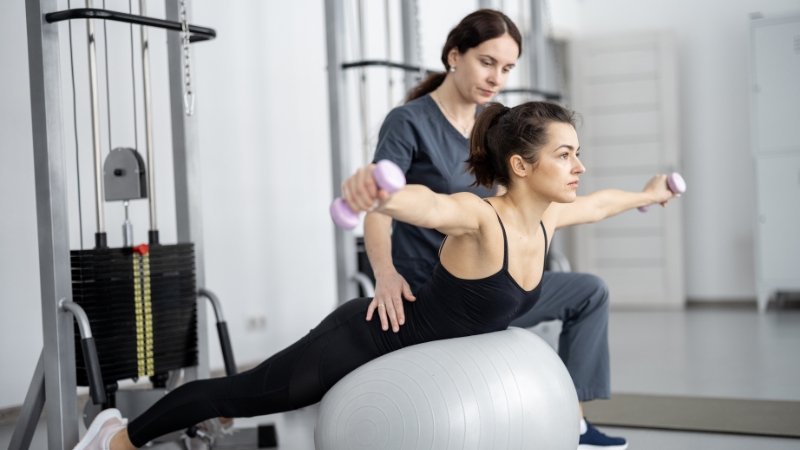
Earning the certificate is just the beginning. Once certified, you can start applying for jobs at gyms, offer one-on-one training, or even begin your coaching brand online or in person.
You’ll also need to renew your certification every 1–2 years, usually by completing continuing education credits (CECs), which keeps your knowledge fresh and your credential active.
You may also consider specializing in areas like:
Each of these opens more opportunities and often commands higher pay.
Final Thoughts
@abinashghimire555 Episode 10 | Becoming Certified Fitness Coach . . . #fyp #chitwan #rhinofitness #nepalifitness #personaltrainer ♬ original sound – AVINASH
Becoming a certified fitness coach can be done in just a couple of months if you stay focused, choose the right program, and get your CPR/BLS done early.
But while the certificate can be earned quickly, what truly matters is how ready you are to lead, coach, and care for others’ health.
The best coaches aren’t just certified—they’re informed, prepared, and confident in their ability to keep clients safe while helping them improve.
So, if you’re ready to make the leap, block out your schedule, pick a reputable certification, grab your online BLS certification, and get started. You could be training clients in less than three months.