Body confidence often gets sold as a before-and-after story. In real life, it rarely works that cleanly.
A more realistic goal looks steadier. Feeling okay in your body even when appearance shifts, even after a rough week, even when a photo catches an odd angle. Confidence built that way does not depend on constant fixing. It comes from changing what you ask your body to prove, day after day.
Research aligns with what many people learn through experience. Body dissatisfaction shows up across ages and genders, and reported prevalence varies widely because researchers measure it in different ways.
Among teens, a recent Australian survey report found that more than half said they felt dissatisfied with how their body looks. Large majorities also reported specific appearance wishes, most commonly wanting to be thinner or leaner, or wanting more muscle.
Today, we prepared a practical, evidence-informed way to build body confidence while shrinking how much mental space weight occupies. None requires loving your body every day. All focus on stability, capability, and self-respect.
A Quick Map of the Approach
You do not need to apply every idea at once. Choose 2 or 3, commit for 2 to 4 weeks, then reassess.
| Way | What it targets | What to try first |
| Focus on body function | Self-objectification | List 10 things your body lets you do |
| Train self-compassion | Harsh self-talk | 5-minute compassionate writing |
| Adjust social media inputs | Comparison loops | Unfollow 10 appearance accounts |
| Move for mood | Anxiety, low energy | 10-minute walk after lunch |
| Build skill-based strength | Competence | Track reps or form, not calories |
| Wear clothes that fit now | Daily friction | Buy 1 outfit that feels easy |
| Use attuned eating | Food guilt | Hunger-fullness check-in |
| Protect sleep | Emotion regulation | Same wake time 5 days per week |
| Challenge weight-stigma scripts | Shame | Replace 1 automatic thought |
| Change mirror habits | Body checking | Mirror only for grooming |
| Choose supportive spaces | Belonging | One friend, one activity |
| Know when to get help | Safety | Screen for ED warning signs |
1. Shift Your Success Metric Toward Body Function
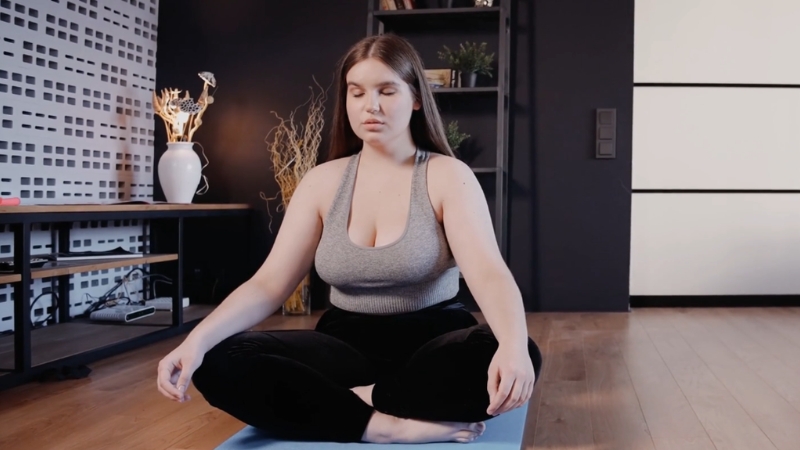
Focusing on body functionality offers one of the most practical reframes available. Function is concrete and lived. Stamina. Strength. Balance. Recovery. Pain levels. Energy. Mobility.
Sleep quality. Capacity to handle daily tasks.
Intervention research has tested functionality-focused approaches and found improvements in body image-related outcomes across several trials and program evaluations.
A 7-Day Functionality Practice
Each day, write:
- 3 things your body allowed you to do – Examples include carrying groceries, walking upstairs, hugging someone you care about, finishing a work shift, dancing for one song, or making it through a difficult conversation.
- 1 appreciation sentence that avoids appearance – Example: “Legs got me home today.”
That mindset applies well beyond movement and strength, including oral health routines supported by clinics like Choice Dental that focus on keeping daily function comfortable and reliable.
2. Treat Self-Compassion as a Skill
Self-compassion does not require loving your body every morning. It involves learning a different response when inner commentary turns sharp.
Randomized and controlled studies continue testing brief self-compassion exercises, including writing-based approaches. Results show improvements in body image-related outcomes in specific populations and contexts.
A Low-Friction Version
- Set a timer for 5 minutes.
- Write to yourself as if you were writing to a close friend stuck in body hatred.
- Use plain language. Skip affirmations that feel fake.
- Aim for fair and supportive.
Helpful prompts include:
- “Many people struggle with feelings like this at times. You are not broken.”
- “What would help you feel 5% more okay in your body today?”
Skillful self-talk changes confidence more reliably than forced positivity.
3. Treat Your Feed Like an Environment
Body dissatisfaction does not come from social media alone, yet social input can amplify comparison and self-objectification. Reviews and ongoing research continue examining how appearance-focused content relates to body image and well-being.
A recent Reuters report described internal research showing vulnerable teens who report frequent body dissatisfaction may be shown substantially more eating-disorder-adjacent content than peers, raising concerns about reinforcement loops.
A 20-Minute Reset
- Unfollow or mute accounts that trigger body checking, diet panic, or comparison spirals.
- Add accounts focused on skills, humor, art, nature, cooking, crafts, sports, or learning.
- If you keep fitness content, favor coaching cues, performance goals, and form education over transformation imagery.
Your environment shapes attention. Curating it counts as self-care.
4. Move for Mental Health Benefits You Can Feel Quickly
Movement stands out as one of the few interventions that can change mood fast without altering appearance.
Public health sources summarize immediate benefits such as reduced short-term anxiety and improved sleep. WHO also notes that physical activity can reduce symptoms of depression and anxiety while improving well-being.
If the word exercise carries baggage, rename it:
- “10 minutes of movement I can tolerate.”
- “A walk that clears my head.”
- “Mobility so my back hurts less.”
A 2024 systematic review and meta-analysis published in JAMA Network Open linked higher daily step counts with fewer depressive symptoms across observational studies. Small, repeatable goals work.
5. Build Confidence Through Skill-Based Strength
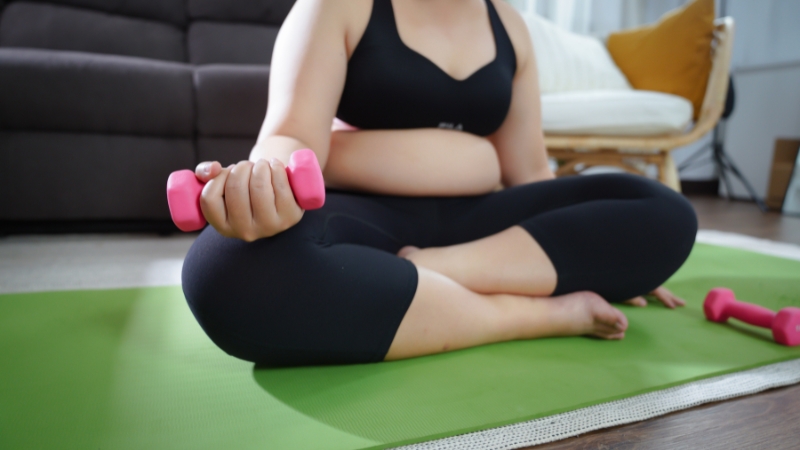
Competence feeds confidence. Strength or skill-based training supports that loop because progress becomes measurable without weight involvement.
Track improvements such as:
- Repetitions
- Balance
- Range of motion
- Form quality
A Simple Loop
- Pick 3 movements
Examples: chair squats, counter push-ups, hip hinges using a backpack. - Perform 2 times per week.
- Track one marker.
- Increase gradually.
Keep logs tied to capability. Skip weigh-ins.
6. Wear Clothes That Fit Your Body Now
Clothing delivers constant feedback. Tight waistbands, pinching seams, or restrictive fabrics create daily reminders that something feels wrong.
Removing that friction can raise body confidence immediately.
Try:
- Removing 2 outfits that reliably make you feel worse.
- Buying or tailoring 1 outfit that fits comfortably right now.
- Choosing fabrics that allow normal movement, posture changes, and bloating.
Comfort reduces how often your body becomes a problem to solve.
7. Practice Attuned Eating to Quiet Food Guilt
View this post on Instagram
Reducing weight obsession often requires easing rule-making around food.
A 2024 systematic review of observational studies reported higher intuitive and mindful eating linked with lower disordered eating and depressive symptoms, along with higher body-related well-being across examined literature.
One Starting Habit
- Rate hunger from 0 to 10 before eating.
- Pause for 10 seconds halfway through.
- Rate fullness from 0 to 10 afterward.
Avoid moral scoring. Data collection only.
Discomfort may show up early, especially if dieting served as a main control tool. That reaction does not signal failure.
8. Protect Sleep to Support Emotional Regulation
Sleep deprivation lowers frustration tolerance and emotional regulation. Body image often absorbs that impact because tired brains default toward threat scanning and negativity.
CDC publications and related public health reporting frequently link insufficient sleep with poorer mental health outcomes such as anxiety and depression.
A Realistic Sleep Plan
- Same wake time 5 days per week.
- Morning light exposure for 5 to 10 minutes.
- Caffeine cutoff 8 hours before bed.
- Phone outside the bed, or at least no scrolling during the final 20 minutes.
Consistency matters more than perfection.
9. Identify and Replace Internalized Weight-Stigma Scripts
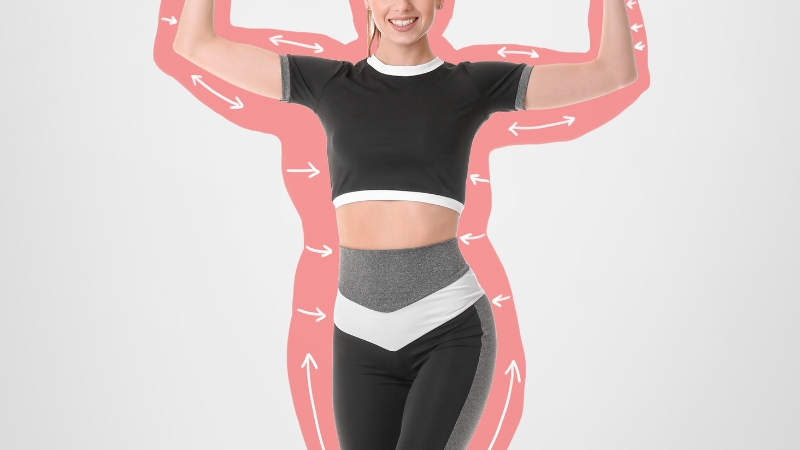
Internalized weight stigma often sounds familiar:
- “I am lazy.”
- “I do not deserve nice clothes.”
- “People will judge me.”
- “I should not be seen.”
A 2024 scoping review examining psychological interventions targeting internalized weight stigma described feasibility and early signals of benefit across multiple approaches, while noting the need for stronger evidence.
A Replacement Method
- Write the recurring script in one sentence.
- Replace it with a sentence that remains accurate and less harmful.
Examples:
- Script: “I look disgusting in photos.”
Replacement: “Photos reflect lighting and angles, not personal worth.”
Fairness matters more than positivity.
10. Reduce Body Checking and Make Mirrors Functional
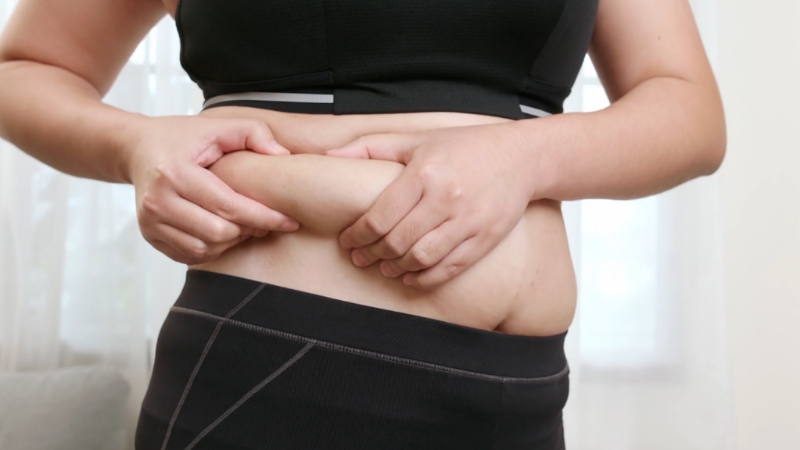
Body checking includes repeated mirror scans, pinching, measuring, or compulsive photo review. The behavior seeks certainty but usually increases anxiety.
A Practical Rule
Mirrors serve for grooming and dressing only.
Try:
- One mirror check after getting ready.
- No additional checks before leaving.
- Redirect urges toward functional cues such as posture, breathing, or comfort.
Reducing checking lowers mental noise over time.
11. Choose People and Places That Support Body Neutrality

Belonging shapes how bodies feel. Environments filled with appearance focus, teasing, or diet talk erode confidence.
Youth survey reporting shows large proportions of respondents experienced appearance-related teasing and negative comments, with many wanting schools to address it more directly.
Adults encounter similar dynamics in different forms.
A Quick Audit
- Who makes you feel watched?
- Who treats you as a person first?
- Which spaces emphasize creativity, performance, learning, or community over looks?
Spend more time in the latter category whenever possible.
12. Know When Professional Support Helps
When body and weight thoughts feel compulsive, or eating and movement become rigid and fear-driven, treat the issue as a health concern rather than a discipline issue.
NIMH describes eating disorders as serious illnesses involving distorted body image, intense fear of weight gain, and significant behavior changes around food and exercise.
NEDA lists warning signs such as preoccupation with calories, dieting, weight loss, and extreme concern with body size or shape.
Professional care can support body confidence without deepening obsession.
Why Weight Obsession Often Lowers Confidence
@spencer.barbosa the obsession with weight from such a young age ALWAYS hurts😭 #girls #relatable #bodyimage ♬ Bass Boat by Zach Bryan – Oklahoman Outlaw
Weight-focused thinking tends to damage body confidence in predictable ways, even when weight changes.
First, it trains constant monitoring and judgment. Neutral days start feeling bad because your attention stays locked on finding flaws.
Second, it fuels shame and self-blame. Internalized weight stigma is well documented in research, with reviews describing links to poorer mental health and identifying stigma as a legitimate psychological intervention target.
Third, it increases risk for disordered eating. A 2024 review found consistent links between higher weight stigma and more disordered eating thoughts and behaviors.
Body confidence without weight obsession requires a core shift. Move from evaluation toward connection. How your body feels. What it can do. What helps it function. How you treat it when it falls short.
Putting It Together
Body confidence improves when daily routines stop treating your body as a problem to fix.
An efficient starting combination:
- Mind: 5 minutes of self-compassion writing
- Environment: one social media cleanup session with light maintenance
- Body: 10 minutes of mood-supportive movement most days
Run that combination for 2 to 4 weeks. Confidence usually arrives as a side effect of consistency rather than as a feeling you chase.