
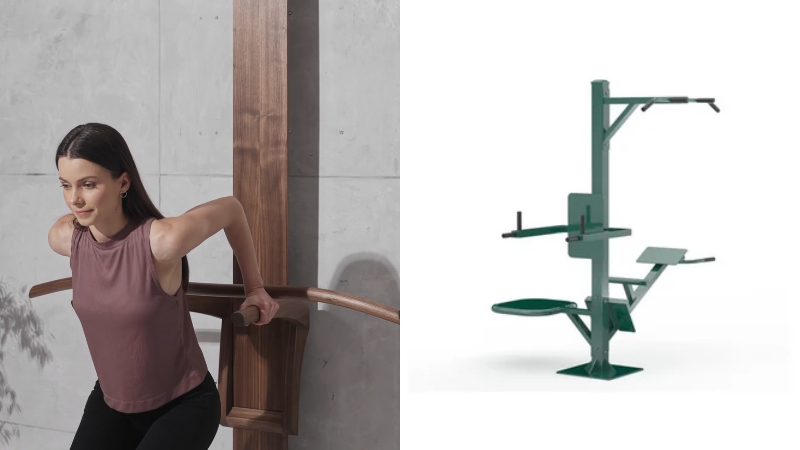
Pull-up and dip stations serve as multifunction strength training structures designed for bodyweight exercises such as:
- Pull-ups
- Dips
- Leg raises
- Push-ups
- Core movements
Users rely on a single piece of equipment to train the body, core, and stabilizing muscles without additional machines. Compact footprints and vertical designs make these stations suitable for home gyms and limited spaces, while sturdy steel frames support demanding workouts focused on strength and control.
Stability, comfort, and safety differ significantly between traditional pull-up and dip stations and modular multi-purpose units like the Moduseries. The comparison helps identify how each option performs under load, adapts to users, and protects against injury in both private and public training environments.
Overview of Equipment Types
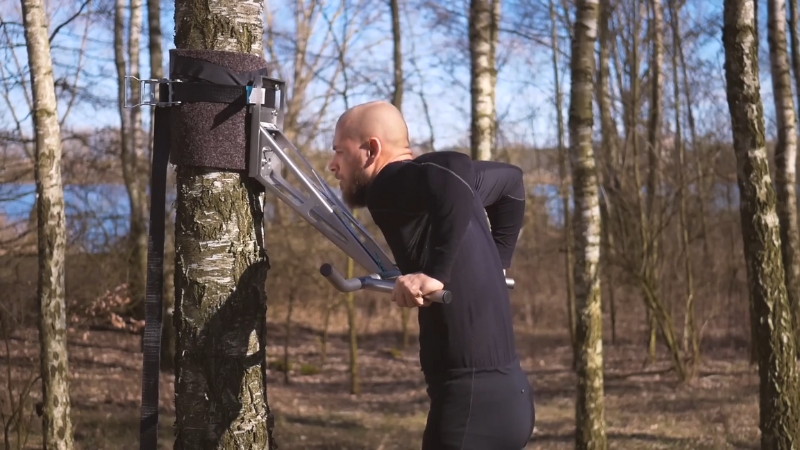
Equipment design determines how effectively bodyweight training can be performed across different environments.
Structural layout, material selection, and intended usage all shape how pull-up and dip stations compare with larger modular systems in both private and public settings.
Traditional Pull-Up and Dip Stations
The design philosophy behind traditional pull-up and dip stations focuses on delivering multiple bodyweight exercises through a single, self-contained structure.
Home users and small training spaces benefit most, since these units prioritize vertical construction, efficient use of floor space, and mechanical simplicity.
1. Configurations
Freestanding power towers rely on a unified steel frame that integrates vertical uprights, horizontal pull-up bars, and fixed dip handles. Structural consistency plays a major role in stability and ease of use, especially during compound movements.
Several design traits define common configurations, including:
- Vertical steel posts that support static and dynamic loads
- Horizontal pull-up bars positioned for full arm extension
- Fixed dip handles aligned for chest and triceps engagement
- Adjustable height systems that modify bar and handle positions
Collapsible elements appear in certain models, allowing storage without reducing rigidity during active use.
2. Common Features
Exercise compatibility serves as a central focus, allowing multiple movements without accessory swaps. Typical stations support a consistent group of exercises that target the upper body and core musculature.
Height adjustability also expands usability across different body types. Available configurations often include:
- Pull-ups, chin-ups, and neutral-grip pulls
- Parallel bar dips and straight bar dips
- Vertical knee raises and leg lifts
- Push-ups using low-mounted handles
Several models offer up to eleven height positions, generally spanning roughly 63 inches to 84 inches, which accommodate a wide range of users and training preferences.
3. Versatility
Grip configuration directly influences muscle recruitment and joint comfort. Designers address this by integrating multiple grip angles and widths into a single structure.
Common grip options include wide overhand bars for lat activation, neutral grips for wrist alignment, and angled handles for varied pulling mechanics. Accessory compatibility further broadens exercise potential through:
- Resistance bands for assisted or resisted movements
- Gymnastic rings for instability-based training
- Suspension straps for bodyweight variations
Moduseries Units

Moduseries Units combine several exercise stations into a single anchored framework suitable for parks, campuses, and even backyard fitness equipment setups with outdoor installations and heavy-duty design.
Outdoor environments demand structural permanence, resistance to weather exposure, and consistent safety performance under repeated daily use.
1. Modular Multi-Station Concept
Moduseries Units combine several exercise stations into a single anchored framework, enabling multiple users to train at the same time without interference. Station layout follows functional training principles, separating movement patterns across designated areas.
Commonly integrated stations include:
- Pull-up bars positioned at varied heights
- Parallel dip bars with fixed spacing
- Vertical knee raise platforms
- Back extension benches
- Plyometric jump surfaces
Concrete anchoring systems secure the entire structure, preventing lateral movement and rotation during simultaneous use.
2. Intended Benefits
Compact footprints allow installation in confined outdoor areas while still supporting full-body training. Commercial-grade engineering supports frequent use in public settings, including:
- Parks and recreation spaces
- School and university campuses
- Community fitness zones
Structural decisions focus on longevity, reduced maintenance requirements, and predictable performance under constant load cycles.
Stability Comparison
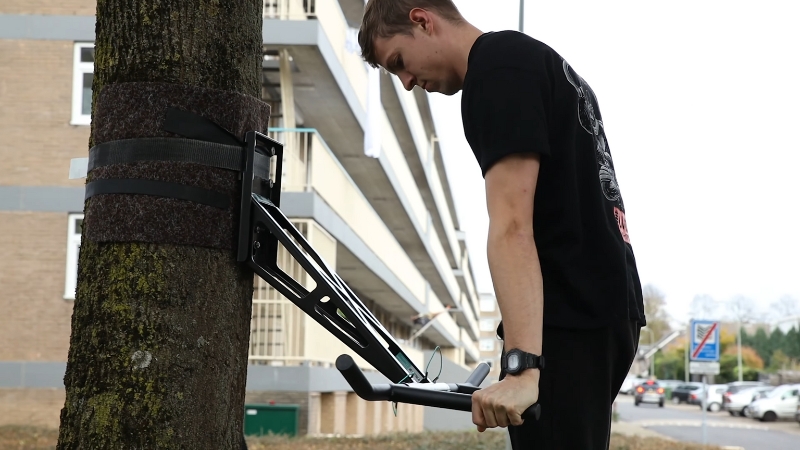
Structural stability defines performance quality during bodyweight training, especially when exercises involve:
- Momentum
- Swinging
- Explosive transitions
Frame design, material thickness, and anchoring strategy influence how each equipment type manages force distribution.
Pull-Up and Dip Stations
Construction quality determines how reliably a pull-up and dip station performs under repeated stress, dynamic loading, and long-term use.
Structural design choices influence rigidity, vibration control, and resistance to material fatigue, especially during advanced calisthenics movements.
1. Build Quality and Material
Heavy-duty steel tubing forms the backbone of traditional stations, supported by reinforced joints and welded connection points. Triangular support structures play a critical role by redirecting force toward the base instead of allowing lateral flex.
Load ratings commonly reach 400 to 450 pounds, reflecting structural capacity for demanding movements such as kipping pull-ups and deep dips.
2. Weight Capacity and Footprint
Higher load limits correlate directly with reduced frame movement during dynamic transitions. Units rated near 450 pounds exhibit less oscillation during explosive reps.
Footprint size also contributes to stability through wider base spacing, which improves force distribution across the floor surface and limits tipping risk during uneven loading.
3. Design Features
Stability-enhancing design elements appear across higher-quality models. Angled support beams reinforce vertical posts and broaden ground contact points.
Foldable designs retain triangular geometry even when collapsed, preserving rigidity without sacrificing portability or storage convenience.
Moduseries Units
Structural stability for Moduseries Units centers on permanent installation, commercial-grade materials, and predictable performance under simultaneous use.
Design priorities focus on minimizing movement, distributing load evenly, and preserving integrity under constant environmental exposure.
1. Modular Impact on Stability
Heavy-gauge steel tubing, often measuring close to one-quarter inch wall thickness, provides commercial-grade rigidity suited for outdoor installation.
Powder-coated finishes protect steel surfaces against corrosion, preserving load-bearing capacity over extended exposure to weather conditions.
2. Integrated Multi-Station Footprint
Ground anchoring eliminates movement caused by shifting or vibration during use. Fixed structural connections maintain consistent load paths across the entire unit.
Absence of cables, pulleys, or hydraulic components keeps force transmission direct and predictable, even during simultaneous use by multiple individuals.
Comfort Analysis
@tarynssfit I will not stop talking abt this thing #pullup #tiktokshop #pullups ♬ Unwritten x Midnight City by Altégo – ALTÉGO
Comfort affects exercise adherence, movement quality, and joint health over time. Equipment design influences how effectively users maintain proper body positioning during repetitive training sessions.
Pull-Up and Dip Stations
Individual-focused design characterizes comfort features in traditional pull-up and dip stations. Adjustable components and padded contact points aim to support prolonged training without excessive joint or soft tissue strain.
1. Ergonomics and Padding
Padded armrests and back supports reduce pressure on elbows, shoulders, and lower back during knee raises and dips. Foam-coated grips enhance tactile comfort while reducing hand fatigue during extended sets.
Padding placement focuses on high-contact areas to support longer training sessions.
2. Adjustability
Adjustable height settings and varied handle placements allow users to align equipment with body proportions and movement mechanics. Proper alignment reduces joint strain and supports gradual progression in exercise difficulty.
Adjustability also enables multiple users to share equipment without compromising comfort.
3. Hand Grips and Width
Wide grip options support a greater range of motion and increased engagement of the upper back musculature. Neutral grip handles promote natural wrist positioning, reducing stress during vertical pulling movements and improving overall comfort.
Moduseries Units
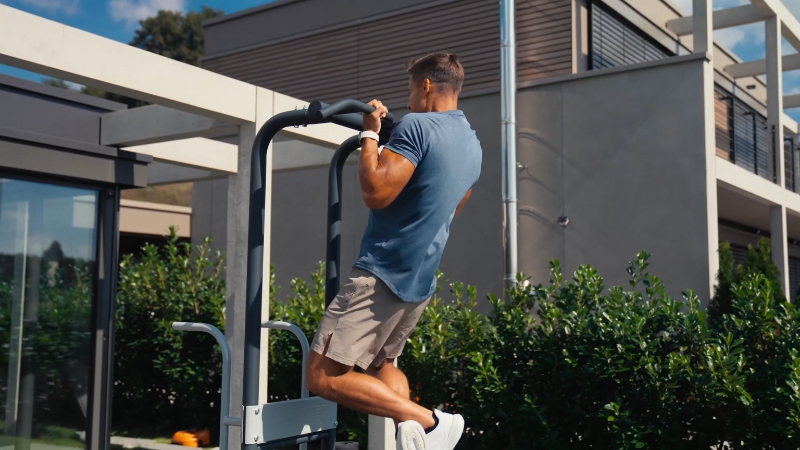
Comfort design in Moduseries Units focuses on functional movement flow and shared usability rather than individual adjustment. Station variety allows users to alternate movements and reduce repetitive stress.
1. Multi-Station Comfort
Integrated components such as plyometric boxes, back extension benches, and varied pull-up heights encourage movement rotation across different stations. Exercise variation reduces repetitive strain while allowing consistent training flow across multiple muscle groups.
2. User Range
Station layouts accommodate different body sizes and training styles at the same time. Fixed stations provide predictable ergonomics that suit functional and calisthenics-based routines, particularly in shared training environments.
Safety Considerations
Safety outcomes depend on structural capacity, surface contact, and long-term durability. Both equipment types address safety through material selection, design simplicity, and load management.
Pull-Up and Dip Stations
View this post on Instagram
User safety in traditional stations relies on clear load limits, stable contact points, and straightforward assembly.
1. Rated Load Limits
Defined weight ratings exceeding 400 pounds reduce the risk of structural failure during high-intensity training. Reinforced steel joints and welded frames support controlled execution of dynamic exercises.
2. Non-Slip and Secure Components
Rubberized feet improve traction on hard surfaces, reducing sliding during forceful movements. Secure fasteners and reinforced weld points limit unwanted shifting under load.
3. Ease of Assembly
Clear assembly instructions and symmetrical frame components simplify installation and reduce setup errors. Foldable designs maintain reinforcement integrity even after repeated assembly and storage cycles.
Moduseries Units
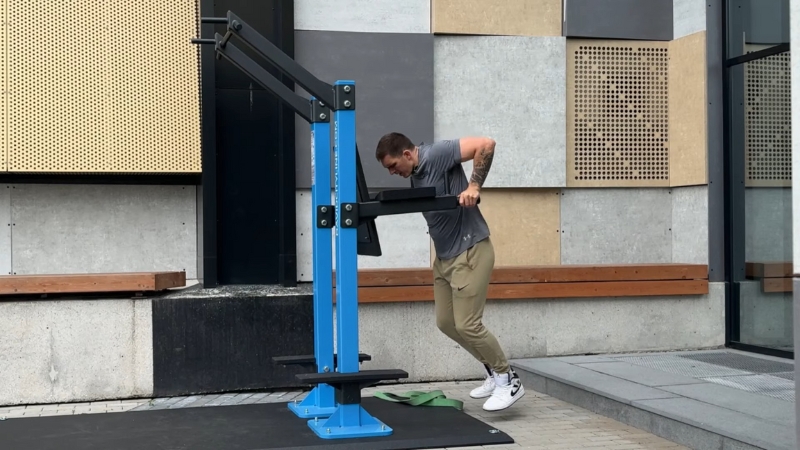
Public-use safety requirements shape every aspect of Moduseries Unit design, prioritizing permanence, predictability, and low maintenance.
1. Commercial-Grade Safety
Powder-coated steel resists corrosion and surface wear in outdoor environments. Bolted anchoring systems permanently secure frames to concrete foundations, preventing displacement.
2. Zero Moving Parts
Fixed exercise stations eliminate risks associated with cables, pulleys, and hydraulic mechanisms. Reduced mechanical complexity lowers potential failure points over extended use periods.
3. Multi-User Safety
Designated stations separate users spatially, minimizing collision risk during simultaneous training. Structural capacity supports concurrent loading across multiple exercise points without compromising stability.
Endnote
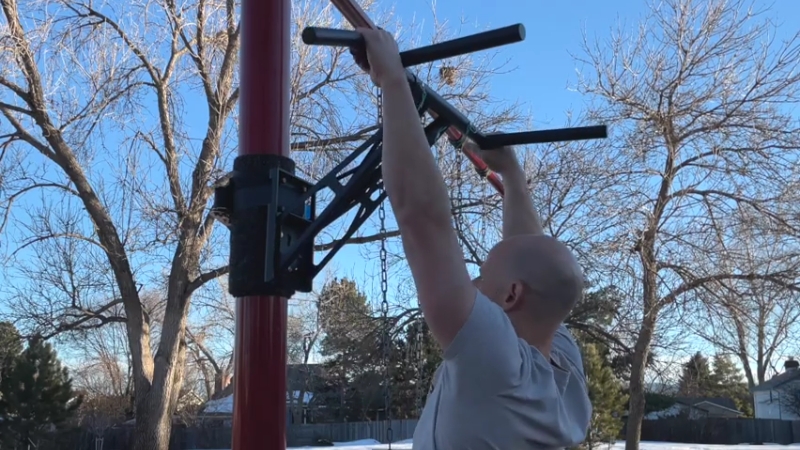
Stability favors pull-up and dip stations for compact adjustable setups, while modular units provide higher structural rigidity through anchoring and scale. Comfort favors traditional towers for personalized adjustment, while modular systems support functional comfort across varied stations.
The training environment guides selection. Home and personal gym settings benefit most from adjustable pull-up and dip stations, while community and outdoor fitness areas gain long-term value and safety through Moduseries installations.