
Fitness startup opportunities in 2026 look stronger because consumers now expect more than basic workout videos, calorie logs, or class schedules.
AI, wearables, recovery tools, and longevity programs are changing how people train, rest, and measure progress.
AI fitness and wellness reached $9.8 billion in 2024 and is projected to grow to $46.1 billion. Smart fitness is also projected to hit $18.8 billion in 2026.
Fitness apps are no longer simple workout libraries. Users now expect adaptive coaching, personalization, and recommendations based on real performance.
Broad “personal trainer in your pocket” apps are crowded, so better opportunities are specific, technical, and tied to clear outcomes.
How to Choose the Right Fitness Startup Idea

Founders should compare each idea by capital needed, tech complexity, target audience, recurring revenue, and defensibility.
AI apps can scale well, but competition is intense. Studios require more upfront capital, but they can build a stronger local community and brand loyalty.
Recovery and longevity concepts may create higher lifetime value, although break-even may take longer.
Validation should happen before launch. Useful tests include local search research, waitlists, landing pages, small ad campaigns, customer interviews, and paid pilot offers.
For founders building the product side, this fitness app development team can support fitness app planning, development, and technical execution.
Startup Idea #1 – AI Personal Fitness Coach
An AI personal fitness coach creates workouts based on goals, performance, sleep, fatigue, and progress.
Instead of giving every user a fixed plan, it adjusts training as the user improves, struggles, rests poorly, or hits a plateau.
Key features should make the product feel active, not static:
- Adaptive plans can raise or lower volume after missed sessions, weak performance, or strong progress.
- Real-time intensity changes can help users avoid pushing too hard on low-recovery days.
- Wearable integrations can connect sleep, heart rate, and fatigue data to daily training choices.
- Recovery recommendations can suggest rest days, mobility work, or lighter sessions.
Demand supports the idea. Health and fitness app downloads reached 3.6 billion, up 6% year over year.
Also, 68% of fitness app users prefer platforms that respond to actual performance over time.
Revenue can come through monthly subscriptions, premium coaching tiers, or hybrid plans that add access to human coaches.
Startup Idea #2 – Wearable-Integrated Coaching Platform
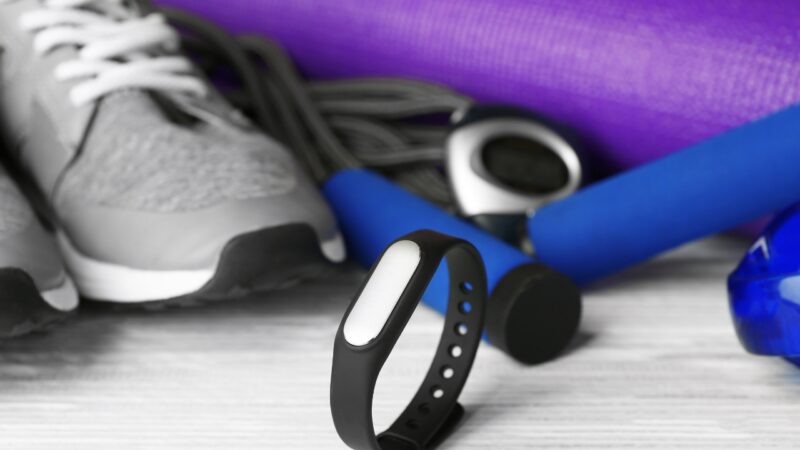
A wearable-integrated coaching platform uses smartwatch and fitness tracker data to guide workouts, recovery, and coaching decisions.
Heart rate, sleep, fatigue, recovery, and readiness data can help adjust training intensity before a user overtrains or loses momentum.
Coaches can use the platform to manage larger groups while still giving personalized programming.
Automated check-ins, workout changes, and recovery alerts can help members feel supported without requiring constant manual work.
A practical coaching product should turn raw device data into clear action:
- Low sleep scores can trigger a lighter workout.
- Elevated resting heart rate can prompt a recovery check-in.
- Strong readiness data can unlock a harder training session.
- Missed workouts can send an automated plan adjustment.
Revenue can come through premium monthly coaching packages or smart-training add-ons priced above standard memberships.
A strong tech layer should sync wearable data into member profiles and trigger automated check-ins, workout edits, or coach alerts.
Startup Idea #3 – Recovery and Wellness Studio
View this post on Instagram
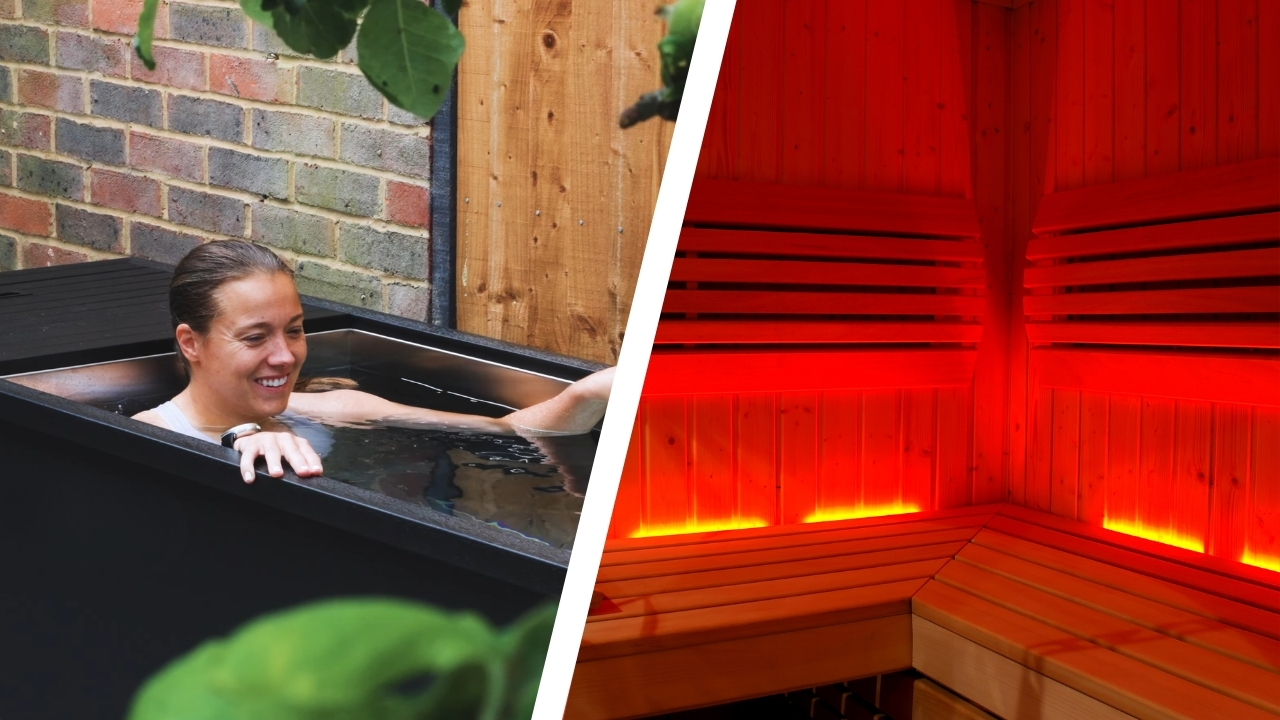
A recovery and wellness studio can offer cold plunge, contrast therapy, infrared sauna, guided mobility, breathwork, and assisted stretching.
Clear target customers include active gym-goers, runners, endurance athletes, busy professionals, and older adults focused on longevity.
Customer groups often buy recovery for different reasons:
- Runners may want faster soreness relief after long training blocks.
- Busy professionals may pay for stress relief and better sleep.
- Older adults may value mobility, circulation, and joint comfort.
- Gym-goers may use sessions to support higher training frequency.
Recovery studios are attractive because customers quickly understand the offer. Services can also support premium pricing without complex class programming.
Session prices often sit around $30 to $80 per session.
Revenue can come through session packs, credit-based pricing, unlimited memberships, or recovery subscriptions.
A useful tech layer can include automated booking, station reservations, and access control for low-staff operations.
Startup Idea #4 – AI Nutrition and Metabolic Coaching App

An AI nutrition and metabolic coaching app connects meal planning and food logging with workouts, sleep, metabolic response, and body goals.
Generic calorie counters are now commoditized, so better opportunities sit in metabolic personalization.
Important features should reduce friction and make nutrition feel easier to follow:
- Conversational food logging can let users record meals without manual database searches.
- Personalized macro targets can adjust around training days and rest days.
- Wearable and CGM integrations can connect food choices with energy, sleep, and glucose response.
- AI meal planning can adapt to budget, schedule, allergies, and preferences.
Personalization can account for workout habits, sleep, hormonal patterns, energy levels, and health goals. That makes the app more useful than a basic tracker.
Revenue can come through a freemium model, a $10 to $18 monthly premium subscription, or white-label licensing to nutrition and supplement brands.
Startup Idea #5 – Fitness for Older Adults and Longevity Programs
@justin_agustin If you’ve been avoiding exercise because you’re scared it might be too hard or you’re worried about straining a muscle or pulling a joint, this routine is for you. As your certified longevity coach specializing in exercise therapy, I want to show you that movement can be safe, slow, and gentle… and still make a real difference in how you feel every day. These simple exercises will help you loosen stiff joints, activate dormant muscles, and build confidence in your body again, all from the comfort of your chair. You’re never too old, and it’s never too late to start feeling stronger! You got this! #olderadult #seniorworkout #gentlefitness #longevity ♬ original sound – Justin Agustin
Fitness programs for older adults can focus on strength, balance, coordination, mobility, fall prevention, and independence.
Older clients often value safety, expertise, and consistency, making trust and professional programming critical.
Fitness programs for older adults rank as the #2 global fitness trend for 2026. Strong tech opportunities also exist for adults 55+ or 60+.
Useful product features can support both safety and confidence:
- Age-appropriate exercise libraries can reduce injury risk.
- Fall-risk assessment can help personalize training intensity.
- Accessible UI can improve adoption among less technical users.
- Caregiver visibility can help families track consistency and progress.
- Medicare or insurance wellness integrations can support broader access.
Senior fitness also benefits because the demographic is growing and many programs can use lower-intensity, high-value formats. Specialized certifications can improve credibility and retention.
Revenue can come through subscriptions, senior-living partnerships, healthcare partnerships, or insurance-backed wellness programs.
Startup Idea #6 – Boutique Group Fitness or Pilates Studio

A boutique group fitness or Pilates studio can focus on community, low-impact strength, posture, injury prevention, and long-term physical resilience.
Pilates is one of the fastest-growing fitness disciplines globally, supported by demand for low-impact strength training that helps with longevity and posture.
Important business factors include reformer equipment costs, small class sizes, instructor certification, and waitlist management.
Reformer equipment raises startup costs, but small groups can support premium pricing.
Operational details can strongly affect profit per class:
- Waitlists can fill late cancellations and protect hourly revenue.
- Private sessions can raise average customer value.
- Intro offers can convert beginners into monthly members.
- Instructor consistency can improve retention and referrals.
Instructor quality is especially important because retention depends on trust, results, and consistent class experience.
Average Pilates studio revenue is estimated at $100,000 to $400,000 per year. Revenue can come through class packs, memberships, intro offers, private sessions, and premium small-group programs.
Summary
Best fitness startups for 2026 combine personalization, measurable outcomes, and recurring revenue. Strong opportunities are not generic gyms or broad apps.
Better ideas solve specific problems in AI coaching, wearable-led training, recovery, nutrition, longevity, and boutique fitness.
Biggest opportunity belongs to founders who pick a specific audience, solve a specific problem, and prove results clearly.