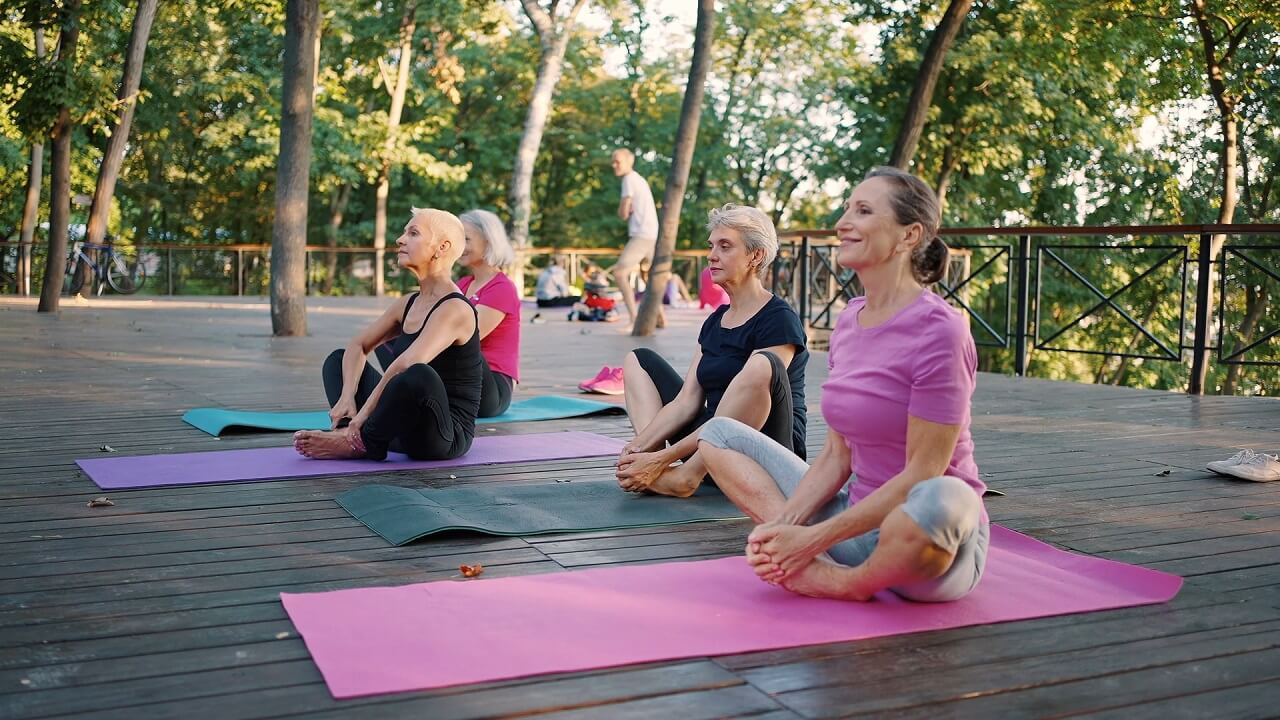
Yoga is not one single kind of class. Some styles are slow, quiet, and relaxing, while others are active, sweaty, and physically demanding.
A yoga class can vary widely depending on its structure, pace, poses, use of props, and main goal.
Some practices center on stress relief and breathwork. Others help build flexibility, strength, focus, endurance, or recovery.
Some classes also add a playful social element, making yoga feel less intimidating for beginners.
With so many options available, which type of yoga sounds like the right fit for your body, mood, and goals?
Puppy Yoga
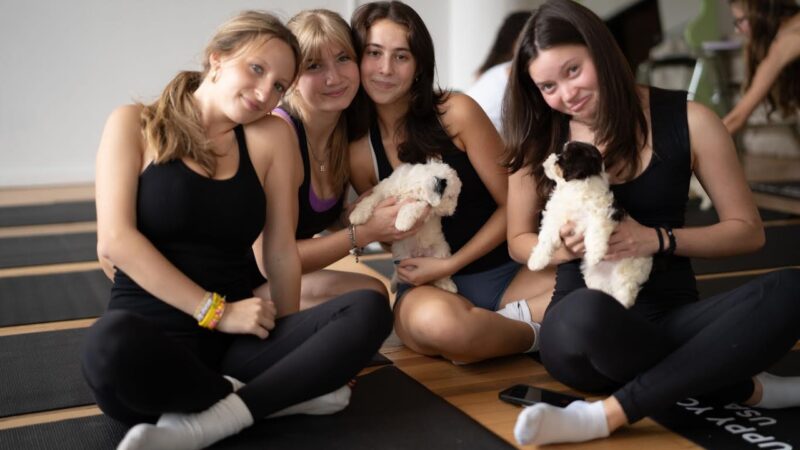
A playful class setting makes puppy yoga feel less intimidating than many traditional studio sessions.
Participants move through simple yoga poses while puppies roam around the room, interact with mats, and sometimes curl up beside people during the practice.
For anyone looking for a playful class in the city, puppy yoga NYC can be a natural fit because it keeps the session relaxed, social, and beginner-friendly.
Instead of a quiet, highly focused atmosphere, sessions usually feel relaxed, social, and light.
Beginners often enjoy it because the class does not demand perfect form or serious concentration.
A puppy may walk across a mat, nudge someone’s hand, or interrupt a pose in a funny way, which can help people relax and stop worrying about doing everything correctly.
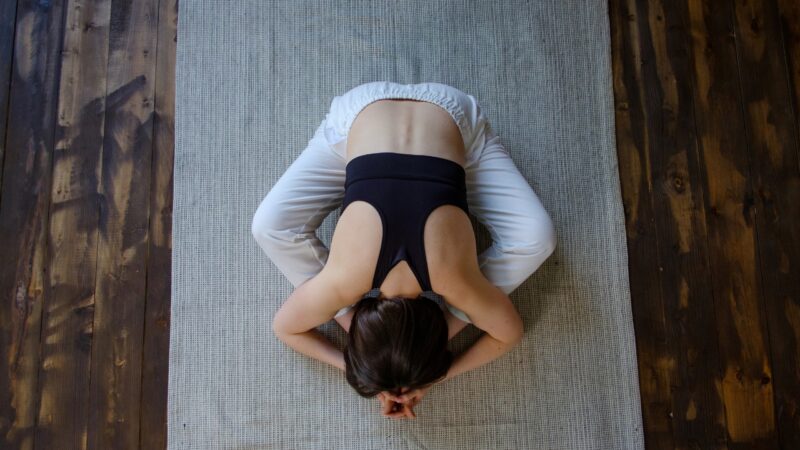
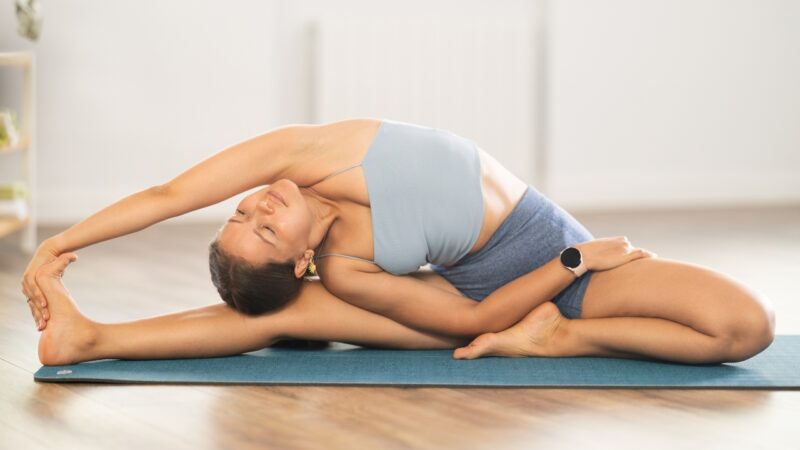
Joy and relaxation are central to the session. Puppy interaction can make the practice feel fun while still giving participants a chance to stretch, breathe, and move. Animal lovers may also enjoy the emotional comfort that comes with petting, cuddling, or simply watching puppies play nearby. Puppy yoga works well for animal lovers, beginners, friend groups, and anyone looking for stress relief in a fun setting. Hot yoga is practiced in a warm studio, and that heat can make movement, balance, and pose holds feel more physically demanding. Sweating is expected, and many people choose hot yoga because they enjoy a challenging, sweat-heavy class. Bikram yoga is one of the best-known forms of hot yoga. Heat may help the body feel more open during stretches, which can support flexibility. At the same time, the practice can build focus and endurance, as students need steady breathing, patience, and body awareness to stay present throughout the class. Caution is important. Hot yoga may not be a good fit for people who are sensitive to heat, have heart conditions, or have hypertension. Anyone with those concerns may need medical guidance before trying it. Hot yoga fits people who like intense, physical classes and do not mind sweating a lot. Slow pacing gives Yin yoga its calming feel. Instead of moving quickly through sequences, participants settle into poses and hold them for longer periods. Attention often shifts toward stillness, breathing, and letting the body gradually release tension. Yin poses are often held for three to five minutes. Longer holds help stretch muscles and reach connective tissue beneath the muscles. Props can make the longer holds more comfortable. Bolsters, blocks, and blankets may support the body so students can relax into a pose without forcing it. That support matters because Yin yoga is not about pushing hard. It is about staying with a shape, breathing steadily, and allowing the body to soften over time. Flexibility is a major reason people try Yin yoga. Regular practice may also support joint circulation and encourage relaxation. For many people, the slower pace also helps calm racing thoughts. Yin yoga works well for people who want a quiet class, better flexibility, recovery support, or help slowing down mentally. A slower foundation makes Hatha yoga a common starting point for new students. Many classes focus on breathing, deliberate movement, and basic poses. Hatha is also often used as a broad term for physical yoga practice. Because the pace is more manageable, students have time to learn how each pose feels. They can focus on posture, alignment, breath, and balance without feeling rushed into the next movement. That makes the class useful for building confidence before trying faster styles. Many people describe Hatha as the ABCs of yoga because it teaches basic postures, alignment, and breathing at a comfortable pace. It can feel gentle, but it still helps students develop control and stability. Hatha yoga is a good fit for beginners, people who want a gentler introduction to yoga, and anyone who wants to learn proper alignment before trying more active classes. Movement gives Vinyasa yoga its energetic feel. Poses connect in a fluid sequence, and each movement is usually linked with an inhale or exhale. Compared with Hatha, Vinyasa often feels faster and more active. In class, teachers often guide students through breath cues while they move between poses. One inhale may lift the body, while one exhale may lead into a fold, twist, or transition. That steady rhythm can make the practice feel almost like a moving meditation. Vinyasa can be especially helpful for people who want yoga to feel active without losing the mind-body connection. Because the body keeps moving, Vinyasa can build strength, coordination, mobility, and body awareness. It may also suit people who have trouble sitting still but still want the mental focus that yoga can offer. Vinyasa yoga fits people who want an energetic class with movement, flow, and steady breath connection. Rest and recovery shape the purpose of restorative yoga. Instead of trying to raise the heart rate, classes focus on helping the body relax with supported poses. Students often use blocks, bolsters, straps, blankets, or pillows to reduce effort and create comfort. Poses are usually held longer, and some may last up to five minutes. During that time, the body is supported so muscles can release tension without strain. Precision is less important than comfort, breathing, and ease. Some classes may include yoga nidra, a guided meditation that moves the mind toward a state between wakefulness and sleep. That can make restorative yoga especially calming before bed or during stressful periods. Restorative yoga works well for stress relief, recovery days, tension release, and people who want a calming practice before sleep. No single type of yoga is best for everyone. A good choice depends on your goals, energy level, comfort, and what helps you feel supported. Trying several styles can help you find a practice that feels enjoyable, sustainable, and supportive for both body and mind.
Hot Yoga
A heated room changes the way yoga feels almost immediately.
Yin Yoga
Hatha Yoga
Vinyasa Yoga
Restorative Yoga
Summary