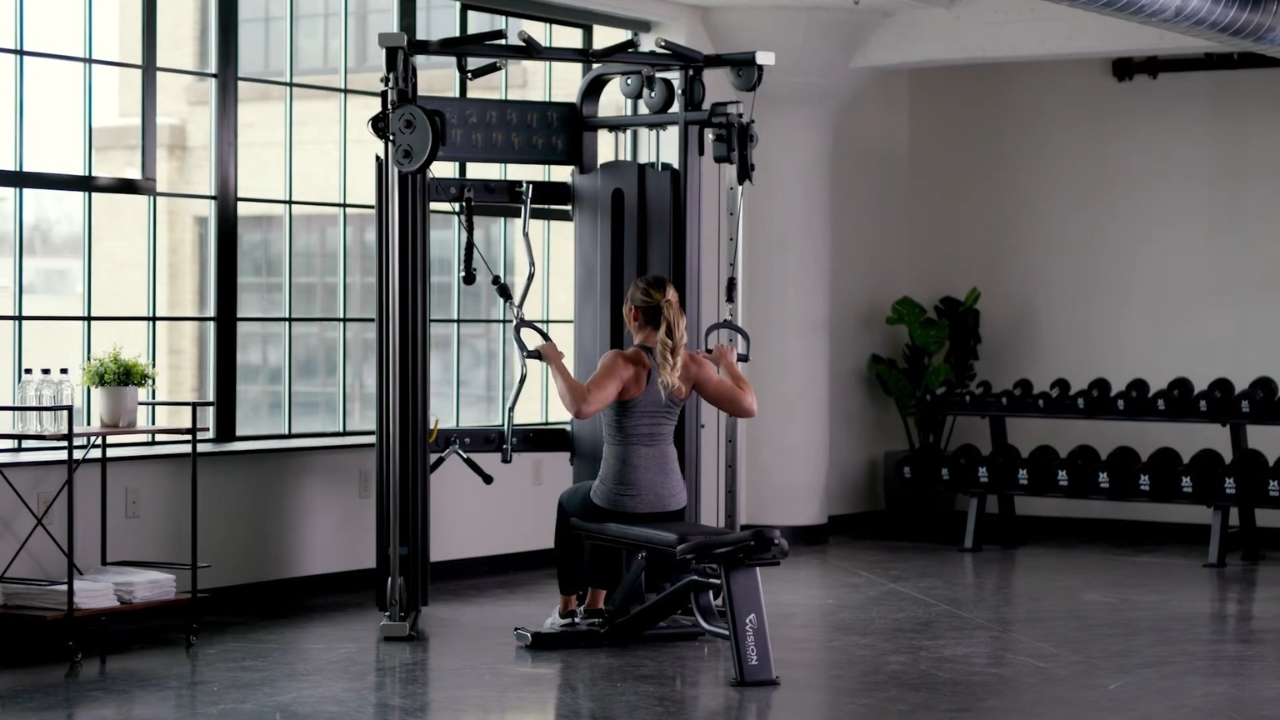

By the end of a warm-up, your shoulders may still feel stuck near your ears. Your chest may feel tight. Your breathing may turn fast and shallow.
For many active people, physical signs like those show up before they notice stress mentally.
Anxiety is not only a feeling in your mind. It can become a full-body reaction, shaped by a nervous system trying to protect you.
Your body prepares for threat, even when that “threat” is a packed schedule, a hard training session, deadlines, uncertainty, or pressure to perform.
Learning to notice those signals can make them feel less frightening and easier to manage.
So, what is anxiety doing inside your body when your stress response switches on?
Your Nervous System is on High Alert
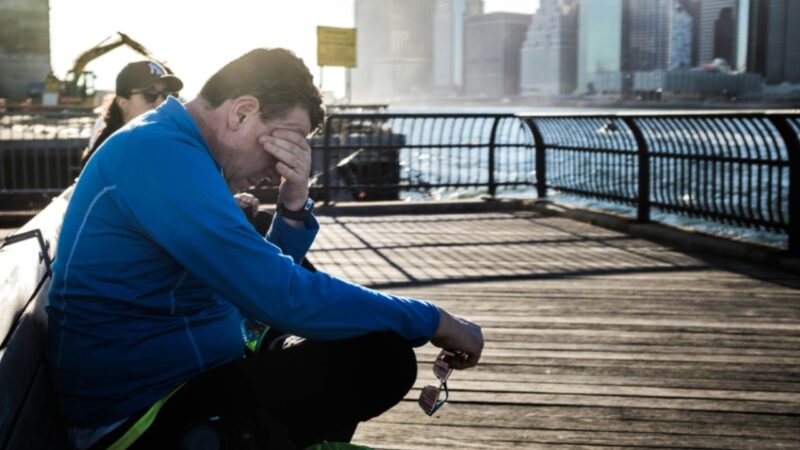
A large part of anxiety moves through the autonomic nervous system, which runs many body functions without conscious effort.
When your brain senses pressure, or even possible pressure, the sympathetic branch takes over. Many people call it the fight-or-flight response.
Stress hormones such as adrenaline and cortisol rise. Energy shifts toward quick action rather than repair, digestion, and recovery.
Nothing about that response means your body is broken. It is a normal protective pattern. Problems begin when a short-term response stays active for too long. Pre-race nerves, shaky hands, a racing heart, or a tight stomach can all come through the same stress pathway. In small amounts, that energy can even sharpen performance. Trouble starts when your nervous system stays switched on after the challenge has passed. Muscle tension can turn into jaw, neck, shoulder, or lower-back discomfort. Faster breathing during easy cardio can make you feel winded earlier than expected. Poor sleep can weaken recovery, which makes the next workout feel harder. Signals like these are physical stress responses. They are not proof of weak discipline, poor character, or lack of toughness. Noticing anxiety in your body works a lot like checking pace, form, or breathing during exercise. Small signals can give you useful feedback before stress builds into something bigger. You might need a longer cool-down, a lighter session, better meals, more sleep, or a calmer start to your day. Clear speech depends on steady breathing and precise coordination of small muscles. Anxiety can sometimes make the voice feel shaky, tight, or quivery. That often eases as breathing slows and tension drops. Sudden slurred speech is different. Urgent medical care is needed when speech suddenly becomes hard to form, especially alongside facial drooping, confusion, severe headache, dizziness, or weakness on one side of the body. To clarify how to differentiate ordinary Anxiety from more serious indicators of slurred speech, please consult this guide regarding acute slurred speech causes. The key takeaway is simple: Anxiety should not serve as the sole explanation for a sudden onset of slurred speech. Your nervous system can rise quickly, but it can also settle. Parasympathetic activity, often called rest-and-digest mode, helps your body recover. Slow breathing is one direct way to calm the stress response. Extending your exhale, even briefly, can signal that immediate danger has passed. Strength and conditioning can also support mental and physical balance when used wisely. Punishment-based workouts or extreme sessions meant to “outrun” stress may add more strain. Movement that leaves you grounded, calmer, and steadier usually supports both performance and recovery. Some stress is part of an active life. Persistent or recurring physical symptoms deserve attention when they affect sleep, training, work, relationships, or daily decisions. Chest tightness, racing heartbeat, shortness of breath, faintness, ongoing stomach symptoms, or any symptom that worries you should be discussed with a clinician. A healthcare professional can check for other causes and help create a plan. Asking for help is not failure. Athletes work with coaches to gain clarity, direction, and better tools. Nervous system support can work in a similar way. Anxiety can feel scary because it shows up inside the same body you rely on for movement, strength, and recovery. Tight shoulders, shallow breathing, a jittery morning, or a tense jaw are signals. They are not personal flaws. Treat those signals as feedback. Check your recovery, protect your sleep, adjust training when needed, and watch for patterns. When symptoms arrive suddenly, feel severe, or seem out of proportion, trust that concern and seek medical help. Caring for your nervous system is part of caring for your fitness. If you or someone you love is in crisis, call 911 or go to the nearest emergency room. You can also call or text 988, or chat via 988lifeline.org to reach the Suicide & Crisis Lifeline. Support is free, confidential, and available 24/7. Sources
Manifestations in An Active Life
Active people often know some version of this reaction.
Body Awareness & Recognizing Signals
Note Regarding Speech Changes/Safety
Training with your Body instead of against it
When to Seek Help from A Professional
Big Picture