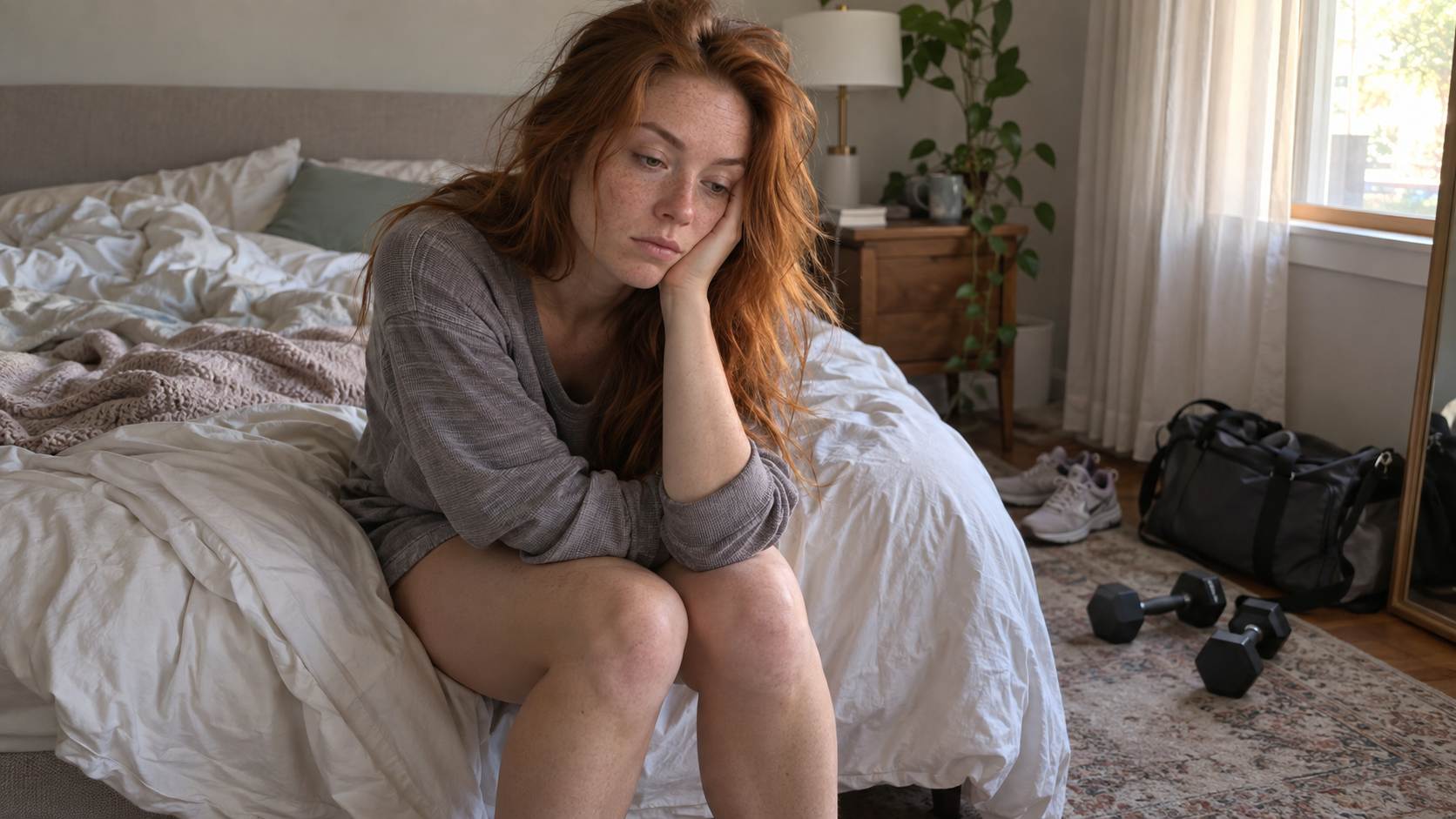

After weeks of back-to-back deadlines, overflowing inboxes, and constant pressure, I started feeling a kind of exhaustion that sleep alone could not fix.
My shoulders stayed tight, my mood got shorter, and my brain felt like it was always racing to catch up.
Long-term stress not only affects how I feel emotionally. It can also leave a mark on my body, my energy, and my health over time.
Once I took that seriously, exercise stopped feeling like another task and started feeling like a practical way to protect myself.
How Can Stress Affect Your Body?
A complicated plan would not have lasted during my hardest month, so I kept things simple. Most mornings, I went for a walk with no phone, no podcast, and no inbox.
That quiet time gave me movement before work took over.
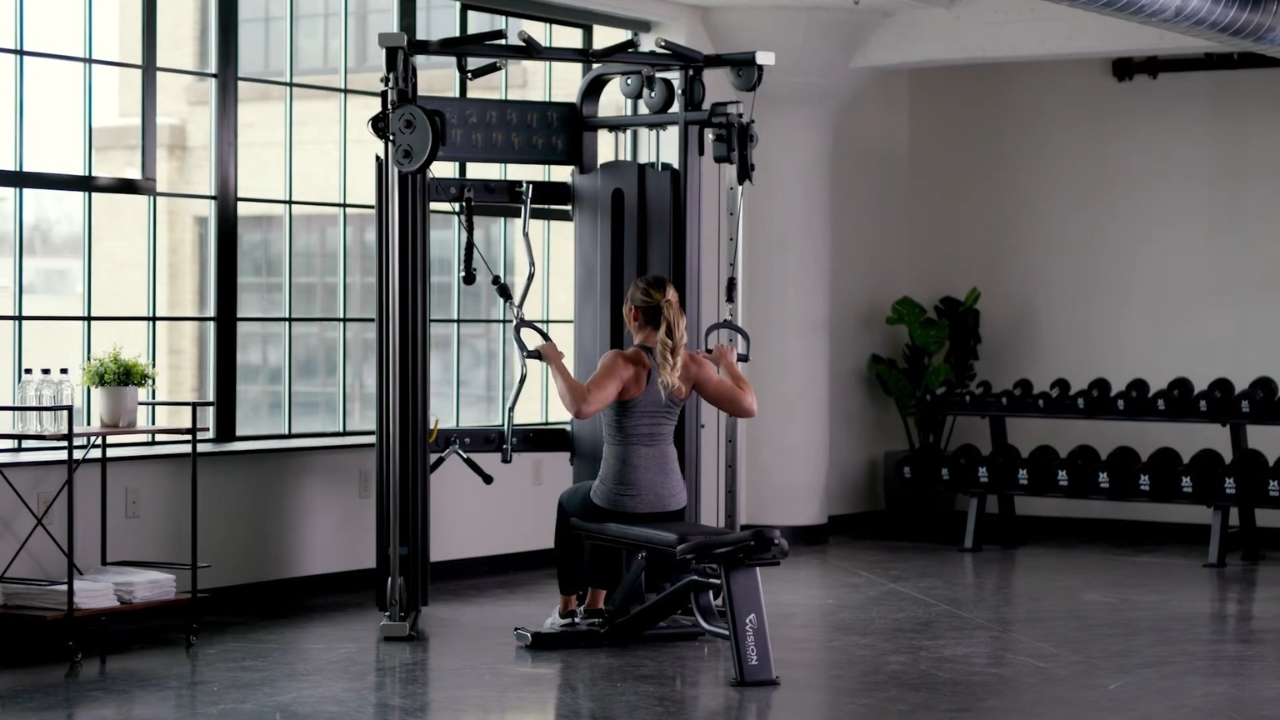
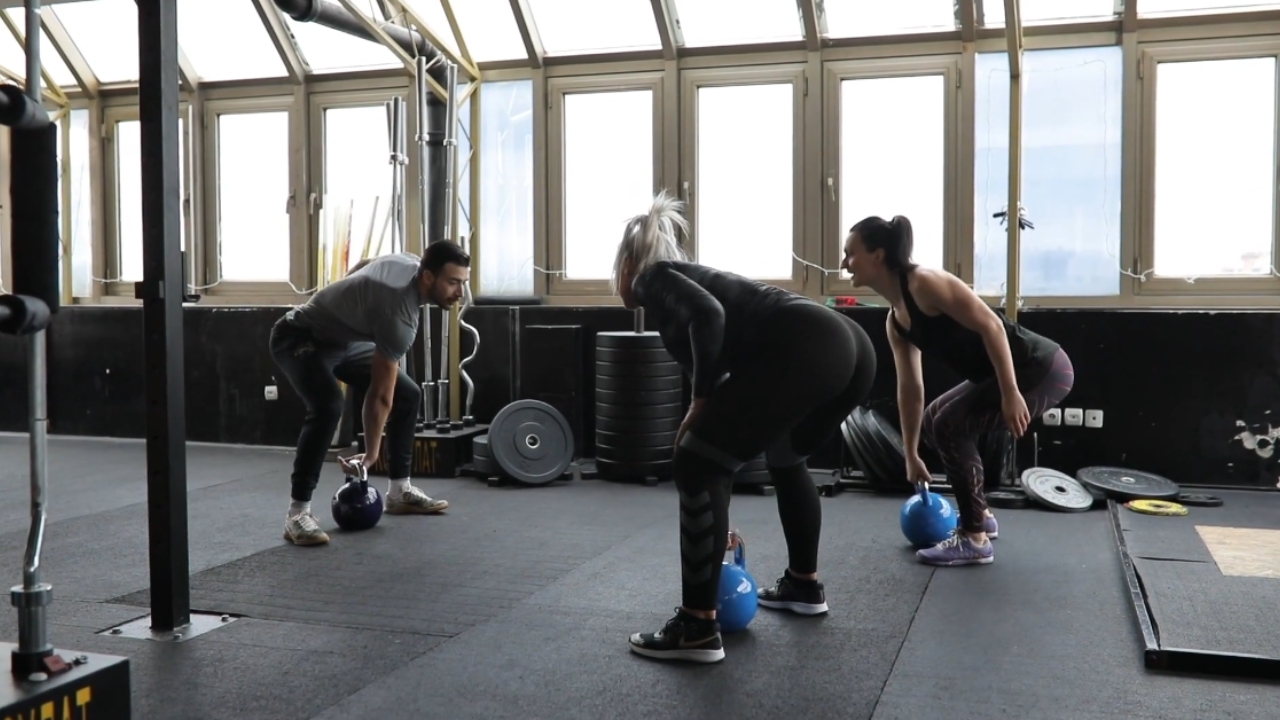
On a few days each week, I made the session slightly harder.
My goal was not to chase a perfect workout. My goal was to show up for myself before the day belonged to everyone else. Consistent movement also gave me a bigger reason to keep going. Regular exercise has been linked to up to a 30% lower risk of death in men and women, which made even small sessions feel worthwhile on low-motivation days. On my worst days, I stopped trying to make every workout impressive. I focused on movement that helped my nervous system settle. Even five minutes of aerobic exercise can help lower cortisol, one of the main hormones involved in elevated stress levels. That mattered to me because it made the starting point feel less intimidating. Small sessions still created a shift. My heart rate climbed, my breathing changed, and my body had a way to release some of the tension it had been carrying. Strength training helped in a different way. Lifting gave my attention somewhere to land when my thoughts felt scattered. Finishing a set gave me a clear sense of progress at a time when my workday often felt endless. When I could only manage one thing, I chose consistent aerobic movement. When I had more capacity, I added resistance work a few times each week. Together, they helped my stress physically, hormonally, and mentally. I eventually hit a wall. I was doing the workouts, checking the box, and still feeling overwhelmed. Exercise helped with the symptoms, but it did not fix the pressure that created them. I had to be honest about the other parts of my life that needed attention. A few habits became just as important as movement: I realized that workouts could support me, but they could not do every job. When work felt out of control, I sometimes tried to control fitness harder. I wanted better numbers, cleaner routines, and visible proof that I was handling things well. That mindset made me more anxious. Pressure around physical appearance can have serious psychological effects. Chasing an aesthetic ideal can shift healthy motivation into self-criticism, especially during an already stressful period. I had to change how I used movement. Exercise became a tool for regulation, not another performance review. Missed session? I let it go. Slower pace than usual? I counted it anyway. Shorter workout? Still useful. During hard months, the best workout is the one I can actually repeat without turning it into another reason to judge myself. Exercise, sleep, and nutrition carried me through a lot, but I also learned that stress can pass a point where more targeted support is necessary. Professional care can make a major difference. People who receive collaborative interventions are much more likely to get help quickly, with 75% receiving a diagnosis and beginning treatment within six months compared with 25% under standard care. I do not see asking for help as a failure of discipline. I see it as a sign that I am taking my health seriously. A rough month and a deeper mental health concern are not always the same thing. Exercise can be part of managing stress and anxiety, but it is not a replacement for professional support when that support is needed. Once work became easier, I did not want to lose the habits that helped me survive the worst stretch. I kept a simple baseline that could hold up even during demanding weeks. Small efforts counted more than I expected. A five-minute walk counted. Drinking water before checking my phone counted. One honest conversation with someone I trusted counted. Consistency mattered more than intensity. Every small action made the next one easier. Managing stress and anxiety through exercise has never been about perfection for me. Movement helped, but it worked best when I paired it with sleep, steady meals, recovery, and support. I started with what I had. I built slowly. I stopped treating every workout like a test. Showing up on my hardest days mattered more than any single session. That was the lesson that carried me through my most stressful month at work.
What Helped Most with Stress and Anxiety?
Recognizing Why Exercise Alone Isn’t Enough

Avoiding the Trap of Chasing Physical Results Under Pressure
Knowing When You Need More Than a Workout

Creating Habits That Last
Putting It All Together