
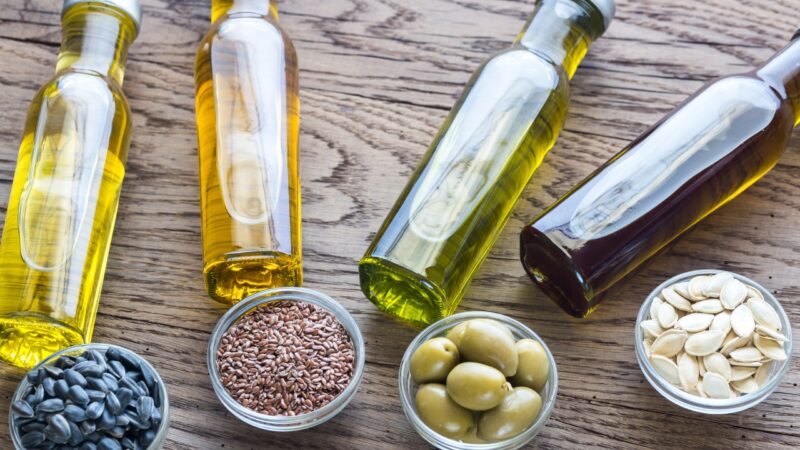
Not all vegetable oils offer equal health value.
Some oils support heart health because they contain more unsaturated fats, while others contain high amounts of saturated fat or trans fat that can work against healthy cholesterol levels.
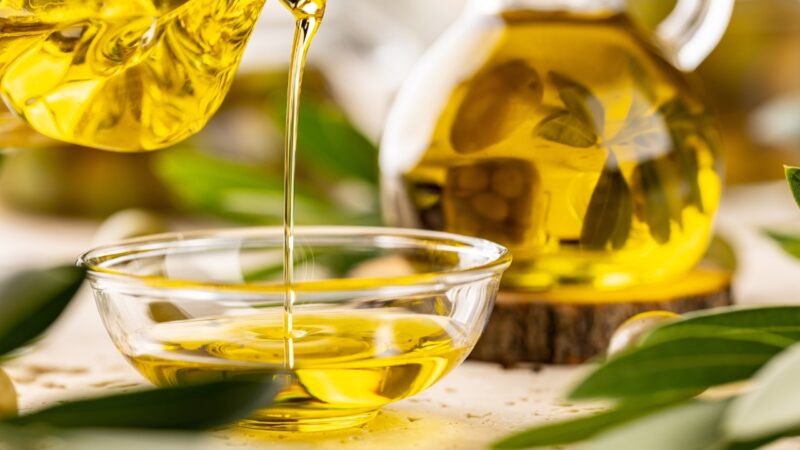
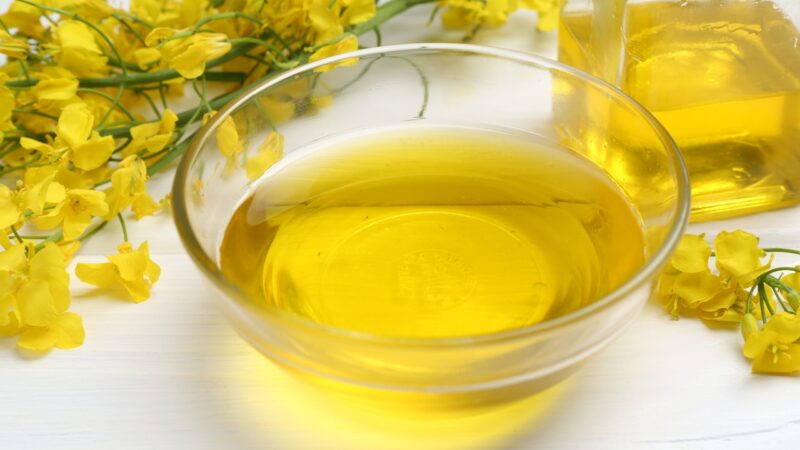
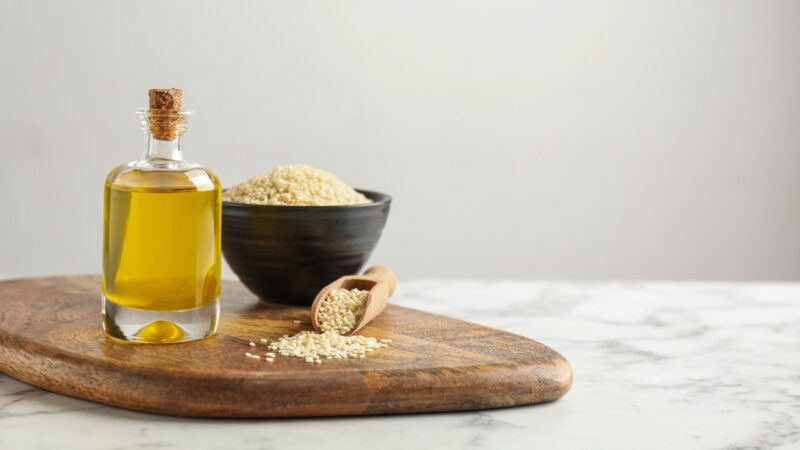
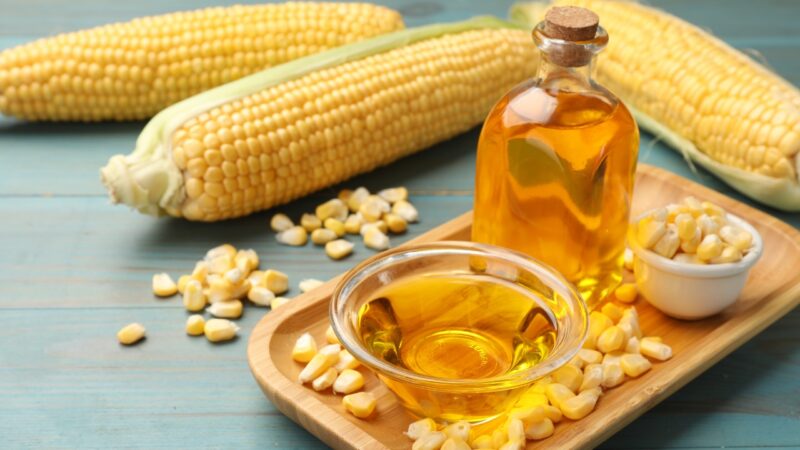
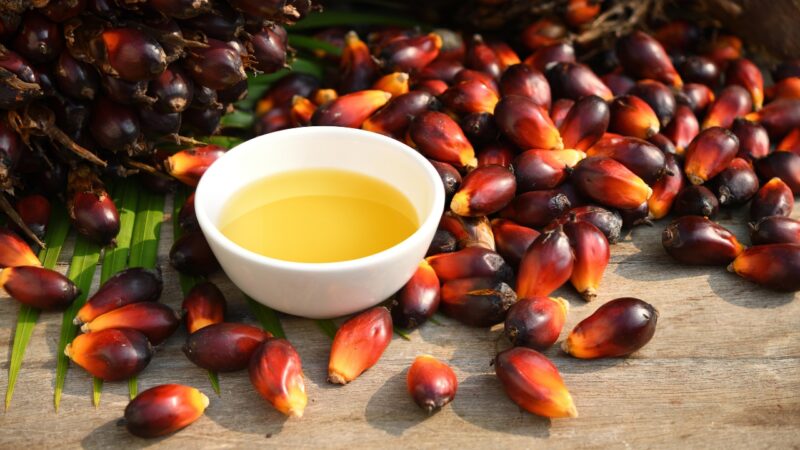
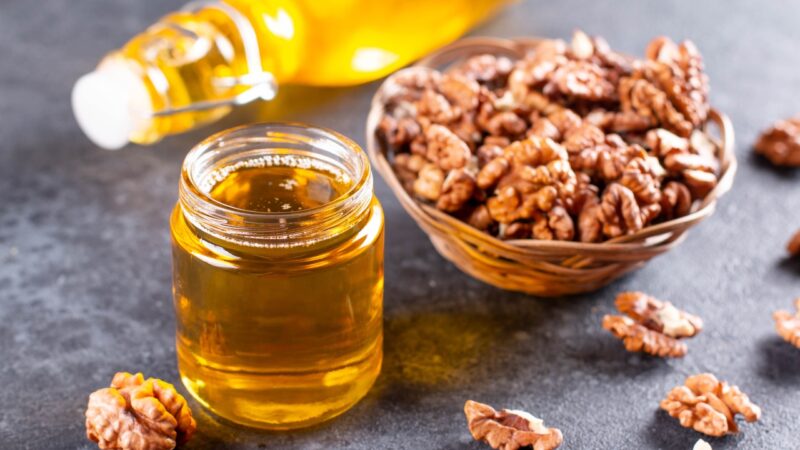
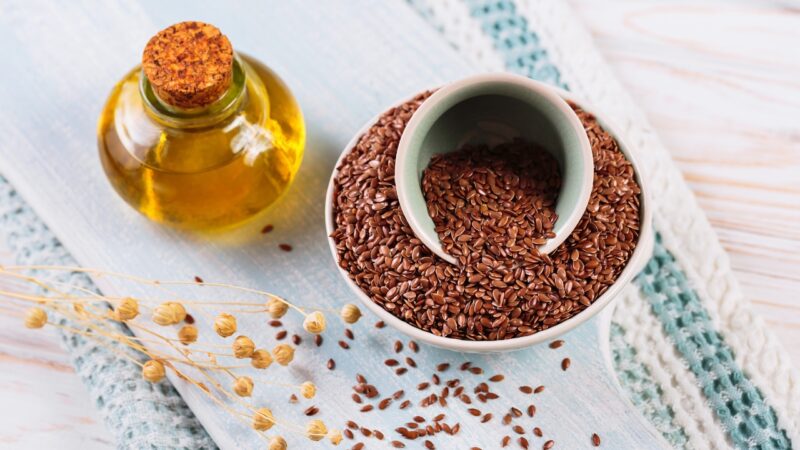
Budget also matters because some of the healthiest oils cost more than standard cooking oils. Best results come when oil is matched to the cooking method. Smoke point, fat profile, processing level, and taste all matter. Some vegetable oils are better suited for regular use because they contain more unsaturated fats, less saturated fat, and enough heat stability for common cooking methods. Oil choice should also account for taste, price, and how much heat the recipe needs. Healthier daily oils usually work in more than one setting. A good oil may support sautéing, roasting, baking, or dressings without adding too much saturated fat to the diet. Extra virgin olive oil is one of the best overall choices for daily cooking and finishing dishes. It is high in monounsaturated fats and contains antioxidants that add to its health value. Extra virgin olive oil is the least processed type of olive oil, so it keeps more nutritional benefits than heavily refined options. It also has a full flavor that works well in many meals. Several uses fit its smoke point range: Extra virgin olive oil is a strong everyday option because it works in both cooked and uncooked dishes. Smoke point is about 520°F. That high smoke point makes avocado oil a good option for frying, roasting, grilling, searing, and stir-frying. Avocado oil has a mild flavor, so it works in many recipes without overpowering other ingredients. It can be used for vegetables, meats, seafood, and high-temperature pan cooking. Medication use matters for some people. People taking warfarin should be cautious with avocado and avocado-based products because avocado may interfere with the medication’s effectiveness. Anyone taking warfarin should keep intake consistent and ask a healthcare professional about safe use. Canola oil is an affordable and heart-friendly oil. It is low in saturated fat and high in monounsaturated fats, which makes it a practical choice for everyday cooking. Smoke point is about 400°F. That makes canola oil suitable for baking, sautéing, grilling, frying, and oil-submerged frying. Canola oil has a neutral flavor, so it works well in recipes where a strong oil flavor is not wanted. It can be used in baked goods, stir-fries, marinades, and pan cooking. High-oleic sunflower oil is a better choice than regular sunflower oil because it is much higher in monounsaturated fat. It is also very low in saturated fat. One tablespoon contains about 1 gram of saturated fat. That makes it one of the lower-saturated-fat oils available for cooking. Its cooking value comes mainly through heat stability and neutral taste. High-oleic sunflower oil is a practical option when a recipe needs a light-tasting oil that can handle higher heat. Sesame oil is a good choice when flavor matters. It contains antioxidants, vitamin E, and phytosterols, which add nutritional value. Smoke point is about 410°F. That makes regular sesame oil useful for stir-fries, sautéing, sauces, and Asian-style dishes. Toasted sesame oil has a stronger flavor and works best as a finishing oil. It is better added at the end of cooking or used in dressings, sauces, marinades, and noodle dishes. Sesame oil should usually be used in smaller amounts because of its bold taste. A little can add a lot of flavor. Some oils are less ideal because they contain more saturated fat, are often highly processed, or commonly appear in packaged and fast foods. Others are harmful because they contain trans fats. Limiting these oils does not always mean every trace must be avoided. Main concern comes with repeated use, large portions, or frequent intake through processed foods. 🫒 #Vegetableoils contain a mix of fatty acids but are usually higher in unsaturated fatty acids than saturated ones (with few exceptions!). This makes them a better option for our #cardiovascularhealth, especially when used as part of a balanced & healthy diet. pic.twitter.com/iMqPxzZznD — European Food Information Council (EUFIC) (@EUFIC) March 29, 2022 Mixed vegetable oils can be hard to judge because the exact oil type and fat profile may not be clear. Labels may list a combination of oils, which makes quality harder to assess. Checking ingredient labels is important. Better choices are oils lower in saturated fat and higher in unsaturated fats. Mixed oils are not always harmful, but they are less predictable than single-oil products like olive oil, canola oil, or avocado oil. Corn oil is often highly processed and refined. It is commonly made through an extraction process that uses heat and chemicals. Corn oil is also high in omega-6 fatty acids compared with many other vegetable oils. Omega-6 fats are not automatically bad, but many diets already contain plenty of them, especially through packaged and fried foods. Corn oil is best limited, especially when healthier oils are available. Because soybean oil often appears in processed foods, intake can add up quickly. Limiting fast food and packaged snacks can help reduce soybean oil intake. Soybean oil does not need to be fully avoided, but it is best limited, especially when it comes through highly processed foods. Palm oil is high in saturated fat. It contains roughly 50% saturated fat and can raise LDL cholesterol. Palm oil is often found in packaged foods, baked goods, snacks, spreads, and processed items. Regular intake can increase saturated fat intake without much effort. Palm oil is not ideal as a daily cooking oil. Better choices include olive oil, canola oil, avocado oil, and high-oleic sunflower oil. Coconut oil is very high in saturated fat despite its healthy image. One data point puts coconut oil at over 83% saturated fat, while another puts it near 90%. Butter is about 64% saturated fat by comparison. Because coconut oil is so high in saturated fat, it is not ideal as a main cooking oil. It can raise LDL cholesterol when used often. Key comparison data shows why coconut oil should be limited: Coconut oil can be used occasionally for flavor in certain recipes, but it should not be a daily default oil. Partially hydrogenated oils are the worst option because they contain trans fats. Trans fats raise LDL cholesterol and lower HDL cholesterol, which makes them especially harmful for heart health. Ingredient labels matter. Foods that list “partially hydrogenated oils” should be avoided. Many food products have reduced or removed trans fats, but checking labels is still a smart habit. Some plant oils are common in personal care, but they should not be treated as cooking oils. Castor oil for hair is one example that fits hair and scalp care rather than meal preparation. Some oils offer useful nutrition or cooking performance, but they are not always ideal as the main daily oils. Reasons can include delicate fats, stronger flavor, higher cost, or fewer nutritional advantages compared with olive oil, avocado oil, canola oil, or high-oleic sunflower oil. Occasional-use oils can still have a place in a healthy kitchen. They often work best when matched to a specific purpose, such as cold dressings, finishing dishes, or high-temperature cooking used only once in a while. Walnut oil contains ALA, a plant-based omega-3 fat. That gives it nutritional value, especially for people who want more plant-based omega-3s. Heat can damage some of walnut oil’s nutrients, so it is best used cold. Good uses include salad dressings, drizzling over cooked vegetables, adding to grain bowls, or mixing into sauces after cooking. Walnut oil has a nutty flavor and is not ideal as an all-purpose cooking oil. Use it occasionally as a finishing oil rather than a main cooking oil. Flaxseed oil is another good cold-use oil. It works best in salad dressings, sauces, smoothies, and finishing dishes. High heat is not a good match for flaxseed oil. Cooking with it can damage its delicate fats and reduce its nutritional value. Flaxseed oil should be handled carefully because it can spoil faster than more stable oils. Rice bran oil can be useful and affordable for high-temperature cooking. It works for shallow frying, barbecuing, and oil-submerged frying when those cooking methods are needed. Rice bran oil is not usually seen as the top choice for everyday health, but it can be practical because it handles heat well. It has a mild flavor and can work in many cooked dishes. Use rice bran oil occasionally, especially when high heat is needed and more expensive oils are not practical. Safflower oil has a smoke point of about 510°F. That makes it useful for frying and sautéing. Nutritionally, safflower oil offers fewer benefits than oils like olive oil or avocado oil. It can still be useful in the kitchen, but it should not be the main oil used every day. A practical role for safflower oil is limited to high-heat cooking when neutral flavor matters more than added nutritional value. Oil choice should match the cooking method. Heat level, flavor, and fat profile all affect which oil makes the most sense. A healthy kitchen does not need many oils. A few smart options can cover most recipes, especially extra virgin olive oil, avocado oil, canola oil, and high-oleic sunflower oil. Olive oil and canola oil are two of the best everyday cooking oils. Olive oil works well for sautéing, roasting, sauces, and dressings. Canola oil works well when a neutral flavor and lower price are important. Both oils are low in saturated fat and useful in many recipes. Avocado oil, canola oil, high-oleic sunflower oil, safflower oil, rice bran oil, and refined light olive oil are better choices for high-heat cooking. Smoke point helps guide high-heat oil choices: High-heat methods include searing, roasting, grilling, stir-frying, and frying. Olive oil and sesame oil work well for medium-heat and low-heat cooking. Olive oil is useful for sautéing, baking, and roasting at moderate temperatures. Sesame oil works well for stir-fries, sauces, and dishes where its flavor fits. Avoid pushing oils past their smoke point. Smoke means oil has started to break down. Extra virgin olive oil, sesame oil, walnut oil, flaxseed oil, and avocado oil work well for dressings and finishing. Extra virgin olive oil is a top choice for salads and sauces. Toasted sesame oil adds bold flavor to Asian-style dishes. Walnut oil and flaxseed oil are best kept cold to protect their nutrients. Avocado oil can also work in dressings when a mild flavor is preferred. Oil-submerged frying is best limited when possible. It adds a lot of oil to food and can make healthy ingredients less healthy. When this cooking method is needed, better oil choices include canola oil, high-oleic sunflower oil, rice bran oil, or light olive oil. Oil should not be reused too many times because repeated heating can lower its quality. Choosing healthier vegetable oils comes down to fat quality, cooking temperature, and how often each oil is used. Some oils are better used only occasionally. Even healthier oils should be used in moderation. For adults eating a 2,000-calorie diet, a useful target is no more than 6 teaspoons, or 27 grams, of oil per day. Best results come by choosing mostly unsaturated oils, avoiding overheated oil, checking labels, and limiting highly processed foods.
Healthiest Oils to Use
Extra Virgin Olive Oil
Avocado Oil
Avocado oil is one of the best oils for high-heat cooking. It is high in monounsaturated fats and contains antioxidants, making it a strong choice for both nutrition and cooking performance.Canola Oil
High-Oleic Sunflower Oil
Sesame Oil
Oils to Limit or Avoid
Mixed Vegetable Oils
Corn Oil
Soybean Oil
Soybean oil is common in fast food and packaged foods. It is one of the most frequently consumed oils in the United States.
Palm Oil
Coconut Oil
Partially Hydrogenated Oils
Oils to Use Occasionally
Walnut Oil
Flaxseed Oil
Rice Bran Oil
Safflower Oil
Best Oils by Use
Everyday Cooking
High-Heat Cooking
Medium-Heat and Low-Heat Cooking
Dressings and Finishing
Oil-Submerged Frying
Closing Thoughts