

Getting older doesn’t mean slowing down — at least, not if you take care of your body. For adults over 50, staying active is one of the most important things you can do to maintain your independence, mobility, and overall health. But let’s be real: you don’t need some flashy, high-impact program or trendy gym class.
What you do need is a focused, consistent approach that fits your lifestyle and addresses the physical changes that naturally come with age.
The concrete truth is this: regular strength training, mobility work, and gentle cardio can improve your balance, boost energy, reduce joint pain, and protect you from falls — no matter when you start. You just need to know how to train smarter, not harder.
Prioritize Consistency Over Intensity

At this age, the goal isn’t to max out every session — it’s to keep showing up. Even moderate activity done regularly has big benefits. Aim for at least 150 minutes of moderate-intensity activity per week, which breaks down to just over 20 minutes per day.
| Activity Type | Weekly Target | Examples |
| Cardio | 3–5 sessions | Brisk walking, swimming, and cycling |
| Strength | 2–3 sessions | Bodyweight exercises, resistance band |
| Flexibility | Daily | Stretching, yoga, and light mobility work |
Build (and Protect) Muscle with Resistance Training
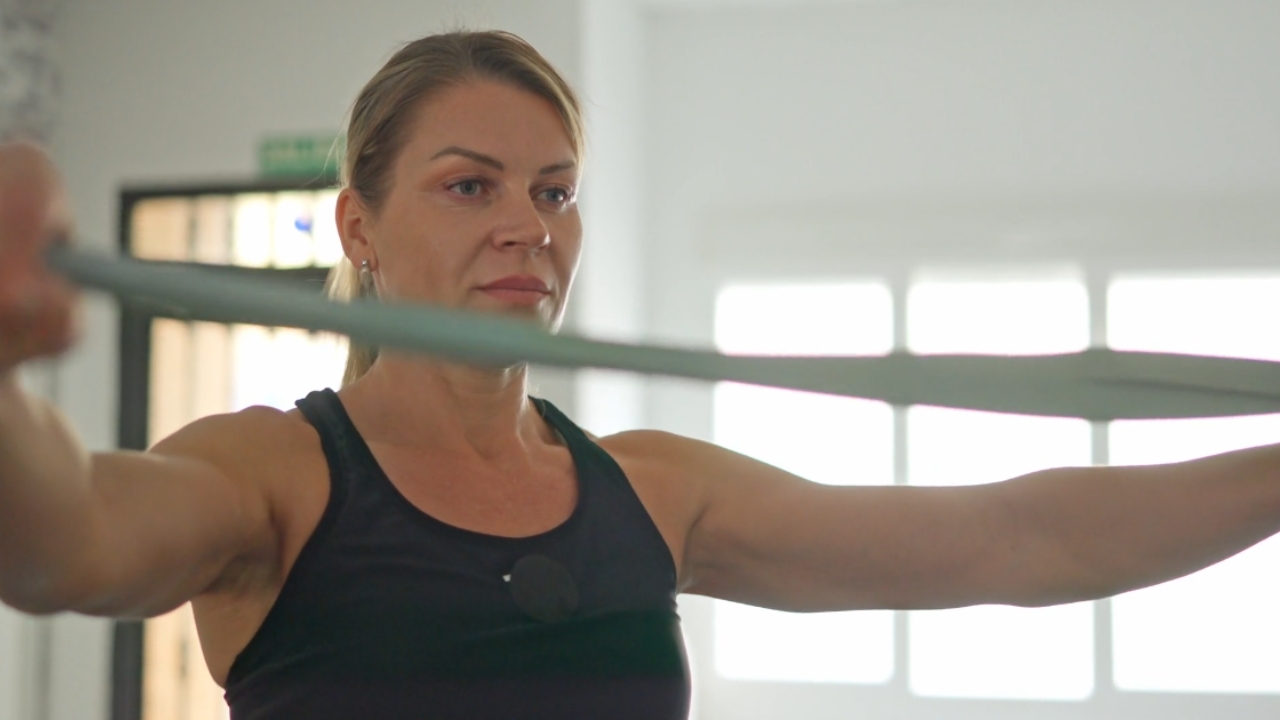
After 50, you start to lose muscle at a faster rate — a process called sarcopenia. The good news is that you can stop and even reverse it with strength training. You don’t need a barbell or a gym membership, either. Resistance bands, light dumbbells, and even your body weight are enough.
Here’s a basic weekly strength routine to get you started:
| Exercise | Focus Area | How to Do It |
| Squats (or chair squats) | Legs & glutes | Lower until thighs are parallel; 2–3 sets of 10 |
| Wall push-ups | Chest & arms | Keep your core tight; go slow and controlled |
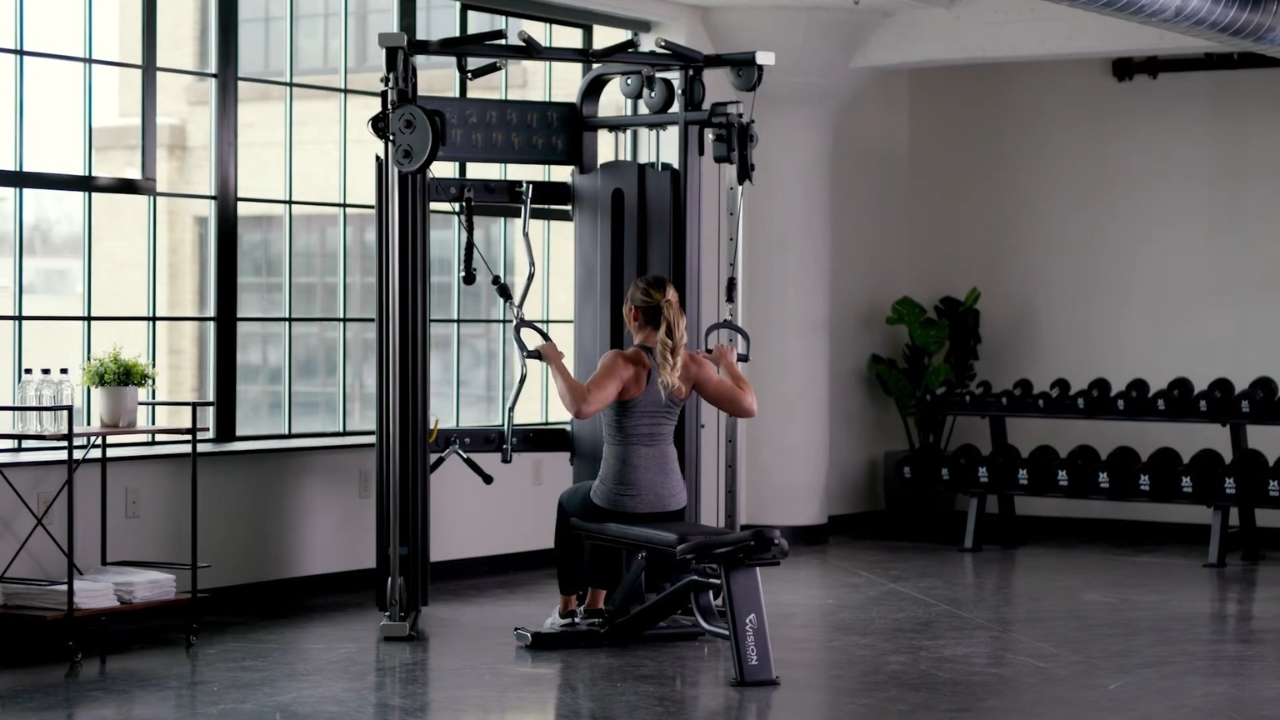
| Seated rows (bands) | Back & shoulders | Pull with good posture; 2–3 sets of 12 reps |
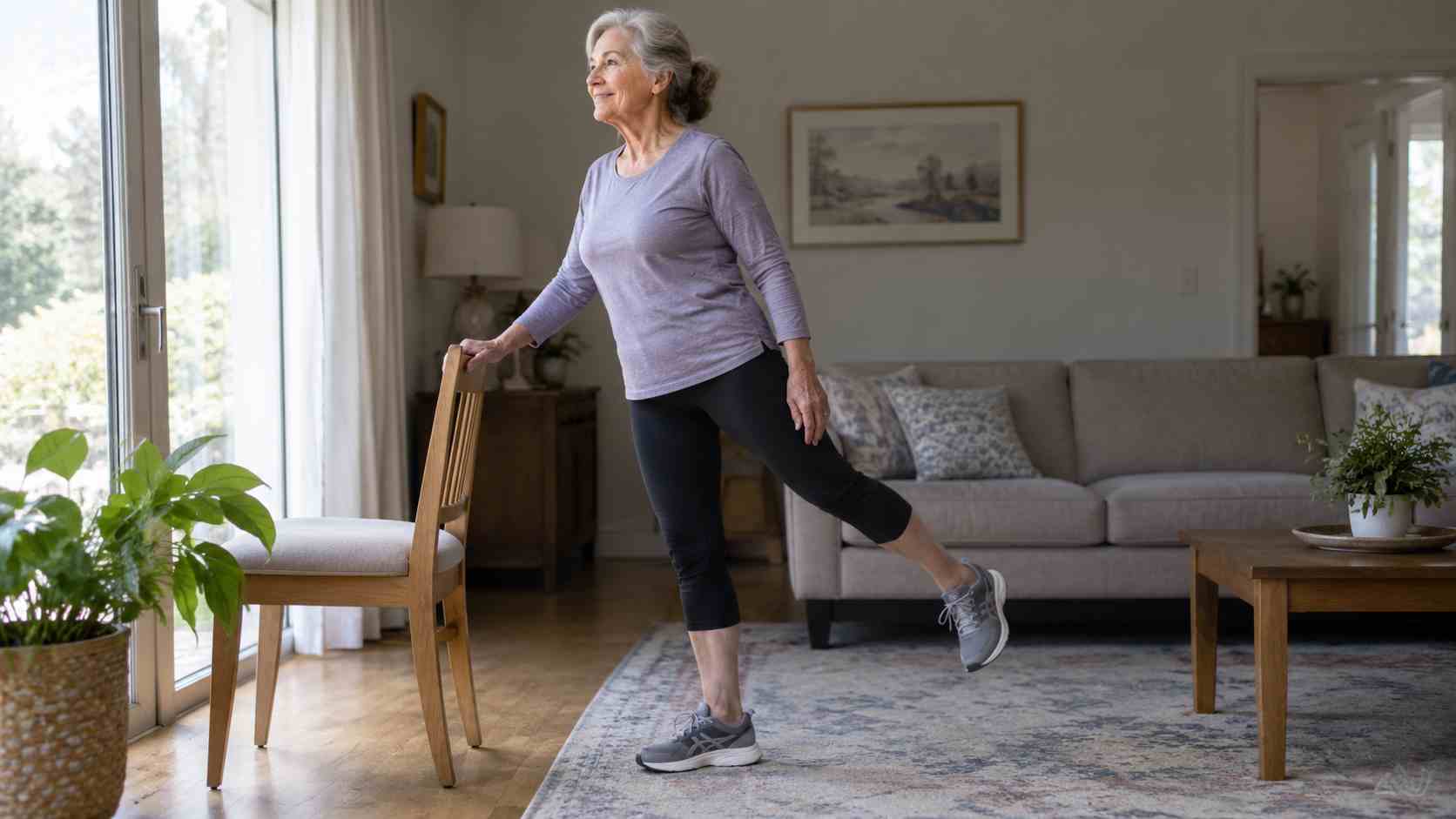
| Standing leg lifts | Balance & hips | Hold each lift 5–10 sec; repeat both sides |
| Bicep curls (light weights) | Arms | Keep elbows in place; don’t swing weights |
Start with two non-consecutive days per week. Focus on form, not weight. If your muscles are gently tired after a session, you’re doing it right.
Protect Your Joints with Low-Impact Cardio

Running marathons isn’t necessary. If your knees or hips have seen better days, it might do more harm than good. Instead, turn to low-impact cardio options that keep your heart healthy without punishing your joints.
Some great options include:
- Brisk walking outdoors or on a treadmill
- Water aerobics or lap swimming
- Stationary cycling or recumbent biking
- Elliptical training with handles for support
- Dance-based fitness (like Zumba Gold or line dancing)
Even just 30 minutes, 5 days a week, can help reduce the risk of heart disease, manage blood pressure, improve mood, and keep your metabolism working.
Focus on Balance and Core Strength
One of the biggest risks adults face after 50 is falling, and many falls lead to broken bones, hospital stays, or long recoveries. That’s why balance training and core stability are essential. This doesn’t mean doing sit-ups. It means training your whole midsection to keep you steady in everyday movements.
Try these simple but effective exercises:
- Standing on one foot (hold for 30 seconds, repeat on both sides)
- Heel-to-toe walk (like walking a straight line slowly)
- Bird-dog (from hands and knees, extend opposite arm and leg)
- Dead bugs (lie on your back and move opposite limbs in control)
Do balance work at least 3 times per week. Even 5 minutes a day can make a major difference in confidence and stability.
Stretch Every Day — Especially After Activity

Mobility is often what separates healthy aging from daily struggle. If your muscles and joints are stiff, it becomes harder to reach, twist, or bend — and it can discourage you from staying active at all. That’s why gentle stretching and mobility drills should be part of your daily routine.
Focus on:
- Hamstrings
- Calves
- Shoulders
- Hips
- Neck and spine mobility
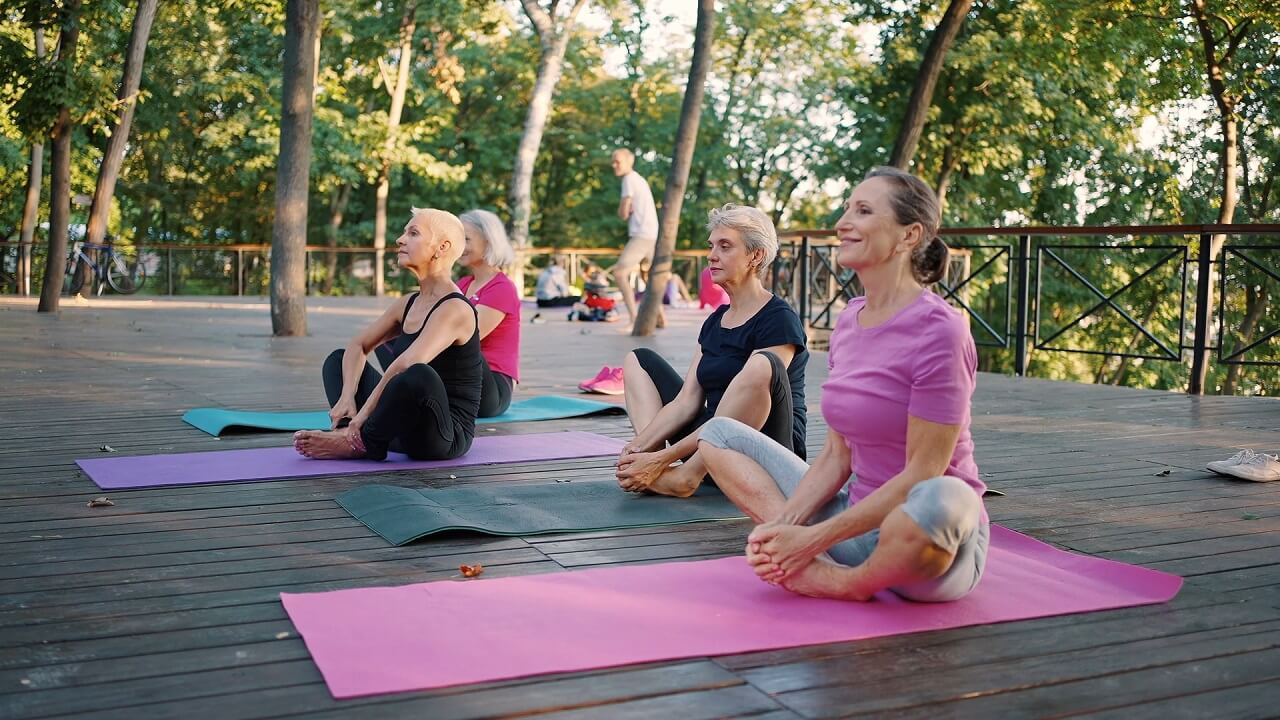
Stretch after workouts when muscles are warm. Hold each stretch for 20–30 seconds, breathing deeply. If you’re new to it, chair yoga or guided videos for older adults can be a great entry point.
Rest and Recovery Are Training, Too
View this post on Instagram
This isn’t just about exercise — it’s about how your body rebuilds. As we age, recovery takes a bit longer, and that’s completely normal. Getting 7–9 hours of quality sleep, staying hydrated, and fueling your body with real food make a huge difference in how you feel during and after workouts.
Signs you might need more rest:
- Constant soreness
- Poor sleep
- Increased joint pain
- Lack of motivation
Alternate heavier training days with lighter movement days (like walking or stretching). Your body will thank you for it.
Adapt Based on Your Lifestyle Goals

Not everyone wants to lift weights or hike mountains. Maybe you want to keep gardening without back pain. Or you want to walk your dog every morning without feeling winded. Or perhaps you just want to move with ease and keep your independence.
This is where training becomes personal. Start by identifying what you want to protect or improve in your life. Then build your routine around that.
This ties into a larger goal: how seniors can live independently. Exercise is a key part of that. It helps you stay mobile enough to get groceries, strong enough to carry laundry, and balanced enough to avoid a bad fall in the bathroom. Independence doesn’t come from luck — it comes from taking care of your strength and stability now, before problems arise.
If It Hurts, Adjust — Don’t Quit
Pain is not the goal. If a movement hurts — not “feels hard” but hurts — it’s a sign to back off and reassess. There’s no shame in modifying exercises, using support like a chair or wall, or doing fewer reps. Working through pain usually leads to injury, which puts you out of action altogether.
Tips for staying safe:
- Warm up with 5 minutes of light movement before each session
- Keep movements slow and controlled
- Focus on alignment and breathing
- Don’t compare your progress to younger people or past versions of yourself
This is your body, right now — work with it, not against it.
Bottom Line
Staying active over 50 isn’t about looking younger or keeping up with anyone else. It’s about feeling capable in your body and preserving the freedom to live life on your terms. Whether that’s playing with grandkids, climbing stairs without fear, or simply waking up without stiffness, movement is the tool that makes it all possible.
No matter where you’re starting from, it’s not too late. You don’t need a perfect body or perfect routine. You just need to move a little every day, with purpose and care. Your future self will thank you.
If you’re ready to stay active, start small, stay consistent, and focus on what matters most: staying strong enough to keep living the life you choose.