
Most fitness goals depend on systems working together. Muscles need oxygen, glucose, amino acids, minerals, hormones, and recovery time. The heart and blood vessels need to support higher output.
The liver and kidneys help process nutrients, waste, and hydration shifts. A person can train hard and still feel stuck when one part of that system is strained.
A standard blood panel can reveal patterns long before someone feels “sick.” Complete blood count results may point toward anemia, infection signals, or platelet issues.
Comprehensive metabolic panels measure substances linked with metabolism, fluid balance, kidney function, and liver function. For fitness, those areas matter because they affect training tolerance, recovery, and whether a plan is safe to push harder.
Biomarker screening works best as a baseline plus follow-up. One lab result is a snapshot. A trend across 8 to 16 weeks gives better context. For example, an endurance runner increasing mileage may want to track ferritin, hemoglobin, vitamin D, and thyroid markers if fatigue rises.
Someone cutting weight aggressively may watch glucose, lipids, kidney markers, liver enzymes, and electrolytes.
Key Bloodwork Markers For Fitness Goals
Fitness Question
Useful Biomarkers
What They May Suggest
Why do workouts feel harder than expected?
CBC, ferritin, TSH, vitamin D
Anemia risk, low iron stores, thyroid imbalance, low vitamin D
Is fat loss improving metabolic health?
A1C, fasting glucose, triglycerides, HDL, LDL
Blood sugar control and cardiovascular risk patterns
Is training volume too high?
CK, CRP, CBC, liver enzymes
Muscle damage, inflammation, infection, recovery strain
Am I eating enough to support performance?
CMP, ferritin, vitamin D, lipids
Nutrient status, hydration clues, metabolic adaptation
Is strength training safe to progress?
CBC, CMP, lipids, glucose markers
General readiness and medical risk context
Blood Sugar Markers: Energy, Fat Loss, And Cravings

Blood sugar control affects energy, appetite, and training output. Hemoglobin A1C reflects average blood glucose over roughly 2 to 3 months. For people working on fat loss or metabolic health, A1C can show whether nutrition, training, sleep, and weight changes are moving in a healthier direction.
For someone trying to improve metabolic health with more than a generic diet plan, Unify Care offers metabolic health assessment and nutrition counseling within a physician-guided care setting.
MedlinePlus explains that A1C estimates average blood glucose over the past 2 to 3 months, while the American Diabetes Association lists 5.7% to below 6.5% as the prediabetes range and 6.5% or higher as the diabetes range.
Fasting glucose gives a shorter-term view. A person may have normal fasting glucose but a rising A1C, or the reverse, depending on meals, sleep, stress, medications, and training timing. For fitness planning, the pattern matters more than one number.
Lipids: Heart Health Behind The Fitness Goal
Many people start training to look leaner, but cardiovascular markers deserve equal attention. A standard cholesterol test commonly reports total cholesterol, LDL, HDL, and triglycerides. The American Heart Association notes that LDL contributes to plaque buildup risk, while HDL helps carry cholesterol away from arteries.
For fitness goals, lipids can reveal whether a “healthy-looking” plan is actually supporting long-term health. A very low-fiber, high-saturated-fat bulking diet may increase LDL in some people.
Heavy alcohol intake can raise triglycerides. Weight loss often improves triglycerides, but crash dieting can create other problems.
Advanced markers such as apoB may be useful for some people because they provide more detail about atherogenic particle burden. The AHA notes that advanced lipid testing can measure apoB and cholesterol particles, with a clinician deciding whether that deeper testing is appropriate.
CBC And Iron: Oxygen Delivery And Stamina
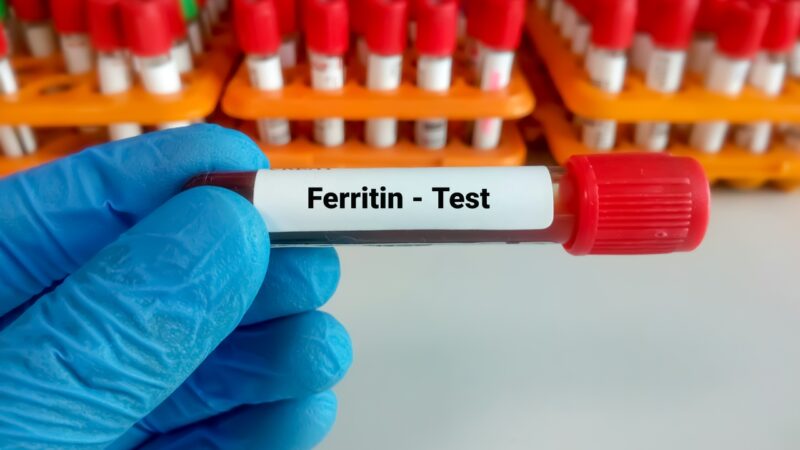
A complete blood count measures red blood cells, white blood cells, platelets, hemoglobin, hematocrit, and related values. Red blood cells and hemoglobin matter for endurance because they help carry oxygen. Low hemoglobin may suggest anemia, while abnormal white blood cell counts may point toward infection or immune-related issues.
Ferritin, an iron-storage marker, adds useful context. A person can have normal hemoglobin but low iron stores, especially in menstruating women, endurance athletes, people eating little red meat, and those with restrictive diets.
NIH’s iron fact sheet highlights iron’s role in oxygen transport and notes that inadequate iron can become a health concern in several groups.
For runners, cyclists, and high-volume gym athletes, low ferritin can feel like flat legs, breathlessness at familiar paces, or unusually slow recovery. Supplementing iron without medical guidance can be risky, though. Excess iron can cause harm, so testing and professional interpretation matter.
Vitamin D: Bones, Muscle Function, And Recovery Context
View this post on Instagram
Vitamin D is often discussed too casually in fitness circles. Blood testing looks at serum 25-hydroxyvitamin D, the main marker used to assess vitamin D status.
NIH states that 25(OH)D levels of 50 nmol/L, or 20 ng/mL, and above are considered sufficient for most people, while deficiency risk rises below 30 nmol/L, or 12 ng/mL.
For fitness, vitamin D matters because bone strength, muscle function, and injury risk all sit in the background of training. Low levels do not automatically explain every ache or plateau, but they can be relevant for people with limited sun exposure, darker skin, indoor jobs, winter training blocks, or diets low in vitamin D-rich foods.
Thyroid Markers: Metabolism, Fatigue, And Body Weight
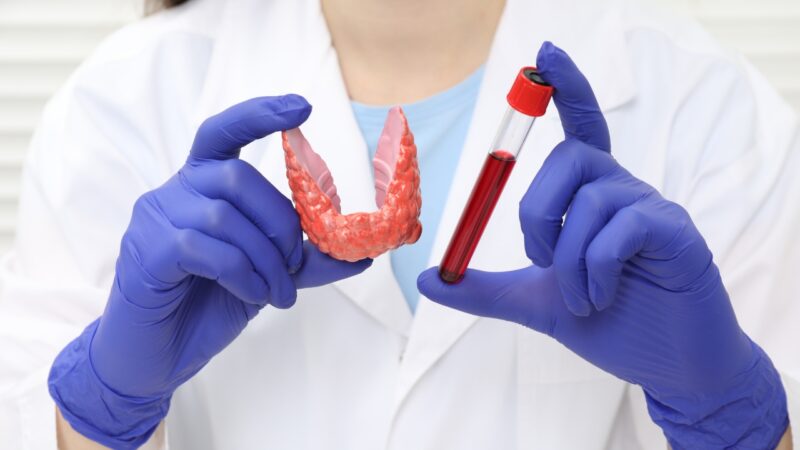
Thyroid hormones influence metabolism, energy, heart rate, temperature tolerance, and many other body functions. A TSH test is often used as a first-line screen for thyroid function. MedlinePlus lists fatigue, weight gain, cold sensitivity, joint and muscle pain, dry skin, thinning hair, and menstrual changes among possible reasons for testing.
For fitness goals, thyroid issues can mimic poor discipline. A person may train consistently, eat carefully, and still feel exhausted or unable to recover. Another person may experience unexplained weight loss, elevated heart rate, heat intolerance, or anxiety-like symptoms.
Lab interpretation belongs with a medical professional because thyroid values depend on symptoms, medications, pregnancy status, autoimmune history, and related hormone tests such as free T4. Fitness advice should never override clinical evaluation here.
CMP: Liver, Kidneys, Electrolytes, And Hydration Clues
A comprehensive metabolic panel measures 14 substances, including glucose, calcium, electrolytes, proteins, liver enzymes, bilirubin, blood urea nitrogen, and creatinine. MedlinePlus describes the CMP as a routine test that gives information about metabolism and chemical balance.
For active people, CMP results can provide a useful safety context. Creatinine may shift with muscle mass, supplements, hydration, and kidney function. Liver enzymes can rise for several reasons, including medications, alcohol, illness, and hard training.
Electrolyte patterns may matter when someone sweats heavily, uses diuretics, follows extreme diets, or trains in hot weather.
A single abnormal CMP result does not automatically mean training caused a problem. Timing matters. A hard leg session before bloodwork can affect some markers. Alcohol, dehydration, illness, and supplements can also distort results.
Inflammation And Muscle Damage: CRP And CK
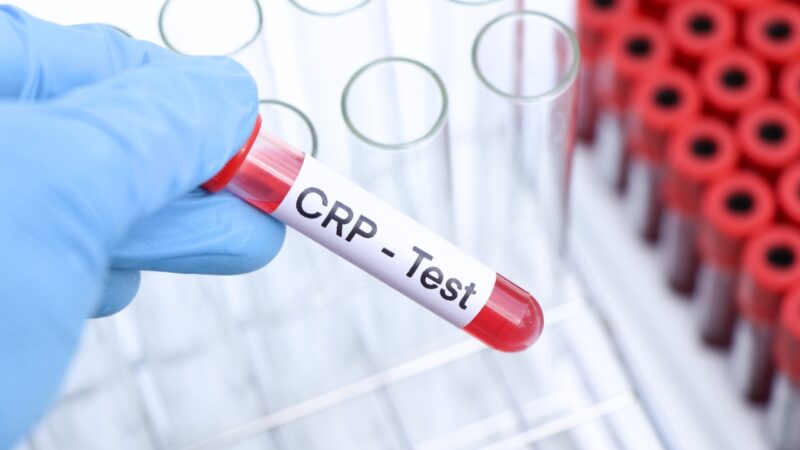
C-reactive protein, or CRP, is a marker of inflammation. MedlinePlus states that CRP rises when inflammation is present and can reflect infection, injury, or chronic disease. In fitness settings, CRP may be useful when fatigue, soreness, or poor recovery feels disproportionate, although it cannot identify the exact cause by itself.
Creatine kinase, or CK, rises when muscle tissue is damaged. MedlinePlus notes that small amounts of CK normally enter the blood through ordinary muscle wear, while larger amounts may appear when skeletal muscle, heart, or brain tissue is damaged. Hard resistance training, new eccentric exercises, long races, and muscle injury can all raise CK.
CK is easy to misread. A high value after a brutal workout may reflect training stress, while a very high value with dark urine, swelling, weakness, or severe pain needs urgent medical attention. Context changes everything.
How To Use Bloodwork Without Overreacting
Testing every marker every month is rarely needed. A more useful rhythm might involve baseline labs before a major program, a follow-up after 8 to 16 weeks, and additional testing when symptoms appear, or a clinician recommends it. Preparation also matters. Ask whether fasting is required. Avoid unusually hard training 24 to 48 hours before testing unless the goal is to measure post-exercise response. Keep hydration, sleep, alcohol intake, medications, and supplement use consistent or clearly documented. For healthy beginners, basic lifestyle habits still come first. Regular training, enough protein, sleep, hydration, and gradual progression matter more than chasing a perfect lab sheet. Bloodwork sharpens the plan after the basics are in motion. Biomarker screening can reveal hidden barriers behind stalled progress, low energy, poor recovery, and metabolic risk. The most useful markers are often ordinary ones: CBC, CMP, A1C, lipids, ferritin, vitamin D, TSH, CRP, and CK. The goal is not to medicalize every workout. The goal is to train with better information, catch problems earlier, and align fitness goals with long-term health.
Who Should Consider Screening Before A Serious Fitness Push?
Final Thoughts