
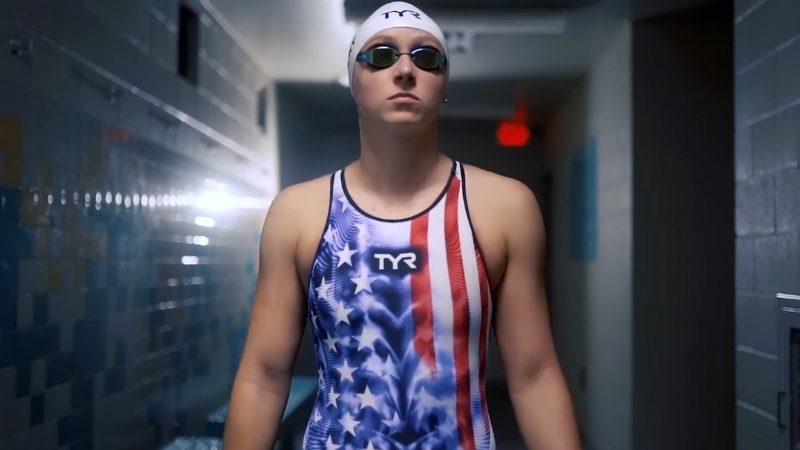
The Olympic Games revolve around a relatively small group of sports that reliably pull huge crowds, fill venues, and attract beginners because entry points exist in almost every city.
Paris 2024 reached a record share of the global audience, with the International Olympic Committee reporting that about 5 billion people followed the Games worldwide. Coverage patterns again showed heavy attention around athletics, swimming, and gymnastics.
Popularity in Olympic terms rarely comes from hype alone. A mix of broadcast gravity, global federation reach, and real ticket demand keeps certain sports at the center of the program year after year.
Paris 2024 alone recorded more than 1 million tickets sold for athletics events, which underlines how strongly certain disciplines anchor the whole festival of sport.
Today, we are going to discuss 11 of the most popular Olympic sports, paired with practical, beginner-friendly ways to start training without wrecking joints, burning out motivation, or spending months chasing the wrong basics.
What “Popular” Means In This Guide
Popularity here rests on three pillars.
Audience Gravity
Sports that consistently pull massive Olympic attention. Paris 2024 broadcasts again highlighted gymnastics, swimming, and track and field as top viewership drivers.
On-The-Ground Reach
Sports are supported by very large global federation networks, which translate into local clubs and competitions. Examples include:
- World Athletics with 214 member federations
- FIBA with 212 national federations
- ITF with 213 national associations
- UCI with 206 national federations
Real-World Event Demand
Ticket sales show what people are willing to travel and pay to watch. Paris 2024 passed the 1 million ticket mark for athletics alone.
6 Rules That Keep Beginners Progressing
Before choosing a discipline, a short set of training rules can prevent wasted weeks, reduce injury risk, and keep early progress steady.
1. Start With The Global Health Baseline
General fitness provides the foundation for skill work. Anchor your week to 150 to 300 minutes of moderate-intensity activity, or the vigorous equivalent, along with regular strength sessions.
2. Learn Skill First, Then Volume
Early gains come from mechanics. Footwork, breathing, timing, balance, and basic strength positions should dominate the first 4 to 6 weeks.
3. Get Coached Early Where Risk Is Higher
Sports involving speed, impact, water, heights, or throws benefit from supervision at the start. Gymnastics, combat sports, rowing on open water, cycling in traffic, and swimming for weak swimmers all fall here.
Rowing safety guidance highlights instruction and watermanship, including capsize preparation in suitable environments.
4. Make Training Repeatable
A plan you can repeat beats a heroic week followed by soreness and skipped sessions.
5. Use National Governing Bodies And Clubs
Olympic development systems and national federations often maintain directories that point beginners to legitimate programs.
6. Safety Is Mandatory In Water Sports
The Red Cross promotes “layers of protection,” close supervision for inexperienced swimmers, and real water competency rather than reliance on inflatable aids.
Quick Comparison Table
| Sport | Why It Stays Big In The Olympics | Best Beginner Entry Point | Minimum Gear To Start | First Skill Priority |
| Athletics | Massive reach and record ticket demand | Local running or track club | Running shoes | Easy aerobic base and sprint mechanics |
| Swimming | Constant finals and safety relevance | Learn-to-swim or masters class | Goggles, suit | Breathing and body position |
| Gymnastics | Event drama and star appeal | Adult beginner gym class | None initially | Safe landings and shapes |
| Football | Global culture and easy access | Small-sided rec league | Cleats, shin guards | First touch and scanning |
| Basketball | Global federation support | Pickup plus fundamentals class | Court shoes | Footwork and ball handling |
| Volleyball | Enormous federation reach | Beginner clinic | Shoes, optional knee pads | Passing and setting shape |
| Tennis | Lifelong sport structure | Starter programs with slower balls | Racquet | Serve, rally, score basics |
| Cycling | Huge participation base | Skills clinic plus group rides | Helmet, lights | Braking and cornering |
| Judo | Deep club culture | Dojo beginner course | Gi optional | Breakfalls |
| Rowing | Strong club pipelines | Learn-to-row course | None initially | Stroke sequence and safety routines |
1. Athletics (Track And Field)
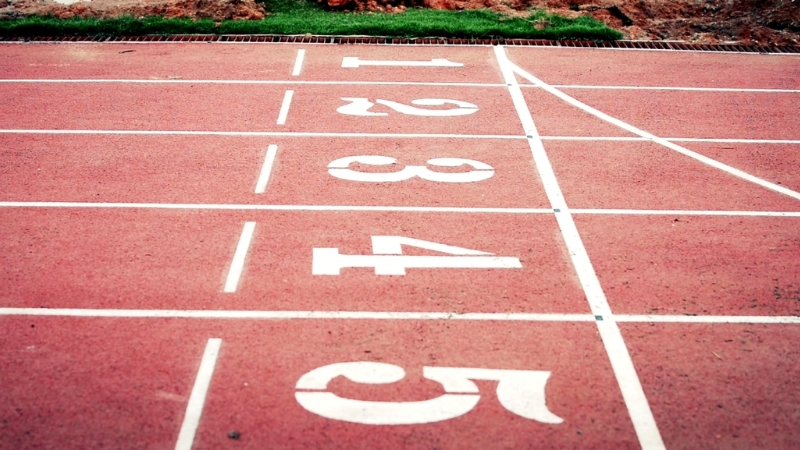
Athletics sits at the heart of the Summer Games. Paris 2024 underlined its scale, with more than 1 million tickets sold for athletics events alone.
World Athletics spans 214 member federations, which mirrors how widely clubs and meets operate around the world.
How To Start Training The Right Way
Pick one lane for 8 to 12 weeks:
- 5K to 10K running base
- Sprint development from 10m to 60m
- Jumps or throws, only with coaching access
Sample Beginner Week
- Day 1: 25 to 40 minutes easy running or brisk run-walk plus 4 relaxed strides
- Day 2: Strength basics such as squat pattern, hinge, calf raises, rows
- Day 3: Technique drills, short hill sprints, or controlled track strides
2. Swimming
View this post on Instagram
Swimming holds its place because it delivers frequent finals, star athletes, and practical life value.
The Red Cross defines water competency through swimming skill, water awareness, and the ability to assist others, while also stressing close supervision for weak swimmers.
How To Start Training The Right Way
Start with instructions if continuous lap swimming feels uncomfortable.
Early Priorities
- Floating and body position
- Exhaling underwater
- Simple freestyle timing
Starter Set
- 6 to 10 × 25m easy swims with rest
- 4 × 25m kick or drill work
- 4 × 25m relaxed freestyle
3. Gymnastics
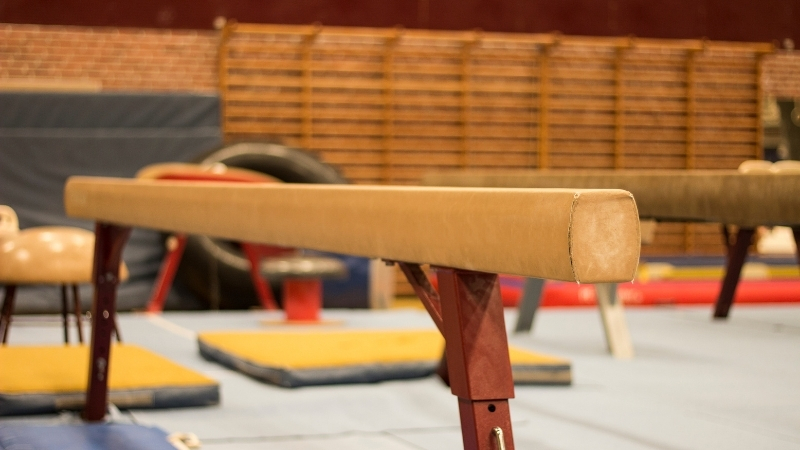
Gymnastics remains one of the signature Olympic sports because routines create instant drama. It also ranks among the most injury-sensitive disciplines if practiced without guidance.
How To Start Training The Right Way
Join an adult beginner class at a fully equipped gym.
First 4 Weeks Focus
- Hollow, arch, tuck, and straight shapes
- Landing mechanics and knee tracking
- Shoulder and wrist preparation
4. Archery
Archery holds a steady place in the Olympic program because it blends visual drama, national-team rivalries, and a deep global club culture.
World Archery supports more than 160 national member associations, which is why structured beginner courses are widely available in most regions. The sport also attracts a broad age range since competitive classes and recreational leagues often share the same facilities.
Archery rewards patience and repeatable mechanics. Early sessions shape posture, breathing, and shot rhythm. Raw strength matters far less than alignment and consistency.
Before advancing to club targets and longer distances, it helps to practice archery with structured beginner instruction designed to build confidence and consistency.
How To Start Training The Right Way
Begin inside a certified range or club. Proper backstop systems, lane spacing, and supervised shooting lines keep learning sessions controlled and predictable.
Beginner Priorities
- Stance and body alignment
- Hook, draw, anchor, and follow-through
- Relaxed bow hand and steady release
Starter Week
- 2 range sessions focused on blank-bale shooting and short-distance groups
- 1 light strength and mobility session for shoulders, upper back, and forearms
5. Football (Soccer)
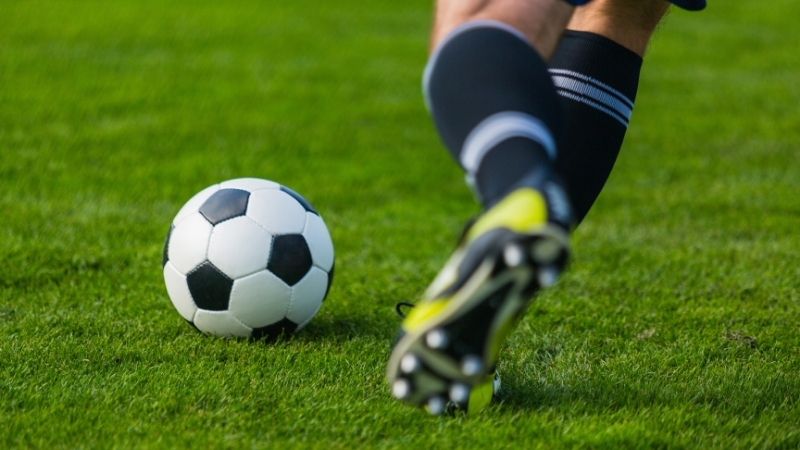
Football stays culturally massive and accessible. Grassroots coaching resources emphasize inclusive, player-centred development that builds skill through play.
How To Start Training The Right Way
Small-sided formats from 3v3 to 7v7 accelerate development.
Beginner Priorities
- First touch
- Scanning before receiving
- Simple ground passing
Starter Week
- One skill session
- One small-sided match
- One conditioning day
6. Basketball
🏀 International Basketball Federation ranking:
1. USA 🇺🇸
2. Serbia 🇷🇸
3. Germany 🇩🇪
4. France 🇫🇷
5. Spain 🇪🇸
6. Canada 🇨🇦
7. Australia 🇦🇺
8. Argentina 🇦🇷
9. Latvia 🇱🇻
10. Lithuania 🇱🇹
~
11. Slovenia 🇸🇮
12. Brazil 🇧🇷
13. Greece 🇬🇷
14. Italy 🇮🇹
17. Poland 🇵🇱
19. Czechia…— World of Statistics (@stats_feed) July 28, 2025
Basketball ranks among the most globally organized sports, with FIBA supporting 212 national federations. Outdoor courts and local leagues make entry easy.
How To Start Training The Right Way
Three-Part Session
- Ball handling drills
- Footwork such as pivots and layup steps
- Shooting form from close range
7. Volleyball
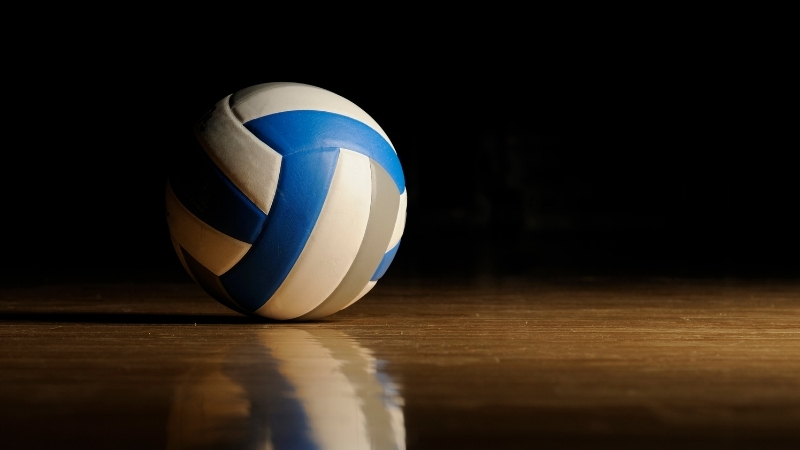
Volleyball benefits from enormous global spread. Coaching manuals reference 221 affiliated national federations.
How To Start Training The Right Way
Hundreds of quality ball contacts matter more than match scores.
Beginner Priorities
- Passing platform
- Setting shape
- Basic serve consistency
Starter Week
- One coached clinic
- One pepper and serve practice
- One casual match
8. Tennis
@notyourcountryclubSuper cool to meet Robert Raguz from the ITF Grand Slam Player Development Program. Never knew until this winter that they had touring teams that travel with their juniors across the globe. Basically a traveling academy. Makes it more fun for the juniors to be able to travel with their peers.♬ Inspirational piano and strings, post-classical 10(1373065) – arachang
Tennis supports lifelong participation and structured beginner formats. The ITF works with 213 national associations and promotes slower balls so beginners can rally and score early.
How To Start Training The Right Way
First Month Focus
- Modified balls and court sizes
- Serve, rally, and score progression
- Split step and recovery movement
Starter Week
- One group lesson
- One rally-focused practice
- One short match or tiebreak set
9. Cycling (Road Or Track)
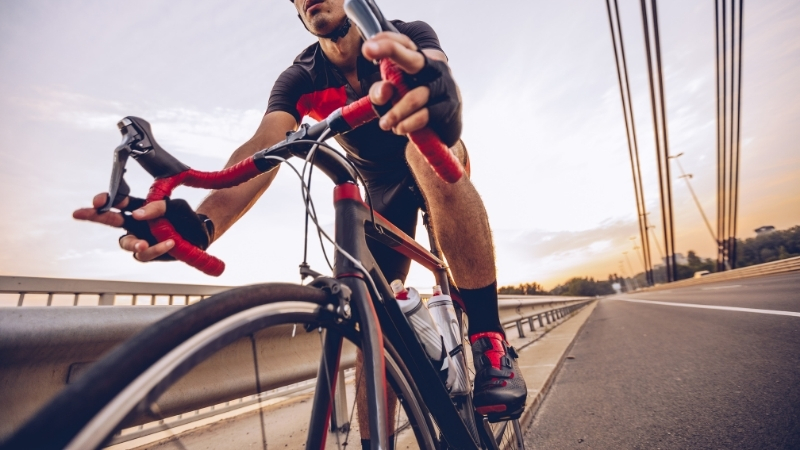
Cycling participation spans the globe, supported by the UCI’s 206 national federations. Safety and handling matter before pushing speed.
How To Start Training The Right Way
Skills-First Block
- Emergency braking
- Cornering lines
- Group riding etiquette
Starter Week
- Easy skills ride
- Cadence practice ride
- One strength session
10. Judo
View this post on Instagram
Judo’s clear structure and dojo culture maintain steady popularity. Values and etiquette accompany technical training.
How To Start Training The Right Way
Beginner Priorities
- Breakfalls
- Posture and grips
- Balance disruption basics
Starter Week
- Two dojo classes
- One mobility and strength day
11. Rowing
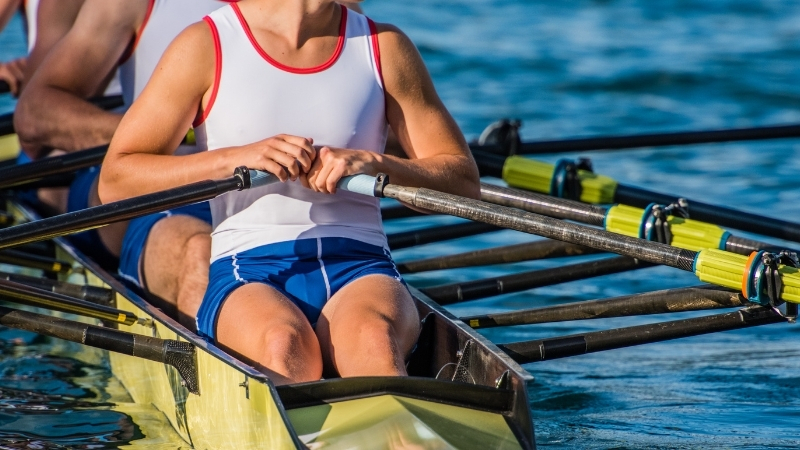
Rowing clubs offer structured beginner intakes. Safety guidance highlights instruction, watermanship, and adherence to local codes.
How To Start Training The Right Way
Beginner Priorities
- Stroke sequence
- Rhythm
- Safety routines
Starter Week
- Two erg sessions
- One coached water session or clinic
- One strength workout
A Simple 6-Week Starter Template
- Two skill sessions weekly
- One conditioning session aligned with public-health activity targets
- One strength session
- One optional low-intensity recovery day
Track sleep, soreness, and attendance. Rising missed sessions signal the need to reduce intensity first.
Closing Notes
Olympic popularity follows participation, club networks, and real spectator demand. Athletics, swimming, gymnastics, and their peers sit at the center of that system for good reasons.
Entry paths exist in most cities, beginner programs follow established safety standards, and development structures guide progress from the first lesson onward.
Pick a discipline that fits your lifestyle and access, apply repeatable training habits, and steady progress follows.