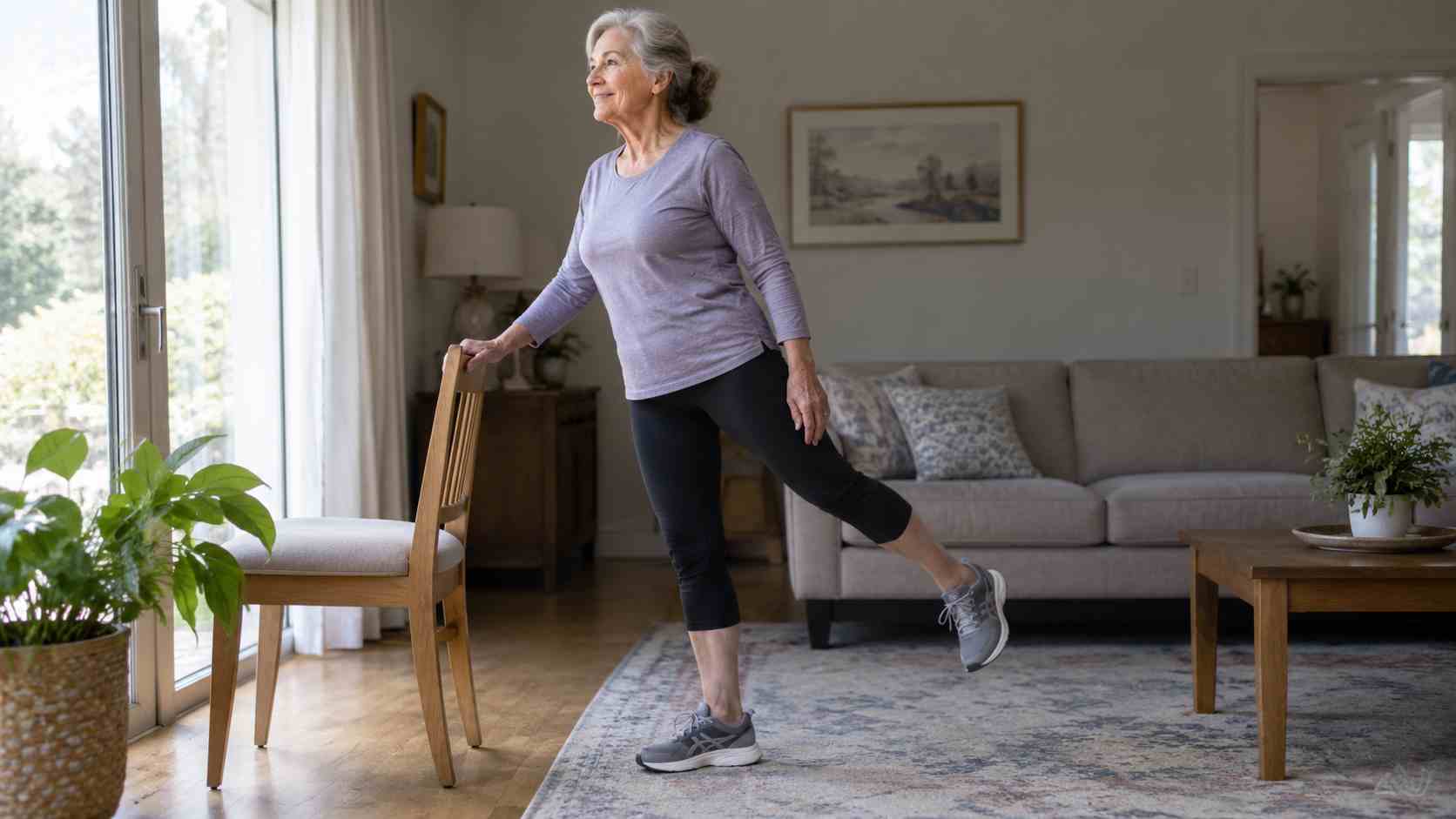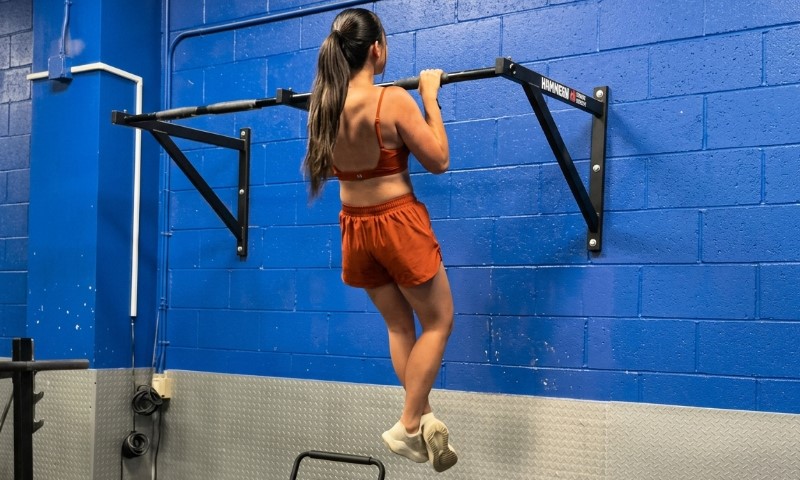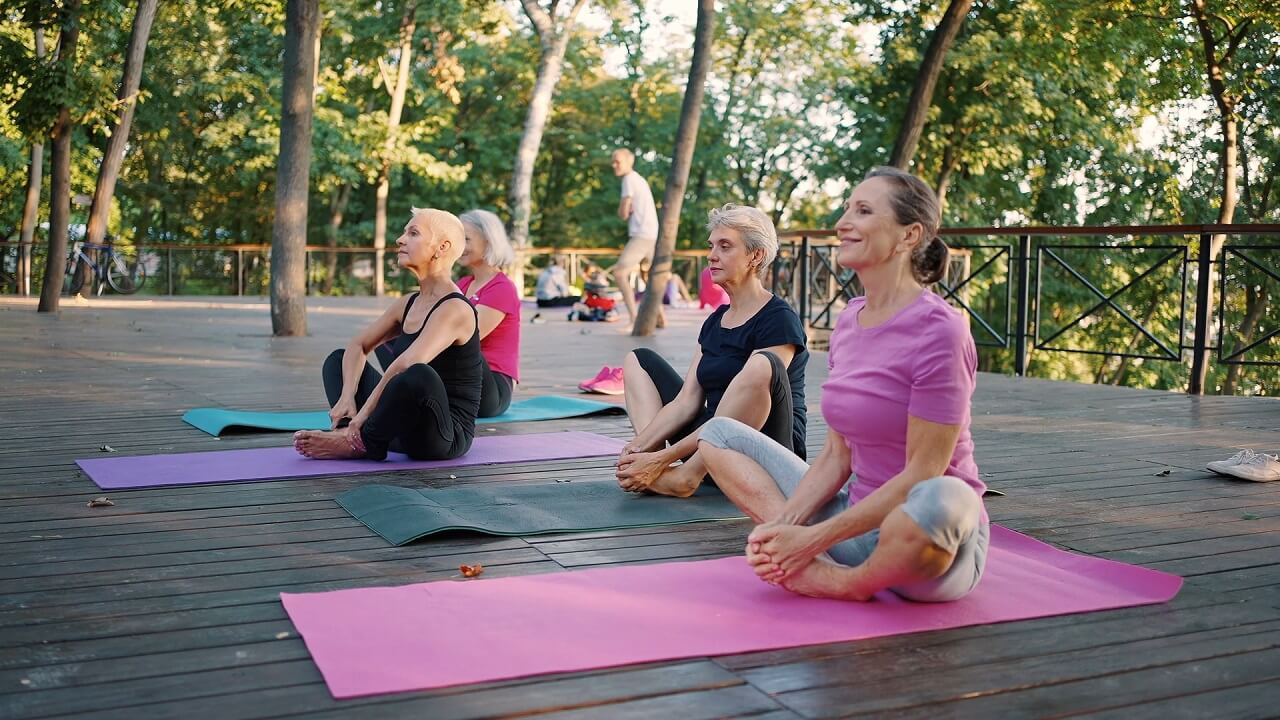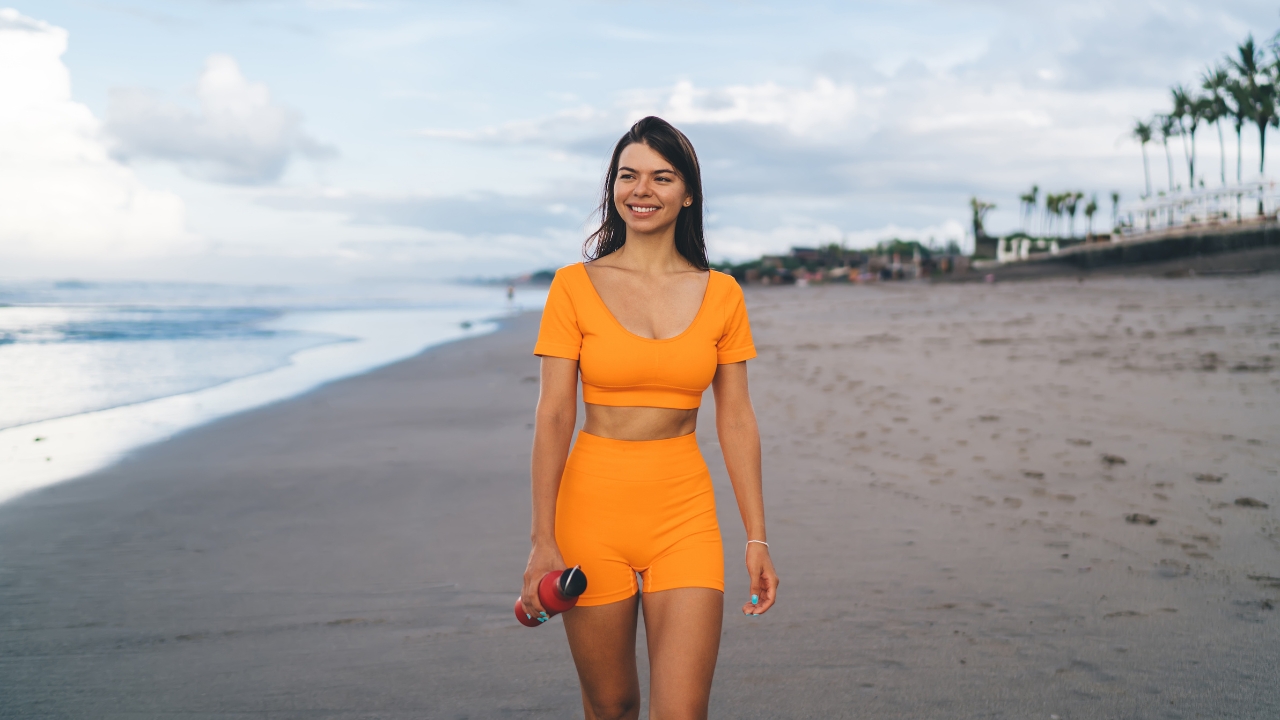


A steady comfort routine also helps protect your body and support regular movement.
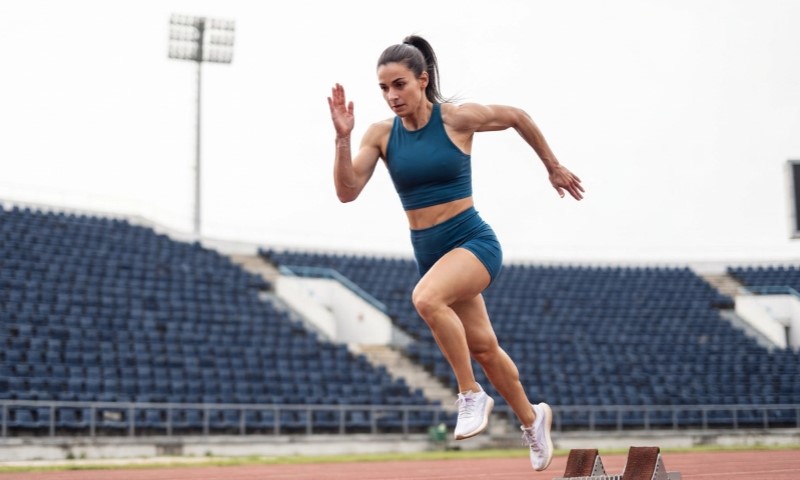
Nothing should interrupt an active lifestyle, yet many women know that subtle irritation can take over a workout fast. Three miles into a run on a hot day, she felt strong and pain-free.
A quiet, persistent discomfort broke her focus and pulled her out of rhythm.
Many active women share that experience, even if few talk about it. Discomfort during exercise can wear down motivation and make it harder to stay consistent.
One study of regularly active sports students found that 47.5% said exercise stressed their skin. Among those affected, many reported cutting back on training intensity, frequency, or performance.
Simple, targeted changes can ease irritation without cutting workouts short or missing training days. Intimate comfort during exercise does not require complicated solutions.
Why Exercise Triggers Intimate Discomfort
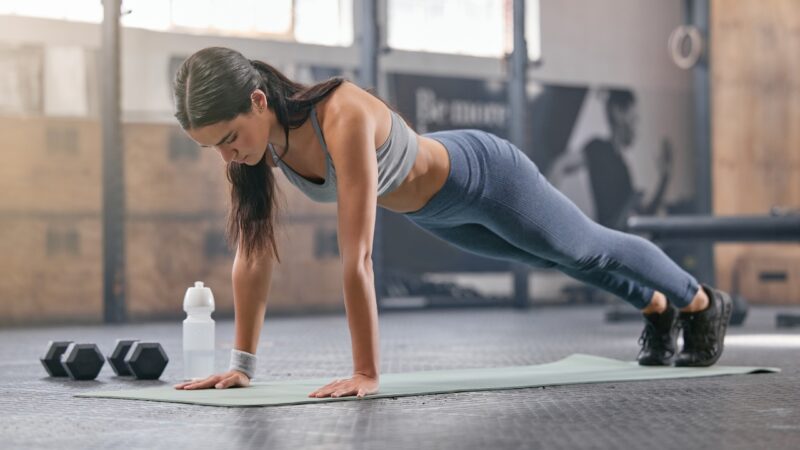
Intimate discomfort during exercise makes more sense once you look at what causes it. Heat, friction, and sweat are often the main factors.
Together, they create conditions that can break down the skin’s natural moisture barrier in sensitive areas. Even low-impact exercise can cause that kind of irritation.
Clothing can make the problem worse. Tight or poorly made garments hold in heat, increase rubbing with each movement, and reduce airflow. When sweat stays trapped against the skin, friction rises, and delicate tissue becomes more prone to irritation.
For many women, that irritation shows up as the sharp sting of workout chafing. In some cases, the problem is not limited to surface rubbing. Existing dryness can become much more noticeable during repeated movement, especially during cycling, rowing, or strength training.
Research also shows that dryness becomes more common with age and hormonal changes.
To manage this, brands like NeuEve have focused on restorative care, helping women find an effective natural treatment for vaginal dryness that works in harmony with the body’s chemistry.
Maintaining internal moisture balance is often the missing step in staying active without discomfort. Surface chafing and internal dryness may seem similar at first, but each one needs a different fix.
Picture running with badly chapped lips on a windy day.
Repeated motion and a weakened moisture barrier work together to make irritation worse.
On their own, each problem may feel manageable. Combined, they can create much more intense discomfort.
1. Wear Fabrics That Work With Your Body
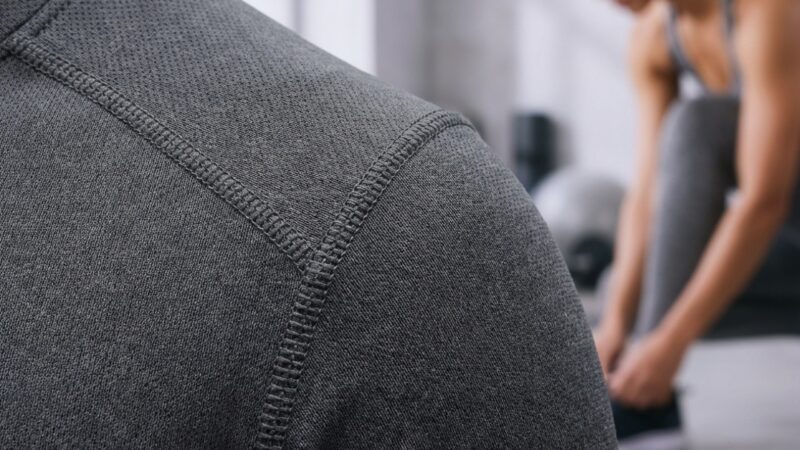
Sweat can turn a good workout into an uncomfortable one fast. Better activewear can reduce friction, limit heat buildup, and help moisture dry more quickly.
When choosing workout clothes, breathable, moisture-wicking fabric should come first. Smooth nylon-spandex blends with flat seams or seamless construction usually perform much better than rough cotton.
Cotton holds sweat against the skin, which can increase irritation in sensitive areas.
Performance fabrics move moisture away so it can evaporate faster.
That approach is backed by dermatology guidance.
The American Academy of Dermatology recommends moisture-wicking fabrics because they pull sweat away from skin and dry quickly, and it also warns that tight workout clothing can rub and irritate skin.
Very tight synthetic shorts or leggings can also make discomfort worse.
Extra compression around the pelvic area can trap heat and increase rubbing, especially during HIIT, heavy lifting, or cycling.
Helpful features to look for include:
- tagless waistbands
- flat-lock or seamless seams
- built-in moisture-wicking liners
- gusseted crotch panels that move seams away from sensitive areas
When choosing underwear for vaginal health, look for breathable fabric, a comfortable fit, and a cotton-lined gusset to help reduce trapped heat, moisture, and friction.
The goal is to reduce friction in every layer. Some women prefer seamless athletic underwear, while others feel better without it. Comfort usually comes down to keeping the area cooler, drier, and protected during movement.
2. Manage Sweat and Restore Balance After Every Workout
30 minutes after exercise can matter just as much as the workout itself.
Sweat is normal, but leaving it on the skin creates a warm, damp setting that can upset pH balance and lead to irritation.
- Change promptly: Take off damp workout clothes right after your session.
- Rinse simply: Use warm water on the external area only and skip internal cleaning.
- Dry gently: Pat skin dry with a soft touch instead of rubbing.
- Wear breathable layers: Choose loose, natural fabrics that allow airflow.
- Hydrate: Drink water to support overall moisture and natural lubrication.
These steps line up with dermatology guidance that recommends changing out of sweaty clothing promptly and choosing breathable, moisture-wicking fabrics to reduce irritation during and after exercise.
Protect Your Natural Balance
A simple routine often works best. Internal tissue cleans itself naturally and does not need harsh soaps, scrubs, or specialty cleansers.
Skip heavily scented wipes, intimate deodorants, and sprays. Many of these products can strip natural oils, dry out tissue, and make irritation worse.
3. Know the Difference Between Dryness and Chafing
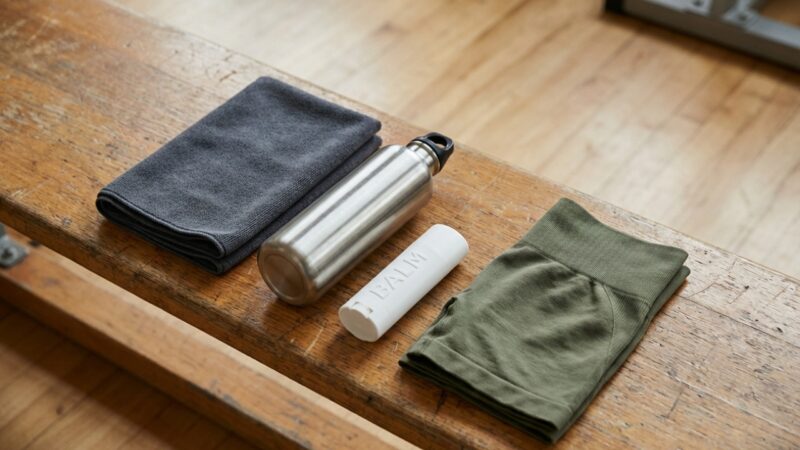
One of the hardest parts of workout discomfort is treating the wrong cause. Surface friction and internal dryness can feel very similar during exercise, but each one calls for a different response.
- Surface chafing: External redness, rawness, or stinging where skin rubs against clothing, such as the inner thighs or groin creases.
- Internal dryness: A feeling of internal friction, tightness, or dull discomfort during movement.
- Chafing triggers: Heat, long mileage, summer hikes, or poor airflow often make it worse.
- Dryness triggers: Hormonal shifts, postpartum changes, medications, perimenopause, or high stress can make symptoms more noticeable.
- Resolution: Chafing often improves within one to two days with better fabrics and airflow. Dryness usually lasts longer and does not improve just because leggings fit better.
Why the Difference Matters
Skin irritation usually happens when skin rubs against skin or fabric, especially in warm, damp areas.
Surface chafing is external and often improves with simple topical care. Internal tissue changes are often linked to broader body changes and may need a different kind of support.
Clinical reviews estimate that about 50% of women will experience vulvovaginal atrophy related to menopause, which often includes dryness, irritation, and pain.
Medical research shows that internal dryness affects many women and is a common part of physical activity for some age groups and hormonal stages.
Dryness also becomes more common with age and hormonal changes. The Office on Women’s Health notes that lower estrogen around menopause can make vaginal tissue drier and thinner, which can lead to itching, burning, pain, and small cuts or tears.
When to Ask for Advice
Paying attention to patterns can help you stay comfortable and active.
If discomfort continues even after improving fabrics and hygiene, it may be time to speak with a qualified healthcare provider.
4. Build a Simple Before and After Comfort Routine
View this post on Instagram
Information only helps when it turns into a habit.
A steady routine can make comfort feel normal instead of something you chase after irritation starts.
That routine matters because dehydration can affect exercise recovery and performance. Sports medicine guidance recommends keeping dehydration under 2% body mass loss during activity to help maintain performance, safety, and recovery.
Before a Workout
Before you actually start with a workout, you should:
- Use a barrier balm: Apply an unscented anti-chafe product to areas that usually rub.
- Hydrate early: Drink water well before your session to support tissue comfort.
- Choose clothing carefully: Pick workout gear with the same care you give your shoes.
After a Workout
Use the first 30 minutes after exercise to help your skin recover.
- Change promptly: Take off damp workout clothes as soon as possible.
- Clean and dry: Rinse gently and pat the area dry.
- Wear breathable fabrics: Put on loose clothing made with natural fibers for at least 30 minutes.
- Restore moisture: Apply a pH-friendly moisturizer if skin feels dry or irritated.
Recovery days also matter. Skin needs time to recover after heat and friction.
Keep hydration steady during the week and pay attention to patterns. High heat, long sessions, or specific workouts may trigger more discomfort than others.
Your Next Steps
Workout discomfort is common, manageable, and not something you need to accept. Once you notice your personal trigger points, it becomes much easier to protect your comfort during training.
Pain is not the price of staying active. Small, thoughtful habits can help you stay consistent and comfortable.
Better fabrics and smart post-workout hygiene can protect your skin and help you stay on track. Knowing the difference between chafing and dryness makes it easier to build a routine that actually works.
Listening to your body is a practical form of self-care. Comfort during exercise supports both physical strength and peace of mind.
Workouts should feel steady and empowering, not frustrating or stressful. A few simple changes can help keep your routine comfortable.