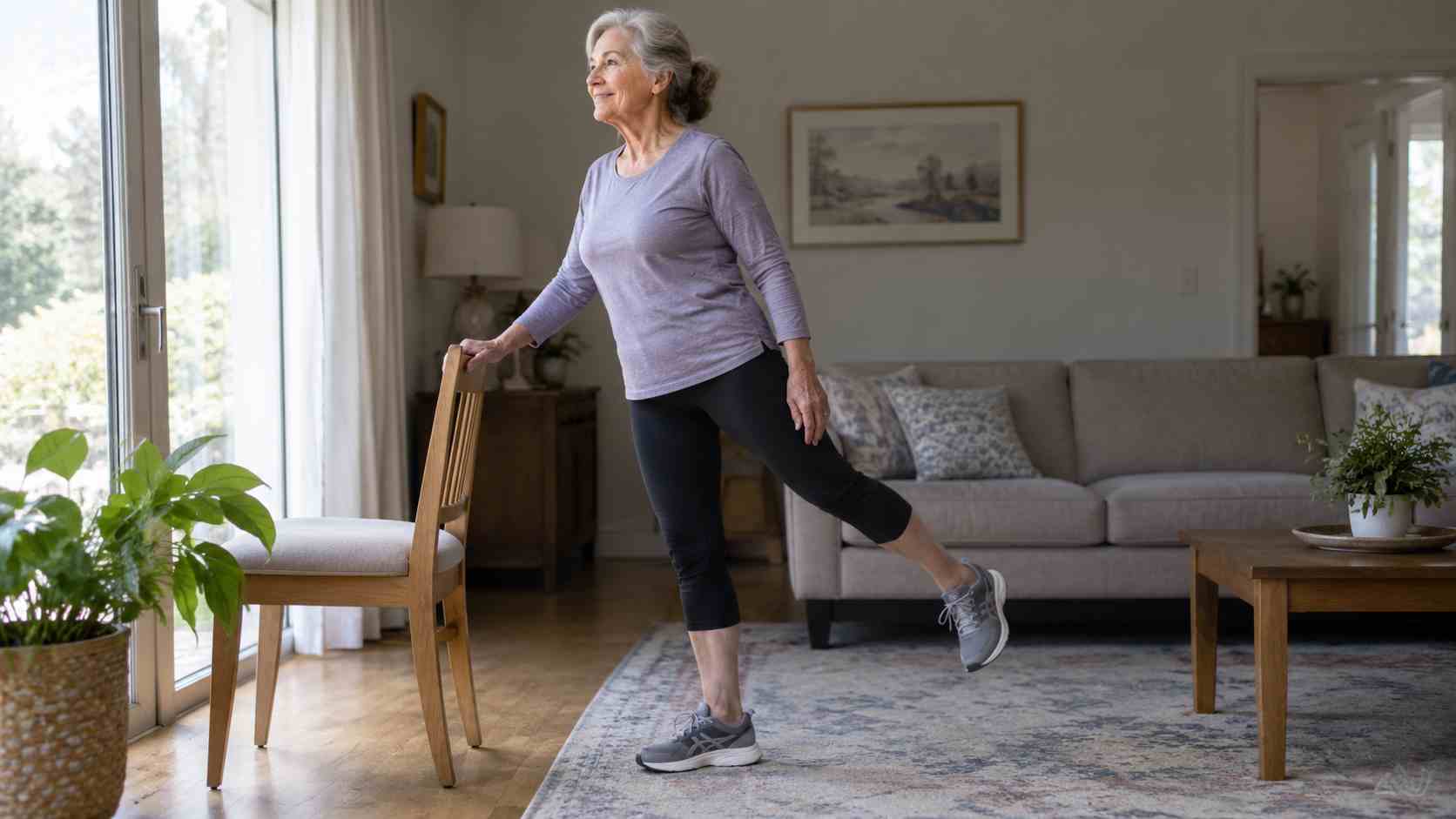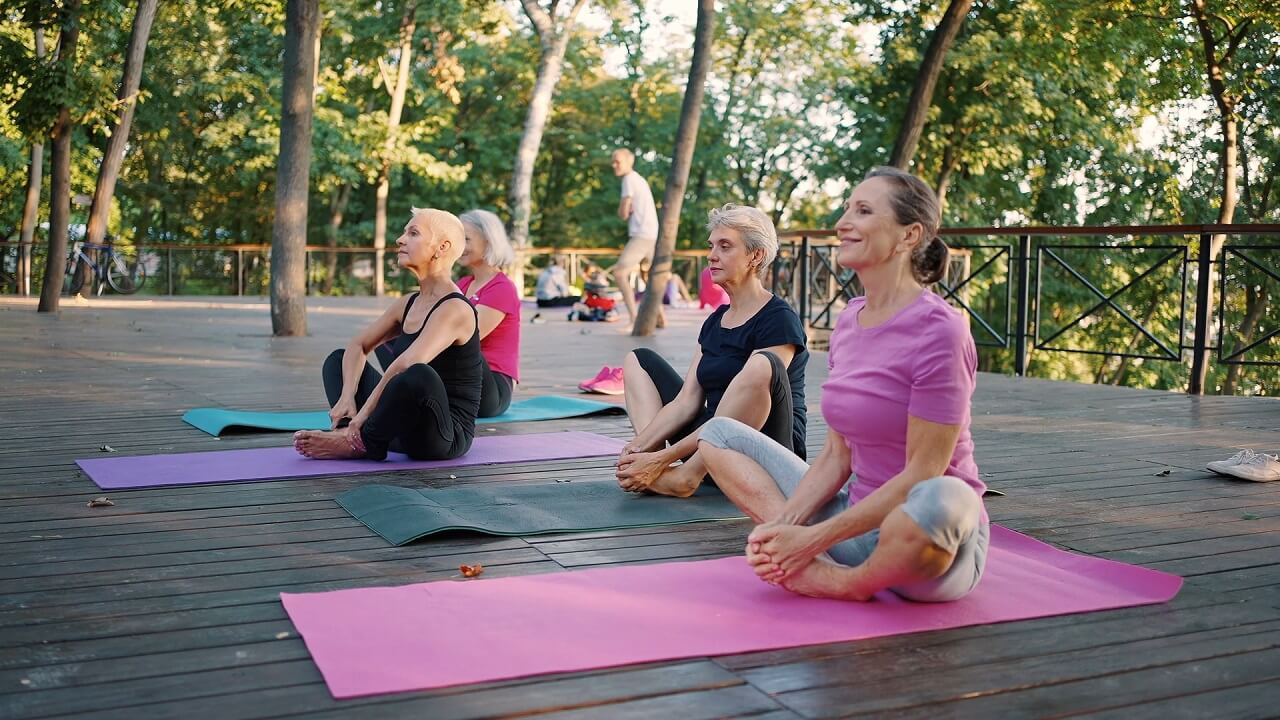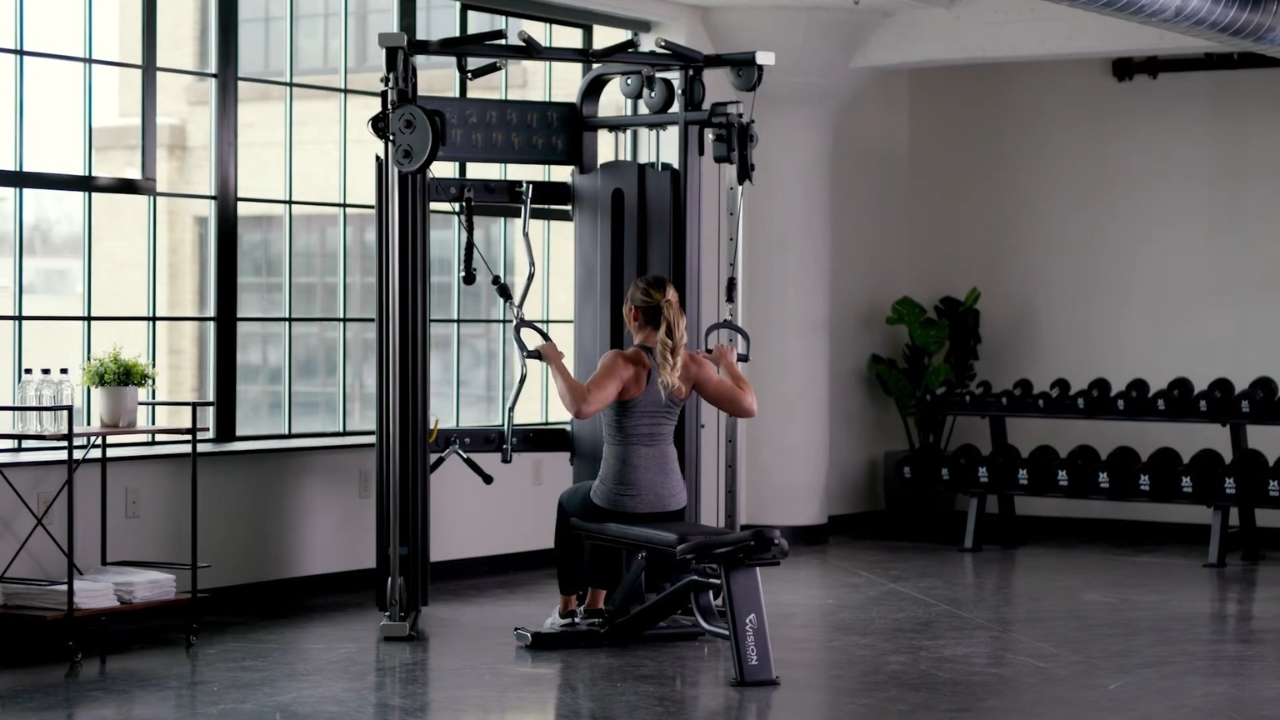

You are sitting in the driver’s seat in the parking lot of a local gym or walking toward the court for your first rec league practice. Your chest feels tight, and you might wonder if everyone inside will know you do not belong.
It is completely normal to feel a wave of anxiety before stepping into a new athletic environment.
Regular physical activity can reduce the risk of serious health conditions, yet most American adults do not get the recommended amounts of physical activity each week.
Almost everyone who starts something new experiences this exact hesitation. You are not alone, and you are certainly not behind. The intimidation is not imagined, and feeling it is not a personal failure.
Confidence is not a personality trait you either have or do not have.
Confidence is something you build one small habit at a time. To own the gym without trying, you must wear supportive workout clothes and set achievable micro-goals.
Finding accountability through a team and building consistent pre-workout habits are equally important steps. These fundamental gym confidence tips for women remove the pressure of having a perfect routine.
1. Wear What Makes You Feel Yourself

Understanding how to feel confident working out begins long before you touch a weight or step onto a court. It starts with a psychological concept known as enclothed cognition. This means that what we wear sends direct signals to our brain about how to perform and feel.
Getting dressed intentionally before a workout is essential preparation rather than simple vanity.
For women joining recreational leagues or community sports groups, this confidence equation gets a layer more interesting. Walking into a gym as a recognizable team changes how players carry themselves from the opening whistle.
Groups often build this collective motivation by leaning into a shared identity; whether you source high-quality custom basketball jerseys from a specialized provider like Sports Gear Swag or opt for local print shop tees, looking like a unit helps everyone play like one.
Building a supportive workout wardrobe does not require high fashion. It simply requires meeting a few practical criteria to keep you comfortable.
Even if you are a solo gym-goer, the principle remains the same. When you show up in gear that you deliberately chose, it builds a quiet personal confidence. This positive feeling compounds over time as you continue your fitness journey.
2. Set Goals Small Enough To Win

The fastest way to kill beginner fitness motivation is to fall into the common trap of setting a sweeping goal on day one.
Deciding you are going to lose twenty pounds or completely overhaul your lifestyle usually feels electric initially. However, these massive goals often become utterly crushing by week two.
The most durable fitness confidence is built from a steady accumulation of small winnable targets.
Consider a woman who pulls into the gym parking lot feeling exhausted. She tells herself she only has to stay on the treadmill for ten minutes before she can leave. She goes in, starts walking, and ends up staying for the full hour because momentum took over.
The goal was never to crush the workout but simply to arrive.
Adults with heart disease risks who received daily reminders or short-term incentives to become more active found great success. These individuals increased their daily steps by more than 1,500 after a year.
Many were still sticking with their new habit six months later. You can use similar micro-goals to start building confidence through fitness this week.
Consistent small wins are the true engine of long-term confidence.
The magic is not in the final destination but in the repeated practice of arriving. Each completed micro-goal reinforces the undeniable belief that showing up was worth the effort.
3. Stop Going Solo And Find Your People

The gym feels entirely different when someone is actively expecting you to show up. Accountability in fitness is not just a modern productivity hack. It is one of the oldest and most human forms of motivation available to us.
Knowing someone is waiting for you makes skipping a session feel far less appealing.
Finding your people looks different for everyone. It might be a gym buddy who texts you before every session or a group fitness class where the instructor knows your name. You could also join an online accountability group or a casual adult sports league.
Researchers have found that social support significantly impacts autonomous motivation and exercise persistence.
Take the story of a woman who joined a local beginner basketball league just to try it once. She had no athletic background and plenty of self-doubt.
Yet, she found that her teammates’ energy pulled her back every single week. The team simply made showing up feel like something she genuinely wanted to do.
What the community provides goes far beyond basic motivation. It offers laughter during the hard sets and shared struggle that dissolves self-consciousness. If you need some rec league confidence tips, try these steps to build your circle.
4. Build A Consistent Pre-Workout Ritual
View this post on Instagram
Mental preparation for working out is just as vital as the physical effort. Rituals work because they reduce the number of decisions you have to make when motivation is low.
A reliable pre-workout habit signals to your brain that it is time to shift into a focused state. A good ritual does not need to be elaborate to be effective.
It simply needs to be consistent to build a lasting impact on your routine. Think of your pre-workout ritual as the necessary bridge between intention and action.
It closes the gap between meaning to go to the gym and actually walking through the doors. Try incorporating one of these practical workout motivation ideas tonight.
None of these rituals requires specialized equipment or years of athletic experience. They require only repetition and a willingness to commit. Repetition over time eventually becomes your new identity.
FAQs
The Bottom Line
Confidence is not a personality trait but rather an ongoing practice. Every practice begins with a single, dedicated repetition. None of these four strategies requires perfection or a long fitness history. They only require a willingness to begin messily and bravely.
Every class you attend, and every small goal you meet, adds one more quiet layer of confidence.
If you compound enough of those small layers, you will eventually walk through that gym door feeling entirely at home. You belong there not because you finally earned the right to take up space, but because you simply kept coming back.
Pick one of these four tips and try it this week to kickstart your progress.
You do not need to tackle all four at once to see real changes. You already have everything you need to take that first step. Now all that is left to do is tie your shoes and walk through the door.