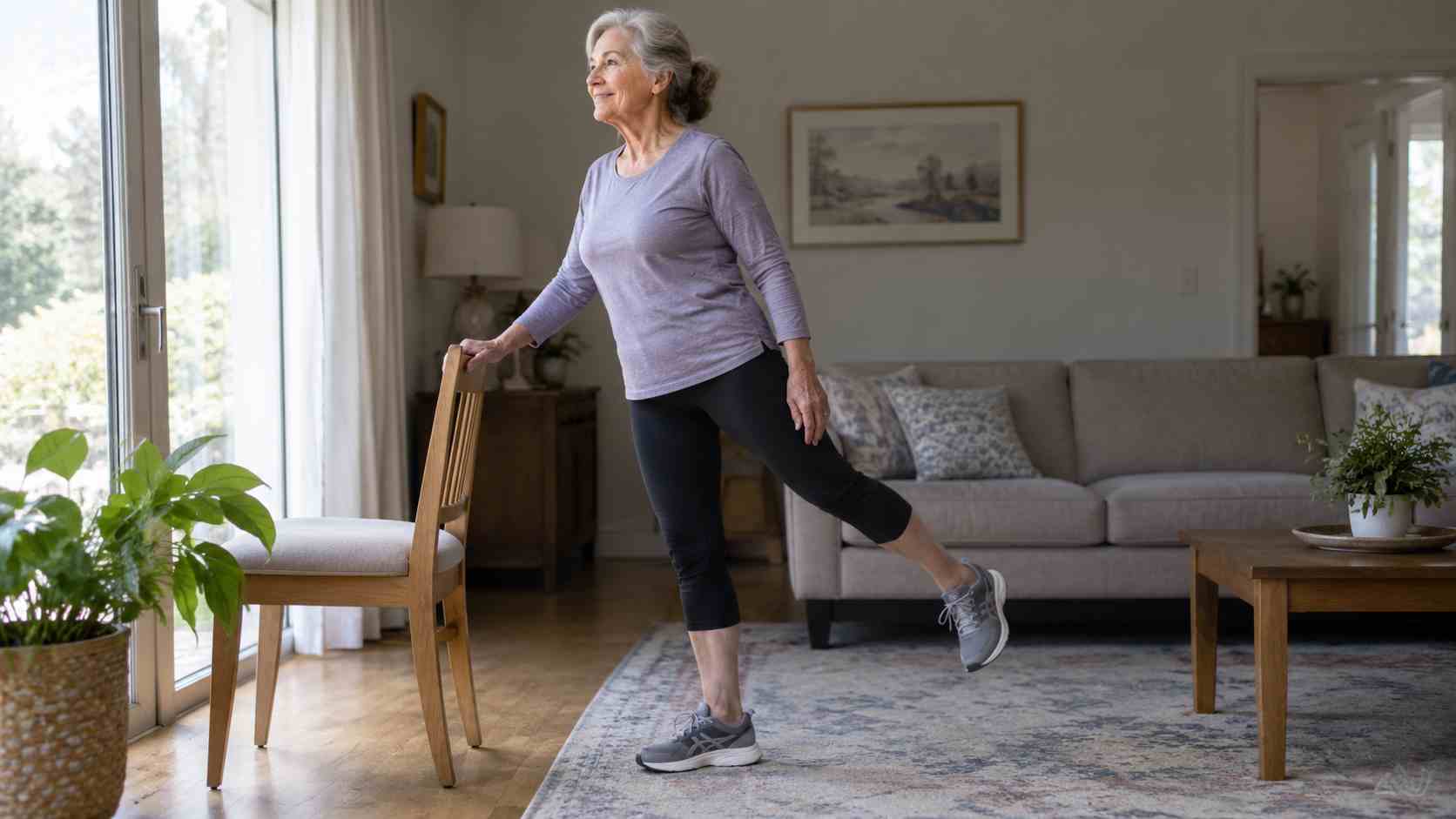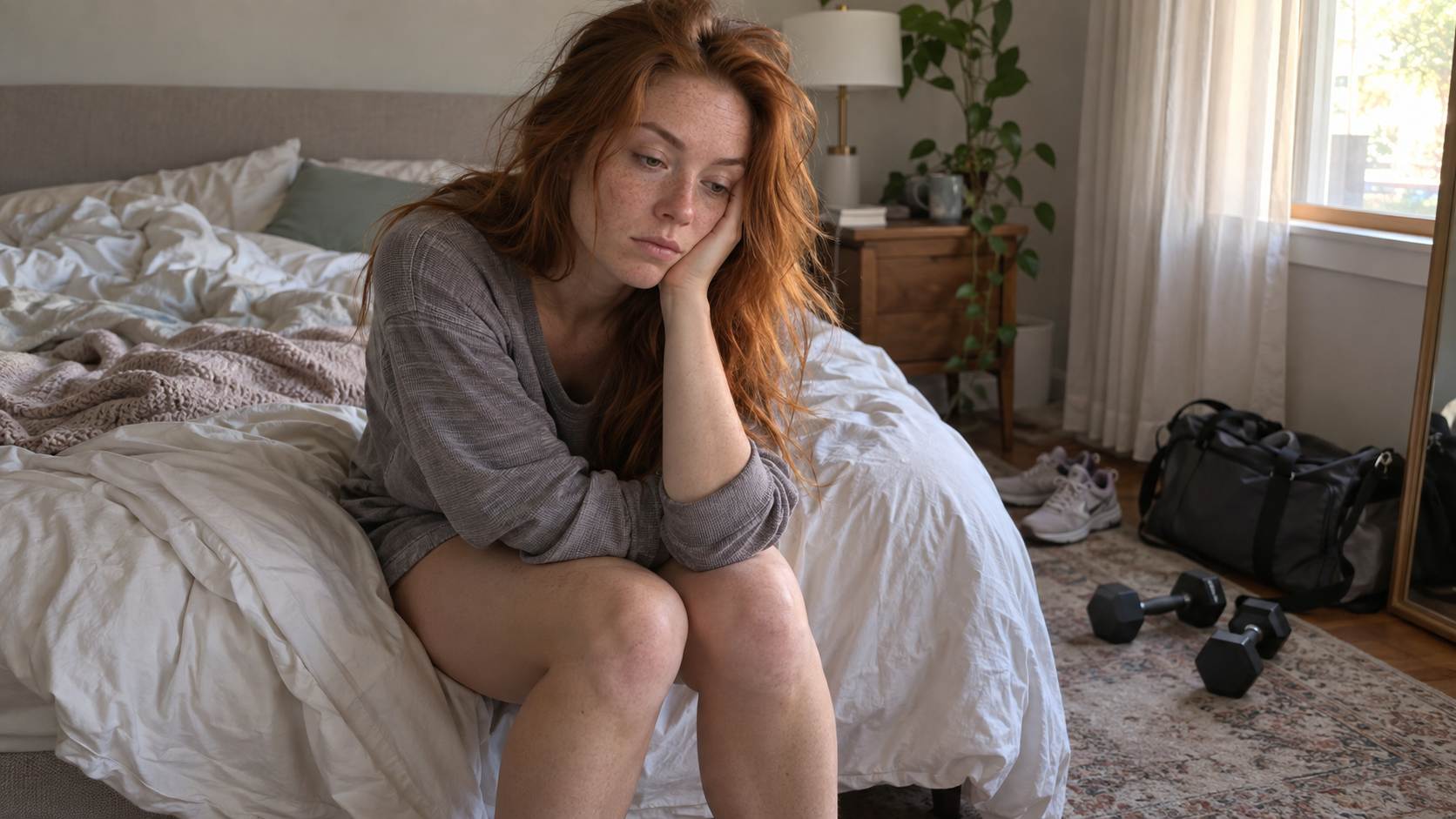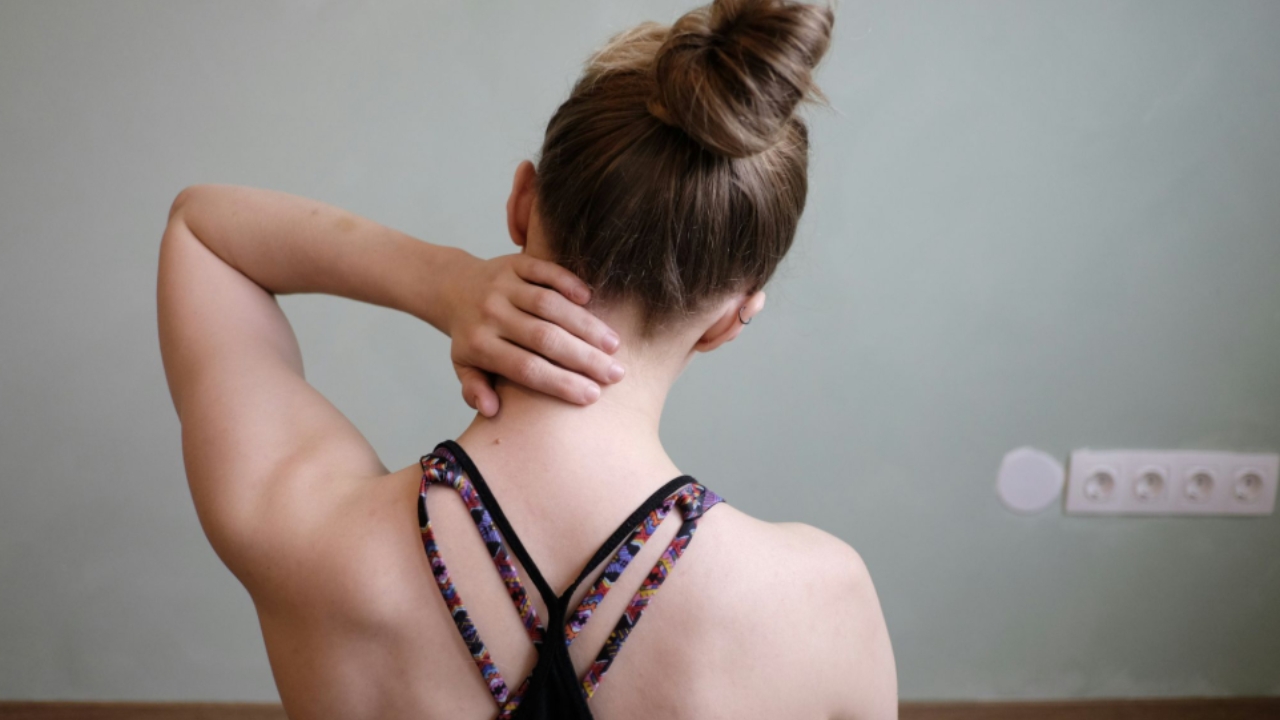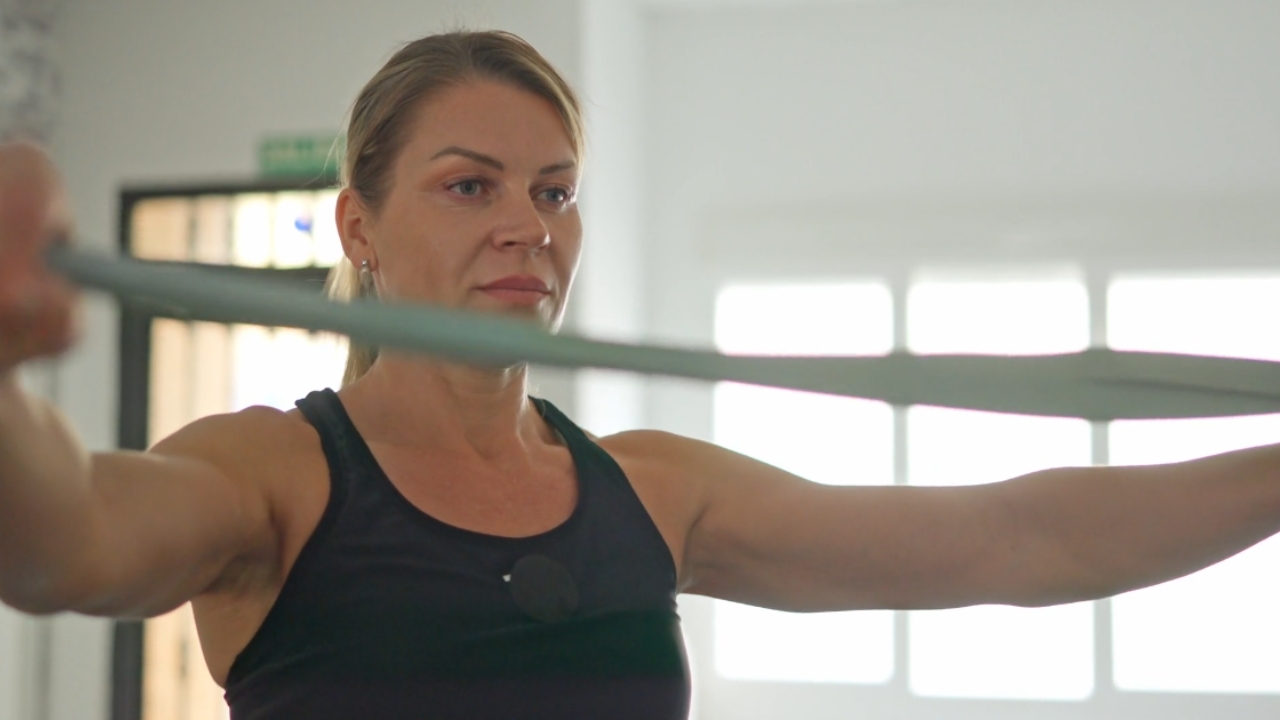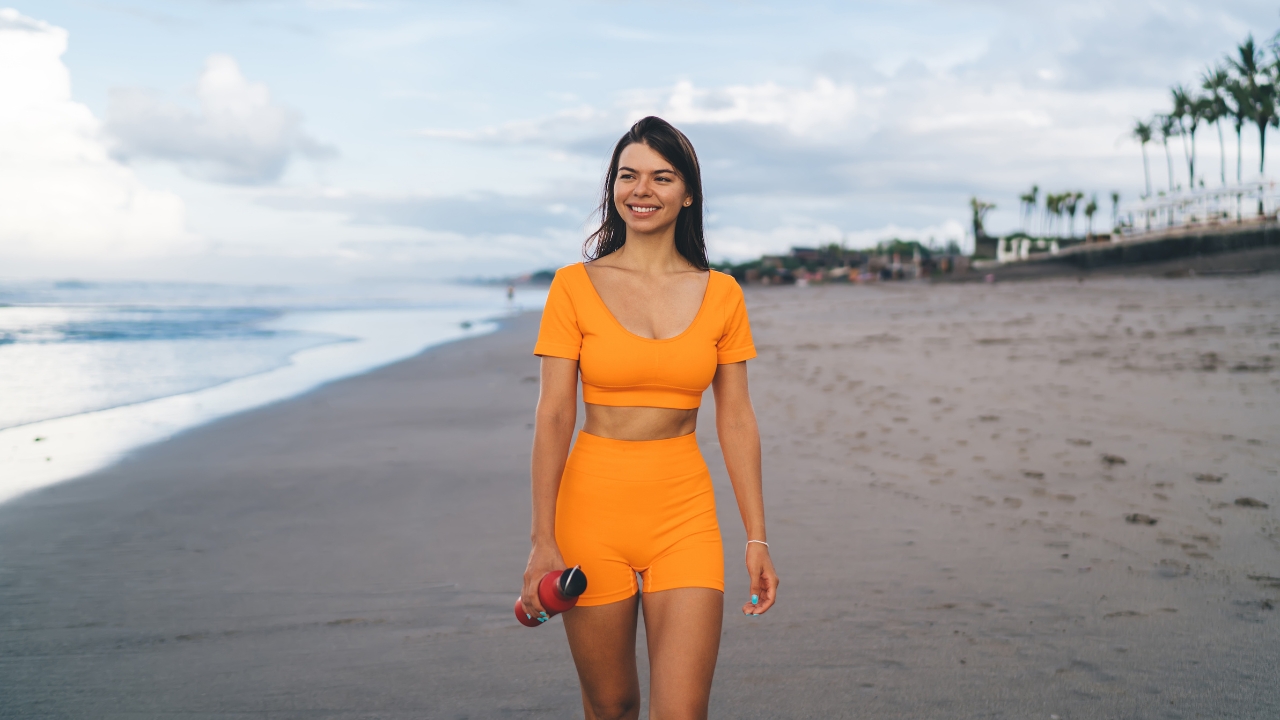
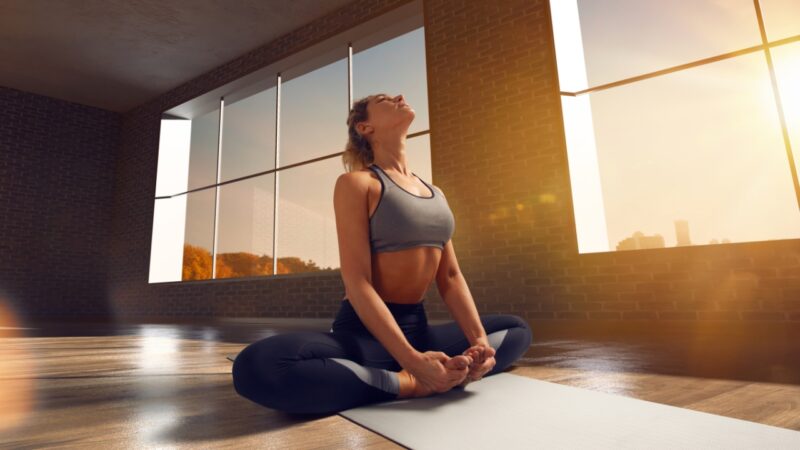
It is Saturday morning, your yoga mat is unrolled, and then the familiar cramps arrive. Quiet anxiety about leaks and whether your session is worth attempting usually follows. You are not alone, as research notes that an estimated 85% of US women suffer from painful periods.
These symptoms trigger a frustrating mental negotiation about skipping fitness entirely. Fortunately, small adjustments make movement accessible without ignoring your body’s needs.
Let us explore four practical period tips for active women to help navigate tiredness and fatigue.
1. Match Your Movement to Your Energy Instead of Your Calendar

On crampy days, the smartest approach to period exercise is meeting your body exactly where it is. Energy naturally dips during early menstruation, making gentle modifications highly effective.
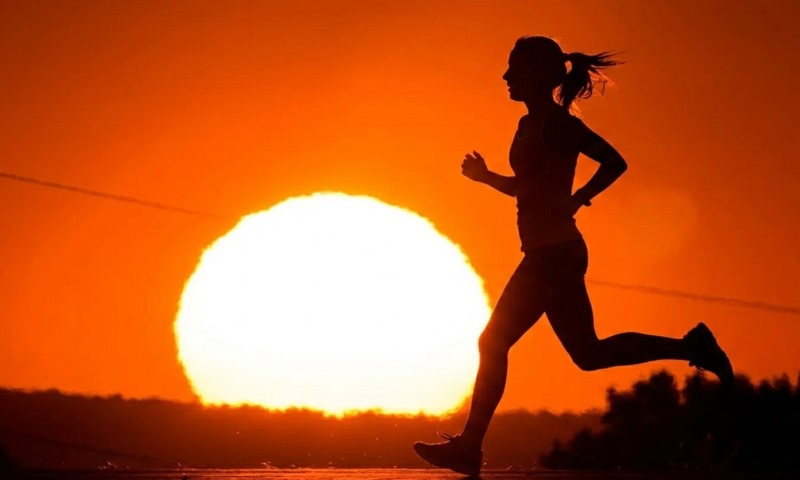
Swapping a demanding run for a neighborhood walk honors this physical shift perfectly.
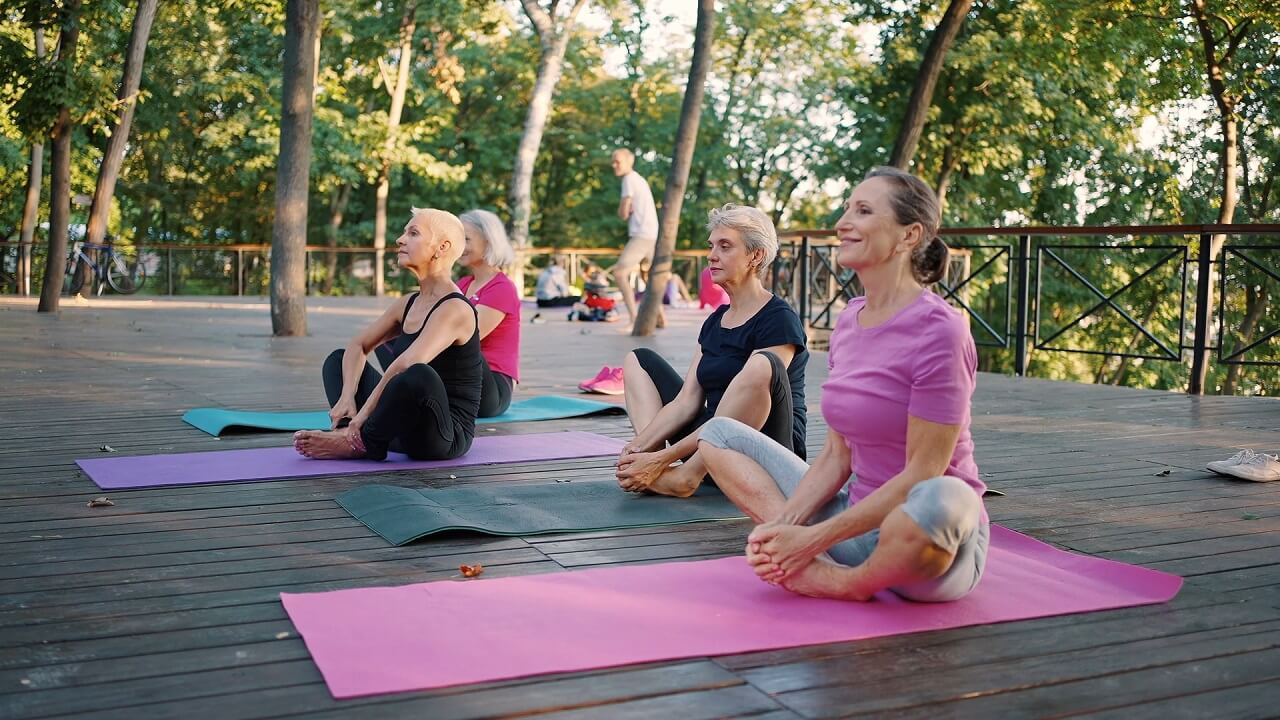
Gentle movement naturally eases discomfort by improving blood circulation. Keep expectations realistic and remember that lighter routines help you stay comfortably active.
Adapting your pace transforms working out on your period into an act of self-care.
2. Dress for Comfort First, Performance Second
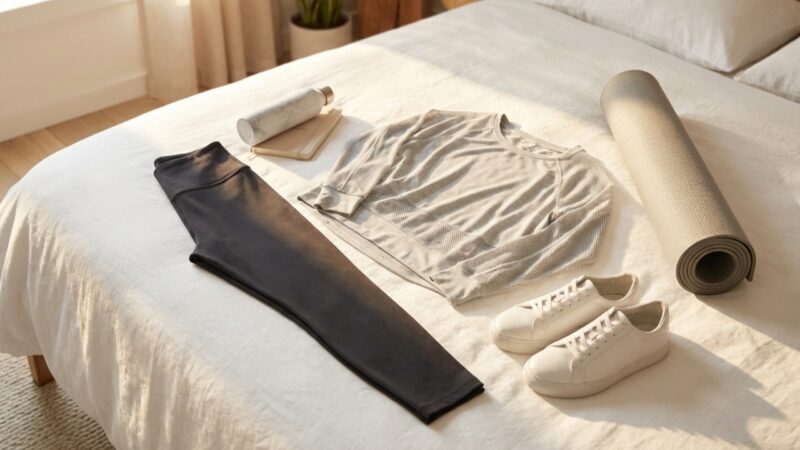
What you wear genuinely shifts how your entire fitness session feels. Deciding to prioritize comfortable period care through your clothing immediately reduces physical friction.
You can instantly improve your experience by selecting breathable workout gear that moves easily.
Preparing these outfits the night before serves as a tiny act of self-kindness.
3. Sort Your Period Protection Before You Walk Out the Door
Traditional products often introduce friction during exercise, ranging from string discomfort during squats to pads shifting mid-stride.
Many people solve this issue by switching to a versatile menstrual disc, such as the one designed by nixit, because it stays securely in place regardless of movement intensity
This specific style sits securely in the vaginal fornix, making it an excellent choice for intense movement.
Wearable for up to 12 hours, it easily accommodates long trail days without requiring a bathroom stop. Other long-wear options, like high-activity absorbent underwear, also provide excellent backup depending on your flow.
Using sustainable period products simplifies your routine significantly while reducing environmental waste. Reusable options eliminate the need to pack multiple disposable supplies in your gym bag.
Sorting this protection out beforehand is one of the best ways to maintain physical focus.
4. Hydrate, Rest, and Treat Recovery Like Part of the Workout
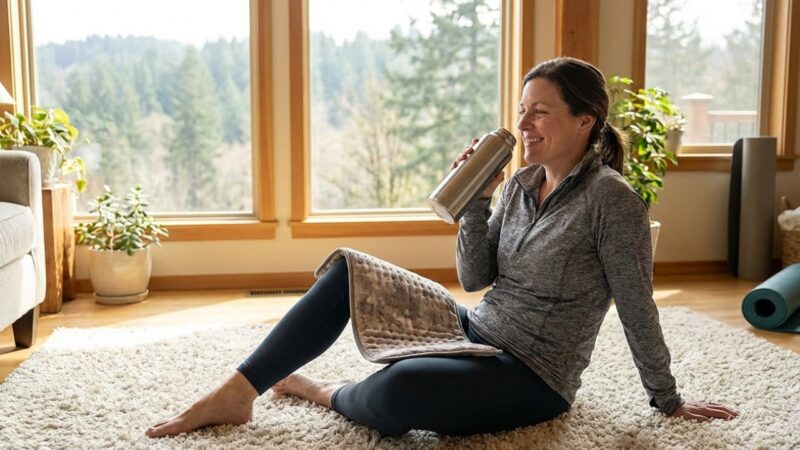
The post-workout window deserves far more attention than it typically receives, especially when menstruation places extra demands on your system. Skipping recovery compounds fatigue, making thorough rest and intentional hydration a vital part of your routine.
Dehydration during your cycle can severely exacerbate muscle soreness and make abdominal cramping noticeably worse.
Drink water consistently throughout your movement and long after your exercise ends. Waiting until you feel intensely thirsty means your body is already playing catch-up on its hydration needs.
Adding electrolytes to your water bottle can further support muscle recovery and stabilize your energy levels.
Once you finish your session, apply a warm compress or a heating pad directly to your lower abdomen. This simple, soothing practice helps relax tense muscles and eases any lingering cramps brought on by physical exertion.
View this post on Instagram
Prioritize protein-rich snacks or balanced meals immediately post-workout to support essential tissue repair and energy replenishment.
Opt for a shorter cool-down or a gentle stretching sequence rather than skipping your post-workout care entirely. Give yourself full permission to nap or rest on heavy flow days without viewing that downtime as a failure.
Treating recovery with respect is exactly how the body repairs itself to perform better the following day.
Viewing rest as laziness is a simple misreading of what your body actually needs to thrive. Proper hydration combined with deliberate period care ensures your fitness routine remains a sustainable practice.
Your period recovery is just as crucial to your long-term goals as the active workout itself.
FAQs
The Bottom Line
A menstrual cycle does not have to pause your long-term fitness goals or derail your progress. It simply asks for a slightly adjusted approach, offering an opportunity to practice bodily awareness.
By making a few practical changes, you can maintain your routine without pushing yourself to exhaustion.
Start by moving at the specific pace your energy levels are actually setting that day. Dress for how you physically feel right now, prioritizing soft fabrics over rigid training gear. Select reliable internal protection that keeps up with your active schedule so you can entirely skip the backup anxiety.
Give your post-workout recovery the exact same respect and dedication as the exercise session itself. Staying consistent with your movement gets significantly easier once these basic foundational elements are handled with intention.
Remember that your period is just one phase of your cycle, not a full stop on your athletic journey.
Active women deserve fitness routines that accommodate their natural hormonal rhythms without adding unnecessary stress. Implementing these comfortable strategies empowers you to stay active on your own terms.
Ultimately, honoring your body’s signals is the most effective way to build a sustainable relationship with fitness.