


In a 2026 CDC investigation, contaminated moringa leaf powder used in dietary supplements was linked to 97 Salmonella illnesses across 32 states, including 26 hospitalizations.
CDC said epidemiologic, traceback, and laboratory data showed the ingredient was contaminated and made people sick.
Therefore, we can see that a label cannot prove purity by itself.
Ingredient quality depends on sourcing, supplier review, testing, handling, manufacturing controls, and final verification.
Ingredient purity starts at the manufacturing level because manufacturers control raw material approval, contamination prevention, batch consistency, and final product release.
With that in mind, let us see why that is the case.
Regulatory Responsibility and GMP Standards
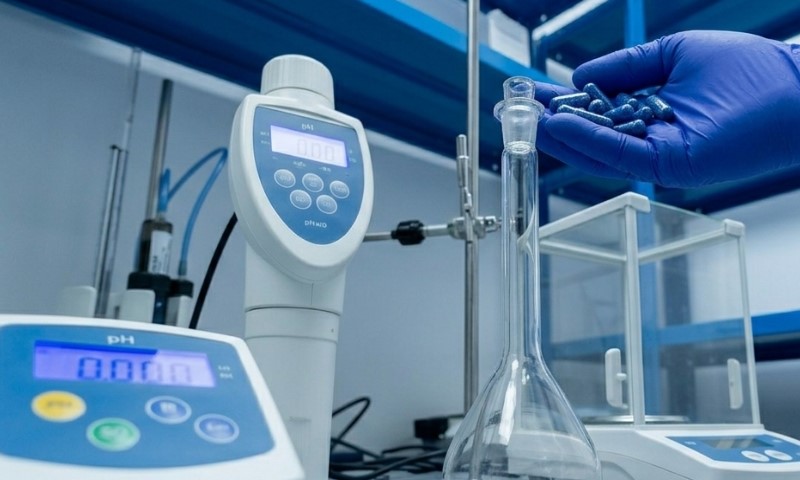
Dietary supplements are not generally approved by the FDA before marketing in the same way as drugs are.
Drugs must be proven safe and effective before sale, but supplement manufacturers and distributors carry initial responsibility for making sure their products meet safety standards and are not adulterated or misbranded.
For high-quality supplement ingredients, the manufacturing level often begins far upstream, before a finished supplement brand receives an ingredient for blending, encapsulation, tableting, or packaging.
The purity of many advanced nutritional, wellness, and functional ingredients depends on the same disciplined manufacturing controls used in pharmaceutical production, especially when ingredients are produced by GMP-certified API manufacturers.
Core GMP Controls
Strong GMP-controlled manufacturing typically includes the following elements:
- clean facilities
- written procedures
- sanitation programs
- contamination prevention
- equipment controls
- batch records
- quality checks
- proper handling of rejected materials
GMP compliance helps reduce risks tied to poor-quality, inconsistent, or contaminated products.
Clear procedures guide how materials are received, tested, stored, weighed, mixed, processed, packaged, labeled, and released.
Recordkeeping also allows quality teams to trace decisions, investigate deviations, and confirm that each batch meets required specifications.
The Role of API Manufacturing
However, the strongest quality systems do not start only at the supplement packaging facility. They begin with the ingredient manufacturer.
When a supplement ingredient is produced in a pharmaceutical-grade environment, the ingredient is subject to tighter process controls, impurity monitoring, documentation, and batch-level verification before it ever reaches the finished-product manufacturer.
That is why brands looking for higher-quality ingredients often evaluate upstream partners that specialize in GMP-certified API manufacturing.
API manufacturing facilities are designed to support consistent quality, controlled synthesis or processing, impurity management, and full traceability, all of which are directly relevant to ingredient purity in premium supplement supply chains.
Raw Material Testing – The First Purity Checkpoint
Ingredient purity begins before production starts. Raw material testing acts as the first major checkpoint because it verifies that each ingredient is correct, safe, potent, and suitable for manufacturing.
Without this step, adulterated, substituted, mislabeled, or contaminated materials can enter production and affect an entire batch.
Key Raw Material Checks
Identity verification confirms that each raw material matches its specification.
Potency testing checks that active ingredients have a suitable strength. Contaminant screening looks for unwanted substances that could affect safety or purity.
Supplier quality review helps determine if ingredient vendors follow reliable quality practices.
Ingredient traceability links materials to supplier records, lot numbers, certificates, tests, and production use.
Important raw material checks include:
- Identity verification
- Potency testing
- Contaminant screening
- Supplier quality review
- Ingredient traceability
Common Contamination Risks
FDA notes that heavy metals such as arsenic, lead, mercury, and cadmium can be present in the soil, water, or air where ingredients are grown or processed, which is why plant-based raw materials require careful contaminant screening.
Another FDA analysis of warning data found 776 dietary supplement products with unapproved pharmaceutical ingredients between 2007 and 2016.
Heavy metals can enter ingredients through soil, water, or processing conditions. Microbial contamination may involve harmful bacteria, yeasts, or molds.
Pesticides and mycotoxins can affect plant-based materials. Undeclared chemical substances can create safety concerns and regulatory problems. Allergen risks can occur through shared equipment, poor segregation, or supplier issues.
Testing raw materials helps block unsafe or inaccurate ingredients before they become part of a finished supplement. Early quality control protects both product integrity and consumer safety.
Why Pharmaceutical-Grade Controls Matter
In pharmaceutical-grade ingredient manufacturing, raw material control is even more rigorous because each input can affect the final ingredient’s purity profile.
API manufacturers typically rely on approved supplier programs, defined specifications, incoming material testing, validated analytical methods, and detailed documentation to confirm that starting materials meet strict quality expectations.
For supplement companies, sourcing ingredients from manufacturers that apply pharmaceutical-style controls can provide stronger confidence that the ingredient has been produced under a controlled, traceable, and quality-driven system.
In-Process Manufacturing Controls
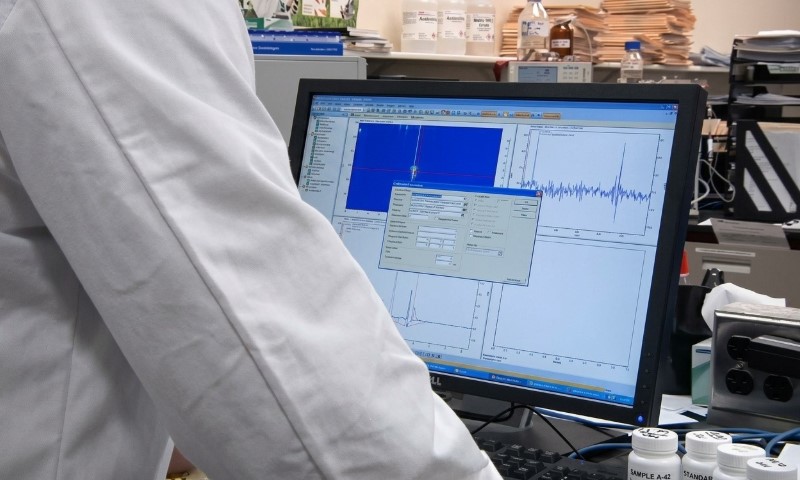
Purity must be protected during every manufacturing stage, including blending, encapsulation, tableting, bottling, and packaging.
In-process controls use ongoing checks during production to catch problems early, maintain batch uniformity, and reduce recall risk.
Core Production Controls
Sanitation and equipment cleaning are essential because residue left on equipment can contaminate later batches.
Environmental controls help manage air quality, temperature, humidity, and facility cleanliness.
Cross-contamination prevention protects ingredients against contact with other materials, allergens, microbes, or foreign particles. Equipment operation checks confirm that machines run correctly and consistently.
Batch consistency monitoring helps verify that ingredients are evenly distributed and processed under approved conditions.
Key in-process controls include:
- Sanitation and equipment cleaning
- Environmental controls
- Cross-contamination prevention
- Equipment operation checks
- Batch consistency monitoring
- Documentation and deviation tracking
Microbial Risk Monitoring
Microbial monitoring is especially important because pathogens such as E. coli, Salmonella, and Staphylococcus aureus can appear during production, harvest, transportation, storage, or manufacturing.
Poor storage conditions, inadequate sanitation, contaminated water, or improper handling can raise microbial risk.
Documentation and Deviation Tracking
Monitoring helps identify issues before finished goods are released.
Documentation also plays a major role. Batch records, equipment logs, cleaning records, testing results, and deviation reports create proof that each production step followed approved procedures.
Any deviation should be reviewed, investigated, and resolved before product release.
High-quality ingredients can still be compromised without controlled manufacturing. Consistent processes protect purity, potency, and safety throughout production.
In-Process Controls and Critical Process Parameters
In-process controls are used to monitor production while it is happening, not only after a batch is complete.
This is especially important when monitoring critical process parameters such as mixing time, temperature, humidity, equipment settings, processing speed, and hold times.
If these conditions are not controlled, ingredient purity, potency, and consistency can be affected.
Pharmaceutical API manufacturers apply this same principle at a stricter and more technical level.
In API manufacturing, in-process controls are used to monitor critical process parameters, manage impurity formation, maintain batch consistency, and verify that each stage of production remains within defined limits.
If an ingredient has already been manufactured under pharmaceutical-grade controls, the downstream supplement manufacturer begins with a stronger foundation for quality, consistency, and label accuracy.
Finished Product Testing and Label Verification

Final testing is the last major checkpoint before a supplement reaches consumers.
Finished product analysis verifies potency, purity, composition, contaminant status, and label specifications.
Quality teams use final results to decide if a batch can be released or must be rejected, reworked, investigated, or held.
Active ingredient potency testing confirms that vitamins, minerals, botanicals, amino acids, enzymes, or other active ingredients are present in the correct amount and form listed on the label.
Purity and composition testing checks that the finished product matches its formula and does not contain improper or unexpected materials.
Microbial testing helps confirm that harmful bacteria, yeasts, molds, or pathogens are not present at unsafe levels.
Key finished-product checks include:
- Active ingredient potency
- Purity and composition
- Microbial safety
- Heavy metals
- Pesticides
- Allergens
- Label claim accuracy
Heavy metal testing helps detect unsafe levels of lead, arsenic, cadmium, mercury, or similar contaminants. Pesticide testing is important for plant-based ingredients.
Allergen testing and label review help protect sensitive consumers.
Label claim accuracy confirms that serving size, ingredient amounts, directions, warnings, and other product details match actual product characteristics.
Third-party verification can add another layer of credibility. A recognized verification mark can indicate that a supplement follows its label, does not contain harmful contaminant levels, dissolves within a specified time, and meets GMP standards.
Although third-party review does not replace internal quality control, it can support consumer confidence and strengthen product trust.
Final product testing connects manufacturing quality to consumer safety. A supplement should not leave the facility until objective checks confirm that it meets approved specifications.
Purity Starts With Better Supply Chain and Production Quality
View this post on Instagram
Supplement purity is created through a controlled manufacturing system, not assumed based on an ingredient list.
Every stage matters, starting with supplier review and raw material testing, then continuing through GMP-controlled production, contamination prevention, in-process monitoring, documentation, and final product verification.
Because FDA does not test dietary supplements before sale to consumers, manufacturing-level quality control is especially important.
Strong systems help confirm that each product is safe, potent, properly labeled, and compliant with quality expectations.
FAQs