First-time climbers need proper preparation because mountain climbing places steady demands on the body, mind, and decision-making skills.
A mountain day can include long uphill sections, tiring descents, changing weather, uneven ground, and moments when energy drops faster than expected.
Good training improves safety, confidence, endurance, and overall enjoyment.
A prepared climber can move more steadily, manage fatigue better, carry gear with less strain, and make calmer choices when conditions change.
So, how can a beginner train in a way that builds stamina, strength, and confidence before climb day?
Let’s talk about it.
How Much Time Do You Need to Prepare?
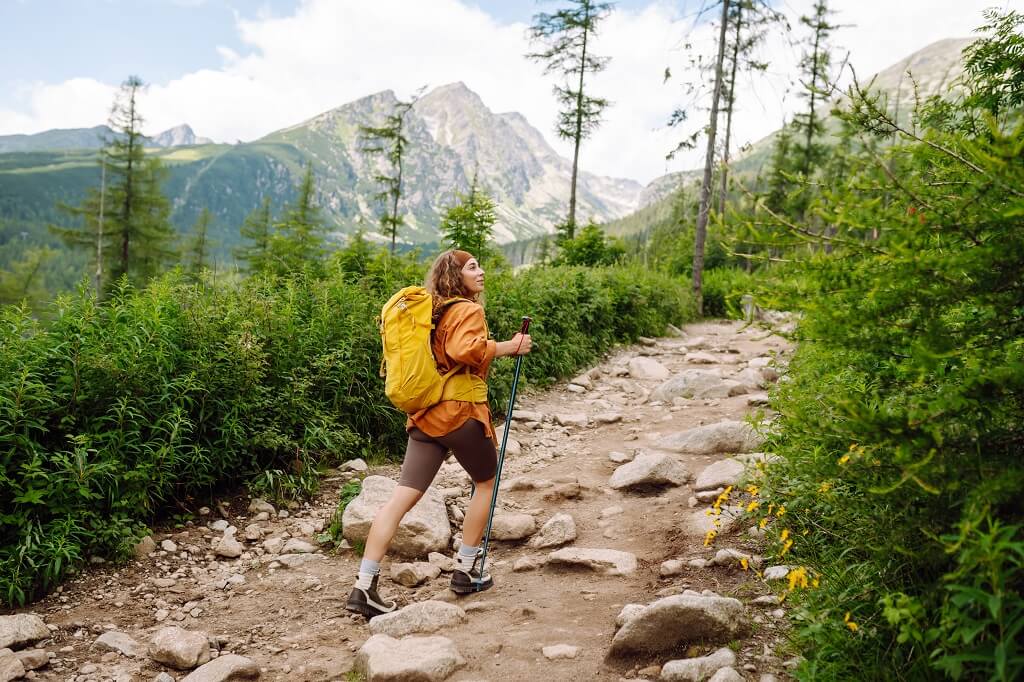
Planning time matters because a first mountain climb asks for more than general fitness.
New climbers need enough weeks to build endurance, strengthen key muscles, test equipment, and learn how their body reacts during longer efforts.
Beginner-friendly climbs usually require 8 to 12 weeks of training.
That amount of time gives most new climbers a chance to build aerobic fitness, strengthen their legs and core, test their gear, and practice longer walks before the actual climb.
Harder, higher, or multi-day mountains need more preparation. A 3 to 6 month training period is more appropriate when the climb includes greater altitude, longer hours, heavier pack weight, steep terrain, or several days of effort.
Several factors can shorten or lengthen a training plan:
- Current fitness level
- Altitude gain and summit height
- Route difficulty
- Pack weight
- Daily time on feet
- Snow, ice, scrambling, ropework, rappelling, or technical terrain
Beginners should build gradually because mountain climbing depends on long, steady effort rather than short bursts of energy.
Sudden jumps in distance, pack weight, or uphill training can lead to soreness, injury, or burnout. Small increases each week help the body adapt safely.
Anyone unsure about their personal physical condition should speak with a doctor before taking on a mountain challenge.
Medical advice is especially important for people with heart, lung, joint, blood pressure, or altitude-related concerns.
Learn Basic Mountain Skills
Basic skills help first-time climbers avoid small mistakes that can become large problems.
Fitness can get a person uphill, but route awareness, pacing, weather judgment, and safe descent habits help bring that person back safely.
Navigation skills should be practiced before the climb. A map, compass, GPS device, or phone app can help, but tools only work well when the climber knows how to use them.
Practice checking position, reading terrain, following a route, and recognizing wrong turns.
A smaller mini mountain or local hill challenge is a smart step before a bigger climb. Use it to test fitness, pacing, gear, food, water, clothing, and confidence.
Small practice climbs reveal problems early and help beginners adjust plans before a more serious mountain day.
A practice climb can answer important questions:
- Do boots cause rubbing after several hours?
- Does the backpack fit well under real effort?
- Is the planned pace sustainable uphill?
- Are snacks and water easy to access?
- Do clothing layers work during temperature changes?
- Does descent feel controlled after fatigue sets in?
Basic safety skills become more important when a route includes snow, ice, scrambling, altitude, ropework, or rappelling.
For ice-based routes or guided experiences, beginner climbers can also research organized options such as glacier trekking in Patagonia to see how guided access, route type, weather planning, and physical difficulty are handled in a real mountain environment.
Climbers should learn the fundamentals before those skills are needed in a stressful moment.
Build Mountain Fitness
Mountain fitness should prepare the body for slow, steady movement over many hours.
Strong legs help on climbs and descents, but aerobic capacity, balance, core control, and pacing habits matter just as much.
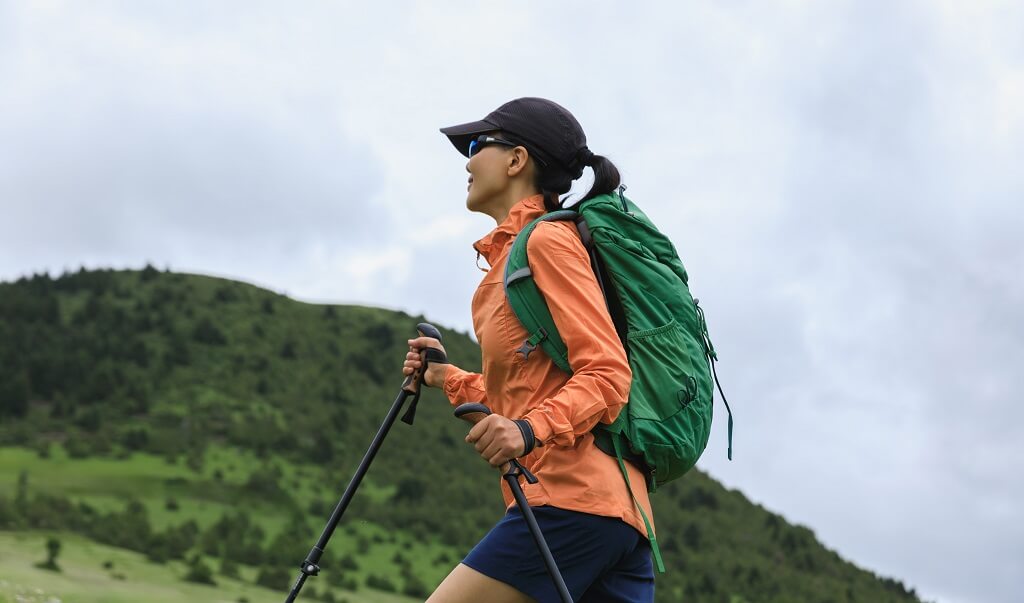
Cardio Training
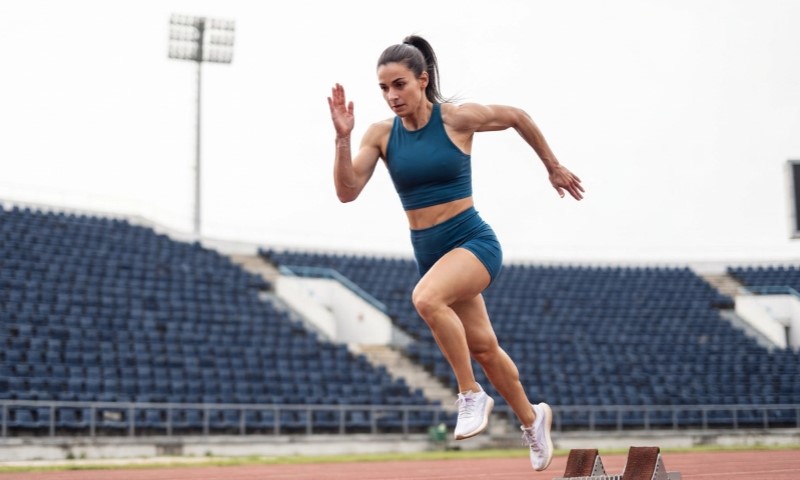
Regular walking builds the base fitness needed for mountain climbing.
Weekday walks help the body get used to frequent movement, while a longer weekend walk or hike prepares the legs and lungs for extended effort.
Aim to include one longer walk or hike each weekend lasting three hours or more.
Longer outings teach pacing, foot care, hydration habits, and energy management. They also reveal small issues with boots, socks, clothing, or backpack fit before climb day.
Useful signs of a good aerobic training pace include:
- Ability to speak in full sentences
- Steady breathing rather than gasping
- Effort that feels controlled enough to repeat the next day
- No need to stop often on moderate hills
Train at a pace where conversation is still possible. Going too hard too often can reduce aerobic efficiency and make training less useful for mountain goals.
Most beginner mountain training should feel steady, controlled, and repeatable.
Hill walks, stair climbing, treadmill incline sessions, and stairmaster workouts all help prepare the body for uphill and downhill movement.
Uphill training builds leg strength and aerobic capacity, while downhill practice prepares the knees, calves, and hips for impact and control.
Gradually practice with a backpack. Start light, then add weight slowly over time. For beginner training walks, building up to a pack of around 10 kg can be a sensible upper target, as long as the load feels manageable and does not cause pain.
Low-aerobic training is especially valuable for new climbers. Mountaineers often need to move slowly for hours without tiring too quickly. Zone 1 or Zone 2 work helps build that steady engine.
A simple weekly cardio structure can include these training targets:
- 2 to 4 regular walks during the week
- 1 longer weekend walk or hike lasting 3 or more hours
- 1 hill, stair, treadmill incline, or stairmaster session
- 1 optional cycling session of about 90 minutes
- Low-aerobic sessions lasting 1 to 3 hours
Strength Training
Strength training should support climbing movement rather than chase maximum weight. Controlled reps, good balance, and steady progress help beginners move better on uneven terrain.
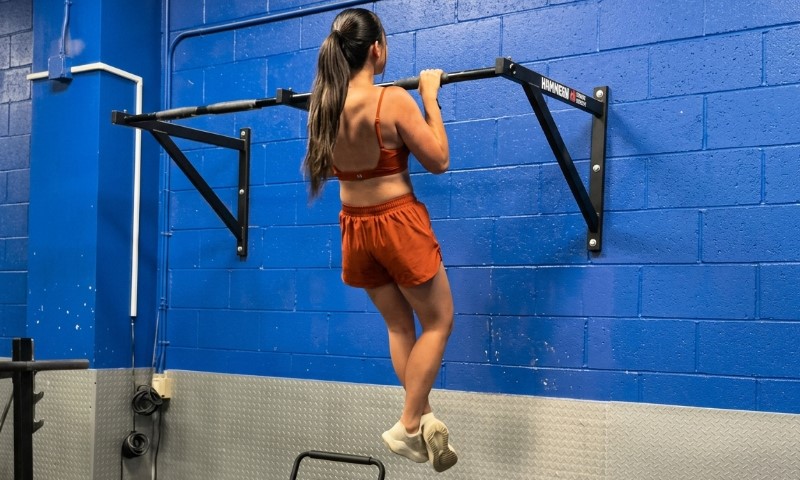
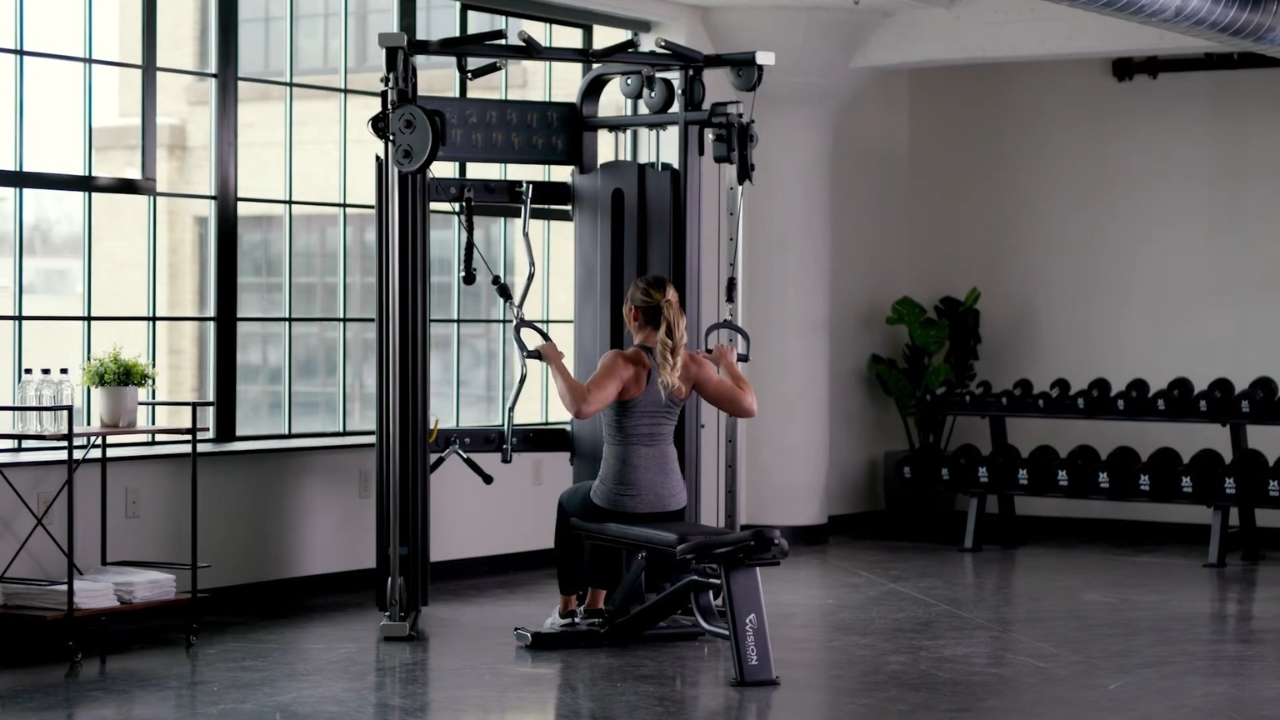
Strength training should focus on legs and core 2 times per week, with each session lasting around 30 minutes.
Consistency matters more than extreme intensity. A simple routine done regularly can make climbing and descending feel more stable and controlled.
Focus on legs, lungs, and core. Legs handle long uphill and downhill movement. Lungs support steady effort at elevation.
Core strength helps reduce strain on the hips, knees, back, and shoulders during long hours with a pack.
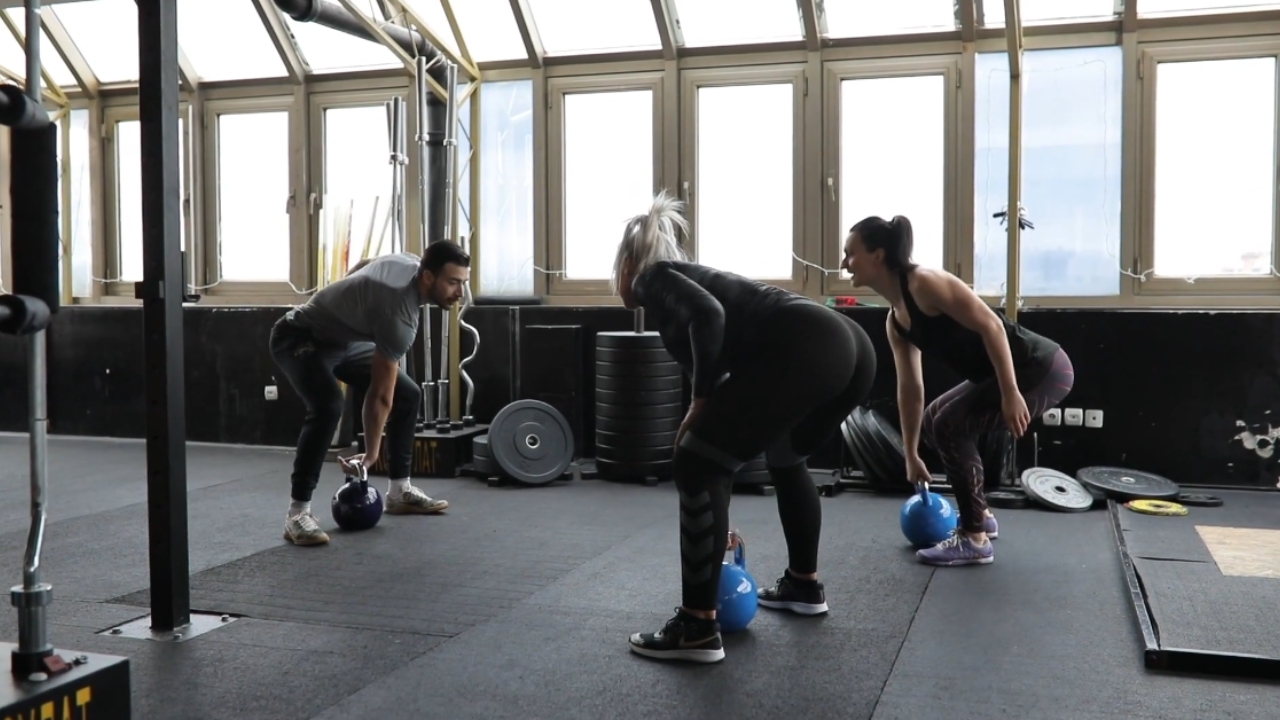
Squats and lunges are useful because they build strength for climbing steps, pushing uphill, lowering the body downhill, and moving over uneven ground. Aim for 3 sets of 8 to 12 reps. Use body weight first, then add resistance only when form feels solid.
Calf raises prepare the lower legs for long uphill sections, especially when climbing steep trails or using stiff boots.
Aim for 3 sets of 10 to 20 reps. Slow, controlled reps are better than rushing.
Balance and single-leg exercises help prepare for uneven mountain terrain.
Bulgarian split squats, step-downs, single-leg balance holds, and lateral hops can improve stability and confidence on rocky or irregular ground.
A balanced strength session can include work in these categories:
- Squat or lunge pattern
- Step-up or stair movement
- Calf strength
- Single-leg balance
- Core stability
- Controlled lateral movement
Core training should include planks, side planks, hanging leg raises, or Turkish get-ups.
Planks 2 to 3 times per week can strengthen the trunk and improve posture under pack weight. A stronger core helps the whole body move more efficiently during long climbs.
Train With Your Gear
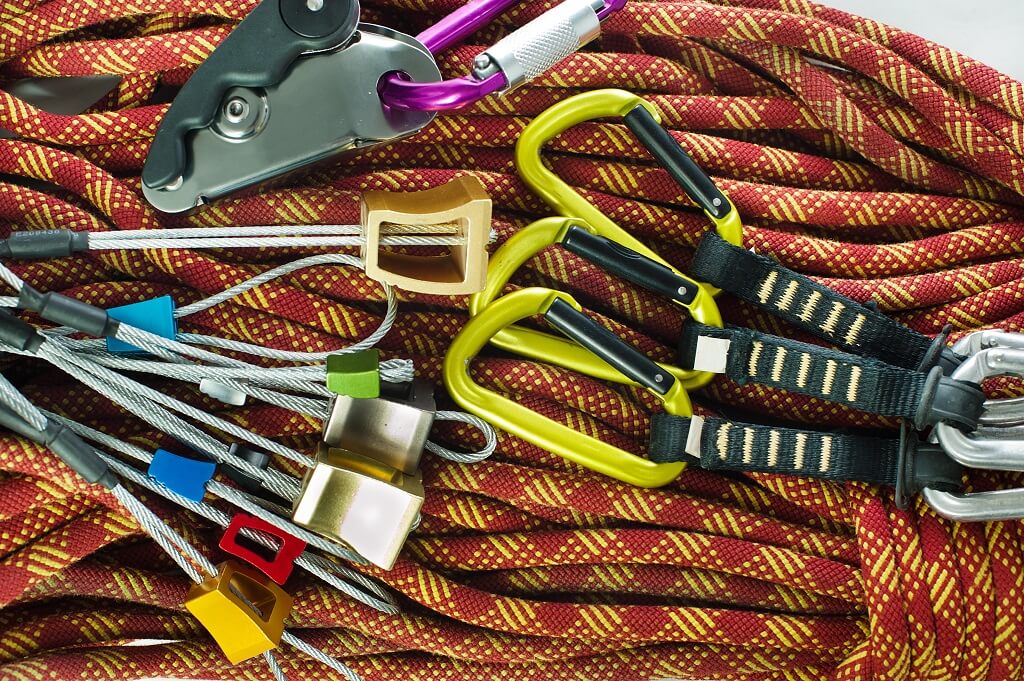
Gear should feel familiar before summit day. Small problems with boots, socks, backpack straps, or clothing layers can become serious after hours of climbing, especially in cold, wet, windy, or steep conditions.
Boots should be broken in well before climb day. New boots can cause blisters, pressure points, and foot pain if they are used for the first time on a long climb.
Wear them on short walks, longer hikes, stair sessions, and light training outings until the material softens and your feet adjust.
Many climbers choose boots half a size larger than regular shoes. Extra room can help with thicker socks and foot swelling during long exertion.
Toes should not hit the front of the boot during descents, but the heel should not slide excessively.
Training with your backpack is also important. A pack that feels fine for 20 minutes may feel uncomfortable after several hours.
Practice carrying food, water, layers, and other essentials so the body adapts to the weight.
Before a long training hike, check these pack-fit details:
- Waist belt sits firmly on the hips
- Shoulder straps feel snug but not overloaded
- Chest strap improves stability without restricting breathing
- Heavy items sit close to the back
- Frequently used items stay easy to reach
Use the waist belt correctly. Pack weight should sit near the center of the body rather than pulling hard on the shoulders and neck.
A well-adjusted waist belt transfers much of the load to the hips, making movement more comfortable and efficient.
Fueling and Pacing
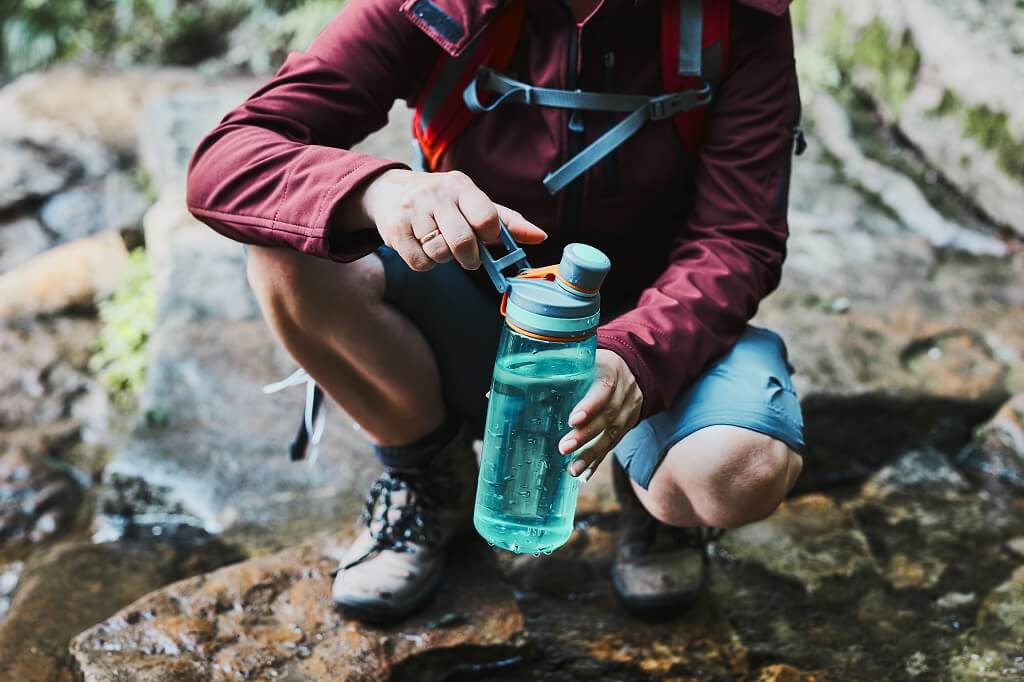
Energy management starts before the first step and continues all day.
Food, water, pace, and breathing habits work together to keep effort steady, especially during long climbs or higher-altitude routes.
A substantial breakfast helps prepare the body for hours of movement. Choose foods that provide lasting energy without feeling too heavy.
Oatmeal, eggs, toast, fruit, yogurt, rice, or similar familiar foods can work well.
Snacking little and often helps keep energy steady throughout the day. Waiting too long to eat can lead to sudden fatigue, poor focus, and slower movement.
Small snacks every hour or so are often easier to manage than large meals during a climb.
Good trail foods are easy to digest and easy to reach. Nuts, bananas, bagels, wraps, energy bars, chocolate, and quick-sugar snacks can all help.
Pack foods that have already been tested during training so there are no surprises on climb day.
Hydration planning should account for effort level, weather, and sweat loss:
- Carry enough water for the route length
- Use a hydration bladder for frequent sipping
- Carry at least a 1-liter bottle as a basic option
- Add hydration tablets during heavy sweating
- Drink before strong thirst appears
Water is essential. Carry enough for the route, temperature, and personal sweat rate. A hydration bladder or at least a 1-liter bottle can make drinking easier during steady movement.
Hydration tablets may help when sweating heavily or climbing for many hours.
Summary
Climbing a mountain for the first time is about preparation, patience, pacing, and safety.
Fitness matters, but so do tested gear, basic skills, steady fueling, and the ability to adjust when conditions change.
Train gradually, build cardio and strength, practice with your boots and backpack, learn basic mountain skills, eat and drink consistently, pace yourself, and respect the mountain.
A safe and enjoyable first climb starts long before summit day.