
Walking back into a gym after losing 20, 30, or 40 kilograms can feel oddly unfamiliar. The room is the same, yet your body may be carrying less muscle, working with different loads, and recovering differently from training. Significant weight loss can include a loss of fat-free mass, especially after a long calorie deficit.
A 2026 meta-analysis of 34 randomized trials found that adding exercise to calorie restriction preserved an average of 0.87 kg more fat-free mass and prevented nearly half of the fat-free-mass loss seen with dieting alone.
A sensible return usually means two or three full-body strength sessions per week, lighter starting weights, conservative volume, and gradual progression. The first month is best treated as a recalibration period rather than a test of old personal records.
Leave Your Old Personal Records in the Past, for Now

Loading the bar according to memory is tempting. Your nervous system may remember the movement, but your current strength and body composition may have changed.
In a randomized trial involving adults who lost about 7% of body weight, calorie restriction alone reduced whole-body and lower-body lean mass, while exercise attenuated or prevented much of that decline.
A 2025 research review also places progressive resistance training at the center of exercise during weight management because of its role in preserving muscle, bone, and strength.
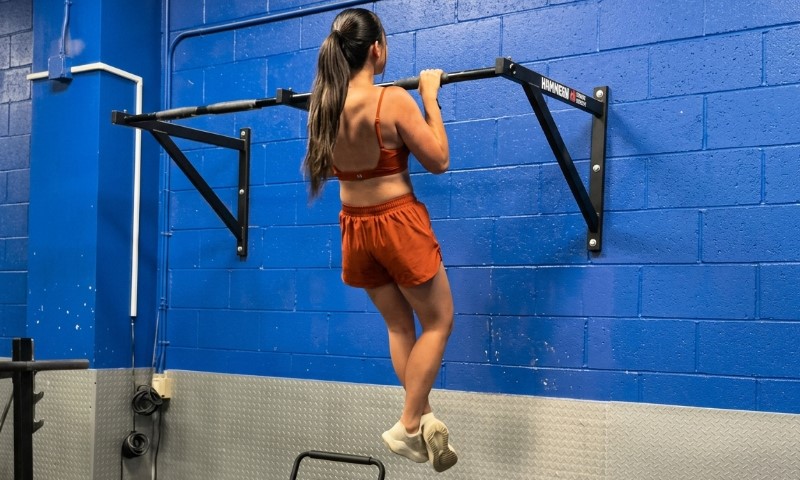
The result can feel strange. Pull-ups may become easier because you weigh less, while a barbell squat or bench press feels unexpectedly heavy. Treat old numbers as historical data. Your first job is to establish a new baseline.
Consider Why the Weight Loss Happened

Someone who intentionally lost weight over a year and feels energetic is in a different position from someone returning after surgery, serious illness, rapid unintentional weight loss, or persistent fatigue.
Medication-assisted weight loss is another situation worth considering. If semaglutide was part of the process, a semaglutide weight loss dosage chart can help clarify how an already-prescribed dose corresponds to the concentration and volume listed by the pharmacy.
Medical review is sensible before hard training when weight loss followed bariatric surgery or when symptoms such as fainting, recurrent dizziness, chest discomfort, unusual breathlessness, or unexplained changes in resting heart rate are present.
ACSM screening guidance flags several of those symptoms as reasons for medical consultation before exercise testing or training.
After bariatric surgery, the American Society for Metabolic and Bariatric Surgery advises checking with the surgeon before intense exercise.
ASMBS patient guidance also stresses hydration, lifelong vitamin and mineral supplementation, and protein intake commonly set at 60 to 100 grams per day, depending on the individual program.
Rebuild Training Tolerance Before Chasing Strength
View this post on Instagram
After a long layoff, even a modest session can make stairs feel like an engineering problem two days later. A punishing first week adds soreness without proving much about future progress.
ACSM resistance-training guidance supports full-body training two or three days per week for beginners, generally using 1 to 3 sets of 8 to 12 repetitions for major exercises.
A Simple Two-Day Starter Routine
For the first two weeks, choose one exercise from each major movement pattern and finish every set while several clean repetitions still feel available:
- Leg press or goblet squat: 1 to 2 sets of 8 to 12 reps
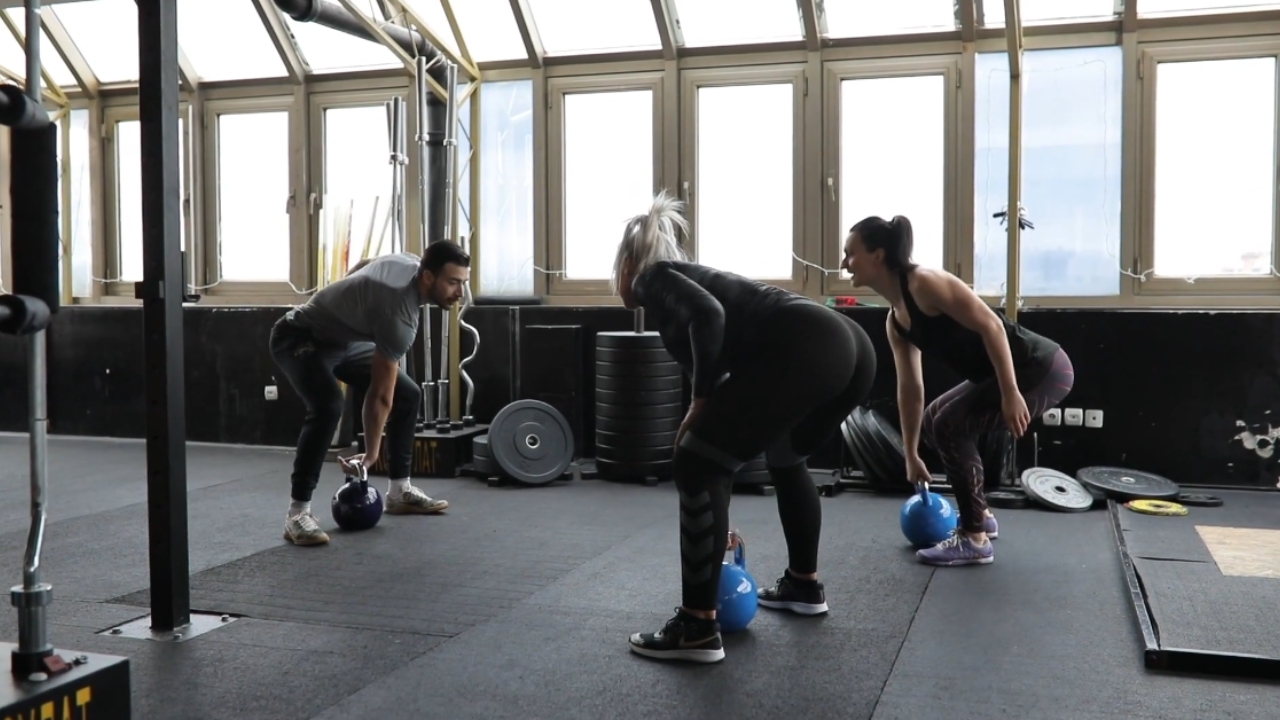
- Romanian deadlift or machine hamstring curl: 1 to 2 sets of 8 to 12 reps
- Chest press or elevated push-up: 1 to 2 sets of 8 to 12 reps
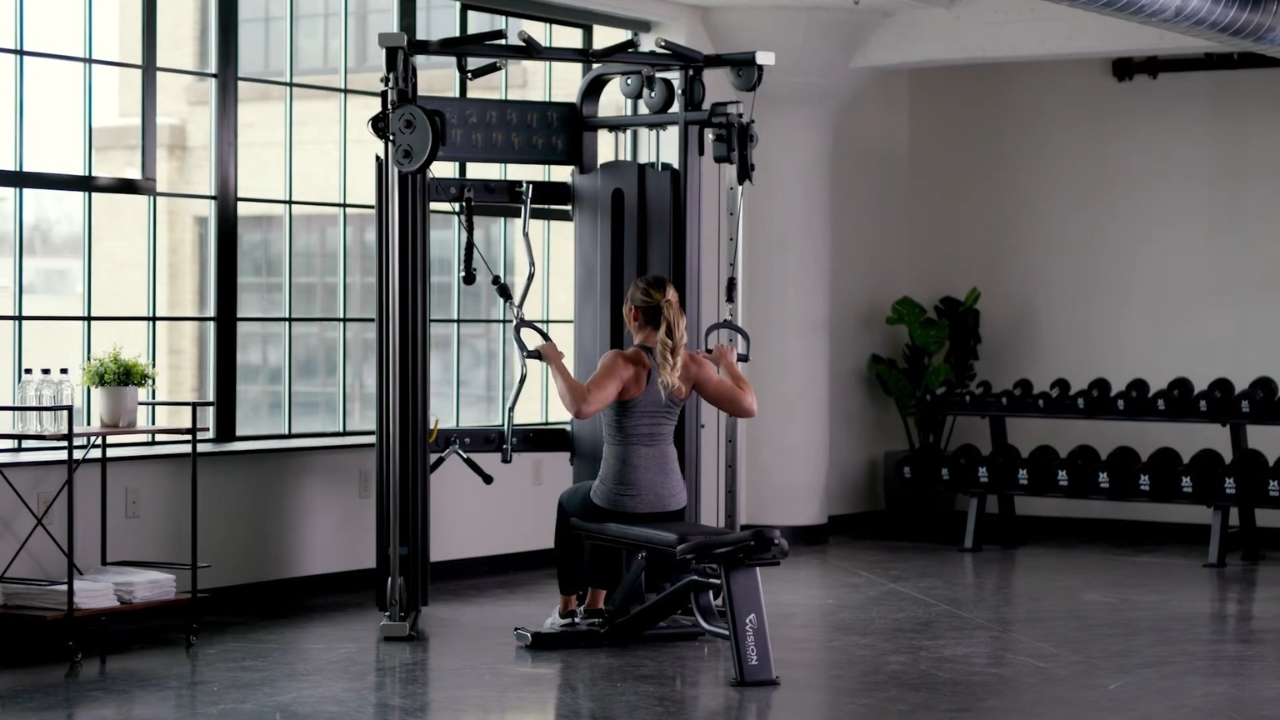
- Cable row or supported dumbbell row: 1 to 2 sets of 8 to 12 reps
- Lat pulldown: 1 to 2 sets of 8 to 12 reps
- Plank, carry, or dead bug: 1 to 2 short sets
Leave at least a day between sessions. If soreness, sleep, appetite, and everyday energy remain manageable, add a set or a third weekly session before making large jumps in weight.
Small increases are usually enough. ACSM’s progression model recommends increasing resistance by roughly 2% to 10% when a lifter can exceed the target repetition range by one or two reps in two consecutive workouts.
Put Strength Ahead of Calorie Burning
View this post on Instagram
Many people arrive at the gym after weight loss with one habit deeply ingrained: every session must burn as many calories as possible. Maintenance calls for a broader goal.
Resistance work gives the body a training stimulus that supports lean tissue and strength. Research comparing calorie restriction alone with calorie restriction plus exercise consistently favors exercise for limiting losses of fat-free mass, with strength-containing programs producing particularly favorable estimates.
Cardio still belongs in the plan. Current U.S. activity guidelines recommend that adults eventually accumulate 150 to 300 minutes of moderate aerobic activity per week, alongside muscle-strengthening work on at least two days.
A returner does not need to hit the full target immediately. Ten or twenty easy minutes after lifting can be plenty while conditioning comes back.
Eat for the Training Body You Have Now

Weight-loss habits can linger after the weight-loss phase ends.
For people whose weight loss involved prescribed semaglutide, a semaglutide weight loss dosage chart can also serve as a useful reference for understanding how a prescribed dose relates to vial concentration and syringe measurements.
Essentially, portions stay small, meals get skipped, and someone training several times a week may still be eating as though every day requires a large energy deficit.
Protein deserves particular attention. A 2024 meta-analysis covering 47 studies found that higher protein intake helped adults with overweight or obesity retain more muscle during weight loss. Intake above roughly 1.3 g/kg/day was associated with better muscle-mass outcomes, while intake below 1.0 g/kg/day was associated with a greater risk of muscle decline.
Another resistance-training meta-analysis found little additional fat-free-mass benefit from protein supplementation once total intake rose beyond about 1.6 g/kg/day in healthy adults.
For many healthy people returning to lifting, roughly 1.2 to 1.6 g/kg/day can serve as a practical range to discuss with a clinician or dietitian rather than a rigid prescription. Bariatric surgery, kidney disease, older age, very low appetite, or other medical factors can change the appropriate target.
Hydration and total energy matter as well. If every workout collapses halfway through or recovery remains poor for days, adding more training volume may be the wrong move.
Measure Progress Beyond the Scale
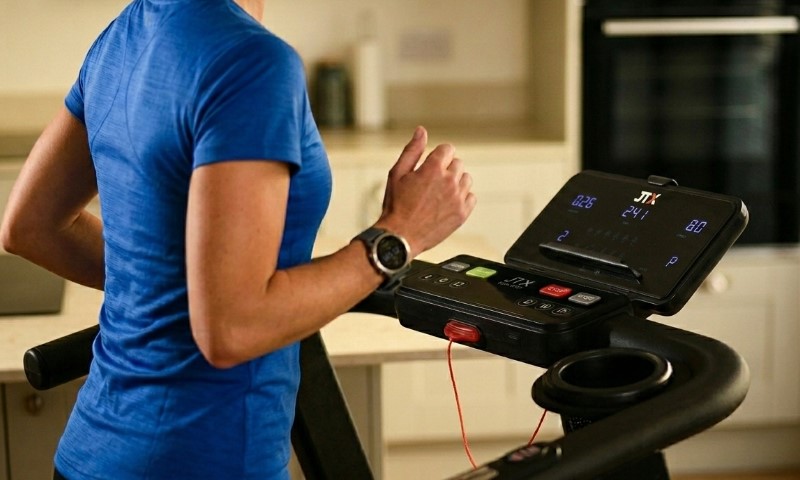
The scale probably dominated the weight-loss phase. Gym progress deserves a wider scoreboard.
Track loads, repetitions completed with good form, walking or cycling pace, rest periods, and how you feel the day after training. Body weight can still help with maintenance, but strength and function reveal changes a scale cannot.
A few weeks later, carrying groceries, climbing stairs, or getting off the floor may feel easier even before old gym numbers return. Such changes provide useful evidence that training is moving in the right direction.
Build a Comeback You Can Repeat
Returning to the gym after major weight loss works best when the opening weeks feel almost too manageable.
Re-establish movement quality, rebuild tolerance, eat enough to recover, and let strength rise in small increments.
Your old body does not set the standard. A successful return creates a stronger, more capable version of the body you have now.