
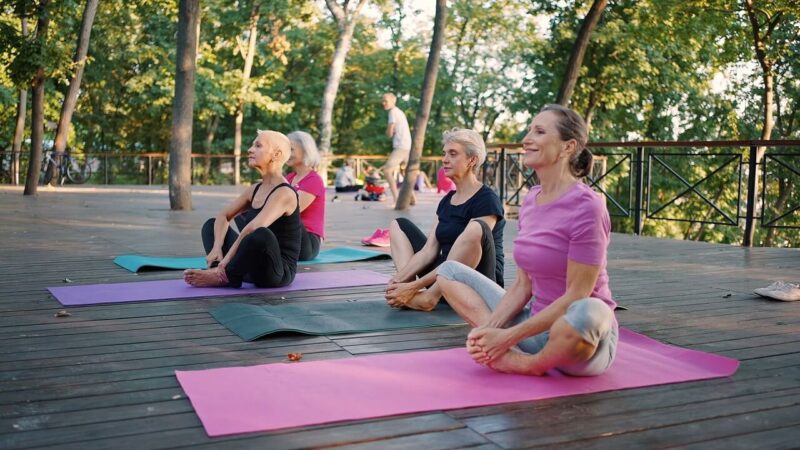
Retirement often brings major changes to a woman’s daily schedule. Work routines, commuting, regular errands, and contact with colleagues may no longer create natural opportunities for movement.
Without new habits, long periods of sitting can gradually replace the activity once built into each day.
Social activities offer a practical way to create structure while supporting physical and emotional health.
Walking with friends, attending a fitness class, tending a community garden, or joining an outing gives women a reason to leave home and move regularly.
Meaningful social and productive activities may also help older adults protect their well-being and independence.
Exercise can feel less like an obligation when it includes conversation, friendship, shared goals, and enjoyable experiences.
Benefits of Social Physical Activities
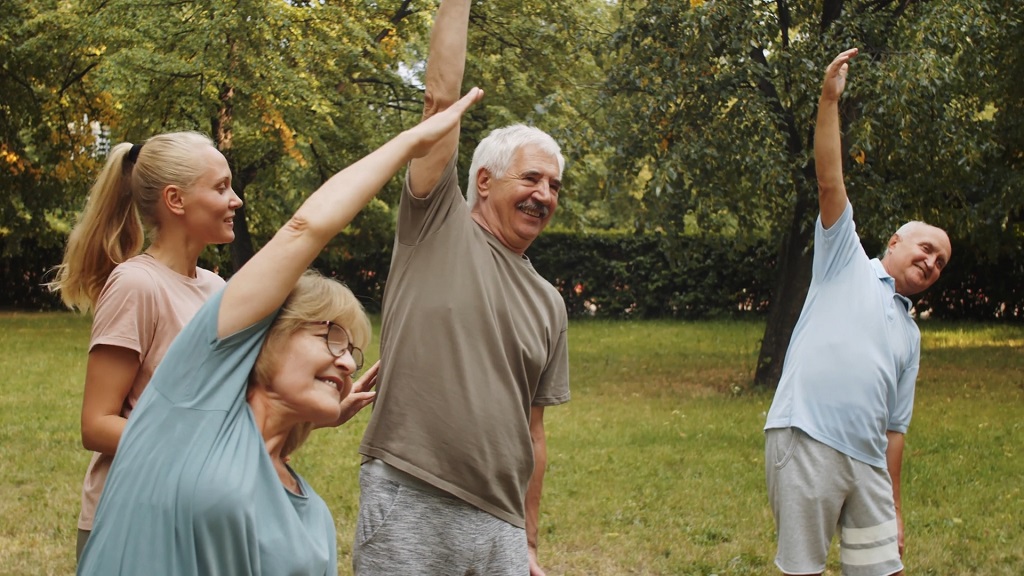
Physical activity supports cardiovascular health, muscle strength, flexibility, coordination, and balance.
Adding a social element can increase motivation and make regular participation more enjoyable.
Group settings also create opportunities to build friendships. Retirement can reduce daily contact with coworkers and other familiar people, which may increase the risk of loneliness.
Living arrangements can also make regular participation easier.
Senior independent living communities often place fitness amenities, clubs, events, and shared social spaces close to residents’ homes, creating more opportunities for exercise and everyday interaction.
Approximately one in five older Australians experiences social isolation, a problem that can negatively affect mental and emotional health.
Regular involvement in shared activities can support several areas of well-being at the same time:
- Scheduled meetings create structure and give participants something to anticipate.
- Friendly encouragement can help women continue exercising during periods of low motivation.
- Shared experiences may reduce anxiety and make unfamiliar activities feel less intimidating.
- Regular conversation and interaction can strengthen a sense of belonging.
Meaningful activities such as volunteering and exercise are associated with greater happiness, resilience, and purpose.
Social contact can also help women cope with changes related to retirement, health, family roles, or living arrangements.
Helpful Social Activities
Many activities can combine movement with companionship.
Suitable choices depend on health, mobility, personal interests, available transportation, and comfort in social settings.
Walking Groups

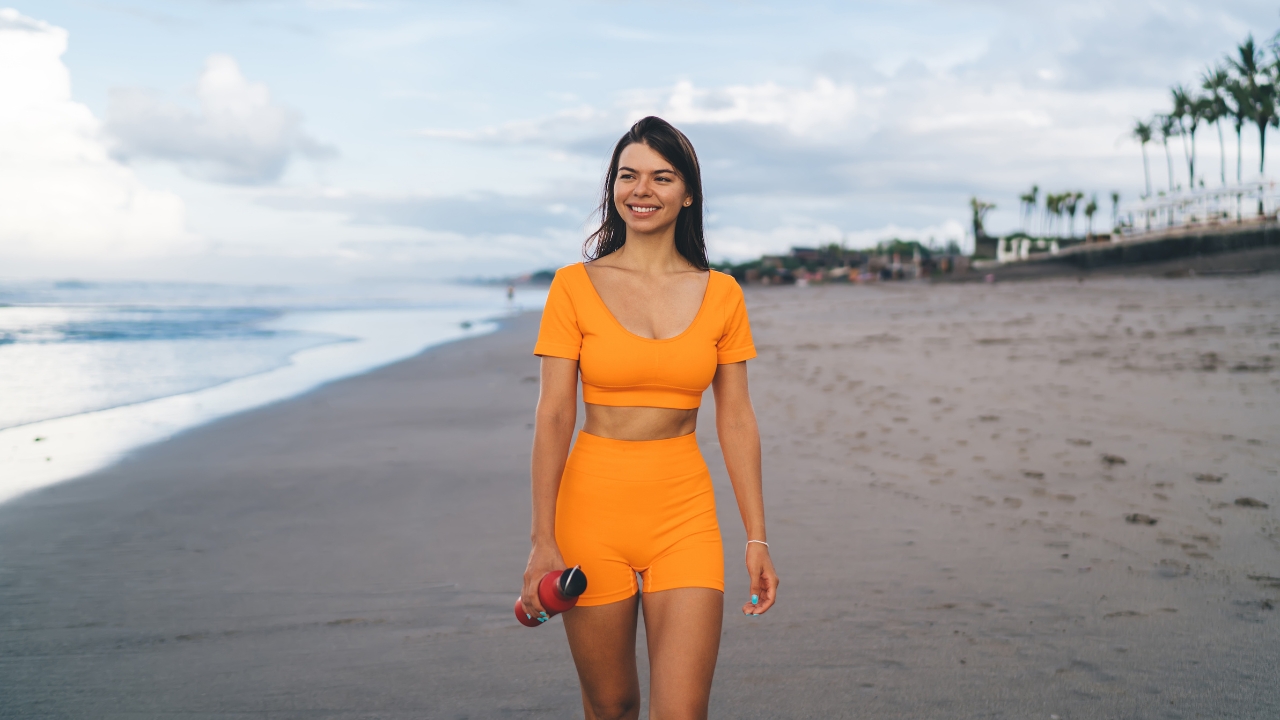
Walking groups offer an affordable and accessible way to stay active. Little equipment is needed apart from comfortable shoes, suitable clothing, and a safe location.
Companionship can make a familiar route feel more enjoyable. Conversation helps pass the time, while regular meetings encourage consistency.
Women may also feel safer walking with others, especially in unfamiliar areas or during quieter parts of the day.
Group organizers can adjust several parts of each walk to accommodate different fitness and mobility levels:
- Shorter routes can help beginners build endurance gradually.
- Flat paths can provide a safer option for participants with balance concerns.
- Planned rest stops can prevent fatigue.
- Indoor shopping centers can provide an alternative during poor weather.
- Faster and slower groups can allow everyone to walk at a comfortable pace.
Neighborhood walks also create opportunities to meet local residents and become more familiar with nearby parks, trails, shops, and community spaces.
Some groups may add a social stop for coffee or lunch, giving participants another reason to attend regularly.
Women who have not exercised recently can begin with short walks and gradually increase their time. A ten-minute walk completed several times per week can provide a manageable starting point.
Group Exercise Classes
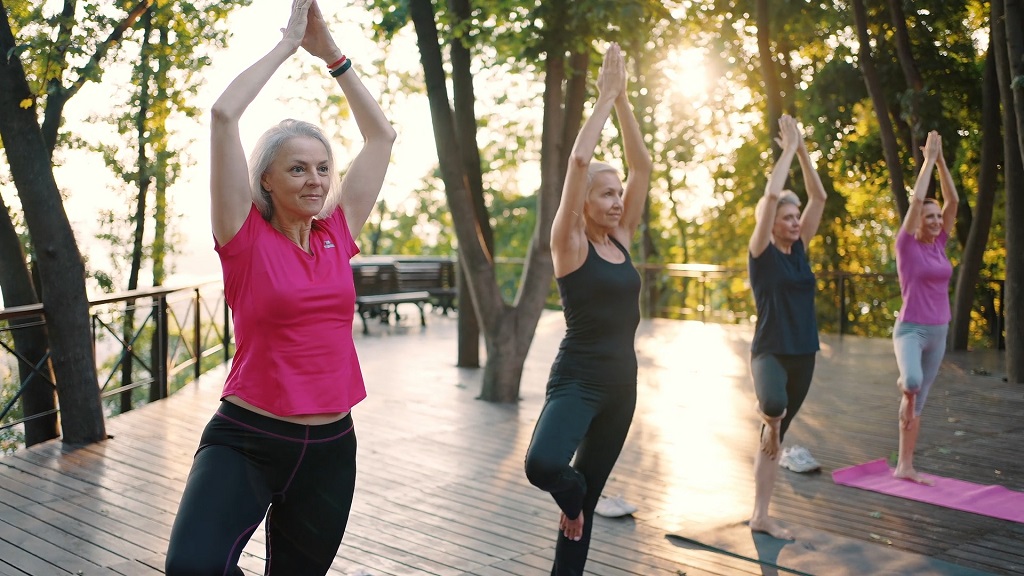
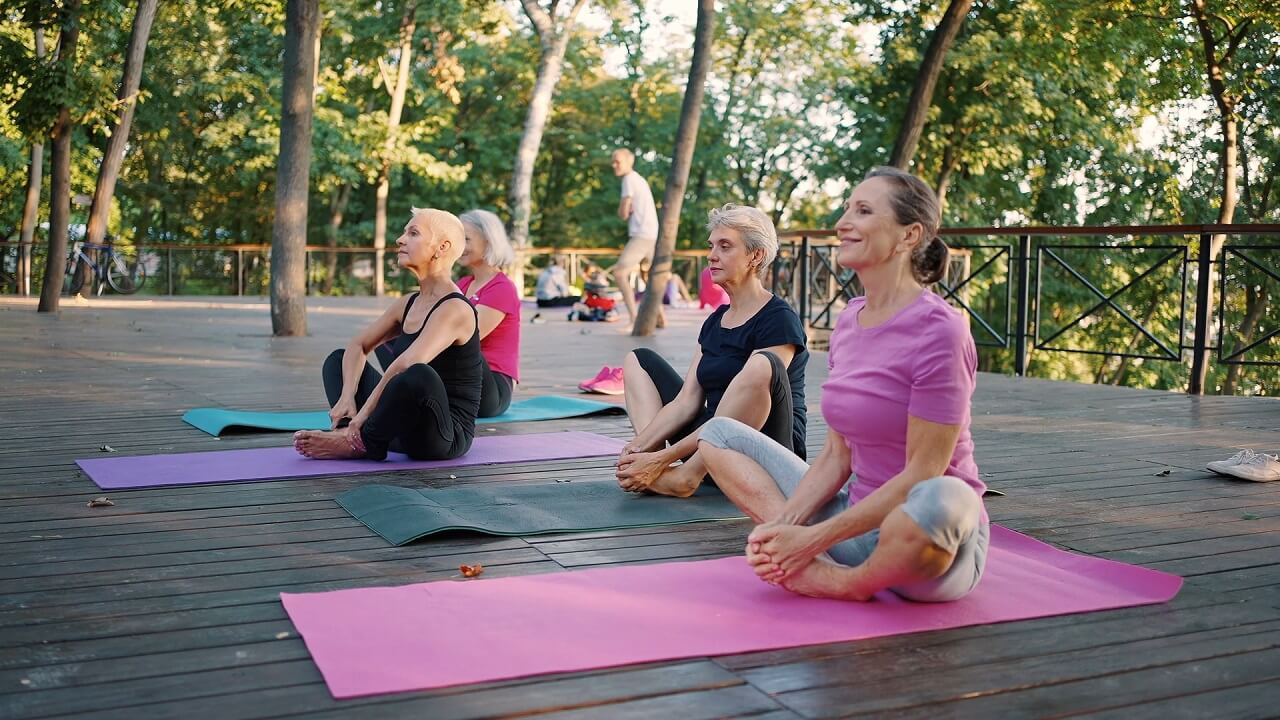
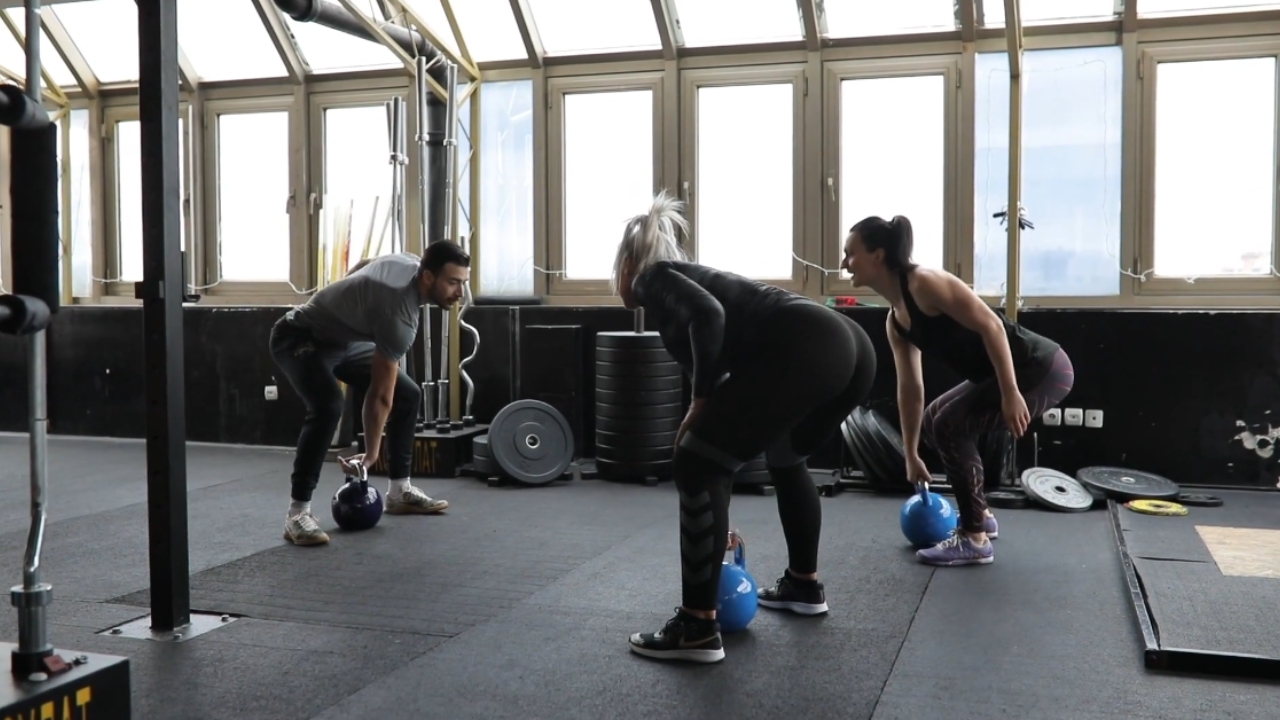
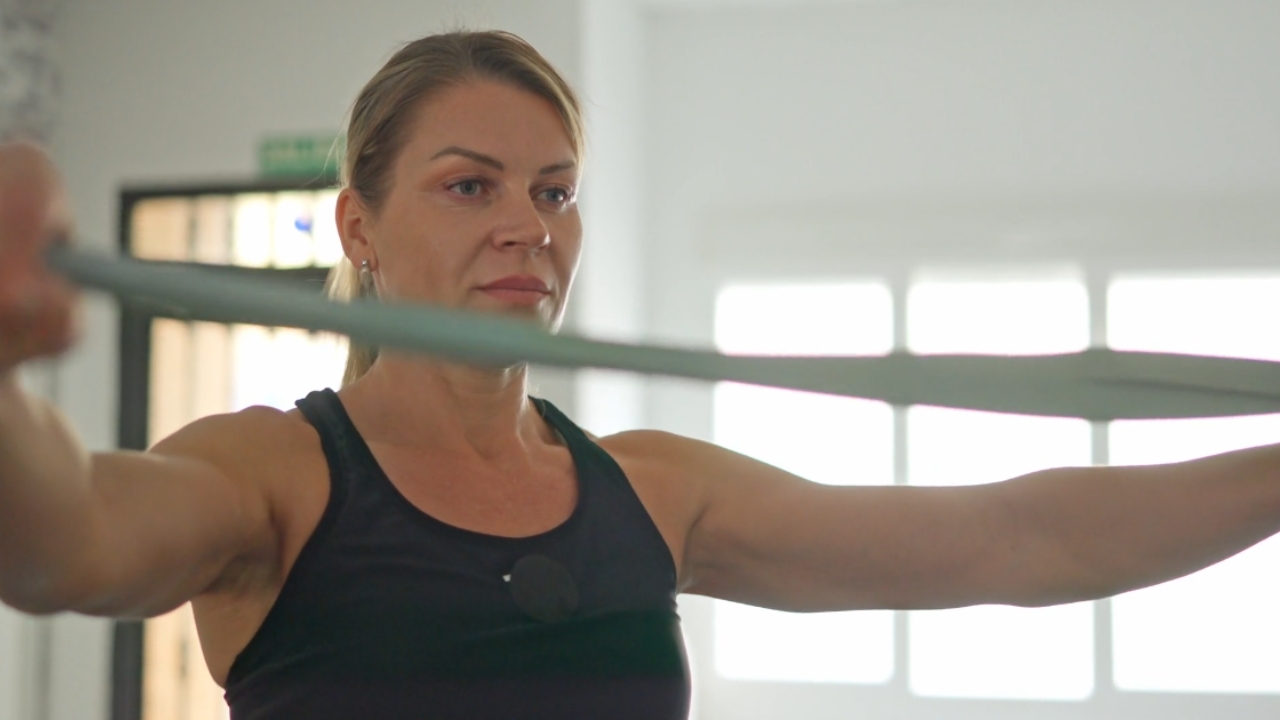
Organized classes can make exercise more approachable by providing instruction, structure, and social support. Many programs are designed specifically for older adults and can be adapted for different physical abilities.
Suitable options may include chair yoga, tai chi, water aerobics, stretching, swimming, and dancing.
Chair yoga can improve flexibility and mobility while placing less pressure on joints.
Many movements can be completed while seated or while using a chair for support, making the activity suitable for women with balance concerns or limited mobility.
Tai chi uses slow, controlled movements that can promote balance, coordination, and body awareness. Regular practice may also help reduce fall risk, which becomes increasingly important with age.
Only about one in ten Australians over age 50 exercises enough to receive cardiovascular benefits.
Supportive classes can help improve participation by offering several practical advantages:
- Fixed schedules encourage regular attendance.
- Qualified instructors can demonstrate safe movement techniques.
- Music and group energy can make longer sessions feel easier.
- Classmates can provide motivation without turning exercise into competition.
A fitness buddy can also improve attendance. Friends may travel to class together, encourage each other during difficult sessions, and celebrate progress.
Gardening and Volunteering
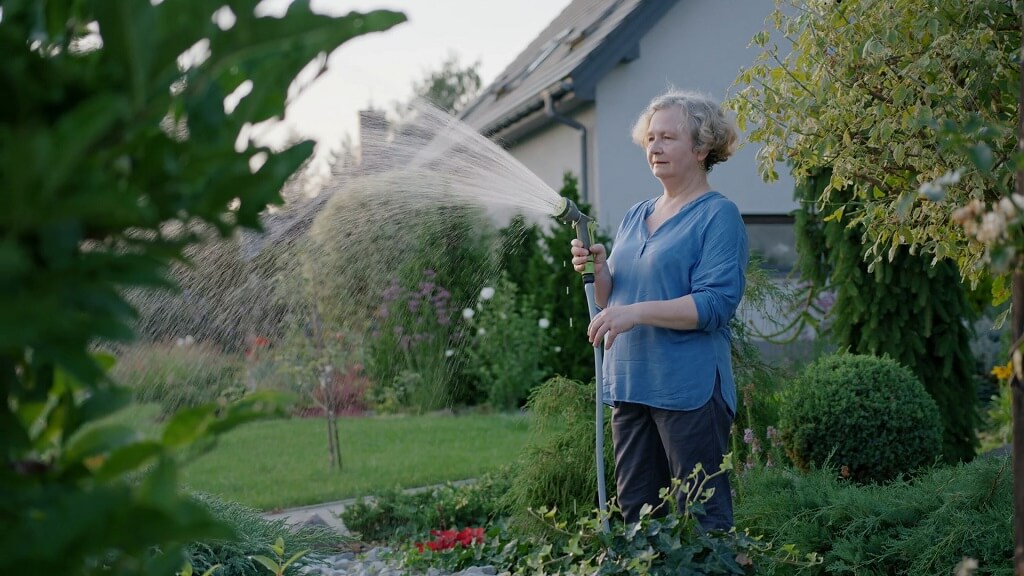
Gardening and volunteer work can add movement to the week without requiring a formal workout. Both activities also provide visible results, social interaction, and a sense of contribution.
Gardening involves bending, walking, reaching, lifting, digging, and carrying.
Such movements can provide light physical activity while helping women spend more time outdoors.
Time spent gardening may support stress relief and brain health. Research has also suggested that daily gardening may reduce dementia risk by 36 percent.
Volunteering can create similar opportunities for regular movement and community involvement. Active roles may include:
- Maintaining shared gardens
- Assisting at charity walks or local events
- Joining park or neighborhood cleanups
- Organizing materials at community centers
- Walking dogs at an animal shelter
- Supporting school or library activities that involve setting up spaces
Fulfillment often comes through knowing that time and effort are helping other people.
Belonging to a volunteer team can also reduce isolation and introduce women to new friendships.
Group Outings and Hobbies
Not every active social opportunity needs to look like exercise.
Outings and hobbies can encourage walking, standing, stretching, and light physical effort while keeping attention focused on enjoyment.
Museum visits, nature walks, local tours, dance events, and sports clubs often involve more movement than participants may expect.
Group travel can also include guided sightseeing, outdoor excursions, and visits to cultural attractions. Local day trips can provide similar benefits without requiring long travel or major expense.
Certain hobbies also include small but valuable amounts of movement:
- Photography groups may spend time walking through parks, neighborhoods, or public events.
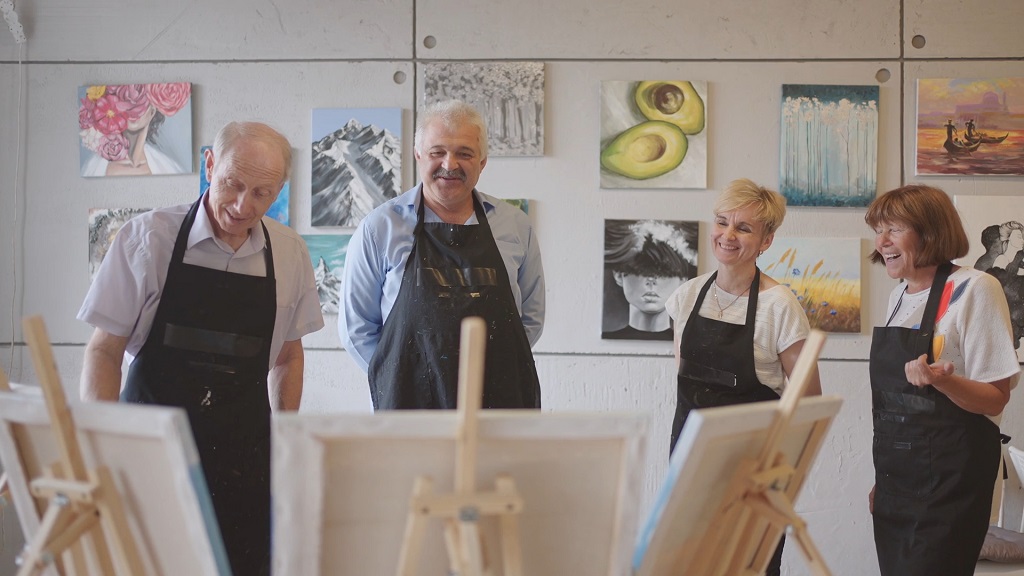
- Art classes can involve standing, reaching, setting up materials, and moving around a studio.
- Music groups may require travel, equipment setup, and extended periods of upright posture.
- Community workshops may include practical activities completed while standing or moving between stations.
Social hobbies can also stimulate attention, communication, and problem-solving. Painting, learning an instrument, taking photographs, or studying a language can keep the mind engaged while encouraging regular attendance outside the home.
Overcoming Barriers
Health conditions, transportation problems, low confidence, financial limitations, and reduced mobility can make participation harder.
Addressing such barriers early can help women choose activities they can attend safely and consistently.
Adapted exercise options can make social activity accessible to more women.
Seated workouts, chair yoga, gentle stretching, water aerobics, and smaller classes may feel safer and less intimidating.
Starting gradually can also prevent exhaustion. One or two enjoyable activities each week may be enough at first.
Additional commitments can be added after a comfortable routine has developed.
Several types of support can make regular participation easier:
- Family members or caregivers may provide transportation.
- Senior centers may organize rides, low-cost classes, or local outings.
- Community organizations may offer accessible venues and adapted programs.
- Friends can attend first sessions together and reduce nervousness.
- Organizers can explain accessibility, class size, pace, and equipment needs in advance.
Walking groups, park activities, community gardening, library programs, and many volunteer opportunities may be free or inexpensive.
Senior centers may also offer reduced fees for exercise classes and outings.
Rural residents may have fewer in-person choices, but virtual activities can provide valuable contact.
Online exercise classes, video calls, digital book clubs, and virtual social groups allow women to participate at home.
Summary
Social activities can help women stay physically active by making movement enjoyable, meaningful, and consistent.
Friendship, accountability, structure, and shared experiences can turn exercise into a valued part of retirement rather than another task.
A suitable routine does not need to be intense or complicated. Regular involvement in enjoyable activities can help women protect their independence, strengthen social connections, and build a more active retirement.