


Outdoor running offers fresh air, changing scenery, and time away from the gym. Certain weather conditions, however, can place heavy stress on your body or turn a familiar route into a dangerous surface.
Heat, humidity, thunderstorms, severe cold, strong wind, ice, and wet weather can raise the risk of illness or injury. Checking air temperature alone is not enough. Heat index, wind chill, precipitation, visibility, and road or trail conditions also matter.
Indoor training is often the safer choice when weather interferes with temperature control, breathing, balance, or traction. A treadmill session, indoor track workout, cycling routine, or strength circuit can protect your health without interrupting your training schedule.
1. Extreme Cold

Most recreational runners should consider staying indoors when temperatures fall below 0°F, or -18°C. Extreme cold can damage exposed tissue, lower core temperature, and irritate the lungs.
Frostbite commonly affects fingers, toes, ears, cheeks, and the nose. Numbness, pale skin, waxy skin, tingling, or loss of sensation can appear as tissue begins to freeze. Hypothermia occurs when core temperature drops too low. Watch closely for symptoms that require immediate action:
- Uncontrolled shivering
- Confusion or slurred speech
- Poor coordination
- Extreme fatigue
- Slow or shallow breathing
Cold air may also irritate the respiratory system. Some runners experience coughing, chest tightness, wheezing, or a burning sensation during hard efforts. People with asthma or other breathing conditions may face greater risk.
Cold-air discomfort often improves after exercise ends, but persistent coughing, chest pain, or shortness of breath deserves medical evaluation. Anyone diagnosed with lung cancer after asbestos exposure can also review legal assistance and compensation options through https://www.lungcancergroup.com.
Thirst can feel less noticeable in cold weather, though fluid loss continues through sweating and breathing. Cold exposure can also increase urination, adding to dehydration risk.
2. Extreme Heat
@runna Running in hot weather this summer? Train smarter, not harder! In this podcast episode, we speak about everything when it comes to running in the heat: pacing, gear, hydration, and fuelling to help you heat train without burning out. Don’t forget we have also recently launched our awesome heat & humidity feature which is a no brainer for those hot summer runs! Full episode is now available to listen to via the link in bio! Tag someone who needs to listen to this! 🔥 #runningintheheat #runningtips #runner #running ♬ sonido original – _melomanos.Oficial
Running outdoors becomes increasingly dangerous when temperatures reach the upper 90s°F, or about 36 to 37°C. Risk rises even more when air temperature approaches or exceeds normal body temperature.
Sweating helps cool your body through evaporation. Hot air makes that cooling process less effective, especially during long runs or high-intensity sessions. Core temperature can continue rising even when your pace feels manageable. Several health problems become more likely during severe heat:
- Rapid dehydration caused by heavy fluid loss
- Electrolyte imbalance that affects muscles and coordination
- Heat exhaustion caused by rising body temperature
- Heatstroke, which requires immediate medical care
Warning signs may include intense thirst, weakness, nausea, dizziness, headache, confusion, chills, or unusually hot skin. Confusion, collapse, loss of consciousness, or a very high body temperature can signal a life-threatening emergency.
Early morning and evening runs may provide cooler conditions, though pavement can still release stored heat after sunset. Shaded routes can reduce direct sun exposure, but shade does not eliminate heat risk.
Moving your workout indoors is a safer option during severe heat. Air conditioning, easy access to water, and controlled pacing can help you complete the session with less physical strain.
3. High Humidity

Humidity reduces sweat evaporation, making it harder for your body to release heat. Sweat may cover your skin without producing enough cooling. A temperature that normally feels manageable can become dangerous when moisture levels are high. Heat index combines temperature and humidity to estimate how hot conditions feel to the human body.
Relative humidity above 40% may justify moving indoors when temperatures are also elevated. Even moderate humidity can create problems during intense training, long-distance running, or workouts in direct sunlight. Physical strain may appear through several changes during the run:
- Heart rate rises at a familiar pace
- Breathing becomes harder than expected
- Speed drops even as effort increases
- Coordination and running form begin to deteriorate
Your body sends more blood toward the skin to support cooling, leaving less oxygen-rich blood available for working muscles. Lightheadedness, anxiety, headache, nausea, weakness, and poor coordination can signal excessive heat strain.
Slowing your pace may help in mild conditions, but severe heat and humidity call for an indoor workout. Hydration is important, though drinking water cannot fully offset poor cooling conditions.
4. Thunderstorms and Lightning
View this post on Instagram
Running during a thunderstorm is unsafe, even when rain has not started. Lightning can strike several miles away from a storm’s center. Hearing thunder means lightning is close enough to strike your location. Immediate shelter should become your priority at that point. Safe shelter options are limited to enclosed locations that provide meaningful protection:
- A substantial building
- An enclosed vehicle with a hard roof
Open shelters, gazebos, tents, and covered porches do not provide reliable protection. Stay inside for at least 30 minutes after the last sound of thunder or visible lightning. Another storm cell may approach even after conditions appear calmer. Certain locations increase danger during an electrical storm:
- Elevated areas
- Bodies of water
- Open fields
- Fences and power lines
- Metal structures
- Isolated trees
Trying to finish a final mile is not worth the risk. Ending the run early or switching to an indoor session is always safer than staying outside during thunder and lightning.
5. Severe Wind Chill

Wind removes heat near your skin and makes cold conditions feel much harsher than measured air temperature. A reading of 20°F can feel close to 0°F when strong wind is present.
Exposed skin can freeze in about 30 minutes when wind chill reaches -19°F, or -28°C. Air temperature of 0°F combined with a 15-mph wind can create that level of danger. Headwinds also increase physical effort. Harder breathing, slower pacing, and greater fatigue can extend exposure time. Full coverage becomes especially important for vulnerable areas:
- Hands and fingers
- Feet and toes
- Ears
- Cheeks
- Nose
- Any other exposed skin
Gloves, insulated socks, a hat, a face covering, and wind-resistant outerwear can reduce heat loss, though clothing has limits. Loose layers can help trap warm air while allowing moisture to escape. Damp clothing can quickly reduce insulation, especially during long runs.
Indoor running becomes the safer option when wind chill reaches dangerous levels or when exposed skin cannot be fully covered. A protected environment also reduces the risk of falling branches, blowing debris, and sudden balance problems.
6. Ice or Freezing Rain
Ice creates one of the most serious fall hazards for outdoor runners. Black ice can be especially difficult to see because it often looks like wet pavement. A slip can injure the wrists, shoulders, hips, knees, ankles, or head. Sudden twisting may also damage ligaments and joints. Some surfaces become dangerous faster than others during freezing conditions:
- Painted road markings
- Metal utility covers
- Wooden bridges
- Shaded sidewalks
- Steps and ramps
- Untreated roads
Freezing rain can coat these surfaces within a short period. Running immediately after snow or a winter storm can also be risky when paths have not been cleared or treated. Snow may hide hazards that are difficult to detect at running speed:
- Ice
- Potholes
- Curbs
- Uneven pavement
- Debris
Packed snow may be manageable with trail shoes or footwear with aggressive tread. Smooth ice, however, provides very little grip even with specialized shoes. Skipping an outdoor run is often the safest decision during freezing rain. Indoor cardio can preserve fitness without exposing you to unstable footing or traffic hazards.
7. Cold, Wet Conditions
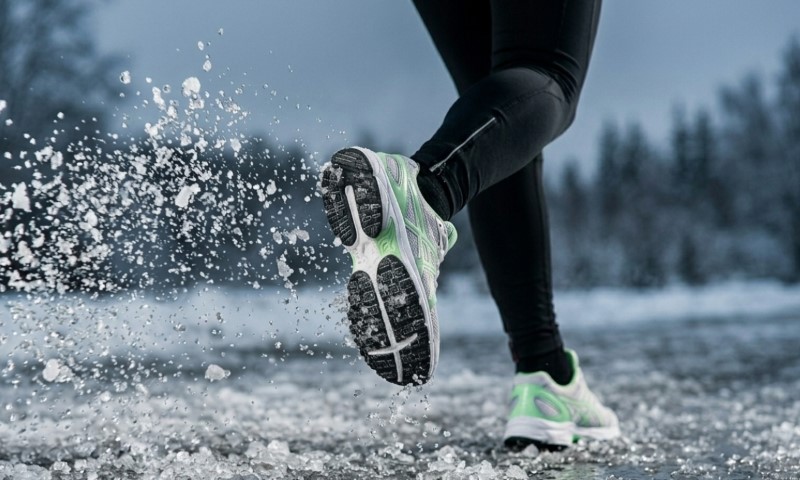
Rain, sleet, slush, and wet snow can increase heat loss by soaking clothing and footwear. Cold moisture pulls heat away quickly and can make moderate temperatures feel dangerous.
Wet cotton clothing loses much of its insulating ability. Technical layers that move moisture away can help, though persistent rain or sleet may eventually soak through many fabrics. Feet face added risk because wet socks and shoes lose warmth quickly. Common problems include:
- Numb toes
- Painful or irritated skin
- Friction
- Blisters
- Reduced sensation
Waterproof outerwear can reduce exposure, but poor ventilation may trap sweat inside. Water-resistant shoes can help in light precipitation, though puddles and slush can still soak socks. Visibility often decreases during heavy rain, sleet, or wet snow. Drivers may have difficulty seeing runners, while runners may miss potholes, debris, ice, or flooded sections of road.
Endnote
Safe running decisions depend on several conditions working together. Temperature, humidity, wind, precipitation, visibility, and footing can each change the level of risk. A manageable temperature may become unsafe when humidity or wind is added. Light rain may become dangerous near freezing, while a clear winter day may still carry severe wind chill.
Checking current conditions before each run allows you to adjust your route, pace, clothing, and workout location. Paying attention to physical warning signs during exercise is equally important.