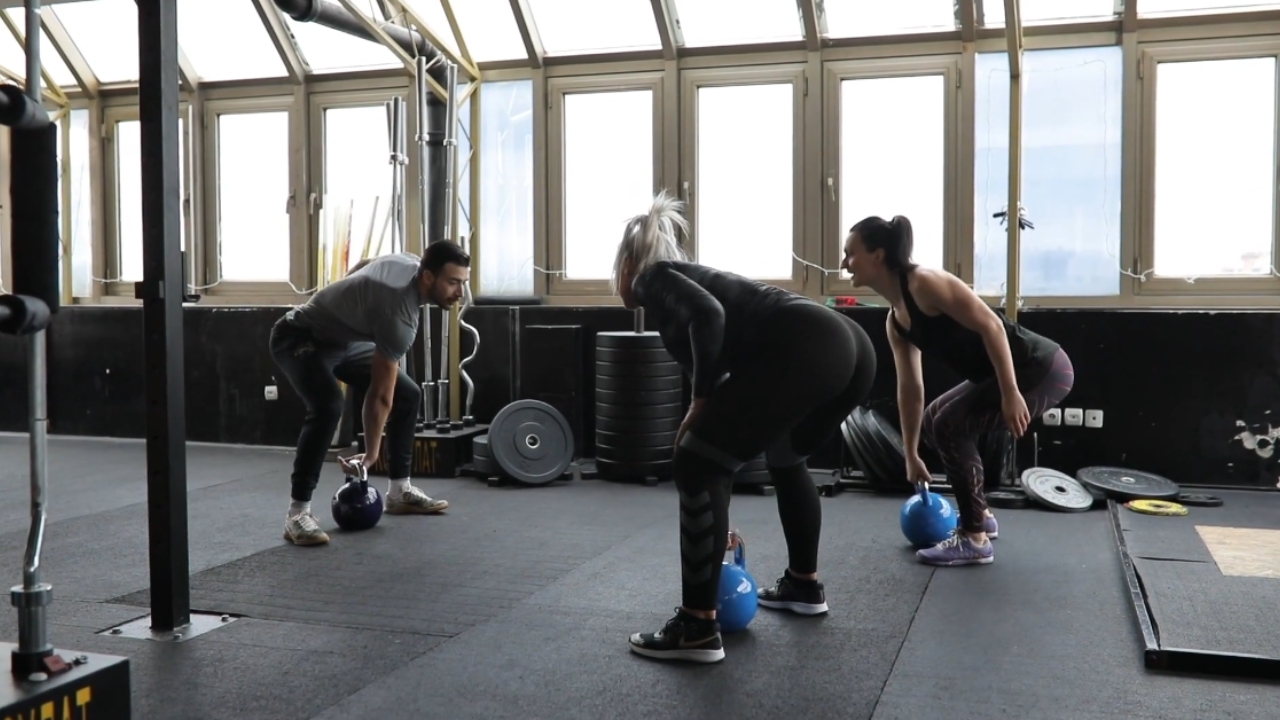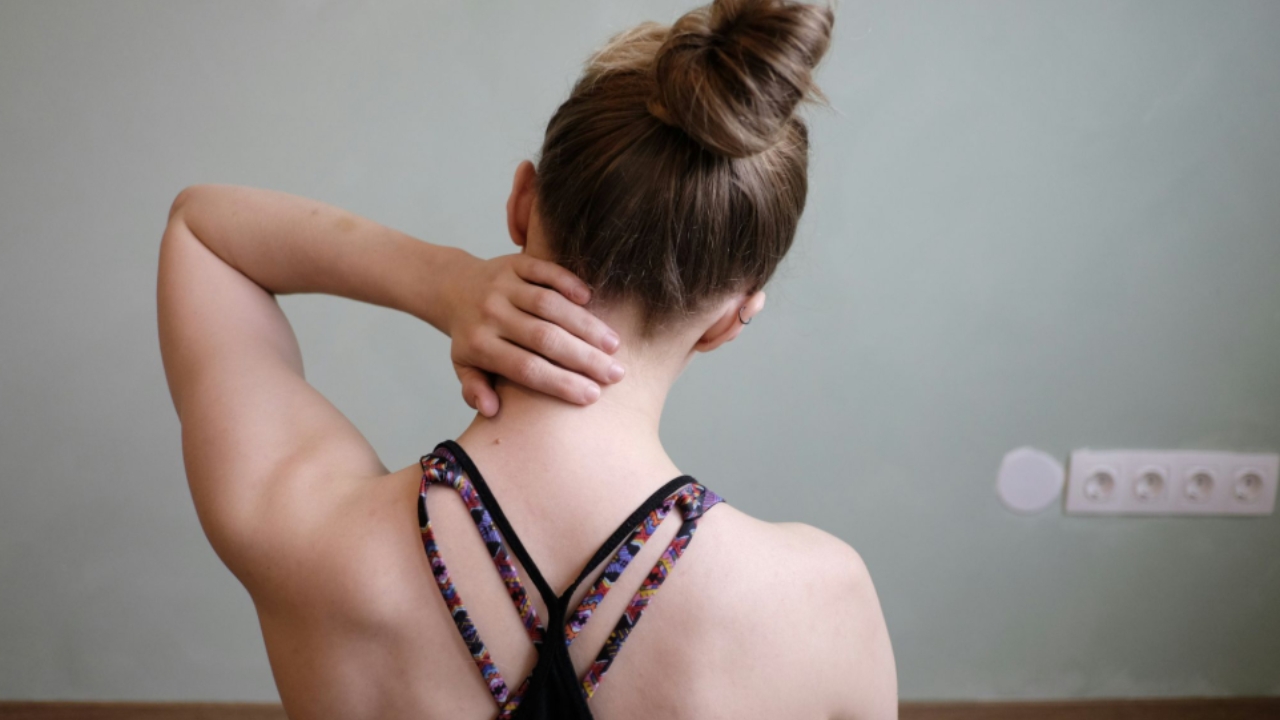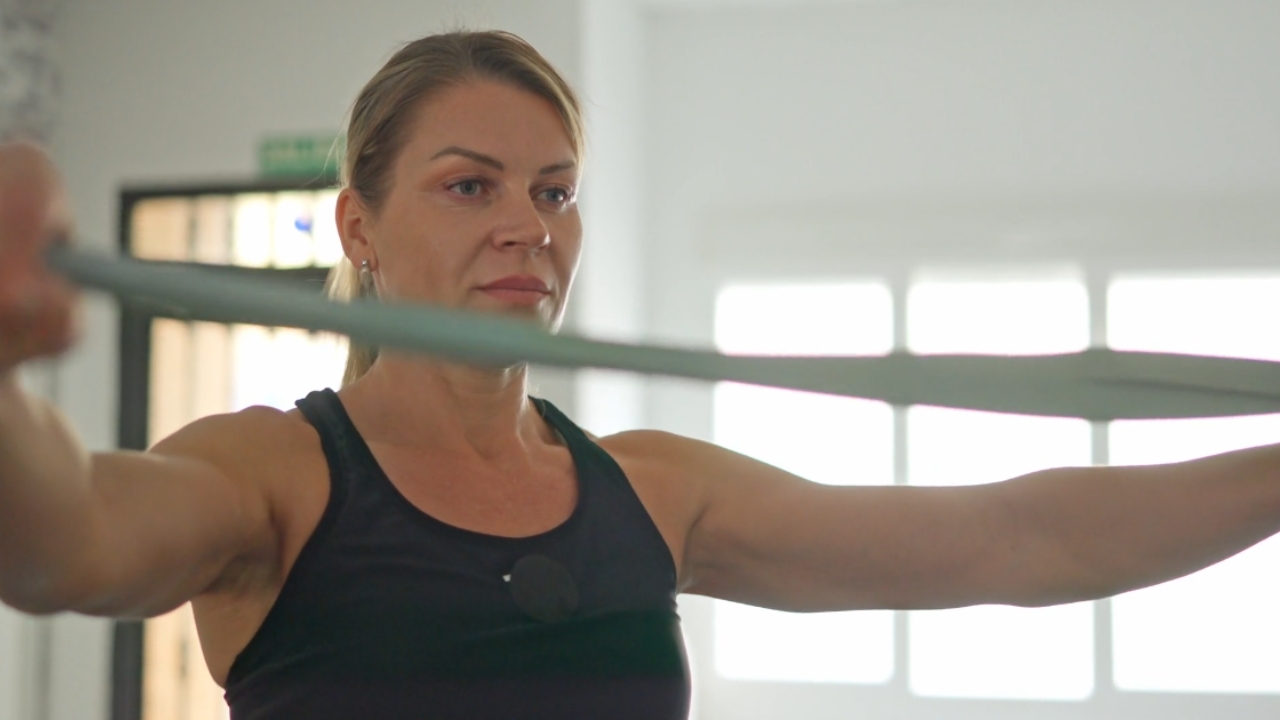

To recover faster after exercise and end workout fatigue, you must prioritize intentional hydration, gentle rest day movement, optimized sleep, and consistent heat therapy.
These simple daily adjustments help restore depleted muscle tissue, balance the nervous system, and stabilize energy levels between training sessions.
By treating this process as a requirement rather than an optional bonus, you can significantly improve workout recovery for women without overhauling your existing routine.
You followed through on every workout this week, stayed consistent with your schedule, and still woke up Thursday feeling like you had barely slept.
Your muscles feel heavy, your energy is flat, and your motivation is low. This is not a willpower or fitness failure, but rather a recovery gap. It is far more common than the fitness industry acknowledges.
Active women tend to be highly disciplined about the effort side of training, but often treat the recovery side as an afterthought.
Faster recovery does not require a complicated protocol or hours of extra free time. Building a sustainable rhythm comes down to proper hydration, gentle movement, protected sleep, and targeted heat.
This might mean starting with a simple heating pad, an Epsom salt bath, or, as experts like Sun Home Saunas often highlight, incorporating a therapeutic infrared sauna session to help stimulate circulation and cellular repair.
1. Hydration Fixed Sore Muscles
View this post on Instagram
Intense exercise depletes both your body fluids and the essential electrolytes that power muscle contractions and cognitive clarity.
Drinking water alone does not replace both of these vital elements. Dehydrated muscle tissue recovers much more slowly, and those frustrating afternoon energy crashes are often a hydration issue.
When you provide your body with the exact minerals it lost during training, you accelerate muscle soreness relief.
Athletes are highly encouraged to replace over 100% of their body mass losses in fluids, making this an important component of recovery.
Dehydration remains one of the most overlooked causes of lingering muscle soreness and afternoon energy crashes.
This habit takes exactly sixty seconds to complete and costs almost nothing. It is the easiest, highest return starting point for feeling instantly better between workouts.
2. Interesting Movement On Rest Days
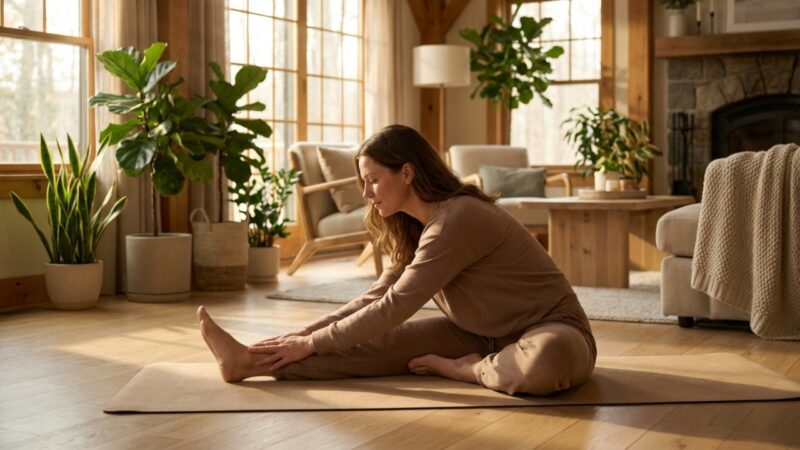
Light movement increases circulation, carrying fresh oxygen to fatigued muscle tissue and clearing metabolic byproducts that cause stiffness.
Remaining completely still actually slows this natural clearing process down. The idea that complete rest speeds recovery is one of the most persistent myths in fitness.
Your rest day movement should feel effort-free, enjoyable, and restorative. It should never feel like a compressed version of a standard training session.
Effective active recovery for women focuses entirely on blood flow rather than exertion.
-
- Spend 15 to 20 minutes doing gentle yoga or static stretching focused on yesterday’s working muscles.
- Take a slow 20-minute walk outdoors, which supports mood regulation and healthy cortisol levels.
- Try foam rolling for 5 to 10 minutes on major muscle groups like your hamstrings and upper back.
- Engage in light swimming or casual cycling if available for incredible low-impact benefits.
The goal on a rest day is circulation instead of exertion.
Frame your rest day movement as a gentle gift to the muscles that made yesterday’s hard workout possible.
3. The Secret To Deep Sleep
During deep sleep, your body goes to work repairing micro-damaged muscle fibers and resetting your nervous system. Without adequate sleep depth, this vital repair cycle is interrupted regardless of how perfectly you trained that day.
Those lingering feelings of stiffness and mental fog are often direct signs of disrupted sleep recovery. Optimizing sleep and muscle repair is essential for maintaining momentum.
To ensure adequate night-time rest, a range of seven to nine hours is widely considered appropriate for healthy adults. Seven to nine hours of quality sleep outperforms any supplement for muscle soreness relief.
These recovery habits compound beautifully, as sleeping well supports overnight fluid regulation.
Arriving at bedtime fully hydrated deepens your recovery quality, allowing these habits to stack together perfectly. Making just one small upgrade this week is enough to start feeling a noticeable difference in your energy.
4. Apply Unusual Heat For Relief

There is a very specific, recognizable sensation when deep warmth finally reaches tired muscles. You can feel the physical tension release as your breathing naturally deepens and your body shifts into restoration mode.
Heat therapy for recovery works by increasing blood circulation to fatigued tissue and gently loosening tight fascia.
This activates the parasympathetic nervous system, which is the physiological state where your deepest recovery happens. Traditional options like warm Epsom salt baths or applying heating pads to tight areas effectively trigger this response.
Research confirms that continuous heat application results in reduced pain intensity.
For women who want warmth woven into their weekly routine, the consistency of the practice matters most. Some women explore a dedicated heat ritual with a personal infrared sauna, finding it naturally fits into their wellness habits without a gym commute.
Whether you choose a simple bath or explore other infrared sauna benefits, the key is making the heat deliberate.
- Draw a warm Epsom salt bath for 15 to 20 minutes after heavy strength training days.
- Place a heating pad on chronically tight areas like your lower back for 10 minutes before sleeping.
- Treat your body’s response as the guide rather than watching the clock during dedicated heat therapy sessions.
Heat recovery works best as a consistent ritual instead of just an occasional treat.
How To Use An Interesting Weekly Recovery Reset

Bookmark this quick checklist and come back to it every single week. You do not need to do all four perfectly, but choosing one is a great start.
After Every Workout
- Drink 16 to 20 oz of water within 30 minutes.
- Add electrolytes if you sweated heavily.
On Rest Days
- Choose one gentle movement like a walk, light yoga, or foam rolling.
- Prioritize blood flow over exertion and skip intensity completely.
Every Night
- Commit to a consistent bedtime.
- Begin a 20-minute screen-free wind-down.
- Keep the bedroom cool for deeper rest.
Weekly Heat Recovery
- Try a warm bath or heating pad session after a hard training week.
- Explore consistent heat rituals as a long-term recovery investment.
FAQs
Now It’s Your Turn
@nasmfitness Recovery days are when the work you’ve already done is supported—not replaced. Intentional, low-intensity movement can help promote circulation, maintain mobility, and reinforce efficient movement patterns so you’re better prepared for future training sessions. Guided by NASM Certified Personal Trainer, gym owner, and mom Alicia, this recovery-focused flow prioritizes mobility, circulation, and intentional movement that fits real life and long-term training. Recovery Day Movements: 🚶Walking: Increases blood flow, reduces soreness, and supports overall recovery without adding stress. > Walk at an easy, relaxed pace where you can breathe comfortably and hold a conversation. 💛 Hip Openers (90/90 Rotations): Encourages hip internal and external rotation and helps maintain hip mobility through controlled range of motion. > Sit with both knees bent and feet on the floor, then rotate your hips to drop both knees to one side, aiming for a 90/90 position. Move side to side with control, keeping your chest tall and letting the motion come from your hips. 🐄 Cat–Cow: Promotes spinal mobility and body awareness through gentle, segmented movement. > From hands and knees, alternate between dropping your belly and lifting your chest, then rounding your spine and tucking your chin, moving slowly with your breath. 🏆 World’s Greatest Stretch: Targets the hips, hamstrings, and upper back to improve overall mobility. > Step into a deep lunge, place both hands inside your front foot, then rotate your torso and reach one arm toward the ceiling before returning. ⚡️Dead Hang: Encourages lat flexibility and grip endurance while allowing the body to relax under its own weight. > Hang from a pull-up bar with arms fully extended, shoulders relaxed, and breathe steadily while allowing your body to lengthen. Explore our Certified Personal Trainer course and learn how to build recovery strategies that support performance, longevity, and real-life strength. Link in bio. #foryoupage ♬ recharge – choppy.wav
Faster recovery does not require a complete lifestyle overhaul. It requires consistency with the right small things, applied repeatedly over a long period of time.
The women who feel their absolute best between workouts are not the ones doing the most. They are the ones treating recovery as the essential other half of their training.
Optimizing workout recovery for women is about trusting the process. Choose one or two habits from this list and commit to them for the next seven days.
Notice how you feel, and then consider adding another supportive habit. The gap between how you feel now and how you want to feel is smaller than you think.