
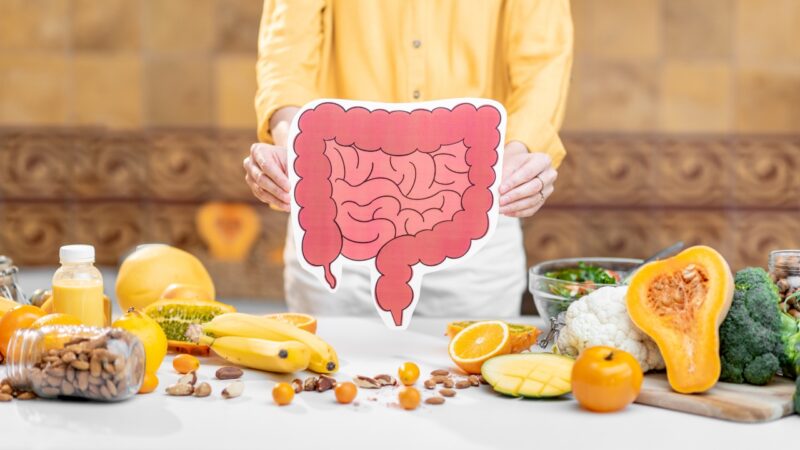
Morning habits can shape how the body feels for the rest of the day. A steady start can support recovery, digestion, energy, immune function, mood, and overall well-being.
Gut health affects much more than the stomach.
Daily choices can shape gut balance over time.
Food quality, hydration, stress, sleep, movement, medication use, and personal health history all play a role in how the digestive system functions.
A few repeatable actions each morning can help support bowel regularity, digestion, nutrient absorption, and a more settled start to the day.
Step #1 – Rehydrate First Thing

Starting the day with water before caffeine can help the digestive system wake up gently. After several hours of sleep, the body is often low on fluids.
Rehydration can help reset fluid balance and support a smoother start after overnight loss.
Water plays a key role in digestion. Good hydration can support bowel movements, help waste move more smoothly through the intestines, and make stool easier to pass.
Fluids also support nutrient digestion and absorption, which can help the body use food more effectively.
A few digestive benefits stand out here:
One simple option is warm lemon water before coffee. A practical formula can make that habit easy to follow:
Plain water still works well, so lemon is optional rather than required.
Electrolytes can also support fluid balance in some cases, especially after heavy sweating or poor sleep.
Step #2 – Add Gentle Movement to Wake Up the Gut
Five to ten minutes of light movement can help wake up the body and support the gut.
Gentle activity can stimulate gut motility and help food and waste move more smoothly through the digestive tract.
Brisk walking can help encourage peristalsis, which is the wave-like movement that pushes material through the intestines.
Yoga twists may also help reduce sluggishness and support a more comfortable digestive rhythm.
Clockwise abdominal massage is another gentle method that may help stimulate movement in the gut.
A few methods named above can support gut motility in different ways:
Movement can be helpful when bloating or heaviness shows up in the morning. Light activity may reduce that sluggish feeling without placing extra stress on the body.
Regular movement is also linked to lower stress, better digestion, and less bloating, which makes it useful for both gut support and recovery.
Step #3 – Include Probiotic or Fermented Support When Appropriate

Fermented foods can add beneficial bacteria to the diet and support gut health as part of a broader routine.
Common options include:
A simple morning shake can be one practical way to combine prebiotics and probiotics. Yogurt mixed with fruit can offer both beneficial bacteria and fiber.
Some probiotic supplements also include fibers like pectin and inulin, which may support the growth of helpful bacteria in the gut.
Some people may also use Colostrum Powder as an additional part of a broader gut-support routine.
Other options named in the material include:
Those tools may help some people, though food habits still matter most over time.
Starting slowly is important. Adding too many fermented foods too quickly may cause nausea, bloating, or other discomfort.
A gradual approach can help the gut adjust more comfortably.
Daily habits usually matter more than any single supplement. Probiotics tend to work best when paired with hydration, whole foods, stress control, movement, and regular sleep.
Step #4 – Calm the Nervous System Before You Eat

Digestion tends to work better when the body is in a calmer state.
Stress can interfere with how the gut functions, which is why nervous system regulation can be a helpful part of a morning routine.
Several calming practices can support that shift:
A few quiet minutes can help shift the body into a state that is more supportive of digestion.
Stress can affect the gut in several ways.
Key effects include:
In some people, those changes can contribute to constipation. In others, they can contribute to diarrhea or a more unsettled stomach.
One useful practice is five minutes of diaphragmatic breathing before eating. Slow breathing can help settle the nervous system and prepare the body for food.
Step #5 – Eat a Gut-Friendly Breakfast
View this post on Instagram
Breakfast can set the tone for digestion and energy levels. A gut-friendly meal in the morning should focus on fiber, prebiotics, and whole-food nutrients.
Prebiotics are fibers that feed beneficial gut bacteria. Foods that contain these fibers can help support a healthier gut environment over time.
Variety in plant foods is also important because different foods support different beneficial microbes.
Several breakfast foods fit that goal well:
Berries are especially helpful because they provide fiber and compounds linked to lower inflammation.
Practical meal ideas can make the routine easier to follow:
Overnight oats offer fiber and prebiotic support in one simple meal. Scrambled eggs with sauteed spinach can provide protein and nutrients while keeping the meal easy to digest.
A smoothie or shake can also work well for people who want something quick.
Balanced meals can support stable energy and better nutrient replenishment, which matters for recovery.
Diets high in sugar, simple carbohydrates, and processed foods may work against a healthier microbial balance and may leave digestion feeling less settled.
Step #6 – Be Smart About Coffee and Processed Foods

Coffee can be a problem for some people when consumed on an empty stomach.
In certain cases, it may increase stomach acid, worsen heartburn, or lead to poorer digestion early in the day.
A couple of simple adjustments may help:
Highly processed breakfast foods can also work against gut health.
Examples named in the material include:
Other packaged foods marketed as healthy can still contain ingredients that do not support digestion well.
High-sugar and heavily processed choices may contribute to inflammation and can disrupt a healthier microbial balance.
Habits like these may aggravate bloating, discomfort, and an uneven digestive rhythm.
A steadier breakfast with more fiber, protein, and minimally processed ingredients often supports steadier energy as well, which can help recovery.
Summary
@makes.byhand Your gut health thanks you 🥰 #healthyhabits #morningroutine #guthealth ♬ Dancing In The Moonlight x Pumped Up Kicks – darcy stokes
Recovery and gut health often improve through simple habits repeated day after day.
A short morning routine can help digestion feel smoother, support better energy, and help the body recover more effectively.
Core actions are straightforward.
Drink water early, add gentle movement, calm the nervous system, eat fiber- and prebiotic-rich foods, consider fermented foods or probiotics when appropriate, avoid coffee on an empty stomach, reduce processed foods, and stay consistent with meals and sleep.