


Trauma does not always stay in the past once the event itself is over. For some people, its effects show up in everyday routines through poor sleep, low energy, difficulty concentrating or a sudden loss of interest in activities they used to enjoy.
Exercise can be affected too. A workout that once felt like a normal part of the day may suddenly require far more effort to start. Some people stop training altogether, while others continue exercising but notice that recovery, motivation and performance are no longer the same.
Not everyone who experiences trauma develops post-traumatic stress disorder. The National Institute of Mental Health explains that reactions such as anxiety, trouble sleeping and difficulty concentrating are common after traumatic events, and many people gradually recover. When symptoms continue or start interfering with daily life, additional support may be needed.
Why trauma can make sleep difficult?
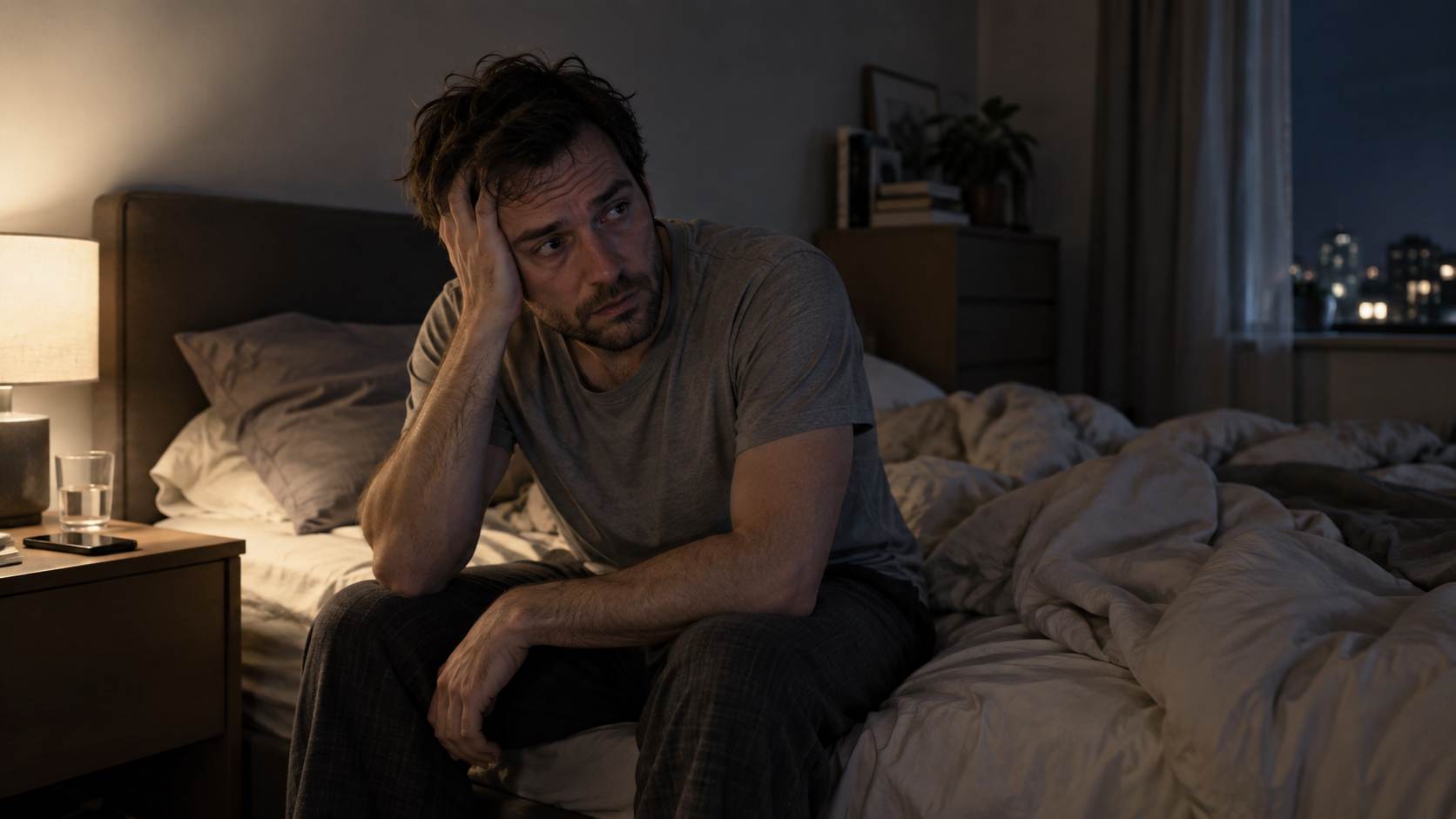
Sleep is one of the areas where the effects of trauma can become especially noticeable. Someone may feel exhausted all day and still struggle to fall asleep once they get into bed.
A heightened state of alertness can make it difficult for the body to settle at night. Small noises may become distracting, thoughts can become harder to switch off and waking during the night may happen more regularly.
Nightmares are another problem for some people. A disturbing dream can interrupt sleep and make falling asleep again difficult. After repeated nights like this, bedtime itself may start to feel stressful.
The National Center for PTSD lists insomnia and nightmares among common sleep problems associated with PTSD. It also notes that poor sleep can affect concentration, memory, reaction time and mood during the following day.

Poor sleep quickly affects daytime energy
One bad night usually produces a tired morning. Repeated sleep disruption creates a much larger problem.
Getting out of bed becomes harder. Normal tasks take more effort. Concentration may drop during work, and the idea of training after a long day can feel unrealistic even for someone who previously exercised several times a week.
Low energy can also change how a workout feels. A session that was previously manageable may feel unusually demanding. Rest periods become longer, concentration during strength exercises drops and the motivation to finish the planned workout can disappear halfway through.
That does not automatically mean fitness has suddenly been lost. Sleep quality, emotional stress and mental fatigue all influence how prepared someone feels for physical activity on a particular day.
Workout motivation can change after trauma
Loss of motivation is easy to interpret as laziness, especially in fitness culture where consistency is treated as a personal responsibility. Trauma can make the situation more complicated.
Some people lose interest in activities they previously enjoyed. Others still want to exercise but have difficulty starting. Planning a workout, getting changed, traveling to the gym and being around other people can feel like several separate tasks rather than one normal routine.
Trauma can also affect concentration. During strength training, running or a group class, attention may drift away from the exercise. Someone who previously enjoyed challenging workouts may begin preferring shorter or simpler sessions because they require less mental effort.
For another person, exercise may go in the opposite direction. Training can become one of the few parts of the day that feels predictable and controllable. Exercise itself is not the problem in that situation, but relying on intense workouts every day without enough recovery can create another source of physical stress.
@tatumcoleman11 injured season :/ @Alani Nutrition @setactive #collegestudent #injury #gymmotivation #workoutset #microinfluencer ♬ original sound – Dreskiiiii
The nervous system does not always switch off after the danger has passed
Trauma can leave a person feeling tense, alert or easily startled even when there is no immediate threat. NIMH includes feeling on guard, difficulty concentrating and trouble sleeping among the arousal symptoms associated with PTSD.
That state can interfere with both rest and exercise. At night, the person may struggle to relax. During the day, the same person may feel mentally exhausted because remaining alert for long periods takes energy.
Exercise adds another interesting layer because many normal workout sensations resemble physical signs of stress. A hard session raises heart rate, breathing rate and body temperature. For someone who associates similar sensations with panic or a traumatic experience, an intense workout may occasionally feel uncomfortable rather than energizing.
No single reaction applies to everyone. One person may enjoy hard training because it provides focus, while another may feel better beginning with walking, lighter resistance training or shorter sessions.
Low motivation and low energy are not always the same thing
It helps to separate physical fatigue from difficulty getting started.
Physical fatigue may feel like heavy legs, slower movement, poor recovery or unusual tiredness after basic activity. Low motivation is different. The body may technically be capable of training, yet beginning the session feels mentally difficult.
Both can happen together after periods of poor sleep and prolonged stress. Treating every missed workout as a discipline problem can then make the situation worse by adding guilt to an already difficult routine.
A more useful approach is to look at the pattern. If energy is consistently low despite enough time in bed, or if sleep, mood and daily functioning have changed for several weeks, the problem deserves more attention than simply changing a workout plan.
Exercise may need to look different for a while
A fitness routine does not need to disappear simply because energy and motivation have changed. The structure may need to become more flexible.
Shorter workouts are one option. Twenty or thirty minutes of movement can be easier to start than a demanding hour-long session. Walking, mobility work, moderate cycling or a basic strength session can maintain a routine without requiring maximum effort.
Training intensity can also change from day to day. A difficult strength session after several nights of poor sleep may provide little benefit if concentration and coordination are already suffering.
Some people find predictable workouts easier during stressful periods. Repeating a small number of familiar exercises removes the need to make many decisions and keeps the session simple.
Progress can return later. Keeping some form of regular movement in place is enough for periods when sleep and energy are the bigger priorities.
A consistent sleep routine can support both recovery and training
Sleep problems connected with trauma are not always fixed by basic sleep habits alone, but a regular routine can still support recovery.
Going to bed and waking at similar times gives the body a more predictable schedule. Reducing caffeine late in the day, avoiding very intense exercise close to bedtime and creating a quieter period before sleep can also remove some avoidable obstacles.
Training time is worth experimenting with as well. Someone who feels drained after work may have more success exercising in the morning or during lunch. Another person may find that moderate movement in the afternoon helps reduce tension before the evening.
The best schedule is the one that fits current energy rather than the routine that worked before the traumatic experience.
When professional support becomes important
Exercise, sleep routines and other daily habits can support overall health, but they are not substitutes for trauma-focused care when symptoms continue to interfere with everyday life.
Professional support is worth considering when sleep problems persist, nightmares repeatedly interrupt rest, anxiety remains intense, daily responsibilities become difficult or previous coping strategies are no longer working.
For women whose trauma is connected with alcohol or drug use, specialized programs can address both problems together. Trauma treatment for women within a women-only residential addiction treatment program is the best solution. Its approach includes trauma-informed care alongside therapies such as CBT, DBT and EMDR.
Someone dealing with trauma without a substance use problem may need a different type of provider. A licensed mental health professional can assess symptoms and help determine which form of care fits the situation.
Returning to exercise does not require starting where you left off
People sometimes return to training with the expectation that they should immediately perform at their previous level. That can turn the first few workouts into another source of frustration.
A better starting point is the level that fits current sleep, concentration and energy. That might mean using lighter weights, shortening a run, taking longer rests or exercising three times a week instead of five.
Energy can also change considerably from one day to another. A difficult day does not erase previous progress, and one energetic day does not mean the body is ready for a full training schedule again.
Fitness is easier to rebuild when the routine leaves enough room for recovery.
Sleep and energy deserve attention before performance

Trauma can affect far more than mood. Disrupted sleep can leave the next day feeling slower, concentration can suffer and workouts can become much harder to begin or complete.
Trying to force the old routine back into place is rarely the only option. Training can become shorter and simpler for a period, sleep can receive more attention and professional support can address symptoms that are continuing to disrupt everyday life.
Exercise can still have a place during a difficult period. The goal does not always need to be a personal record, a harder workout or another week completed perfectly. Sometimes maintaining a manageable routine is enough until sleep, energy and daily life become steadier again.