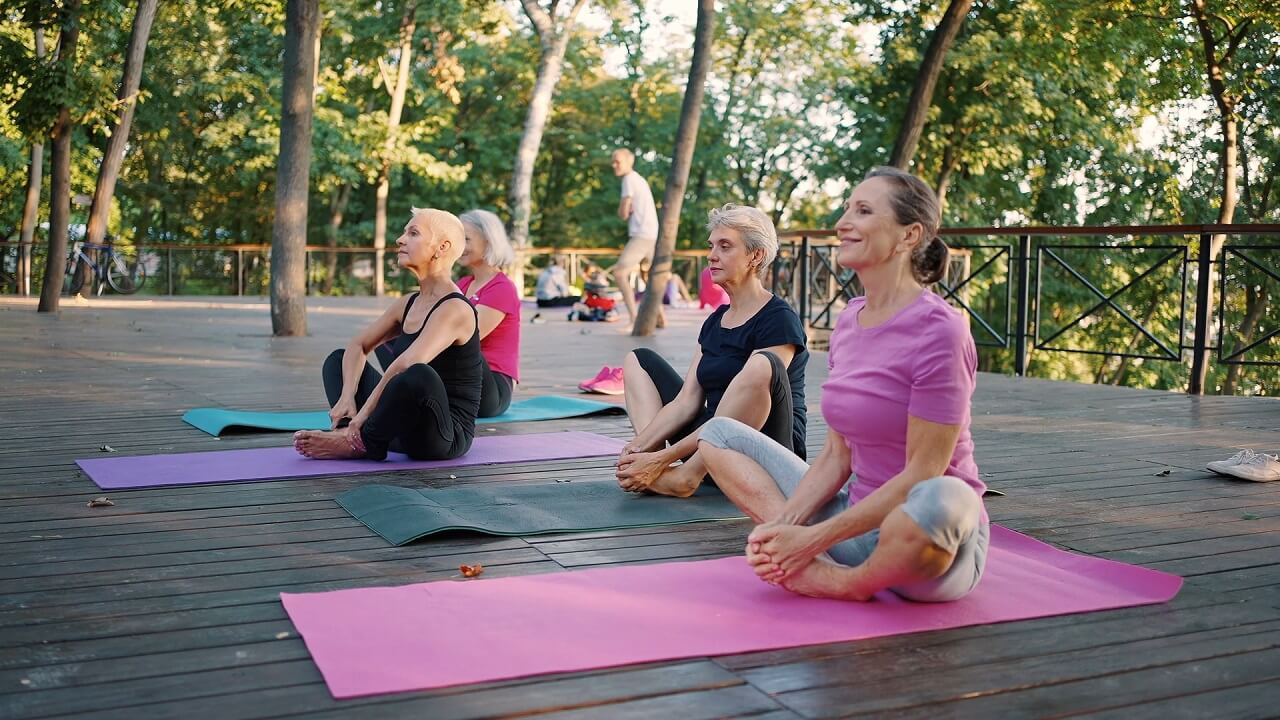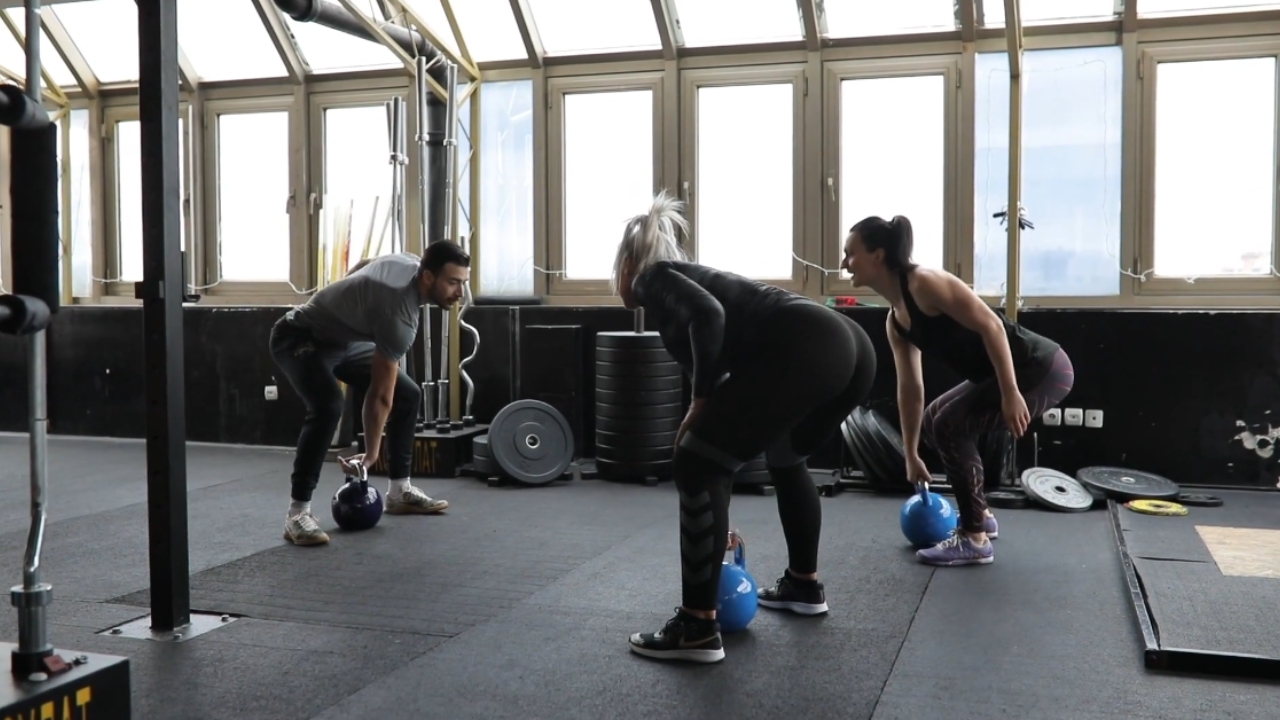
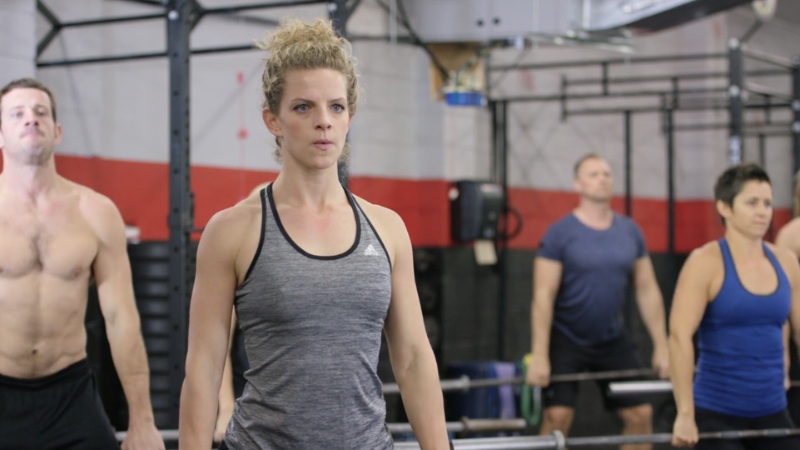
There’s something about walking into a room full of people—each one stretching, adjusting their shoes, checking their watches—that flips a switch in your brain. Maybe you came in stressed, distracted, or just plain unmotivated.
But once the music starts and the instructor calls out that first movement, something shifts. Your internal monologue, the one that’s been running on a loop all day, starts to quiet down.
You move. You breathe. You sweat. And without even noticing, you’ve stepped outside of your own head.
The Mental Noise We All Carry
Let’s be honest: modern life is mentally exhausting. We’re constantly juggling emails, finances, body image, deadlines, relationships, and expectations—often all at once. Our brains rarely get a break. Even when we’re resting, we’re scrolling, checking, calculating.
The result? A constant stream of thoughts, many of them negative, repetitive, or simply overwhelming.
This state of chronic mental noise has real consequences: increased anxiety, poor sleep, trouble focusing, and burnout. Many people spend hours looking for ways to calm the chatter—therapy, meditation, journaling—and all of these can help. But group fitness offers something unique: a physical, immersive way to redirect your mental energy.
Interestingly, this kind of structured, shared movement is also being recognized as a complementary support in various recovery settings. For those struggling with emotional regulation, trauma, or compulsive behaviors, exercise—especially in a group setting—can be a vital part of restoring balance.
In fact, some programs now include fitness sessions alongside therapy in holistic addiction treatment models, using movement not just for health, but as a mental reset and community reintegration tool.
Common Mental Patterns Disrupted by Group Fitness
Thought Pattern
How It Shows Up
How Group Fitness Helps
Overthinking
Obsessing over decisions or replaying events
Physical engagement pulls focus into the body
Negative Self-Talk
“I’m not good enough,” “I can’t do this.”
Encouragement from others builds confidence
Comparison & Insecurity
Judging appearance or performance
Shared struggle reframes effort, not outcome
Isolation & Disconnection
Feeling alone or misunderstood
Group presence offers social grounding
Catastrophizing
Jumping to worst-case scenarios
Structured workouts provide safe challenge
Why Movement Works When Talking Doesn’t
There are days when talking through your stress isn’t enough. You can journal, vent to a friend, or mentally coach yourself—and still feel stuck. That’s because stress often lives in the body as much as it does in the mind.
Your shoulders tighten, your breathing gets shallow, your jaw clenches. You’re not just thinking anxious thoughts. You’re living them in your posture and physiology.
Group fitness interrupts this loop. When you move your body—especially in an intentional, rhythmic way—you’re sending a signal back to your brain: “We’re doing something productive. Focus here.”
This physical grounding helps shut down the cycle of abstract worry and brings you into the present moment.
What’s different about group fitness versus solo exercise is the external structure. You don’t have to think about what to do next or second-guess your plan. Someone else is guiding the session.
That frees up mental space and reduces decision fatigue. All you have to do is show up and move.
Shared Energy, Shared Release
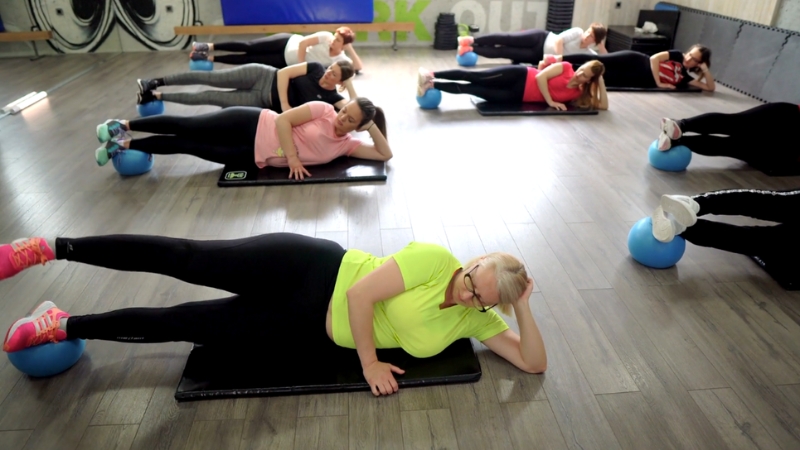
Ever noticed how much easier it feels to push through a hard workout when you’re not doing it alone? There’s a real psychological phenomenon at play here—called social facilitation—which explains why we often perform better when others are around. But beyond performance, there’s something emotional happening, too.
Group classes create a shared energy. When the instructor says, “We’re in this together,” it doesn’t just sound good—it feels true.
You look around and see people sweating, breathing hard, maybe even struggling a bit. And suddenly, you’re not alone. That emotional resonance can be grounding, especially if you’ve been stuck in your own head.
There’s no room to be lost in self-doubt when someone next to you is pushing through just like you. In moments where your internal critic says, “You can’t keep going,” the collective vibe says, “Yes, you can. We are.”
Emotional Shifts Reported After Group Fitness Participation
Emotional State (Before Class)
Emotional State (After Class)
Description
Anxious
Grounded
Movement + breath restore a sense of control
Lonely
Connected
Group energy reduces feelings of isolation
Distracted
Present
Physical demands narrow attention
Negative Self-Image
Empowered
Completing a session builds self-trust
Hopeless
Motivated
Endorphins + achievement lift mood
Source: Based on anecdotal data from group fitness participants and survey results from ACE (American Council on Exercise).
Less Thinking, More Being
One of the biggest mental health benefits of group fitness is that it creates a structure in which you don’t have to be productive. You’re not judged by your thoughts, appearance, or status. You just show up and move. And that can be incredibly freeing.
In a world that demands you to constantly think, plan, analyze, and solve, fitness classes offer a space to just be. You focus on the next rep, the next breath, the next song. That’s it.
You might come in carrying the weight of a stressful workday, a breakup, or a family issue. And for that hour, you can put it down—not because you’ve fixed it, but because you’ve found space beyond it.
Unexpected Moments of Joy
View this post on Instagram
Something else happens in group fitness that’s hard to measure but easy to feel: small, unforced joy. The music might hit just right.
You might catch yourself smiling halfway through a workout. You might high-five someone at the end, or feel a rush of pride that you stayed the whole class when you wanted to quit.
These aren’t huge moments, but they matter. They remind your brain that life isn’t just about stress and struggle. There’s room for strength, rhythm, and camaraderie—even in a dark room with neon lights and blaring speakers.
A Mental Health Tool Hiding in Plain Sight
@bdccarpenter I was diagnosed with depression about five years ago. It was one of the darkest periods of my life, and I have mentioned it a few times on here. I am *not* a mental health professional, and I do not want to sound like I am an expert. I am however very interested in this topic, so when this new research paper was published I wanted to briefly touch on it, without trying to go into the finer details too much. The conclusion was “exercise is an effective treatment for depression” and the effects were “comparable to psychotherapy and pharmacotherapy”. I think this is amazing, and I love the idea that people do more exercise. But, and I say this with so much love… I also think too many people rely on exercise too much. I know a lot of people who will openly admit that they use exercise as a coping strategy of sorts. So please just let me say that I think exercise is great. But, be careful not to put all your faith in it, because depression can be extremely serious and I think it’s important to use other tools when necessary. Just like physical health, mental health is multifaceted and I don’t think exercise is always going to be the remedy some people hope it will be. Once again, I am not a mental health professional. Just someone who cares a lot about this message and I want to amplify this hoping it will reach those of you who might need to hear it. P.S. My best-selling book, ‘Everything Fat Loss’ is currently on sale as a brand-new audiobook, plus digital/print versions from Barnes and Noble, Apple, Kobo, Google, and Amazon with an extra 10% off in the USA and an extra 30% off in Canada. Feel free to grab it before the price goes up (Iink in profile). #depression #depressionawareness #mentalhealth #exercise #health #anxiety #stress #fitness #fittok #workout #gym #gymtok #personaltrainer #bodybuilding #bodybuilder #fypシ゚viral #foryou ##fyp#fypシ ♬ original sound – Ben Carpenter
If you’re someone who struggles with anxiety, depression, or stress, you’ve probably heard about the benefits of exercise. But what often gets missed is the specific value of doing it in a group.
Group fitness isn’t therapy, but it can feel therapeutic. It doesn’t fix everything—but it makes things feel a little more manageable. It gives you an outlet, a pause button, and a small win. Over time, those small wins add up.
The best part? You don’t need to talk about your feelings. You don’t need to explain why you’re there. You just have to show up, breathe, and move with others. And sometimes, that’s enough to quiet the noise for a while.