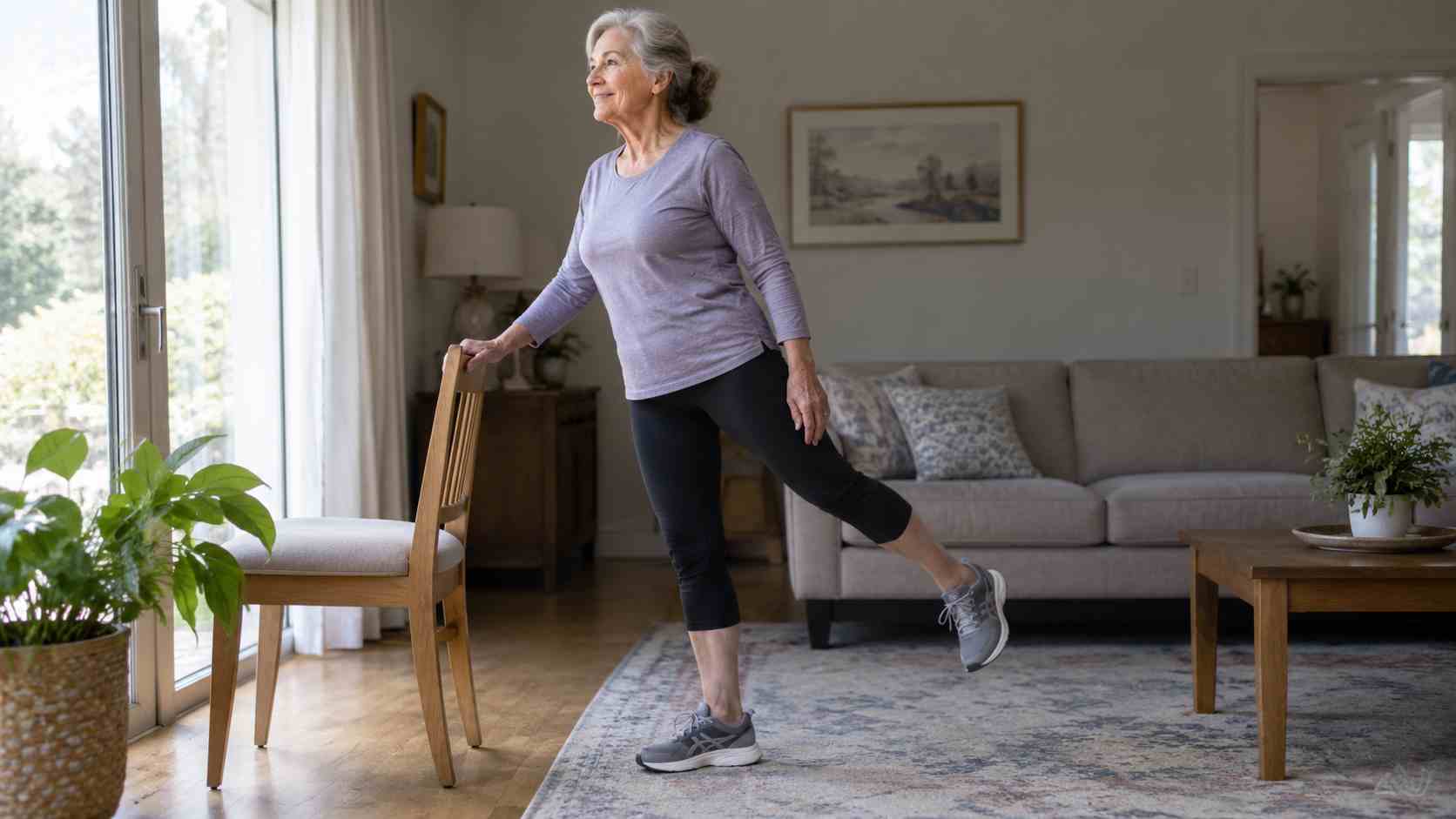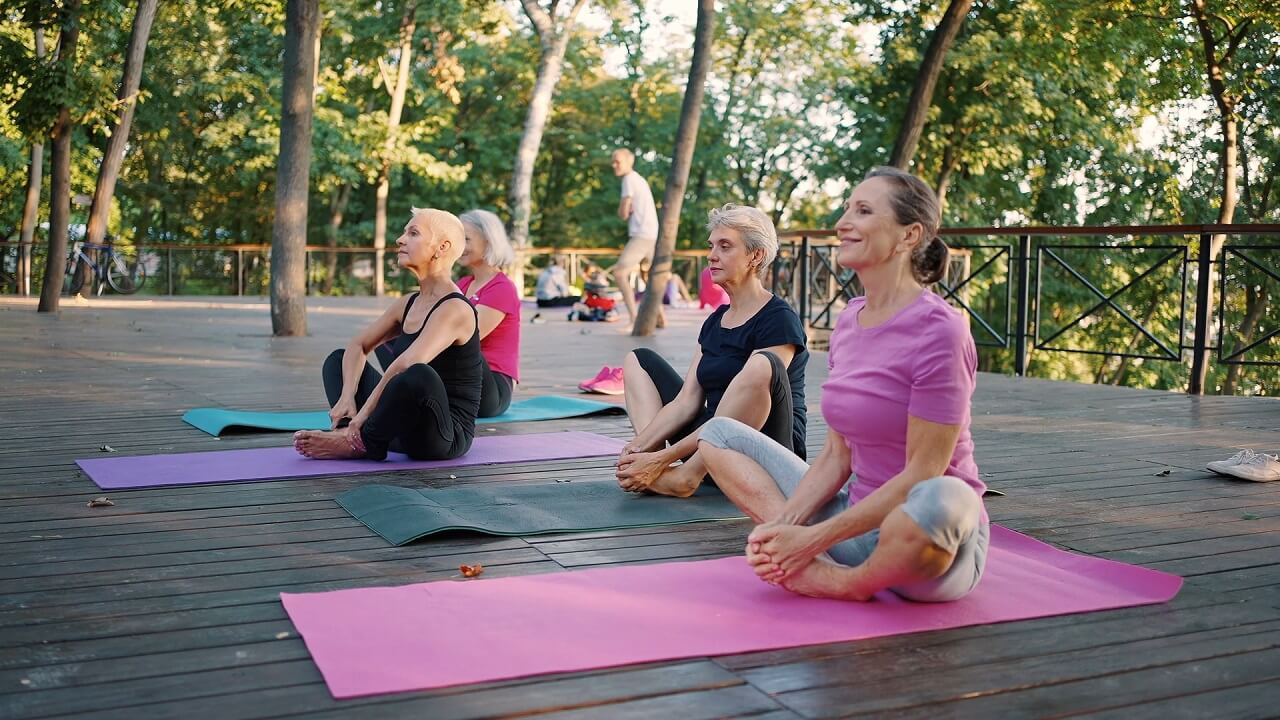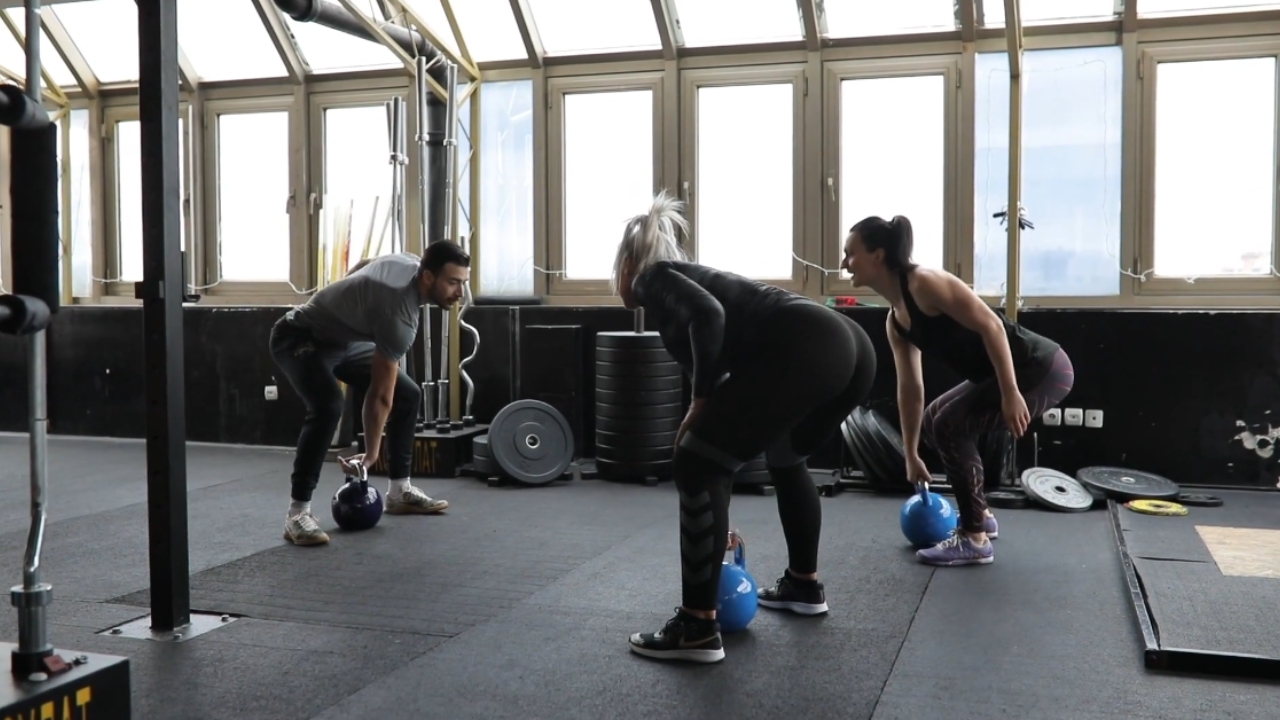

Working out with a weak immune system isn’t just possible—it’s often beneficial, as long as it’s done with the right structure and mindset. Many people living with chronic conditions, post-viral fatigue, or ongoing immune challenges avoid physical activity for fear of overloading their system. But when approached thoughtfully, movement can improve circulation, reduce inflammation, and actually support immune function.
Step 1: Type of Immune Weakness You’re Dealing With

A “weak immune system” is a broad term. For some, it may mean a diagnosed immunodeficiency. For others, it refers to general susceptibility to illness—frequent colds, long recovery periods, or constant fatigue. The underlying causes vary widely.
For example, individuals undergoing chemotherapy or organ transplant patients may have medical immunosuppression. Others may experience weakened immunity due to chronic stress, nutritional deficiencies, autoimmune disease, or viral infections that suppress immune function. The approach to training in each of these cases should be adapted accordingly.
In many situations, one key step is identifying why your immune system isn’t functioning optimally. This may involve lab work, clinical evaluation, or deeper health screenings. For those unsure about their status—especially in cases where fatigue, frequent illness, or vulnerability to infections appear without clear explanation—comprehensive immune screening is wise.
Step 2: Pick Movement That Helps, Not Hurts
Not all exercise benefits the immune system equally. High-impact or high-volume workouts, especially when done with poor sleep or under-nourishment, can suppress immune response temporarily by elevating cortisol and inflammatory markers. This is especially risky for anyone whose baseline immunity is already low.
Instead of chasing intensity, focus on movement that builds stamina without excessive physiological stress.
| Workout Type | Immune System Effect | Recommendation |
| Walking (brisk pace) | Promotes circulation and lymphatic drainage | Daily, 20–40 mins |
| Low-volume strength | Builds muscular resilience with limited stress | 2–3 times per week |
| Restorative yoga | Reduces cortisol, supports parasympathetic tone | Great for recovery and low-energy days |
| Swimming (light) | Full-body activation, joint-friendly | Use heated pools to avoid cold exposure |
| Stationary cycling | Cardiovascular without harsh impact | Keep sessions short to avoid exhaustion |
Keep in mind that the dose matters. A 20-minute walk or light circuit is enough to trigger positive change without compromising recovery. You’re aiming for sustainability, not sweat volume.
Step 3: Adapt Your Schedule Based on Energy Rhythms
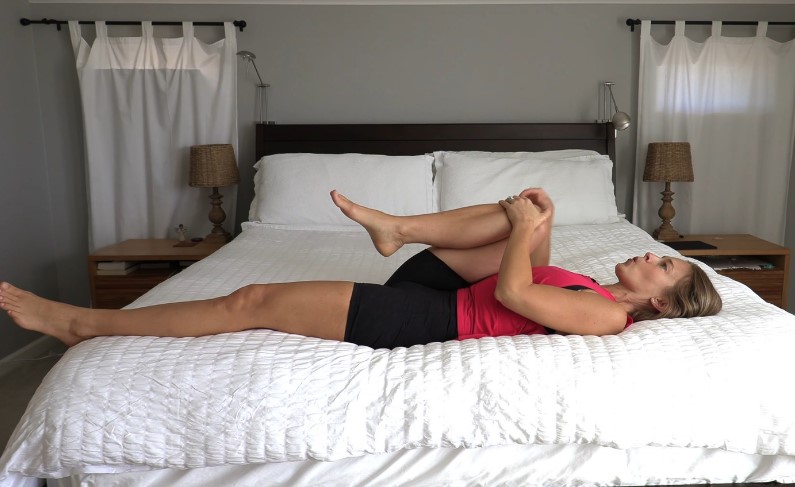
People with weakened immunity often experience fluctuating energy levels. Some days may feel close to normal, while others can bring unexpected crashes. Rather than forcing a rigid training schedule, it’s more effective to match your workouts to your available energy.
If you wake up feeling unusually tired, light stretching or a short outdoor walk might be more appropriate than your usual strength routine. On days where you feel better, you can push a bit more—within reason. Flexibility is not a weakness here—it’s essential for long-term consistency.
Here’s a way to visualize how to plan your training:
| Energy Level (Self-Rated) | Suggested Activity | Duration |
| High (8–10/10) | Moderate resistance or structured cardio | 30–45 mins |
| Moderate (5–7/10) | Gentle strength circuits, walking, yoga | 20–30 mins |
| Low (1–4/10) | Stretching, breathwork, outdoor fresh air | 10–20 mins |
The more you respect your body’s cues, the more often you’ll feel strong enough to move consistently.
Step 4: Recovery Is Not Optional—It’s Half the Work
Recovery isn’t just something you do after a workout—it’s the environment in which your immune system rebuilds and strengthens. When immunity is already compromised, recovery becomes your most important phase.
A weak immune system struggles with tissue repair, inflammation clearance, and energy restoration. That’s why post-exercise habits like hydration, sleep, and nutrient timing matter even more for you than for the average gym-goer.
| Recovery Factor | How It Affects Immunity & Exercise Recovery | Tips for Improvement |
| Sleep quality | Drives hormone balance and tissue repair | Aim for 8–9 hours with consistent bedtime |
| Hydration | Supports detox pathways and lymphatic movement | Minimum 2.5L/day with electrolytes if sweating |
| Protein intake | Essential for cell regeneration and immune cell growth | Distribute evenly across meals |
| Rest days | Allows inflammation to resolve post-exercise | At least 2 full rest days per week |
Don’t underestimate the impact of poor sleep or low hydration. Even a perfect workout plan will backfire if the body isn’t equipped to recover from it.
Step 5: Rethink Progress—Focus on Resilience, Not Output
With immune vulnerability, the goal isn’t to outperform someone else’s training program—it’s to outlast your own symptoms. That means redefining success.
Success could be:
- Having energy the next day after your session
- Avoiding flare-ups or illness during training weeks
- Seeing improvements in digestion, mood, or sleep from gentle workouts
- Being able to train 3–4 times a week without burnout
This mindset shift is powerful. It takes you from frustration to control. You’ll stop measuring your success by intensity and start measuring it by how well you feel.
Step 6: Monitor the Right Health Signals
People with weak immune systems must learn to listen to their body’s more subtle cues. A bit of muscle soreness is fine. But if you feel chills, night sweats, disrupted sleep, or recurring mouth ulcers after training—that’s your immune system waving a red flag.
In some cases, more advanced screening may be needed to fully understand what’s happening underneath. If you’re unsure, comprehensive blood work—including white blood cell count, inflammation markers (like CRP), and HIV testing—can clarify your immune baseline. It’s especially important if your fatigue is persistent and unexplained, or if your workouts cause unusual immune flares.
HIV testing should be part of a larger immune assessment for those at risk or uncertain of their status. HIV may suppress immunity gradually and silently, often mimicking generalized fatigue or increased infection risk. Early detection allows for modern treatment that helps restore immune strength. This is not about fear—it’s about making informed, empowered choices. Many community clinics offer testing discreetly, and some services now deliver home test kits to your door.
Step 7: Train Your Immune System Gradually—Just Like Your Muscles

Your immune system, like your cardiovascular or muscular system, adapts to stress. The key is to expose it to manageable amounts of physical effort—enough to stimulate adaptation, not trigger shutdown.
Rather than jumping into long or difficult sessions, build your immune tolerance one week at a time. Begin with foundational movement—light walking, bodyweight work, or stretching—and add volume or intensity slowly, over weeks or months.
Structured progression might look like this:
| Week | Workout Frequency | Average Intensity | Total Weekly Time |
| 1 | 3 sessions | Very light | 60–75 minutes |
| 2–3 | 3–4 sessions | Light to moderate | 90 minutes |
| 4–6 | 4 sessions | Moderate | 120 minutes |
Your immune system will thank you for the consistency more than it will for pushing hard early on.
Final Thoughts
If your immune system is vulnerable, your fitness plan must respect that reality—not ignore it. The goal isn’t to avoid movement, but to choose movement that supports healing, energy balance, and resilience. Done right, exercise becomes medicine—not a stressor.
Train gently. Track how you feel after, not just during. Adjust with curiosity, not guilt. And when your health picture isn’t fully clear, don’t be afraid to pursue clarity through labs, full panels, or HIV testing when relevant. These are tools that help you own your health, not limitations that define you.
A weak immune system is not a life sentence. It’s just a reason to be smarter, slower, and more strategic—and with time, you’ll become stronger than you expected.