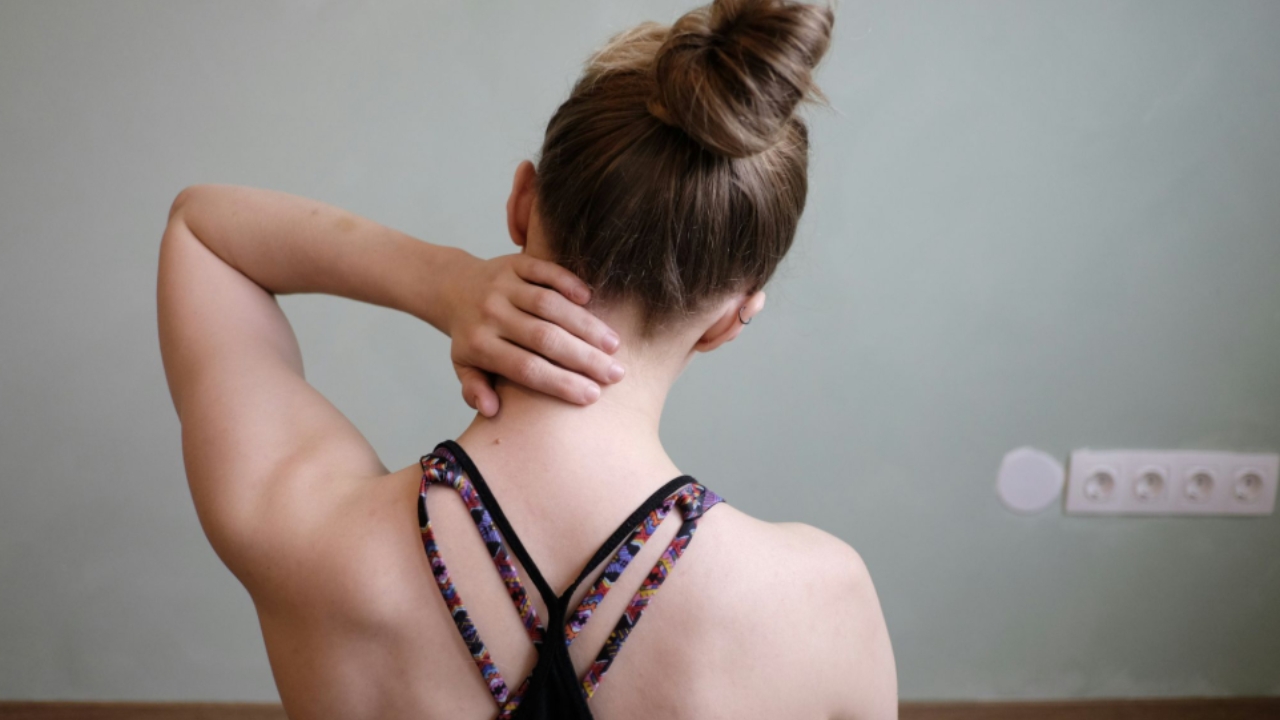


To stop workouts from ruining your hair, you must switch to low-tension hairstyles and adopt a gentle post-workout wash routine. Fueling your body with hair-supporting nutrients and using heatless volumizing techniques also protects your locks.
These targeted adjustments protect vulnerable strands from mechanical friction, sweat damage, and breakage.
You finish a tough session and suddenly watch more hair than usual circle the drain.
Perhaps you catch your reflection and notice your part looks slightly wider than it did six months ago. You tell yourself it is nothing, but the pattern keeps repeating. It is quietly unsettling for someone who works hard to take care of her body.
The habits meant to build you up may be contributing to something you never expected. Hair changes are common in active women, and they are worth paying attention to rather than panicking over.
We will walk through four practical strategies on how to protect hair during exercise. We will also address when a little added coverage can restore your everyday confidence.
Why Your Workout Might Be Stressing Your Strands

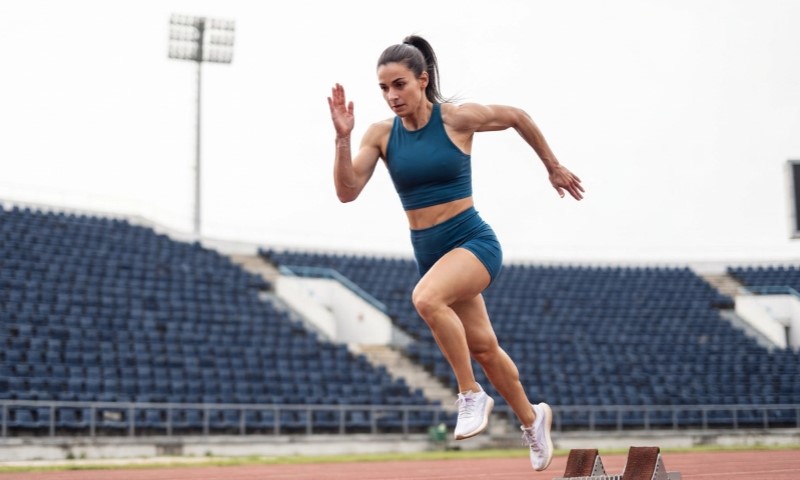
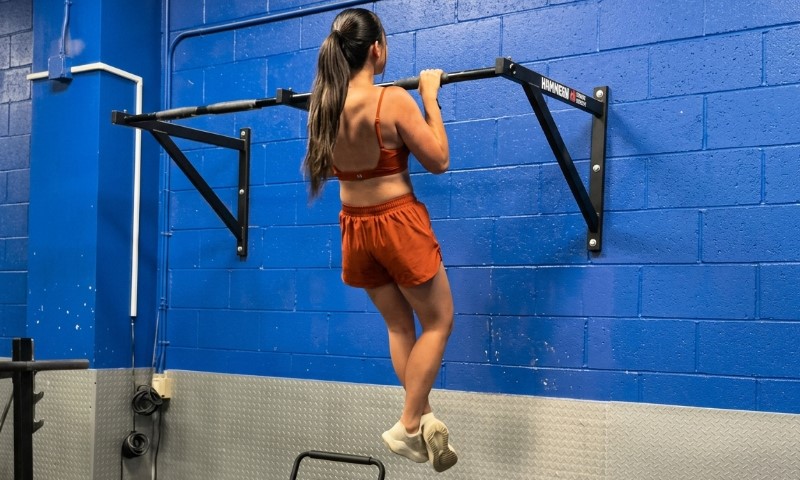
Tight ponytails and rubber elastics create repeated mechanical stress on already-vulnerable strands.
This friction is a primary driver of traction alopecia, a form of thinning that frequently occurs at the hairline. Up to one-third of adult women show hair changes related to this condition, making gentle handling crucial.
To manage visible thinning securely during workouts, active women often combine gentle styling with temporary coverage options like root touch-up powders, thick headbands, or Daniel Alain hair toppers.
Sweat itself is not the enemy, but its salt content can dry the hair shaft and irritate the scalp. This becomes particularly problematic for women who are already experiencing thinning hair.
Attempting to wash away that sweat too aggressively strips the scalp of natural oils. This weakens the cuticle and compounds the risk of breakage.
Furthermore, intense training can elevate your body’s cortisol levels. Subjecting the body to prolonged mild stress reduces hair growth and keeps follicles in an extended resting phase.
However, none of these stressors is a reason to stop exercising completely. They are simply reasons to be smarter about your post-workout hair care habits.
1. Switch to Low Tension Workout Hairstyles
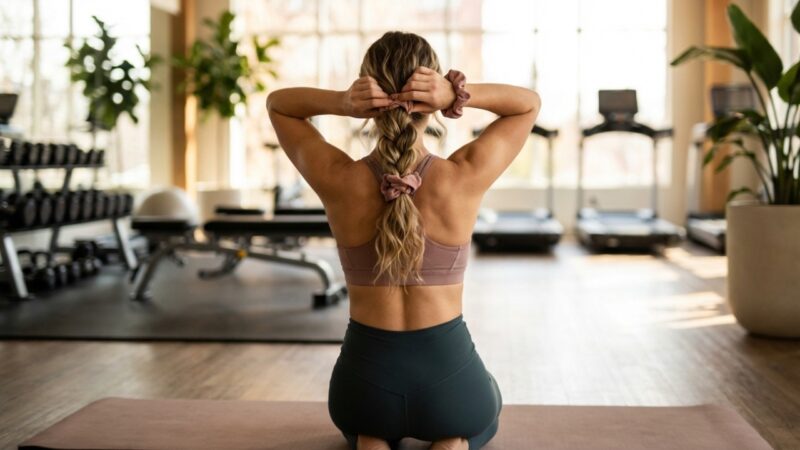
The way hair is secured during a workout is one of the highest-leverage changes an active woman can make. Imagine a woman in a daily fitness class wearing a tight high ponytail and slowly noticing her hairline receding.
The style that feels most appropriate may actually be doing the most physical damage. Lowering the tension protects the follicle from continuous pulling.
Repeated tension from tight workout hairstyles can contribute to traction alopecia, a form of hair loss caused by chronic pulling on the follicles.
To reduce mechanical stress, replace tight styles with loose braids or a relaxed bun.
Always use fabric-covered elastics or spiral hair ties instead of sharp rubber bands. These softer options grip the hair without cutting into the delicate shaft.
Be sure to vary the placement of your elastic each time to avoid repeated stress.
There are several protective workout hairstyles for thinning hair that reduce tension. Those options keep you focused on your routine while safeguarding your hairline.
Try incorporating these easy styles into your next gym session.
For women with crown thinning, loose twists can brilliantly reduce the visual emphasis on the part line. This styling trick keeps hair secure through a tough workout without pulling at the roots.
2. Rethink Your Post-Workout Wash Routine
View this post on Instagram
What happens after the workout can stress your hair just as much as the exercise itself. Many active women instinctively wash their hair every day after cardio sessions.
This daily wash habit is often quietly compounding breakage and stripping essential moisture. Adjusting your routine is key to healthy post-workout hair care.
Not every workout warrants a full wash with heavy shampoos. On lighter sweat days, a cool water rinse or a dry shampoo for sweaty hair applied at the roots can absorb moisture.
This refreshes the scalp without stripping its essential natural oils. When a full wash is necessary, use a gentle cleanser and focus conditioner only on the ends.
Wet hair is incredibly fragile and requires delicate handling. The hair thread can stretch up to 50% of its length when in contact with water, drastically increasing breakage risks. Never rough-dry your strands with a standard terry cloth towel.
Instead, gently press and squeeze the moisture out using a microfiber towel to minimize friction.
3. Feed Your Hair From the Inside Out

Resilient hair starts at the cellular level with proper nutrition. The same recovery principles that protect your muscles after a hard training block also protect your hair follicles.
Hair is primarily composed of keratin, which means inadequate daily protein intake directly weakens follicle output.
This is a common issue for women under-eating during intense training periods.
Low stored iron is an underdiagnosed driver of thinning hair, and intense exercise can deplete these stores further. Incorporating iron-rich foods alongside biotin and omega-3s supports a healthy growth cycle.
The hydration discipline you apply to your workouts is equally required to maintain scalp health and elasticity.
Chronic physical stress disrupts the hair cycle by pushing more follicles into the shedding phase. The link between stress and hair shedding is a genuine physical response to overtraining.
Prioritizing active recovery days, quality sleep, and proper nutrition for hair growth provides critical internal support.
4. Style Smarter to Create Incredible Volume
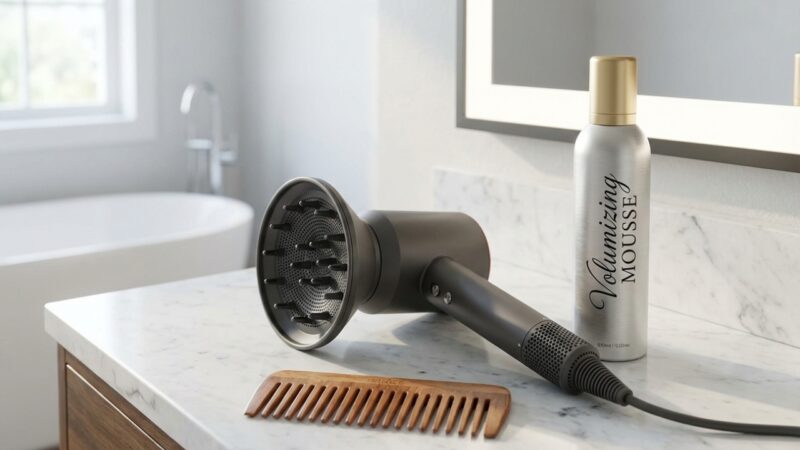
Styling does not have to be a trade-off between looking good and protecting your growth.
That matters because studies show more than 50% of females experience noticeable hair loss, and female-pattern hair loss alone affects about 30 million people in the United States.
The right hair volume tips for active women build visible fullness without relying on heavy heat or product overload. Small techniques can make fine hair look immediately thicker.
Applying a volumizing mousse or root-lifting spray before air drying provides lift at the root entirely heat-free. If you must blow-dry, use a diffuser attachment rather than blowing the strands straight. The dispersed airflow creates a beautiful body at the root without concentrating heat stress on any single section.
Switching your part line regularly prevents concentrated thinning along a single track. When detangling, always use a wide-tooth comb instead of a fine brush, starting from the ends and working upward.
Finally, remember that knowing how to protect hair during exercise extends to your scalp health.
When Styling Adjustments Require Added Coverage
For many women, the four protective habits outlined above produce real and visible results within a few months. Styling adjustments work exceptionally well when hair loss is recent, mild, or primarily mechanical.
However, some experience consistent thinning at the crown that does not reverse with habit changes alone. There is nothing wrong with wanting a solution that keeps pace with a full life.
Added coverage becomes a natural next step when persistent thinning no longer responds to simple styling tricks. Women often explore cosmetic enhancements to find a look that feels true to who they are.
Options like volumizing fiber sprays, colored scalp powders, and premium human hair toppers offer varying degrees of reliable coverage. Finding the right partial piece allows you to transition from a morning workout straight into a meeting confidently.
If dry shampoo has become a daily necessity over a part that feels thinner, a well-fitted topper might be the update your routine needs.
Finding hair toppers for active women is a helpful step toward discovering effective crown thinning solutions for women. Exploring these options remains a low-pressure way to feel like yourself again.
For some women, these options do more than improve appearance. In one survey of alopecia patients, 46% said wearing a wig positively improved their life, highlighting how meaningful added coverage can be in everyday routines
The Bottom Line
@keelashareeI fear there is no hairstyle that will save your hair in the gym BUT we can try 🥲♬ DAngelo x KAYTRANADA by DJ Plug Thug Mashup – Jovan Landry
Hair changes during busy training periods do not always point to lasting harm. Often, they signal a need for more thoughtful care. Women who notice early signs and respond with consistent habits often have a better chance of protecting fullness and strength.
A small shift can make a meaningful difference. Loosening a tight ponytail, eating enough protein, and giving your scalp gentler care can help support healthier hair over time.
Staying active and feeling confident can work together. Trust your observations and choose care habits that suit your routine.
Protective styling, balanced meals, and gentle daily handling can support stronger results over time. Smart choices made now can help preserve healthy, resilient hair for years to come.