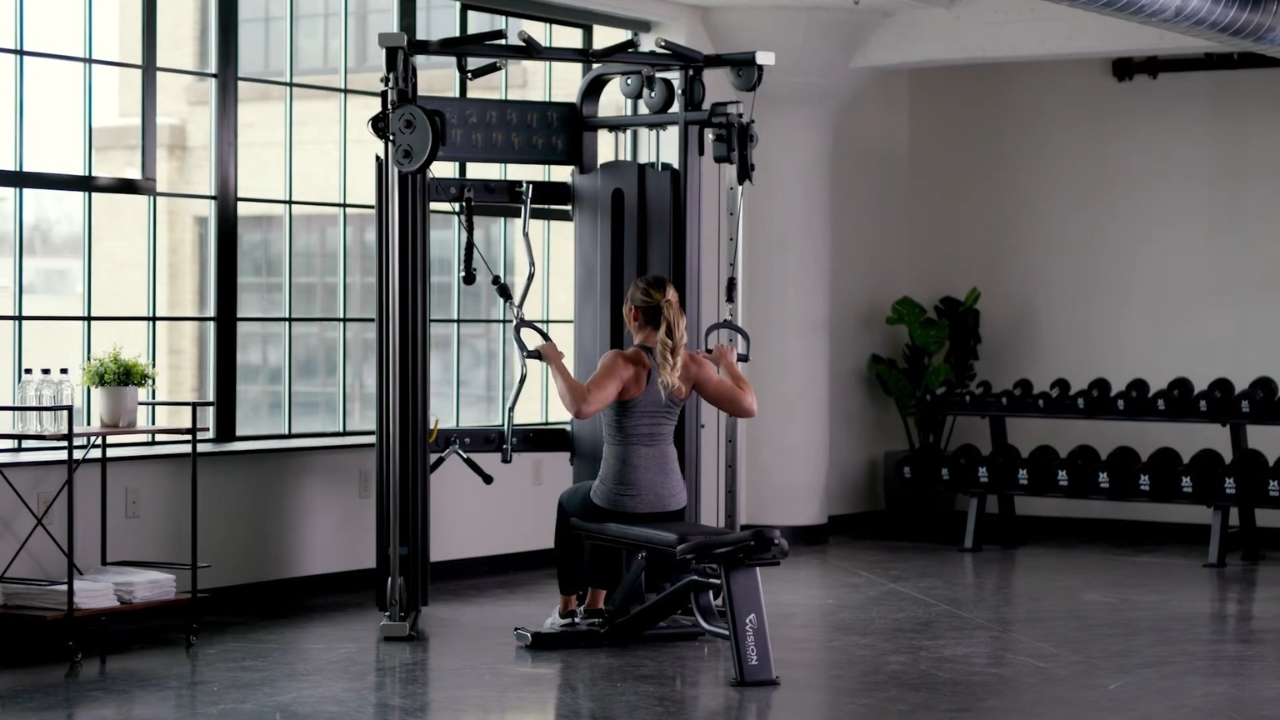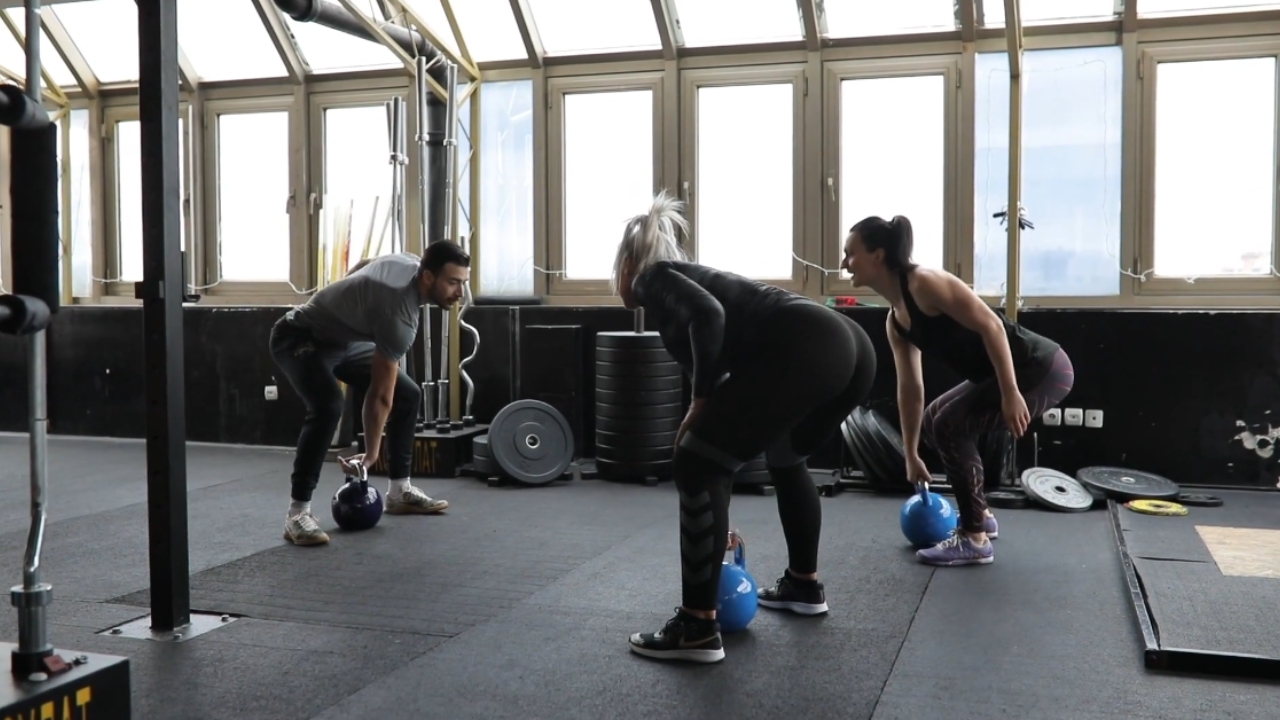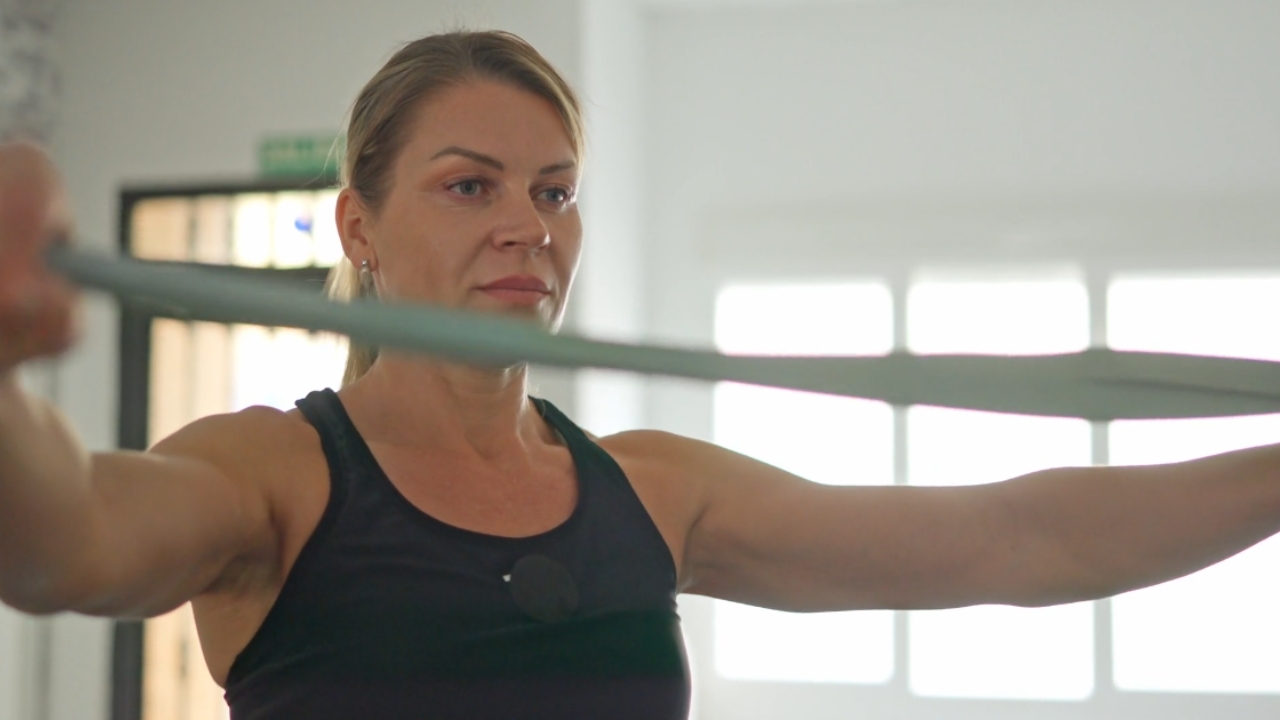

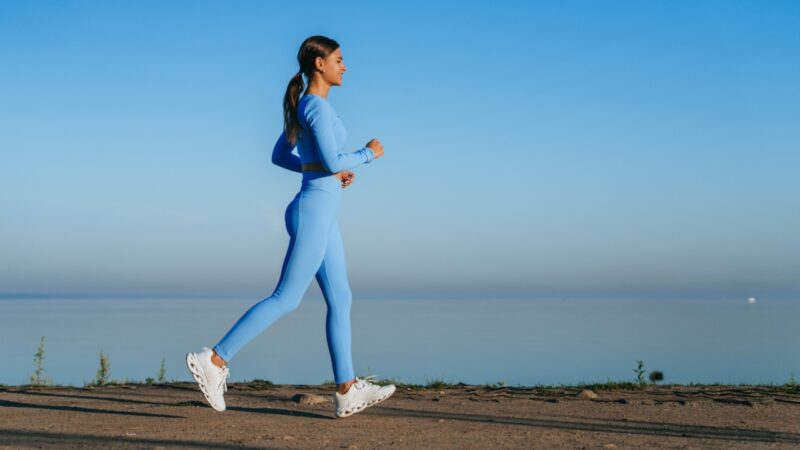
An hour at the gym can feel like a major health win, yet it only fills a small part of the day. Even people who exercise every morning can still spend long stretches sitting in the car, at a desk, on the couch, or during meals and breaks.
That gap matters because a daily workout does not fully cancel out the effects of prolonged inactivity across the other 23 hours.
Physical inactivity is estimated by the World Health Organization to contribute to 3.2 million deaths worldwide each year.
That number shifts the conversation away from exercise as a single event and toward movement as a daily pattern. Good health is not only about asking if someone works out. A better question is how much movement is built into ordinary routines.
Active Living Means Movement Woven Into the Day

Active living means treating movement as part of ordinary life instead of saving all physical activity for a gym visit or a scheduled workout block.
Health habits usually last longer when they fit naturally into the structure of a normal day and feel practical enough to repeat without constant effort.
Short periods of motivation can help people get started, but motivation alone rarely carries a routine for months or years. Daily patterns matter more because they shape how much a person moves during work hours, at home, during errands, and while relaxing.
A common mistake is thinking that one hard workout fully balances long hours of inactivity. An active lifestyle works differently. More movement gets folded into familiar routines, so the body is not left idle for most of the day.
Walking after meals, taking stairs, stretching during breaks, riding a bike for short trips, and staying physically involved in hobbies can all raise total activity without making life feel like a constant training session.
Several practical examples show how movement can fit into the flow of a normal week:
Enjoyment also matters because people are far more likely to stay active when movement feels satisfying instead of forced.
A person who loves dancing may stick with dance classes for years. Someone else may prefer long walks, pickleball, cycling, or weekend hikes.
Good routines often grow out of personal preference, not pressure. Sustainable activity usually comes easier when it matches a person’s interests, schedule, and comfort level.
Consistency becomes easier when movement stops feeling like a separate task and starts feeling like part of normal living. That shift can turn activity into something repeatable instead of something that depends on perfect discipline.
What It Looks Like at Work and During the Day
Desk-based routines can remove a large amount of movement unless people add it back with intention.
Long hours in a chair can pass quickly during meetings, emails, calls, and focused tasks.
A person may complete a workout in the morning and still spend most of the day sitting.
That is why small movement habits during work hours matter so much.
Short breaks, posture changes, and brief walks can interrupt long inactive periods and make the day more physically balanced.
Some workplace habits are especially useful because they are simple and repeatable:
Position changes every 30 to 60 minutes can also help reduce prolonged sitting.
A person does not need a dramatic fitness setup to benefit.
Standing when possible, using a walking pad, sitting on an exercise ball for selected tasks, or adding a foot pedal under the desk can keep the body more engaged during long work hours.
Even brief transitions can help break up the passive pattern that often defines office life.
Research on workplace activity has linked sit-stand desks and walking breaks with less sitting time and better health markers. Walking meetings can also do more than increase movement.
Many employees report better creativity, stronger conversation flow, and improved team interaction when discussions happen while moving instead of sitting around a table.
Default choices during the workday can also add up in meaningful ways.
Stairs are a strong example because stair climbing counts as vigorous activity and can support cardiovascular health and weight management.
Choosing stairs instead of an elevator may seem small in the moment, yet repeated choices like that can build a more active day without needing extra planning.
What It Looks Like in Leisure Time

Leisure time can be one of the best places to build an active lifestyle because it allows people to choose movement they actually enjoy.
Free time does not have to revolve around sitting. Hobbies that involve the body can support fitness while also making life feel more interesting and more energizing.
That combination makes leisure activity easier to maintain over time.
Some recreational choices are familiar and easy to start, such as gardening, dancing, cycling, and casual sports. Others offer a bigger physical challenge and can make the activity feel exciting instead of routine.
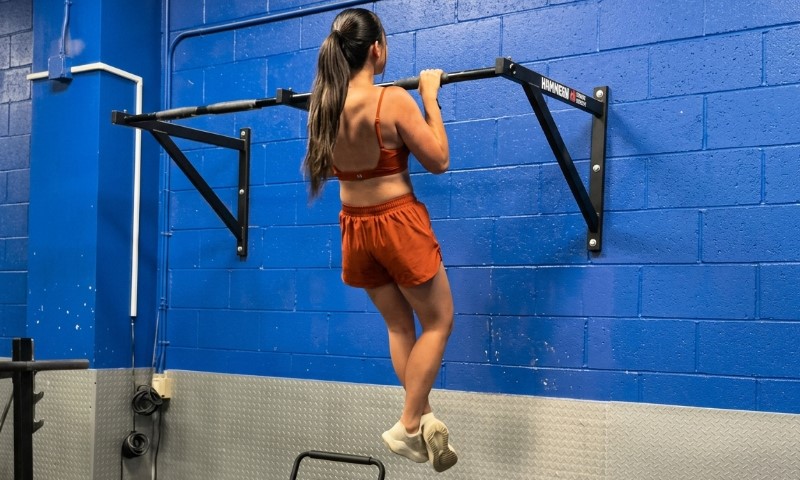
Rock climbing, wilderness backpacking, mountain biking, kayaking, and paddleboarding are strong examples. Activities like these can turn weekends or free afternoons into meaningful sources of exercise.
Comfort also plays a role in staying active during casual social outings, and lightweight pieces like halter tops for women can fit warm-weather plans built around walking, outdoor events, or weekend movement.
Different leisure activities can build different physical capacities.
Nature-based recreation can also support mental refreshment. Time outdoors often helps people step away due to work pressure, screens, and repetitive routines.
Physical effort paired with fresh air and a change of setting can leave people feeling more mentally reset as well as more active.
Public health guidance recommends at least 150 minutes of moderate-intensity aerobic activity each week.
Recreational movement can help people meet that benchmark without relying only on gym sessions.
A person who cycles on weekends, takes long walks, and joins a recreational sport can build a strong activity base through leisure alone.
What It Looks Like at Home
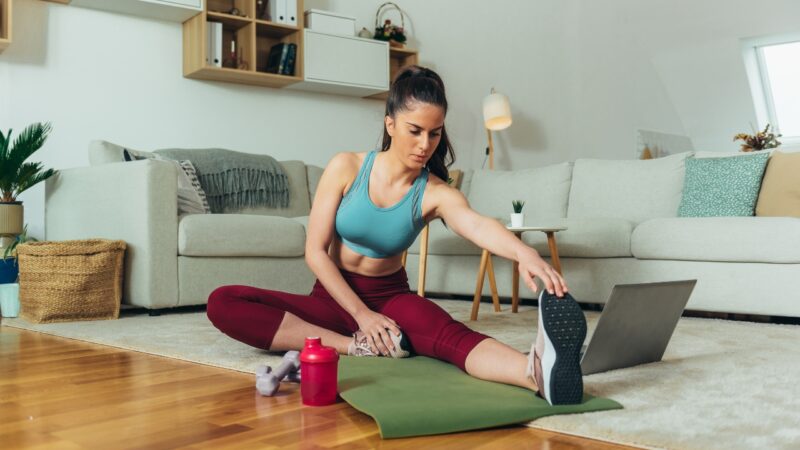
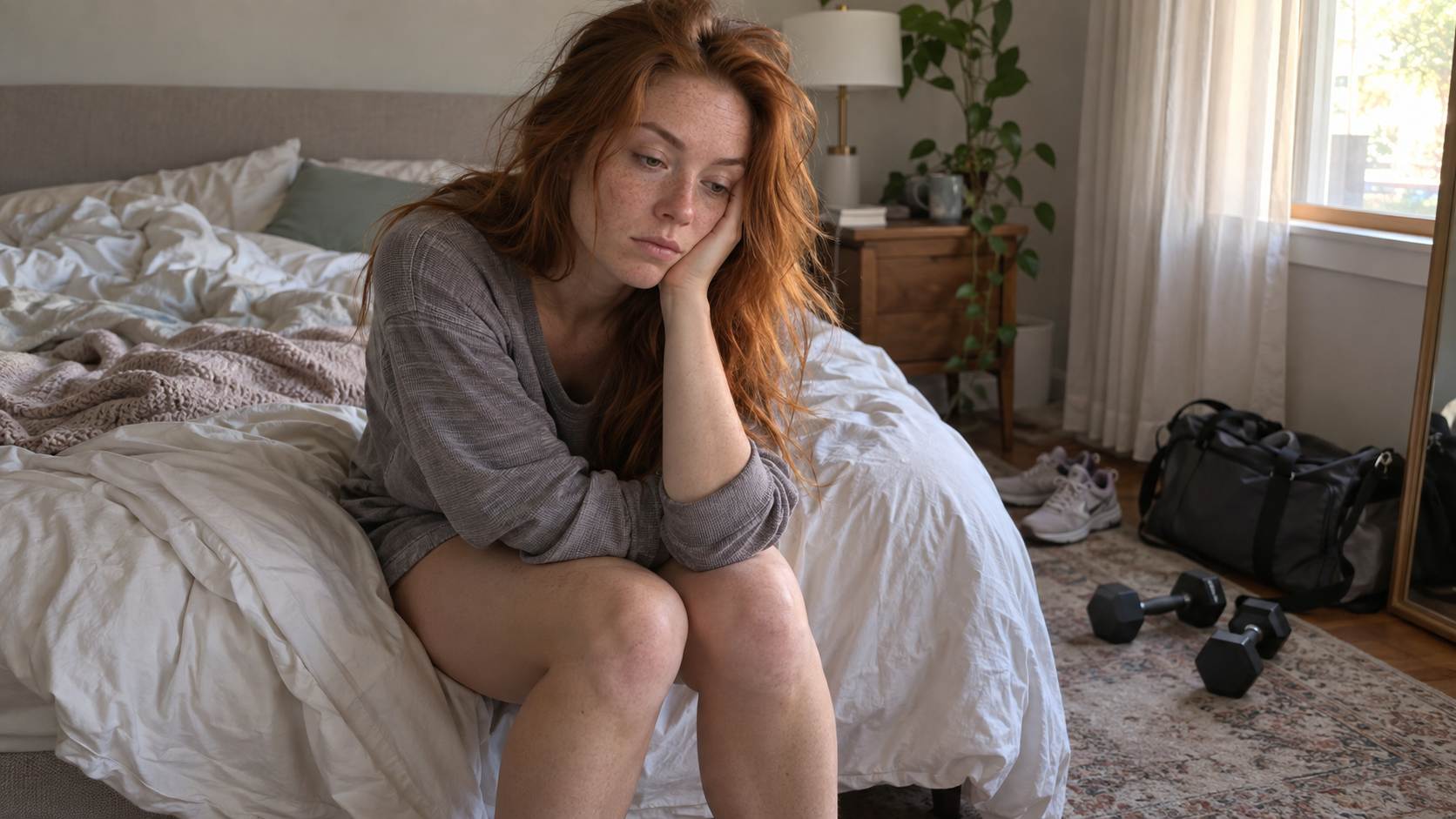
Home is one of the easiest places to let inactivity take over, especially after a long workday. Hours can disappear into sitting during meals, screen time, chores done in the easiest possible way, or simple fatigue.
At the same time, the home offers many easy chances to move more without blocking out a full fitness hour. Small bursts of movement can fit into ordinary routines and help reduce total sedentary time.
Common home activities can do more than people often assume. Household chores, gardening, dancing in the kitchen, and short online workout sessions can all shift home life in a more active direction.
Many of these habits feel manageable because they do not require special equipment, travel, or a major time commitment.
A few low-barrier ideas show how simple this can look in practice:
Technology can support this process by making activity easier to start and easier to tailor to personal needs.
Apps and online resources can offer beginner workouts, mobility sessions, dance routines, walking plans, and reminders to stand up and move.
Customized digital support can be especially helpful for people who want structure without joining a gym or following an intense training plan.
Home-based activity does not always need to look like formal exercise. In many cases, progress comes through making ordinary time at home less sedentary.
More walking around the house, more standing during routine tasks, and more short movement breaks can create a steady increase in daily activity without making the routine feel overwhelming.
What It Looks Like in the Community

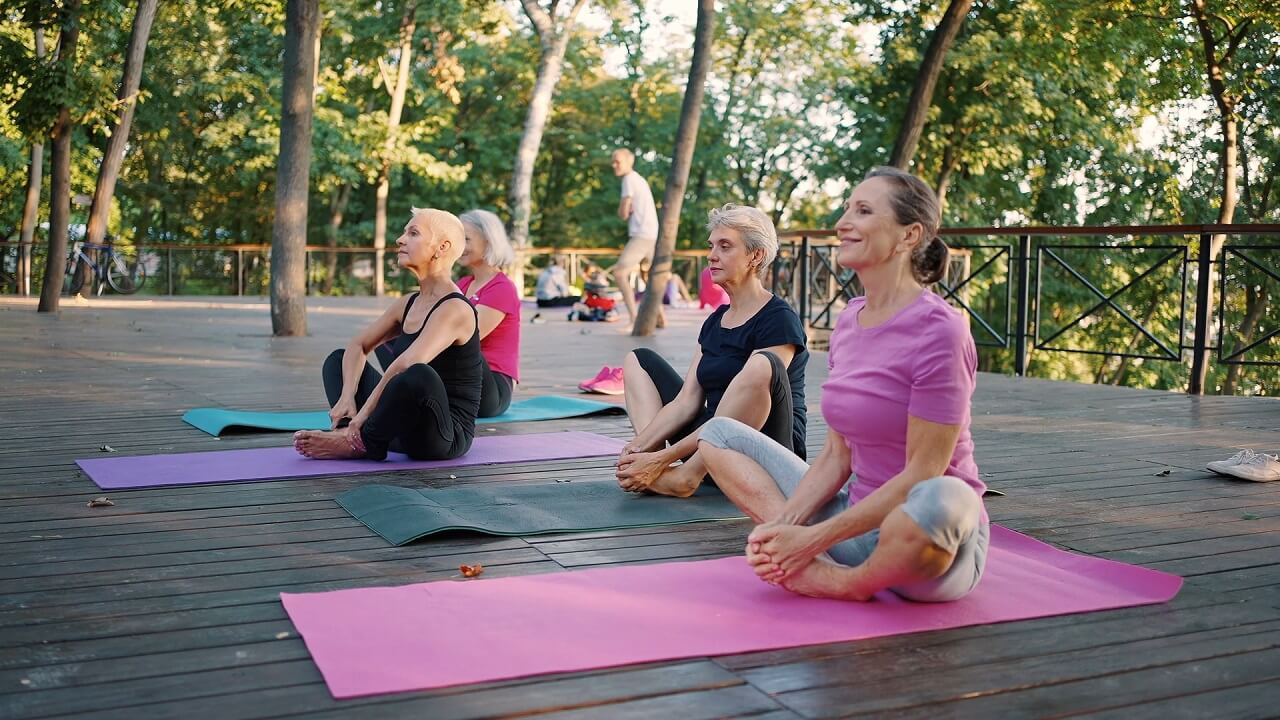
Community settings can make active living easier to maintain because social connections often strengthen consistency. Movement becomes easier to repeat when it is linked to other people, shared routines, and a sense of belonging.
A person may skip a solo walk after work, yet still show up for a walking group or a community game because other people are involved.
Many community-based options combine exercise with support and accountability. Walking groups, local sports leagues, neighborhood classes, and volunteer programs that involve physical activity can all help people stay engaged.
Social support can make a major difference because it gives people more than just exercise.
It can also provide motivation, encouragement, accountability, companionship, and a chance to celebrate progress.
Community movement often includes a mix of social and physical benefits:
Regular group activity has also been linked to stronger long-term exercise patterns.
A walking group is a good example because it combines movement with social connection and shared commitment.
In one community model, people met regularly to walk, explore the city, and spend time together. That kind of setup can make activity feel enjoyable and sustainable instead of repetitive or lonely.
What It Looks Like for Different Life Stages and Needs
@inflowwithalli upper body stretchyyy #upperbodystretch #pilatesinstructor #yogainstructor ♬ original sound – In Flow With Alli
Active living should fit the person, not the other way around. Age, schedule, mobility, work demands, and physical comfort all shape what an active day can look like.
One person may have time for long walks and sports.
Another may need five-minute movement breaks between meetings or gentle exercise that can be done in a chair. Adaptability is one of the strongest parts of active living because it allows many kinds of people to participate.
Desk workers often need solutions that can fit into a busy schedule without interrupting productivity too much.
Stretch breaks, walking breaks, standing desks, walking meetings, stairs, farther parking, and frequent posture changes can all help reduce sitting time. Small office-friendly movements can also help when space or privacy is limited.
Several discreet options work well in constrained settings:
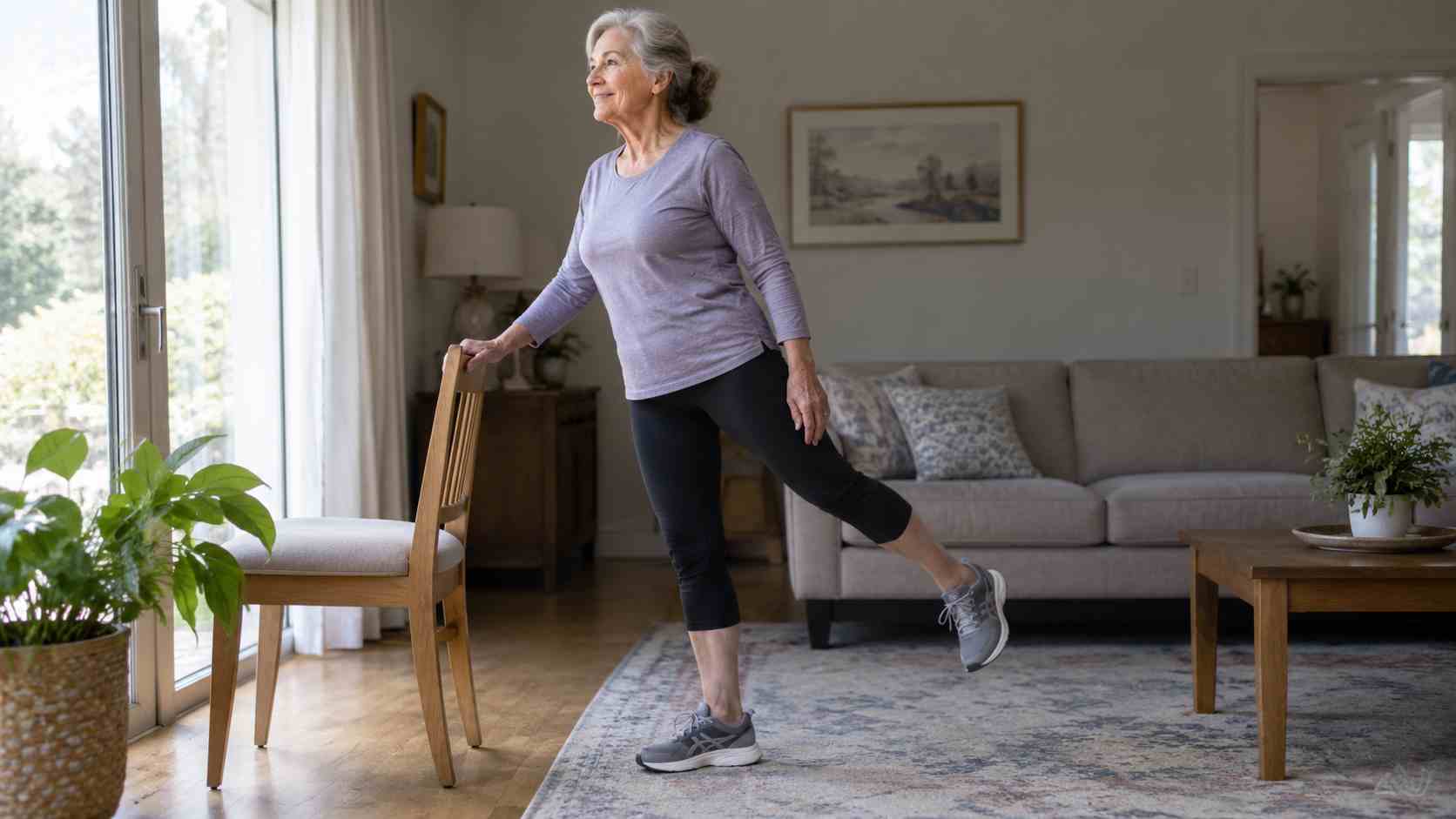
Older adults and people with limited mobility may need lower-impact choices that still support strength, circulation, and daily function.
Chair yoga, resistance band exercises, and community programs that pair light activity with social interaction can be strong options.
View this post on Instagram
Gentle walking, seated mobility work, and simple home exercises can also help people stay active in ways that feel safe and manageable.
No single template works for everyone. A useful approach is one that can be scaled to match a person’s life. Activity may look vigorous for one person and light for another, yet both can still build healthier patterns through regular movement. Practical fit matters more than chasing a perfect routine.
Summary
An active lifestyle outside the gym is made up of frequent movement across work, home, hobbies, and community life instead of a single scheduled workout.
Small actions like taking the stairs, walking during breaks, changing positions often, choosing active hobbies, and adding short home routines can build up over time.
Healthy routines usually last when they are enjoyable, practical, and easy to repeat in daily life. Consistency grows more naturally when movement feels like part of a normal day instead of a separate task.