


Paleo diet is an eating pattern based on foods humans may have eaten during the Paleolithic Era, roughly 2.5 million to 10,000 years ago.
It focuses on whole, minimally processed foods and limits many modern processed items.
Main areas to know include basic rules, foods to eat, foods to avoid, possible health benefits, and safety risks.
Basic Paleo Diet Rules
Paleo eating centers on whole, minimally processed foods. Meals usually include lean protein, vegetables, fruit, eggs, nuts, seeds, herbs, spices, and healthy fats.
Most paleo plans avoid grains, beans, lentils, dairy, added sugar, refined oils, artificial sweeteners, and packaged foods. A simple rule can help: if a food looks factory-made, skip it. Strictness varies. Some people follow paleo closely, while others use it as a flexible eating pattern. Certain modern versions allow grass-fed butter, gluten-free grains, or starchy vegetables. Meal planning helps because paleo removes many quick staples. Useful habits include: A balanced paleo plate should not rely mostly on meat. Better meals pair protein with vegetables, fruit, nuts, seeds, and healthy fats. Paleo food choices focus on whole foods and limit items tied to farming, dairy production, and modern processing. Meat and poultry are common paleo choices, especially lean meats, grass-fed animal products, or wild game. Fish and seafood are encouraged, especially omega-3-rich fish such as salmon, mackerel, and albacore tuna. Hydrolyzed bovine collagen peptides may also fit some paleo plans as an animal-based, dairy-free, gluten-free protein option, especially when the product has no fillers or artificial additives. Fish and seafood are encouraged, especially omega-3-rich fish such as salmon, mackerel, and albacore tuna. Vegetables should make up a major part of the diet. Good choices include broccoli, kale, peppers, onions, carrots, tomatoes, cauliflower, spinach, zucchini, asparagus, mushrooms, and squash. Fruits can include apples, bananas, oranges, pears, avocados, strawberries, blueberries, raspberries, melon, peaches, and grapes. People managing blood sugar may choose smaller portions and pair fruit with protein or fat. Nuts and seeds can work as snacks or meal toppings. Almonds, walnuts, macadamia nuts, pecans, sunflower seeds, pumpkin seeds, chia seeds, and flaxseeds may fit. Healthy fats and oils can include olive oil, avocado oil, walnut oil, avocados, olives, nuts, and seeds. Grains are usually avoided on paleo. Common examples include bread, pasta, cereal, wheat, oats, barley, rye, rice, crackers, and many baked goods. Milk, cheese, yogurt, cream, and most dairy products are not part of most paleo plans. Avoiding dairy can lower calcium and vitamin D intake, so other nutrient sources may be needed. Added sugars and sweet drinks are avoided. Common examples include candy, cookies, pastries, soda, sweet tea, sports drinks, fruit juice, ice cream, table sugar, and high-fructose corn syrup. Artificial sweeteners such as aspartame, sucralose, saccharin, and acesulfame potassium are usually not allowed. Refined vegetable oils such as soybean, sunflower, cottonseed, corn, grapeseed, and safflower oils are often excluded. Highly processed foods are avoided, especially “diet” foods, “low-fat” packaged foods, and products with many additives. Some versions also limit added salt, corn, peas, and white potatoes. Paleo may support weight loss or weight maintenance by reducing processed foods, added sugars, refined carbohydrates, sweet drinks, and fast-food meals. Research has linked paleo-style eating with reduced waist circumference, lower triglycerides, and lower blood pressure. Some benefits may happen mainly because of weight loss rather than paleo rules alone. Blood sugar management may improve because paleo restricts sugar and many refined carbohydrates. Replacing pastries, soda, candy, white bread, and sweetened cereals with protein, vegetables, fruit, nuts, and healthy oils can support steadier energy and appetite control. Several changes may explain possible benefits: A large study linked paleo-style eating with lower cardiovascular risk factors, mainly because people avoided highly processed foods and ate more fruits and vegetables. Paleo removes food groups that provide important nutrients. Avoiding dairy may lower calcium and vitamin D intake. Excluding whole grains and legumes may reduce fiber, B vitamins, minerals, and plant protein. Cost can become a problem. Wild game, grass-fed meats, nuts, fresh produce, and specialty oils may cost more than grains, legumes, and dairy. Long-term use may be difficult because paleo restricts bread, pasta, cereal, rice, beans, yogurt, milk, and many convenience foods. Restaurant meals, travel, family meals, and social events can be harder to manage. A meat-heavy version can raise saturated fat intake. Risk may increase when someone eats large amounts of fatty meat and too few vegetables, berries, sweet potatoes, nuts, and seeds. Digestive discomfort can happen when fiber intake rises quickly. Bloating, gas, or bowel changes may occur after adding more fruits, vegetables, and nuts. Long-term risks are still unclear because many paleo studies are small and last only a few weeks to a few months. Some people need medical guidance before starting paleo because it can change carbohydrate intake, protein intake, fiber intake, and key nutrient intake. People with diabetes may need medication adjustments if carbohydrate intake drops. People with kidney disease may need limits on protein, sodium, potassium, or phosphorus. People with heart disease should avoid making paleo too high in saturated fat. Pregnant or breastfeeding people need enough calories, carbohydrates, calcium, vitamin D, iron, iodine, folate, and other nutrients. Athletes and highly active people may need more carbohydrates than the strict paleo diet provides. Sweet potatoes, squash, and fruit can help, but some people may need a more flexible plan. Anyone with a history of restrictive eating should be careful because strict food rules can increase stress around meals. A registered dietitian can help adjust paleo for safety, nutrient intake, and long-term use. The paleo diet can help people eat more whole foods and fewer processed foods. It may support weight management, blood sugar control, and some cardiovascular risk factors, especially when it increases fruits, vegetables, lean proteins, nuts, seeds, and healthy oils. Similar health benefits may be possible through regular exercise and a balanced diet that includes plenty of fruits and vegetables. A safer long-term approach focuses on balance, variety, and eating habits that can be maintained.
Paleo Diet Food List
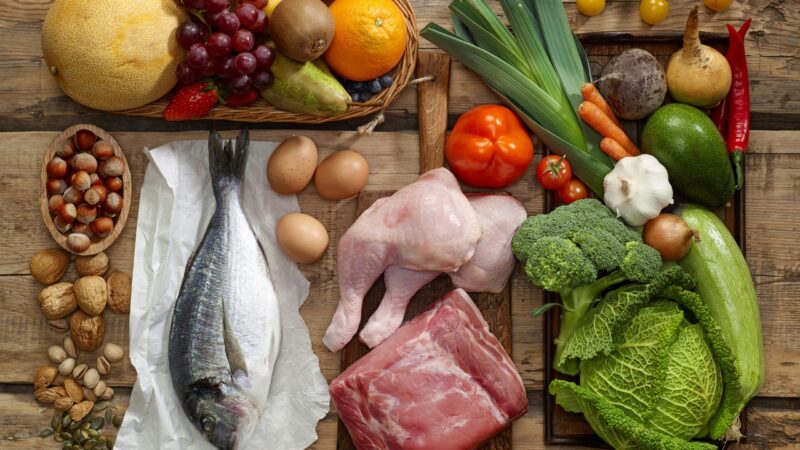
Foods to Eat
Foods to Avoid
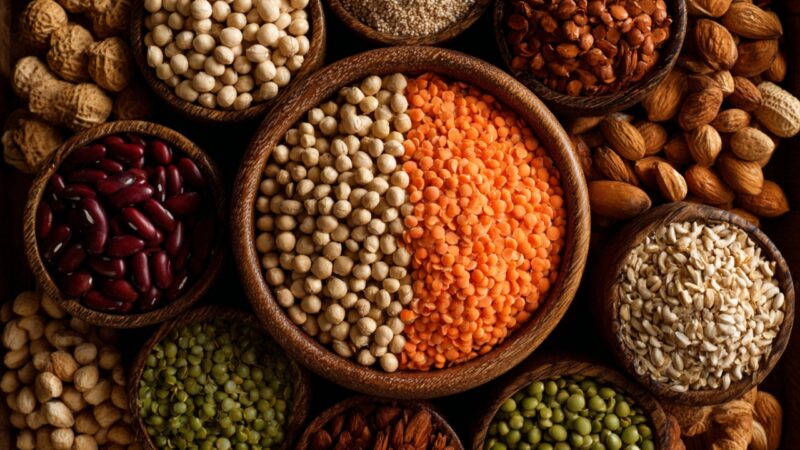
Potential Benefits
Safety Risks and Downsides
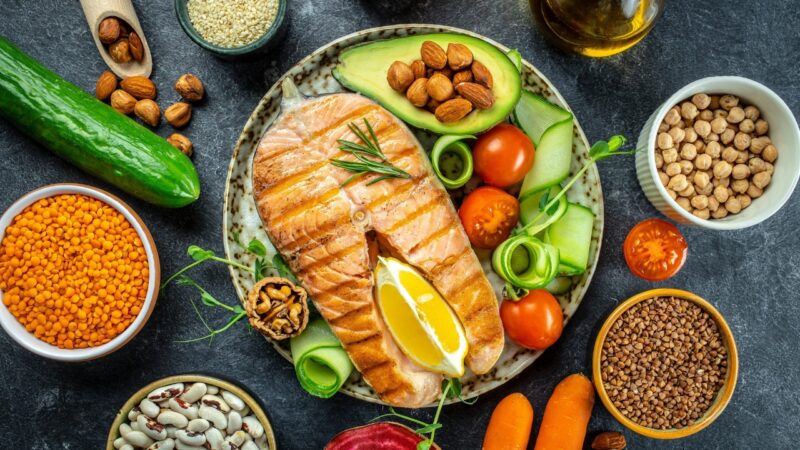
Who Should Be Careful?
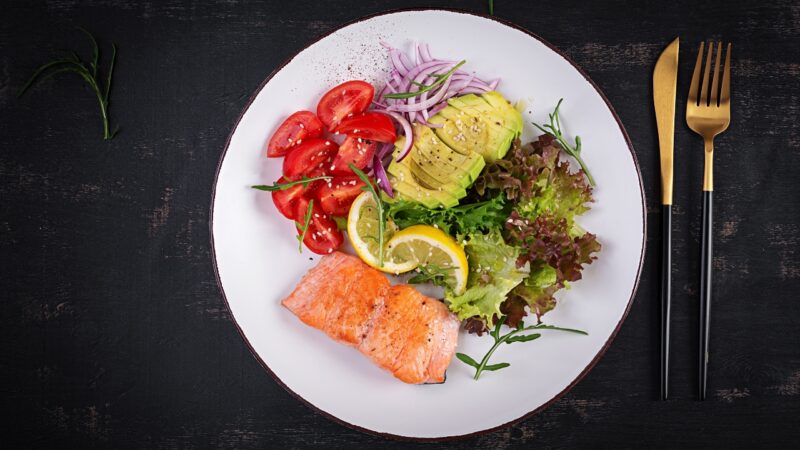
Summary