
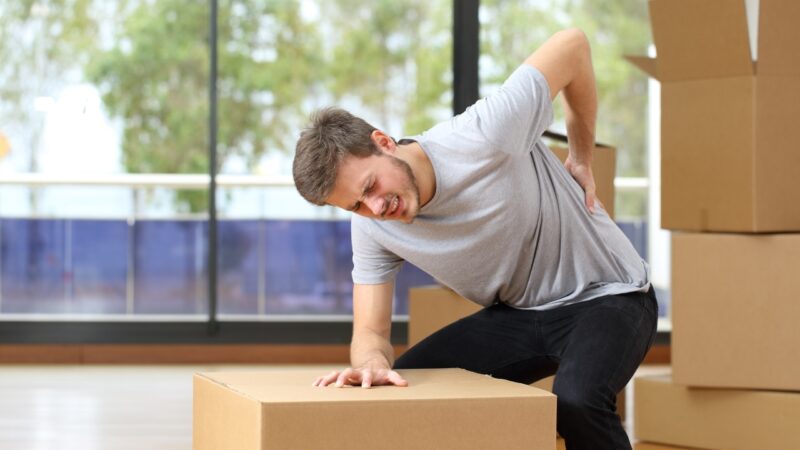
Back protection matters any time you pack, organize, move boxes, store holiday items, or lift heavy objects at home.
Simple household tasks can place serious strain on your back, neck, shoulders, bones, muscles, and joints, especially when items are heavy, bulky, or awkward to carry.
Luggage-related injuries often happen when people struggle with heavy, overpacked bags. Half of the people with back or neck pain have said lifting and carrying triggered their pain.
Back pain is also extremely common, with 80% of adults estimated to experience it at some point, and 5% of those injuries may turn into chronic issues.
Safer packing, proper lifting technique, smart carrying habits, and controlled movement can lower strain and help protect your body before pain starts.
Plan Before You Lift
Treat packing and moving as physical work, not a casual chore.
Moving boxes, furniture, bins, and bags can demand the same kind of preparation as hard physical exercise.
For larger moves, heavy furniture, or awkward items, working with professional movers in Toronto can also reduce strain and help make the process safer.
A safer lifting session starts well ahead of the first box, because tired muscles, blocked walkways, poor footwear, and rushed decisions can all increase strain.
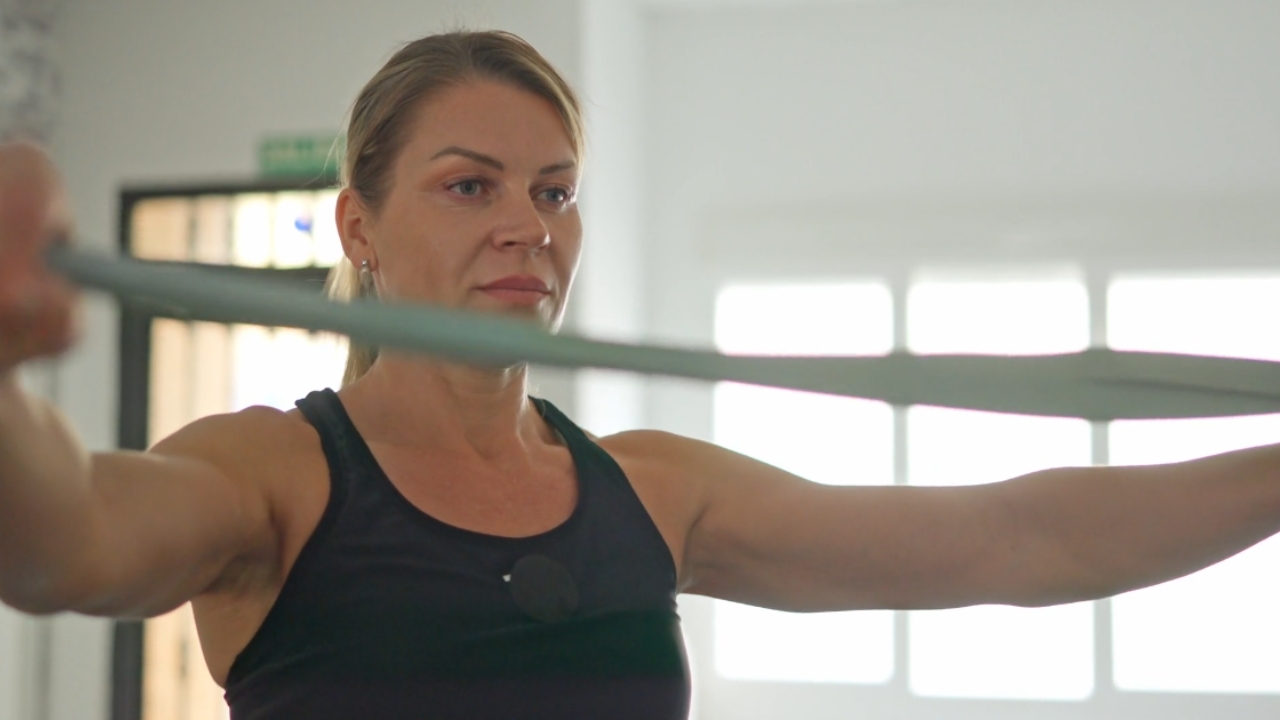
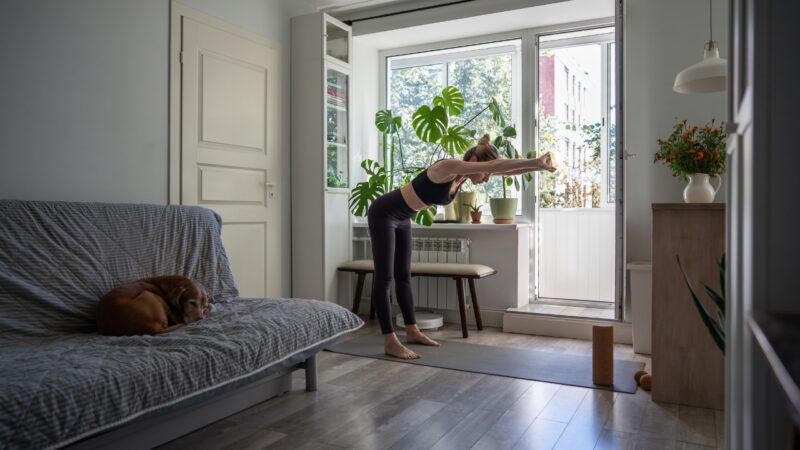
Start by giving your body a short warm-up. Gentle movement can help your arms, legs, hips, and back feel looser before you begin lifting or carrying. Even a few minutes can make packing feel less sudden on your muscles and joints.
Helpful warm-up choices can include:
Wear clothing that lets you bend, squat, reach, and turn without restriction.
Tight clothing can make it harder to use proper form, while loose clothing can catch on corners, handles, or furniture.
Supportive footwear also matters because stable shoes help you keep your balance while lifting, turning, and walking. Bare feet, sandals, slippers, or unstable shoes can increase the risk of slipping or stepping poorly.

Clear your path before picking anything up. A box can block your view, and even a small object on the floor can become a tripping hazard once your hands are full.
Cords, rugs, toys, shoes, pet items, and clutter should be moved out of walking areas first.
A simple path check should cover:
Decide where each item is going before you lift it. A clear destination helps you avoid standing with a heavy object while trying to make a decision. It also reduces unnecessary carrying, repeated lifting, and awkward turns.
Plan the route as well as the placement. For example, if a box needs to go upstairs, look at the stairway first.
Check for loose rugs, narrow turns, low lighting, pets, or anything else that may interrupt your movement. Safer lifting depends on knowing both where the item starts and where it will land.
Balance or secure each load before walking. Loose items can shift without warning, which may force your body to react quickly and place extra stress on your back.
A bowling ball, for example, is easier and safer to carry in a bowling ball bag than loose inside a large cardboard box.
Use extra care with containers that have mixed items inside. A box filled with books on one side and soft items on the other may tilt while you carry it.
A bin with loose tools, holiday decorations, or kitchen items may shift as you turn. Secure the contents, add padding, or repack the container so the weight sits evenly.
Avoid rushing. Speed often leads to poor form, missed hazards, and sudden twisting. Slow, controlled movement is especially important on:
Taking an extra minute to prepare is easier on your back than recovering after a painful lift.
Pack Smarter to Reduce Back Strain
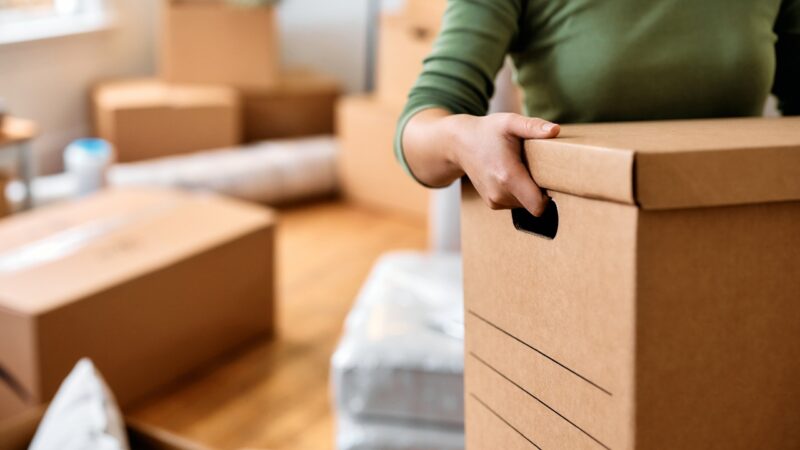
Use several smaller boxes instead of a few large, heavy ones. Smaller loads are easier to lift, carry, stack, and control. Large boxes may seem efficient, but they often become too heavy once filled.
A better packing plan places weight where it can be handled safely:
Avoid overpacking boxes, suitcases, bins, or bags. A container that feels manageable at first may become much harder to carry across a room, up stairs, or out to a vehicle.
Overfilled containers can also break, shift, or force you into an awkward posture.
Choose sturdy, lightweight, high-quality containers when possible. Strong containers help you grip and control the load, while weak boxes can bend or tear during a lift.
For rolling bags or luggage, wheels and a handle can help, but the bag should not be heavy or bulky while empty.
Place heavier items in smaller containers. Dense items such as books, tools, canned goods, dishes, picture frames, and small appliances can quickly make a large box unsafe. Smaller containers naturally limit how much weight you add.
View this post on Instagram
Use backpacks or similar bags with two padded, adjustable straps and several compartments. Better weight distribution can reduce uneven strain on your shoulders, neck, and back.
One large open compartment may allow items to slide to one side, which can pull your body off balance.
Pack heavier backpack items low and close to the center of the bag. Weight that shifts outward or to one side can pull your body out of alignment.
Keep the heaviest items near your back, then place lighter items around them to reduce movement.
Secure loose items so weight does not move unexpectedly while you carry them. Packing material, straps, dividers, towels, or smaller inner bags can help keep contents steady. A stable load is easier to lift and easier to carry with control.
Reduce furniture weight before moving it. Furniture can be heavy, awkward, and difficult to grip, so make each piece lighter when you can.
Good ways to reduce furniture strain include:
Use boxes, bags, or containers with secure handles when available. A better grip can improve control and reduce strain. Handles should feel solid before you lift, not weak, torn, or loose.
Remember that size and shape matter, not just weight. Bulky or awkward objects can be harder to move safely, even when they are not extremely heavy.
A lightweight chair, lamp, mirror, or storage bin may still cause strain if it blocks your view, pulls your arms outward, or forces you to twist.
Avoid Twisting, Tugging, and Awkward Movements
Do not twist your back while lifting or carrying. Twisting under load can increase strain and raise injury risk. Many lifting problems happen when the body turns one way while the feet stay planted.
Point your toes in the direction you want to move. Turn your whole body instead of rotating at your waist. Small foot adjustments can protect your back by keeping your shoulders, hips, and knees aligned.
Safer turning habits include:
Pivot through your hips and ankles when changing direction. Larger leg muscles can help control the movement. If you need to turn while holding a box, take small steps instead of twisting in place.
Avoid tugging or yanking heavy objects. Sudden force can overload your back, shoulders, arms, and joints. Pulling a stuck bin, dragging furniture, or jerking a heavy bag can create a sharp burst of strain.
Use controlled movement instead. If an item does not move easily, stop and adjust your plan. Lighten it, get a better grip, use a dolly, slide it safely with help, or ask another person to share the load.
Avoid straightening your legs too soon while lifting. That mistake can shift strain back onto your lower back. Your knees, hips, and torso should rise together so your legs continue helping throughout the lift.
Move slowly and with control when setting items down. Sudden drops, quick bends, or uneven lowering can place extra stress on your body. Controlled lowering also protects the item you are moving.
Take special care when unloading bags or boxes from a car or van. Twisting while unloading can create the same risks as twisting while lifting. Face the item, bring it close, and step with your feet as you turn.
Summary
@aprokodoctor Emeka, Nkechi stop carrying heavy things anyhow….you’re not Superman. Come and see how it’s done. #weightlifting #backpain ♬ original sound – Aproko Doctor
Back protection starts before the lift. Smarter packing, supportive clothing and footwear, clear paths, stable footing, and controlled movement can all reduce strain.
Pack lighter, use smaller containers, lift with your legs, keep items close, avoid twisting, carry balanced loads, and take breaks when needed.
Safest lifts are usually planned, lightened, balanced, and moved slowly.