
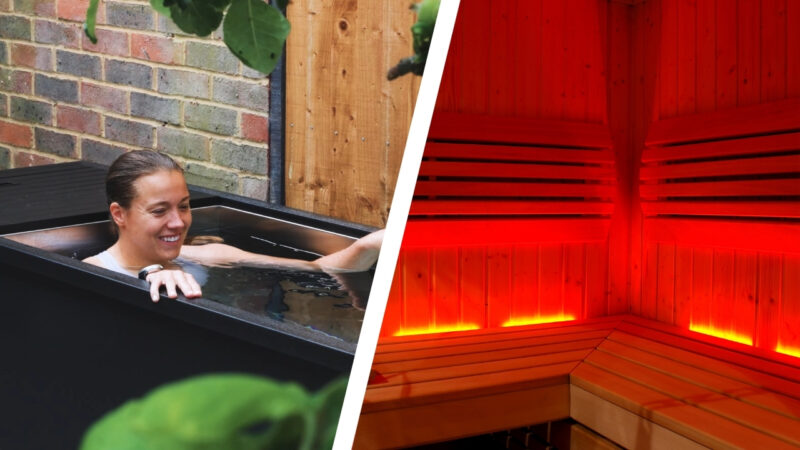
After a hard workout, recovery can influence how quickly your body feels ready to move again. If you have ever wondered whether there is a smarter way to recover than simply waiting out muscle fatigue, alternating cold and heat may be your solution.
Ice baths are praised for helping reduce discomfort after intense exercise, while saunas are often associated with relaxation and restoration. While research continues to evolve, there is growing interest in how cold exposure followed by heat may support muscle recovery, mobility, and overall well-being.
What a Cold Plunge Does After Exercise

Cold-water immersion, often called a cold plunge or ice bath, typically involves sitting in cool water for a short period after exercise. While the experience can feel uncomfortable at first, many athletes and recreational exercisers use cold exposure to help reduce soreness.
According to Harvard Health Publishing, cold exposure can enhance parasympathetic activity, which is the part of the autonomic nervous system that supports rest and recovery.
However, the process itself triggers the sympathetic system’s fight-or-flight response. The extra adrenaline that this causes disrupts the heart rhythm, which may be harmful for people with heart conditions.
Research by the Society for Transparency, Openness, and Replication in Kinesiology suggests that using a cold-water plunge immediately after resistance training, such as weightlifting, may slightly reduce muscle growth over time.
However, this finding applies to situations where people use cold water within about 15 minutes after finishing a workout. Therefore, pairing cold plunges with heat exposure may be more beneficial.
What Heat Therapy Brings to Recovery
View this post on Instagram
Heat works differently from cold. While cold aims to cool tissues and reduce discomfort, heat often promotes relaxation and circulation. Many people find heat especially helpful after demanding workouts or on recovery days when stiffness feels more noticeable.
Saunas, in particular, have attracted attention in discussions of wellness and sports recovery. Heat exposure increases heart rate and improves blood flow, supporting both recovery and relaxation for your body and muscles.
Some manufacturers, such as Sunlighten, have refined infrared sauna technology to support wellness-focused heat routines. Unlike traditional saunas that heat the surrounding air, infrared saunas heat the body more directly and often at lower ambient temperatures, which many people find easier to tolerate.
The use of high-quality infrared saunas is considered safe for healthy adults when approached thoughtfully, with attention to hydration, session length, and personal comfort.
Additionally, thinking about what size infrared sauna you need depends on how you plan to use it and the space you have available. A compact model may work well if you will mostly use it on your own, while a larger option could be better if multiple people will use it or if you want extra room to relax comfortably.
Why Combining Cold and Heat Is Getting Attention
Heat and cold affect the body in different ways, which is why they are often used together for recovery.
According to a 2025 study published in the National Library of Medicine, heat can help muscles feel looser and more flexible by relaxing tension and improving the ease with which tissues move. Cold, on the other hand, may help reduce muscle tightness and spasms, making movement feel more comfortable.
Alternating hot and cold, commonly known as contrast therapy, is often used to support sports recovery, ease post-workout soreness, and improve mobility.
The same study has also explored how heat and cold may help in other situations, with cold commonly used shortly after injuries to help manage swelling, and heat often used later to support circulation and relaxation.
How You Might Structure a Cold-and-Heat Recovery Routine
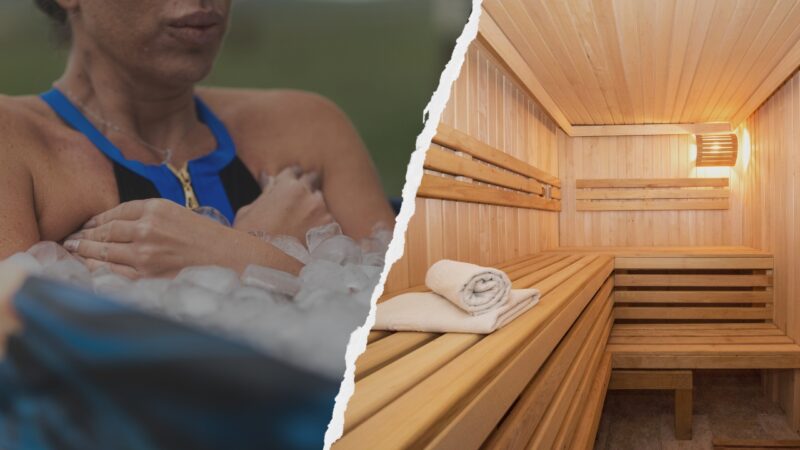
If you want to try combining cold and heat after exercise, keeping your routine simple may help:
Cool Down First
Before adding temperature therapy, allow your body to settle after exercise. A short walk, gentle stretching, and hydration can help ease the transition from training to recovery.
Begin with Cold Exposure
A brief cold plunge after intense exercise may help reduce feelings of soreness and stiffness. If you are new to cold plunges, shorter sessions are often easier to tolerate than jumping into extreme temperatures.
Recovery should feel manageable rather than overwhelming.
Transition to Heat
After cold exposure, warming up with heat may help your muscles feel more relaxed. Companies emphasize thoughtful sauna design, including safety testing, low-EMF construction, non-toxic materials, and guided wellness programming to help users build a consistent heat routine after exercise.
Rehydrate and Refuel
Heat exposure can increase sweating, so your recovery routine works best when paired with water. Balanced nutrition and rest are also important.
When Cold and Heat May Make Sense
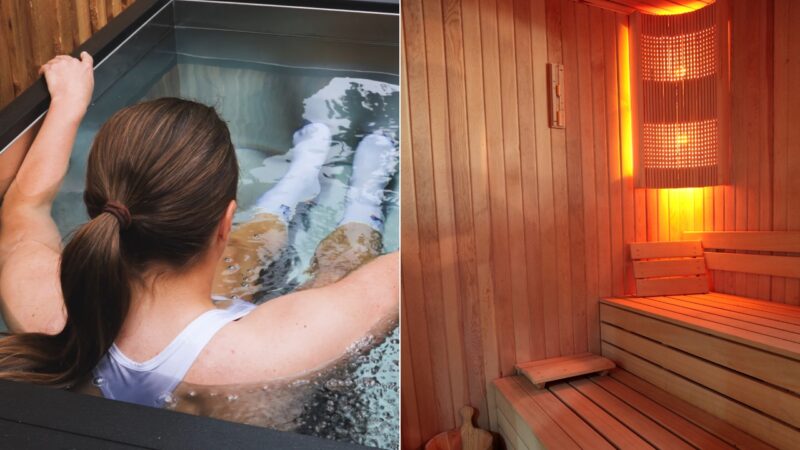
Not every workout requires contrast therapy.
Discover more about what size infrared sauna you need and other relevant information about cold plunge and heat. Can combining cold plunge and heat after exercise improve muscle recovery? For many people, it may help reduce soreness, support relaxation, and make recovery feel more intentional. While it is not a replacement for sleep, hydration, or balanced nutrition, the combination of cold and heat can be a useful addition to your wellness routine. Whether you are experimenting with cold immersion after a long run or incorporating heat into recovery through infrared sauna experiences, the goal is to help your body feel ready for what comes next. Recovery is an essential part of your routine that allows you to keep showing up for your fitness goals.
Frequently Asked Questions
The Bottom Line on Cold Plunge and Heat After Exercise