
Plenty of workouts begin with the same ritual: scoop powder, shake bottle, wait for the familiar buzz. Caffeine can improve exercise performance, yet a productive training session does not depend on feeling wired.
A caffeine-free pre-workout routine works best when it covers four basic jobs: arrive fueled, start well hydrated, raise body temperature, and gradually prepare the movements and muscles required for the session.
Supplements can play a supporting role, although surprisingly few need to be taken immediately before training.
For evening lifters, caffeine-sensitive athletes, or anyone tired of depending on stimulants for motivation, a repeatable routine can provide a much steadier way to switch from everyday life into training mode.
Start With Fuel Rather Than a Stimulant
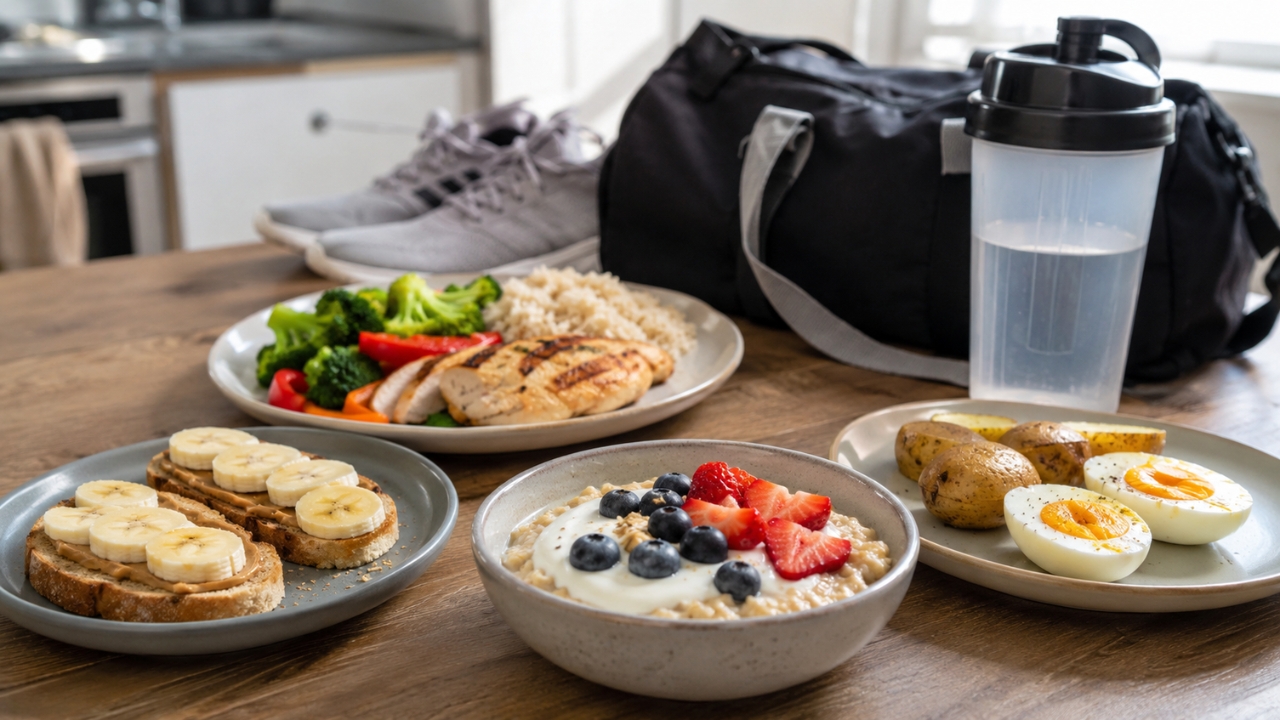
Feeling flat at the gym sometimes has a simple explanation: the last proper meal happened five hours ago.
Carbohydrate availability matters particularly during longer endurance sessions and demanding high-intensity training. A joint sports nutrition position from the American College of Sports Medicine, Academy of Nutrition and Dietetics, and Dietitians of Canada emphasizes matching food and fluid intake to training demands.
For exercise lasting longer than about an hour, sports nutrition guidance commonly recommends 1 to 4 g of carbohydrate per kilogram of body weight during the 1 to 4 hours before exercise.
The wide range reflects workout length, intensity, body size, and how much food a person tolerates before moving, according to guidance on pre-exercise carbohydrate intake.
A recreational lifter rarely needs to turn that figure into an enormous pre-gym meal.
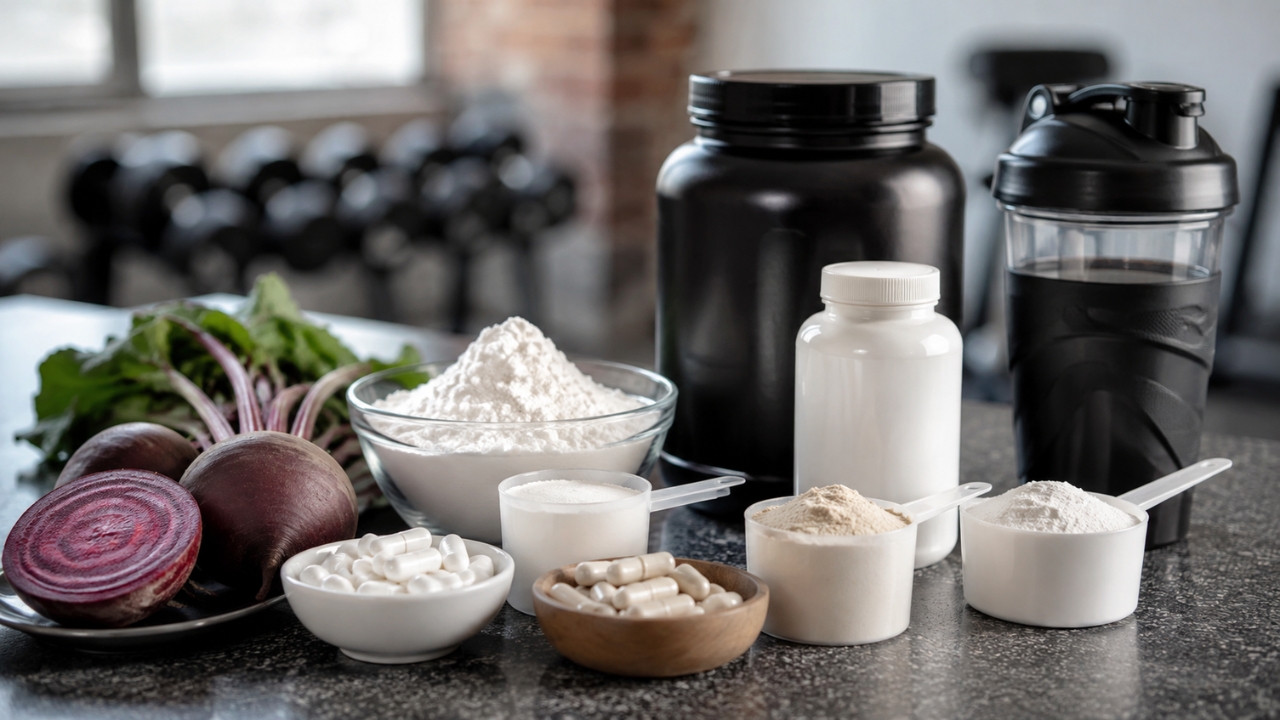
Training soon after work creates a different problem. A banana, toast with honey, cereal, or another easily digested carbohydrate snack 30 to 60 minutes beforehand can be more comfortable than a full meal. Very fatty or unusually high-fiber meals close to hard exercise may sit heavily in the stomach. Familiar food usually beats a theoretically perfect meal that leaves you doing squats while regretting lunch. Pre-workout hydration begins before the gym bag gets packed. The goal is to start exercise normally hydrated rather than trying to correct an entire day of low fluid intake during the final ten minutes. The American College of Sports Medicine recommends drinking fluids several hours before exercise so absorption and normal urine output have time to occur. An older but still practical ACSM fluid guideline gives roughly 500 ml around two hours before exercise as a general reference point. Individual requirements vary considerably because sweat rate, temperature, body size, clothing, and workout duration all affect fluid loss. For an ordinary indoor strength session, a simple approach works: Drink normally during the day, have some fluid with the pre-workout meal, then bring water to training. Long sessions, heavy sweaters, and hot environments may justify extra attention to sodium and other electrolytes. Clear urine all day is not a performance target. Neither is arriving thirsty. A 2025 systematic review and meta-analysis found that increasing muscle temperature improved rate-dependent contractile qualities such as muscle power and rate of force development. A separate 2026 meta-analysis reported improvements in change-of-direction performance and knee strength after structured neuromuscular warm-ups. Someone preparing to squat might progress from bodyweight squats to an empty bar, then several increasingly heavier sets. A runner could move from easy jogging into drills and several short accelerations. Dynamic stretching generally fits pre-performance preparation better than long periods of static stretching when power or speed matters. Research comparing dynamic warm-up strategies has repeatedly found better acute performance in many explosive tasks. No single schedule suits every person, but a basic framework makes experimentation easier. Body feedback matters. Someone who trains comfortably after a substantial meal can eat later. Another person may need three hours before vigorous movement feels comfortable. Consistency helps reveal which pattern actually works. “Stim-free pre-workout” has become its own supplement category, yet the absence of caffeine does not automatically make every ingredient useful. The same distinction matters with botanical products: someone may come across crushed leaf kratom for brewing tea while looking for caffeine-free options, but a caffeine-free format should not automatically be treated as an evidence-based pre-workout aid. The Australian Institute of Sport places only a small group of performance supplements in its highest evidence category, including creatine, dietary nitrate, beta-alanine, sodium bicarbonate, glycerol, and caffeine. Several have very specific use cases. Creatine monohydrate makes sense for many strength and high-intensity athletes, but taking it exactly 20 minutes before training provides no special magic. A major creatine evidence review reports that daily doses around 3 to 5 g can increase muscle creatine stores without requiring a loading phase. Take it when daily consistency is easiest. Breakfast is fine. So is dinner. Dietary nitrate, often supplied through concentrated beetroot products, has a genuine acute timing component. Dietary nitrate research has frequently used nitrate around 2 to 3 hours before exercise, and benefits appear most consistently in certain endurance and high-intensity exercise situations. Results vary by athlete and exercise type. A 2026 cyclist study in trained male cyclists, for example, found no significant performance improvement under its testing conditions. Concentrated nitrate products can also affect blood pressure. Anyone using blood-pressure medication or managing a relevant medical condition should discuss supplementation with a clinician. Competitive athletes have another concern: contamination. IOC supplement guidance warns that supplement use can expose athletes to undeclared prohibited substances, making reputable third-party testing important. A 6 p.m. workout can create an awkward choice. Caffeine may improve the session while making bedtime harder. A 2024 randomized crossover trial tested 100 mg and 400 mg caffeine doses at different intervals before sleep. Among 23 men with moderate habitual caffeine intake, 400 mg affected sleep when consumed as far as 12 hours before bedtime, with larger effects closer to bedtime. The 100 mg dose produced no significant sleep effects in the tested conditions, highlighting how strongly dose matters. Individual sensitivity still varies. For late training, preserving sleep may contribute more to tomorrow’s workout than squeezing extra stimulation into tonight’s session. A caffeine-free pre-workout routine does not need exotic powders or a 14-step ritual. Eat enough during the day. Place useful carbohydrates near demanding sessions. Arrive hydrated. Spend several minutes getting physically warm, then rehearse the movements and loads coming next. Add evidence-based supplements only when they match a specific goal, and remember that creatine and similar loading-based ingredients belong to a daily nutrition strategy rather than a dramatic pre-gym countdown. After a few weeks, the routine itself can become the cue. Shoes go on, warm-up begins, first ramp-up set moves smoothly, and the body knows what comes next. No buzz required.
Arrive Hydrated Without Chugging Water at the Door
Let the Warm-Up Create the “Pre-Workout” Feeling
A good warm-up provides much of the physical transition people often expect from a stimulant.
A Simple Caffeine-Free Pre-Workout Timeline
Time Before Training
What to Do
Main Purpose
2 to 3 hours
Eat a carbohydrate-focused meal with some protein
Fuel training
About 2 hours
Drink roughly 400 to 600 ml of fluid as needed
Begin well hydrated
30 to 60 minutes
Add a small snack if hungry
Top up available energy
10 to 15 minutes
Start an active warm-up
Raise temperature and readiness
Final few minutes
Perform progressive warm-up sets or drills
Prepare for session-specific effort
Which Caffeine-Free Supplements Have Evidence Behind Them?
Creatine Works Through Consistency
Beetroot and Dietary Nitrate Work Differently
Evening Training Makes Caffeine-Free Routines Especially Useful
Build a Routine You Can Repeat