
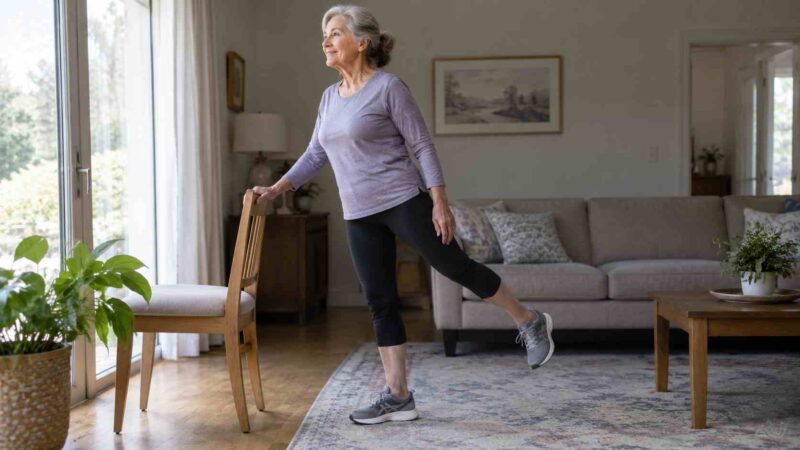
After several months or years without regular exercise, even a short walk can feel surprisingly tiring. Your legs may become heavy sooner than expected, climbing stairs can leave you breathless, and movements that once felt easy may now require more effort.
Returning to exercise after 60 is possible, even if you have spent years living a mostly sedentary life. The first workouts should be short enough to finish without exhaustion, with movements chosen according to your current mobility and strength.
Walking, seated exercises and light resistance training give you several ways to begin. You do not need an expensive gym membership or a demanding workout schedule. However, returning after a long break calls for patience, especially if you have joint pain or medical conditions that affect your mobility.
Start With What Your Body Can Comfortably Do Today
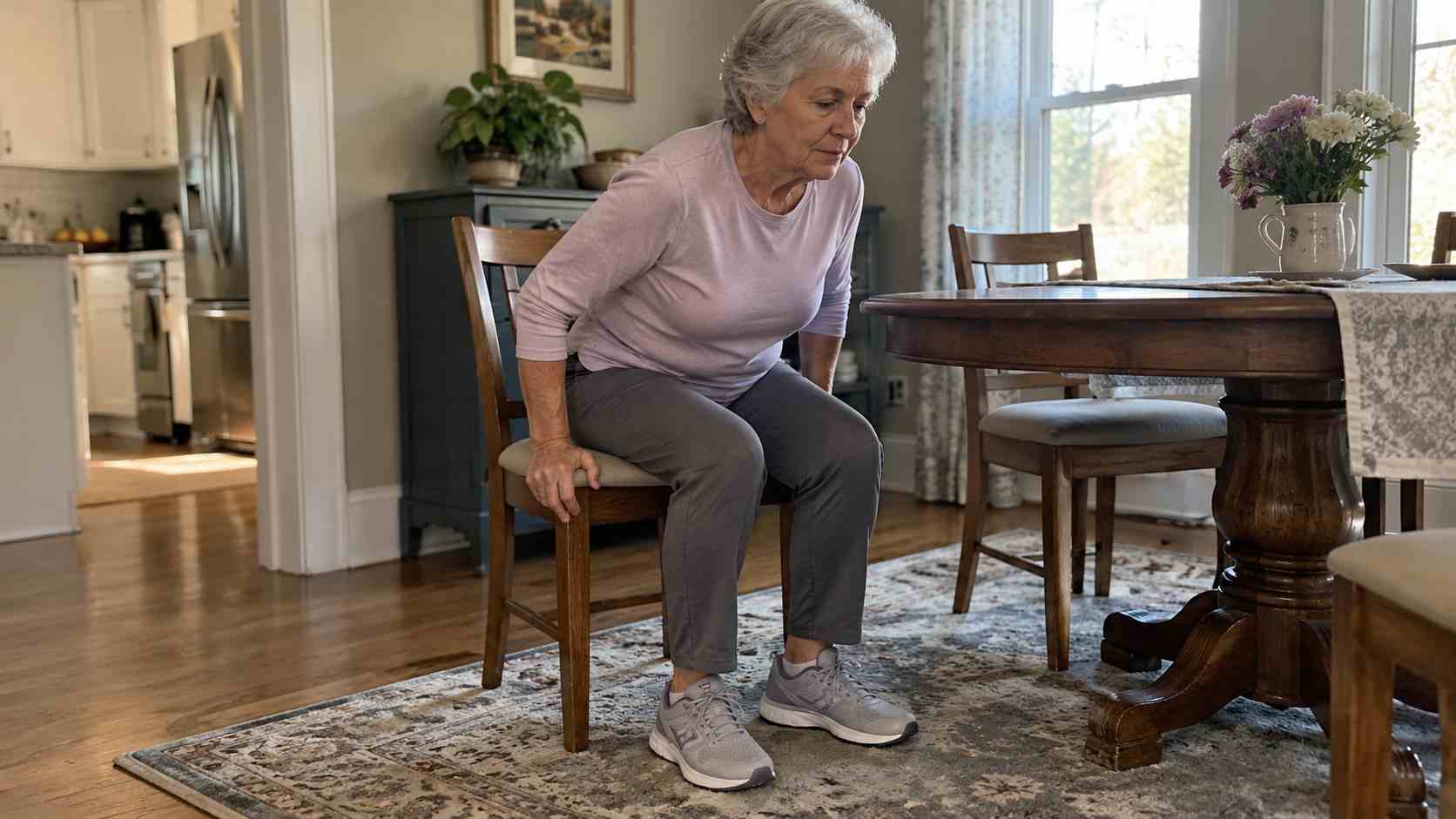
Before choosing exercises, consider how easily you manage ordinary activities. Can you stand up from a chair without using your hands? Walk around the house without stopping? Reach overhead without discomfort? Your answers can help identify an appropriate starting point.
The National Institute on Aging advises older adults to increase physical activity gradually, particularly when returning after illness or an extended break.
If you have been inactive but have no significant health problems or current injuries, gentle activity generally does not require medical clearance. However, speak with your healthcare professional before beginning if you have an unstable heart condition, recent surgery, unexplained symptoms, frequent falls or an illness that affects your ability to exercise safely.
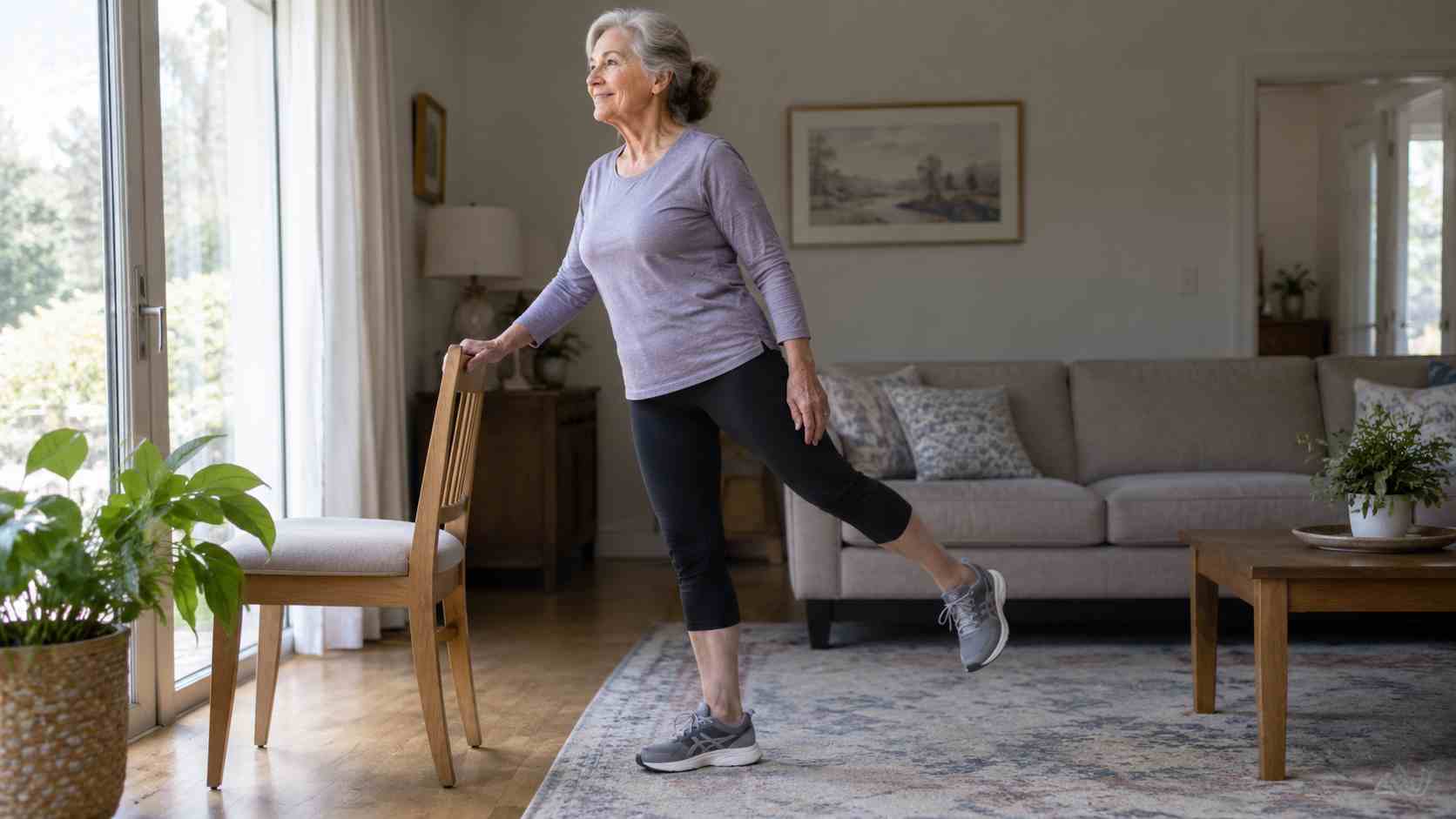
For your first session, five minutes of comfortable movement may be sufficient. Try walking indoors, moving your arms while seated or practicing a few controlled movements using a sturdy chair for support.
Finish before you become exhausted. You can gradually add time as your body adjusts, rather than pushing through a demanding session on the first day.
Gentle Exercises for Women Who Have Not Worked Out in Years
Exercises that are easy to adjust give you greater control over your first workouts. A sturdy chair, supportive footwear and a clear space without loose rugs are enough for several useful movements.
Seated Movements and Chair Yoga
Seated exercise is especially helpful when standing for extended periods causes fatigue or your balance feels uncertain. You can begin with slow shoulder rolls, ankle circles and gentle seated marching, keeping your movements comfortable.
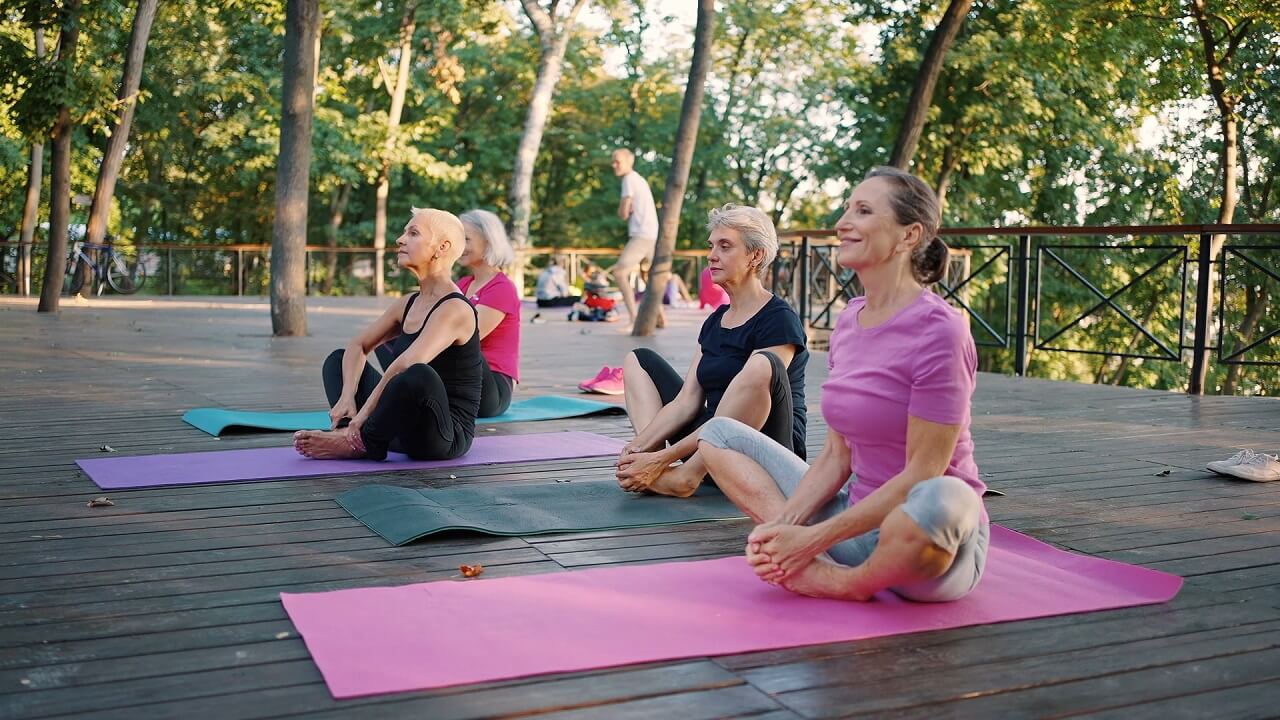
If you prefer a guided routine, chair yoga for seniors is another option for practicing gentle movement without standing throughout the session. Begin with simple seated poses and avoid twisting or reaching farther than your joints comfortably allow.
Use a firm chair without wheels, placed on a nonslip surface. Keep movements slow enough to maintain control, and stop any pose that produces sharp pain or dizziness.
Short Walks
Walking is suitable for many women returning to activity because the distance and speed are easy to adjust. Begin on a flat surface, such as a hallway, an accessible park path or a quiet sidewalk.
A five-minute walk is a reasonable first attempt if you can complete it comfortably. If five continuous minutes are too demanding, shorter walks separated by rest periods are another option.
Supportive shoes and even walking surfaces can reduce unnecessary strain on your legs. Uneven trails and steep hills are better left until your balance and stamina improve.
Walking is also among the safest exercises for older adults, alongside gentle resistance exercises and other movements that can be adjusted for mobility limitations.
Sitting Down and Standing Up
Standing from a chair strengthens the muscles used for getting out of bed, using the toilet and rising from a dining chair.
Sit near the front of a stable chair with your feet flat on the floor. Lean slightly forward, press through your feet and stand slowly. Lower yourself back into the chair with control.
Start with three to five repetitions if you can perform them safely. Using your hands on the armrests is acceptable when extra support is needed.
If standing causes knee pain, severe weakness or dizziness, stop and ask a physical therapist or healthcare professional for a suitable modification.
Supported Heel Raises
Heel raises work the calf muscles and give the ankles a controlled movement to practice.
Stand facing a sturdy counter with both hands resting on its surface. Raise your heels a small distance, pause briefly and lower them slowly.
Five controlled repetitions provide a reasonable starting point. Keep both hands supported if your balance is uncertain, and avoid the movement if you cannot stand steadily.
Gentle Arm Exercises
Shoulder movement can become uncomfortable after long periods of inactivity. Seated arm exercises allow you to work within a comfortable range.
Try bending and straightening your elbows, gently lifting your arms forward or squeezing your shoulder blades together without forcing your back into an exaggerated position.
Light resistance can come later. Start without weights so you can judge how your shoulders and elbows respond.
A Simple Exercise Schedule for Your First Four Weeks
Returning to physical activity works best when the schedule leaves room for rest. The following example is intended for someone who can walk independently and has no medical restriction preventing light exercise.
| Week | Suggested Activity | Goal |
| Week 1 | 5 minutes of easy walking or seated movement on 3 days | Become comfortable moving again |
| Week 2 | 5 to 10 minutes on 3 or 4 days | Add time if previous sessions felt manageable |
| Week 3 | 10 to 15 minutes on 4 days, with gentle strength exercises on 2 days | Build stamina and practice controlled movements |
| Week 4 | 15 to 20 minutes on 4 or 5 days, if comfortable | Establish a routine you can maintain |
The schedule is an illustrative progression, not a medical prescription or a requirement to reach a particular duration. Remain at an earlier level if the activity causes unusual fatigue, prolonged soreness or worsening symptoms. Some women will need several weeks at the first stage.
After establishing a routine, you can work toward the CDC activity recommendations for adults 65 and older. They include at least 150 minutes of moderate aerobic activity each week, muscle-strengthening activities on at least two days and regular balance exercises.
The weekly recommendation is a longer-term goal. Even small amounts of physical activity offer benefits when you are starting from inactivity.
Strength Training Becomes More Important After 60
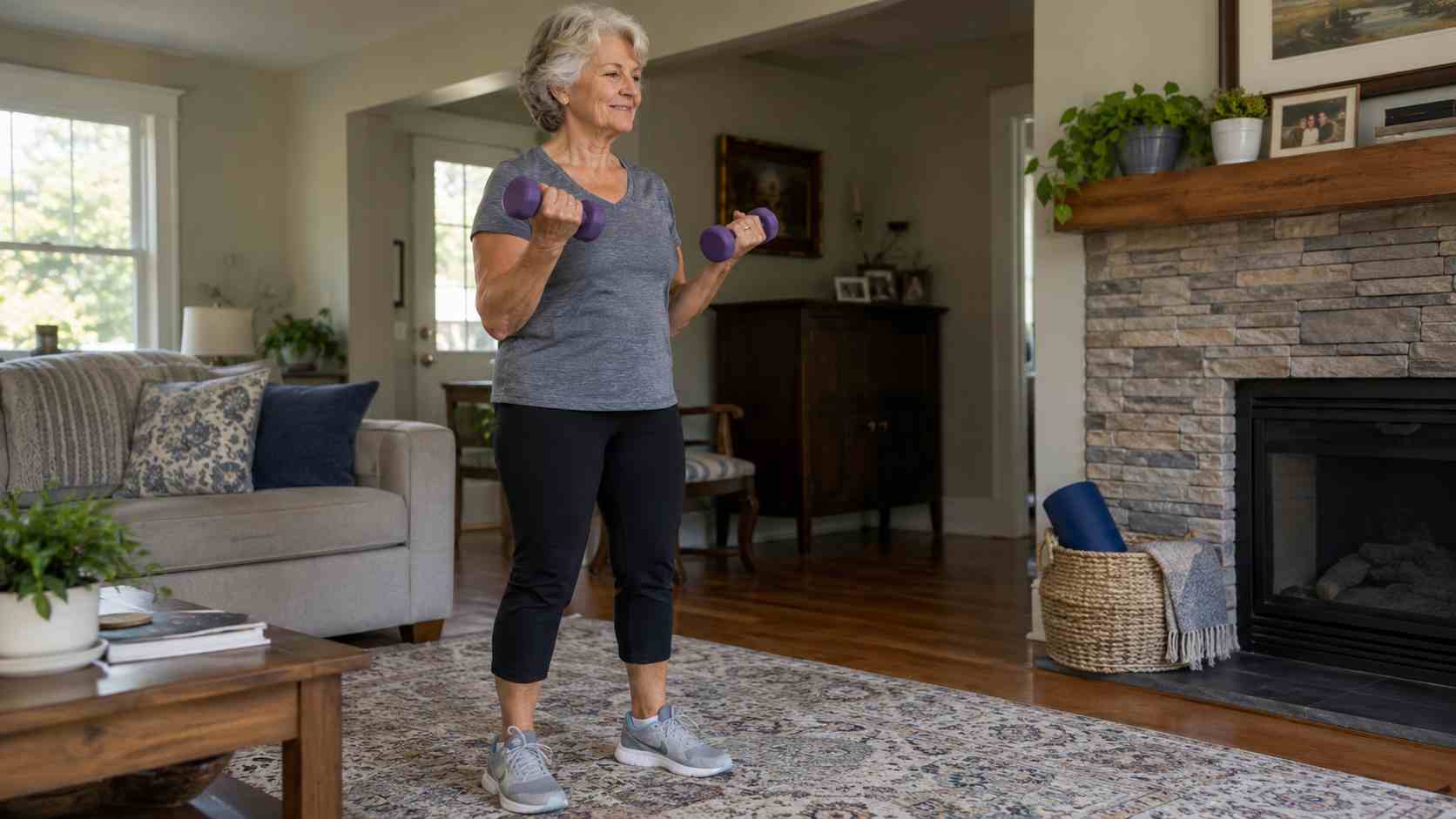
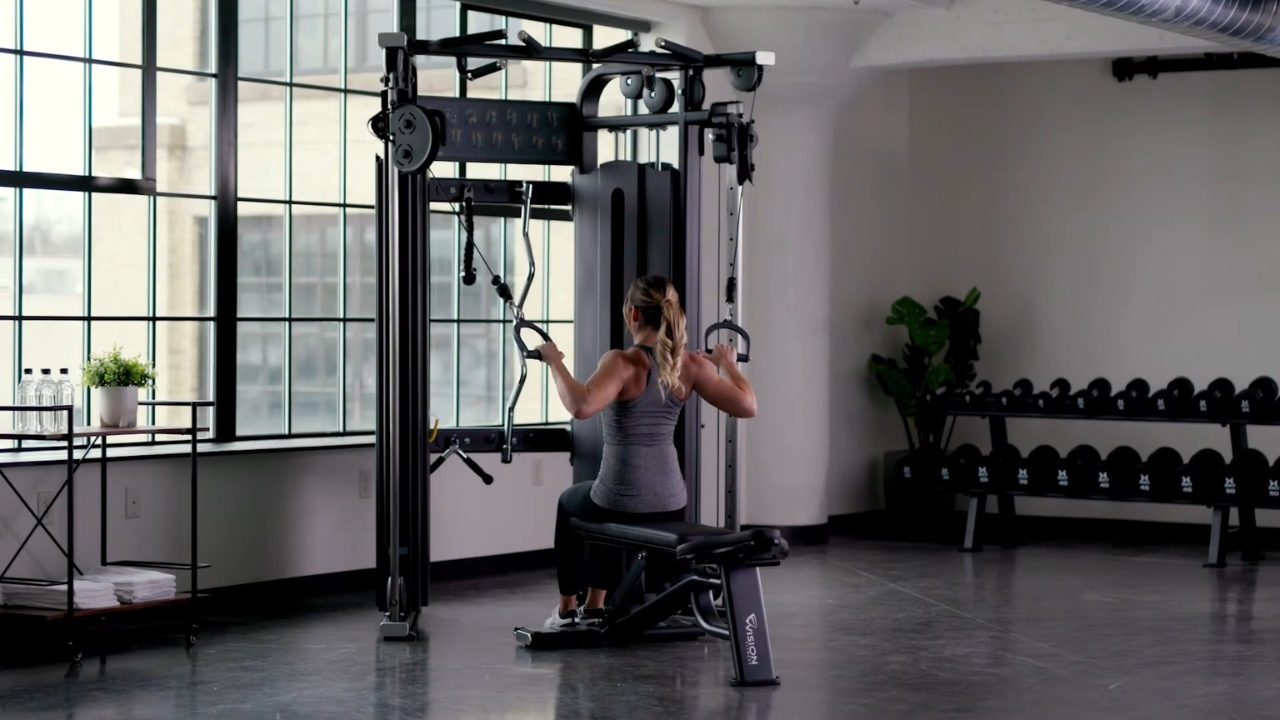
Women gradually lose muscle mass and strength with age, particularly when they spend long periods inactive. Weakness in the legs can make everyday activities such as climbing steps and carrying groceries more demanding.
Resistance exercise helps preserve muscle function. Heavy weights are unnecessary when you are beginning, and movements using your own body weight can provide a sufficient challenge.
The National Institute on Aging explains how muscle-strengthening activities help older adults maintain independence, perform daily tasks and reduce their risk of falls.
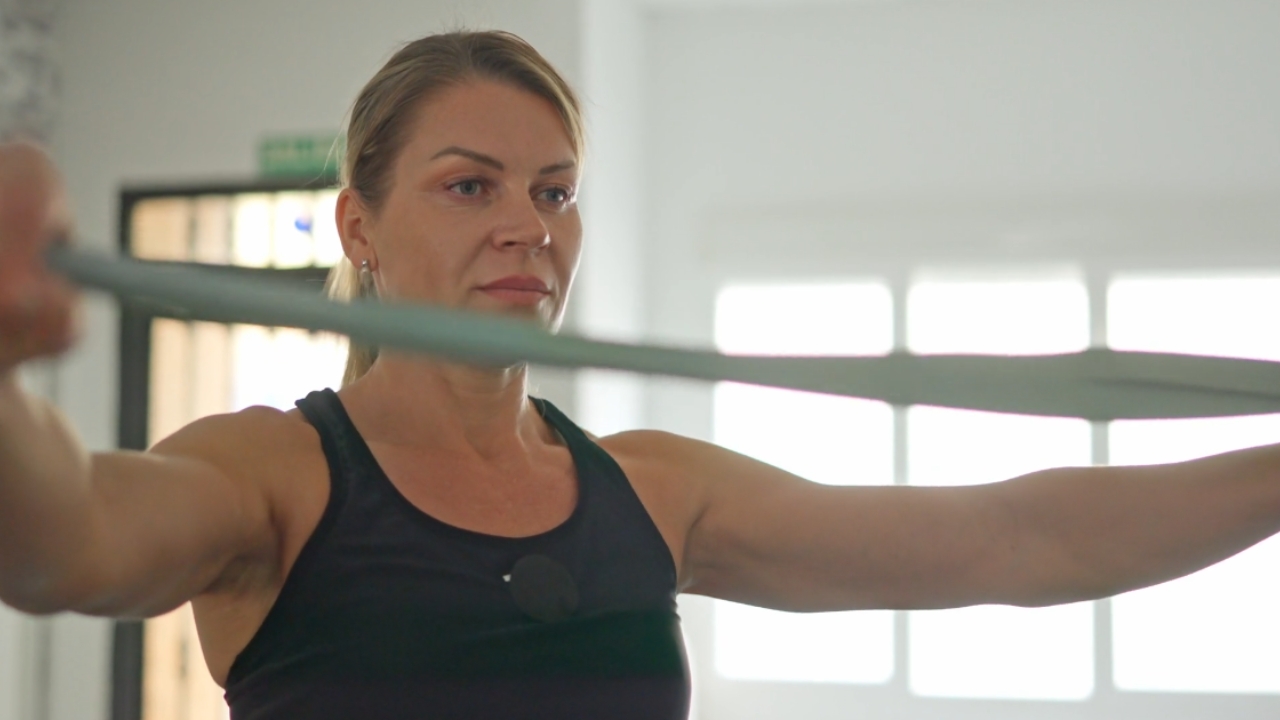
Initially, a few controlled chair stands or gentle wall push-ups may be enough. A resistance band can be introduced when you can perform the movements without straining or losing control.
Avoid holding your breath during repetitions. Exhale during the more demanding part of a movement and inhale as you return to the starting position.
How to Exercise With Stiff Knees, Hips or Back Pain
Joint discomfort can make returning to exercise difficult, particularly when inactivity has reduced muscle strength around the affected joints.
Some people with arthritis feel more comfortable after gentle movement, but sharp pain, significant swelling or symptoms that worsen during exercise should not be ignored.
Walking on flat ground, comfortable stationary cycling and exercising in water are among the workouts that are easier on sensitive joints. Swimming and water aerobics also allow movement without placing your full body weight on your knees and hips.
If you experience persistent back pain, avoid copying stretches that require deep bending or twisting without professional advice. A physical therapist can identify suitable exercises based on the cause of your symptoms and current mobility.
Women with osteoporosis should also seek individual advice before performing loaded spinal bending or twisting exercises, particularly if they have experienced vertebral fractures. The National Institute on Aging guidance for chronic conditions explains how activity choices can be adjusted for osteoporosis, arthritis and other health concerns.
How to Tell When You Are Exercising Too Hard
Breathing a little faster during walking is normal. At moderate intensity, you should still be able to speak in full sentences, although singing would be difficult.
If you are gasping for breath, struggling to maintain balance or becoming unusually weak, reduce the effort or stop.
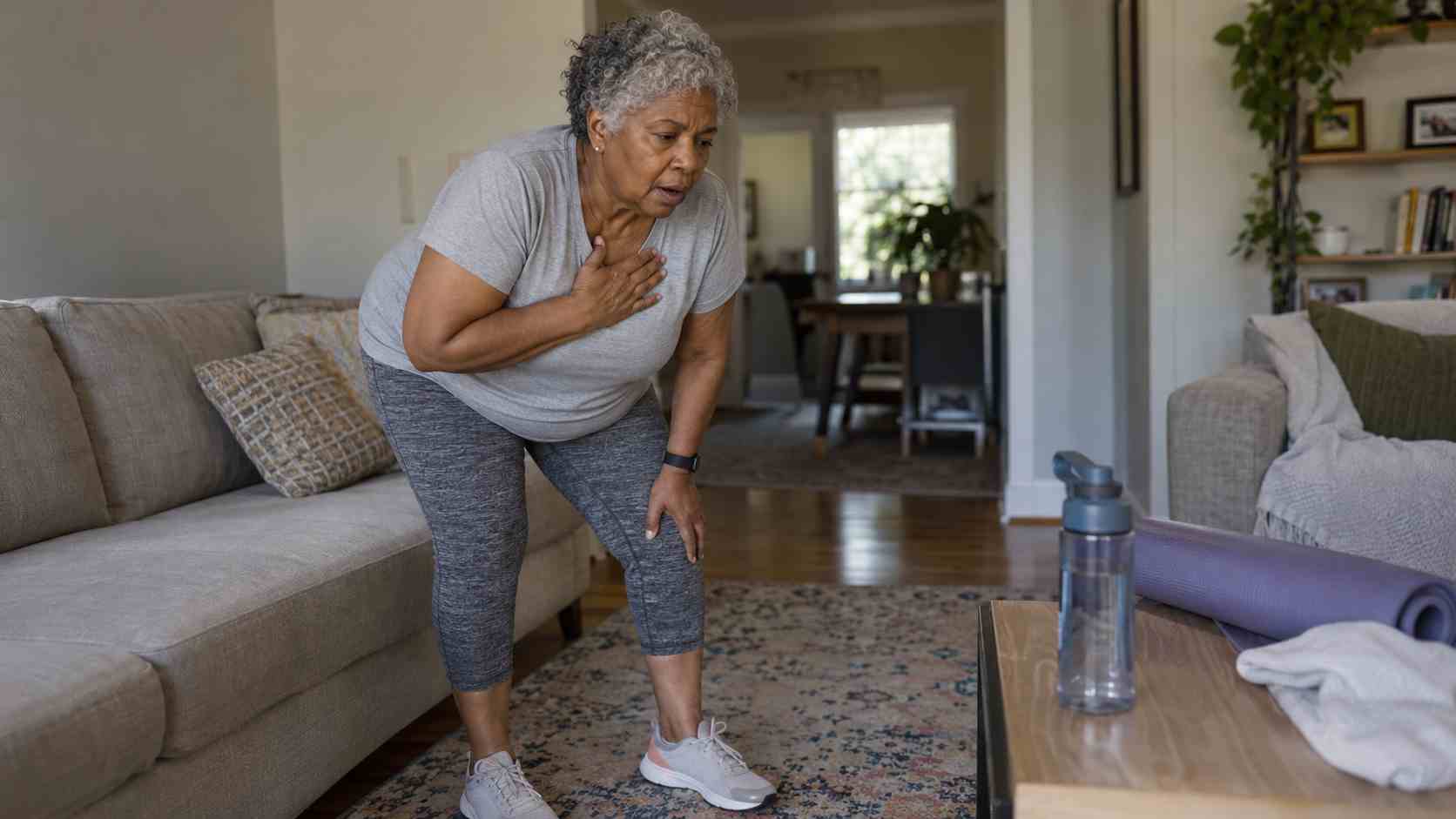
Chest discomfort, fainting, severe unexplained breathlessness and sudden dizziness are not normal exercise responses. Stop immediately if they occur, and seek emergency medical assistance for potentially serious symptoms.
Persistent joint pain or unusual fatigue also deserves attention before you continue.
Mild muscle soreness can occur after unfamiliar activity, but severe pain or soreness that interferes with normal movement is a reason to reduce the workload and allow more recovery.
Balance Exercises Can Help With Everyday Mobility
Balance exercises deserve a place in an older adult exercise routine, especially if walking on uneven ground or stepping into a bathtub has become difficult.
Start with simple movements near a stable counter. Standing with your feet slightly closer together or slowly shifting your weight from one foot to the other can challenge balance without requiring complicated equipment.
Do not attempt unsupported single-leg standing if you already feel unsteady. A physical therapist can help select exercises and assess fall risk, particularly after a recent fall.
The goal is to maintain control throughout the movement. If your feet begin to slip or you need to grab furniture suddenly, the exercise is too demanding for your current level.
How Much Recovery Time Do Older Women Need?
Recovery depends on the activity, your general health and the intensity of the session. Gentle walking may be comfortable on consecutive days, while strength exercises that challenge the same muscles usually benefit from rest between demanding sessions.
For a beginner, two nonconsecutive strength-training days each week provide a manageable starting schedule.
Sleep, hydration and adequate food intake also support recovery. Skipping meals or exercising while dehydrated can make fatigue and dizziness more likely.
Women taking medications that influence blood pressure or blood sugar should discuss exercise timing and relevant precautions with their healthcare professional.
View this post on Instagram
Common Mistakes When Returning to Exercise
Trying to resume a previous workout routine immediately can lead to excessive soreness or injury. A woman who used to attend hour-long aerobics classes may need to rebuild her stamina with shorter sessions.
- Increasing duration too quickly. Add time gradually, after the current level feels comfortable.
- Using unstable furniture for support. Choose a fixed counter or sturdy chair rather than furniture that can slide.
- Ignoring pain. Sharp or worsening pain is a reason to stop and assess the movement.
- Doing only cardio. Include suitable strength and balance work alongside walking or cycling.
- Comparing yourself with other people. Age alone does not establish fitness level, especially after illness or extended inactivity.
- Skipping recovery. Schedule easier days when your muscles need rest.
When Will Exercise Start Feeling Easier?
There is no fixed timetable. Progress depends on your starting fitness, health, exercise frequency and any physical limitations.
Early improvements may appear in daily activities. Walking to the mailbox may feel less tiring, standing from a chair may require less assistance, or you may find that you can complete a slightly longer walk.
A simple activity diary can help you recognize changes without relying on weight or appearance. Record how long you exercised, how difficult it felt and any symptoms afterward.
If your current routine is becoming comfortable, add a small amount of time or a few repetitions. There is no need to increase speed, resistance and duration during the same session.
Final Thoughts
After a long period without exercise, five minutes of comfortable walking or a few seated movements can be a reasonable first workout. Begin at a level you can manage safely, then increase the duration as your strength and stamina return.
Older women benefit from a combination of walking, gentle resistance exercises and balance work. A routine that fits your present abilities is more sustainable than trying to complete the workouts you followed years ago.
If pain, illness or mobility problems limit your activity, a healthcare professional or physical therapist can help you choose suitable movements. Regular exercise can remain part of your life well into older age, even after an extended break.