

You can exercise five days a week, lift weights, eat healthy meals and still develop weak bones. Physical activity helps maintain bone strength, but it cannot protect against every factor that contributes to bone loss.
Calcium intake, vitamin D, hormones, certain medications and even the type of exercise you choose can affect bone density. Some problems develop gradually, without noticeable symptoms.
According to the National Institute of Arthritis and Musculoskeletal and Skin Diseases, osteoporosis can develop because of several factors, including age, hormonal changes, diet and medical conditions.
Here are nine things worth knowing, especially if regular exercise is already part of your routine.
1. Doing Plenty of Cardio but Very Little Strength Training
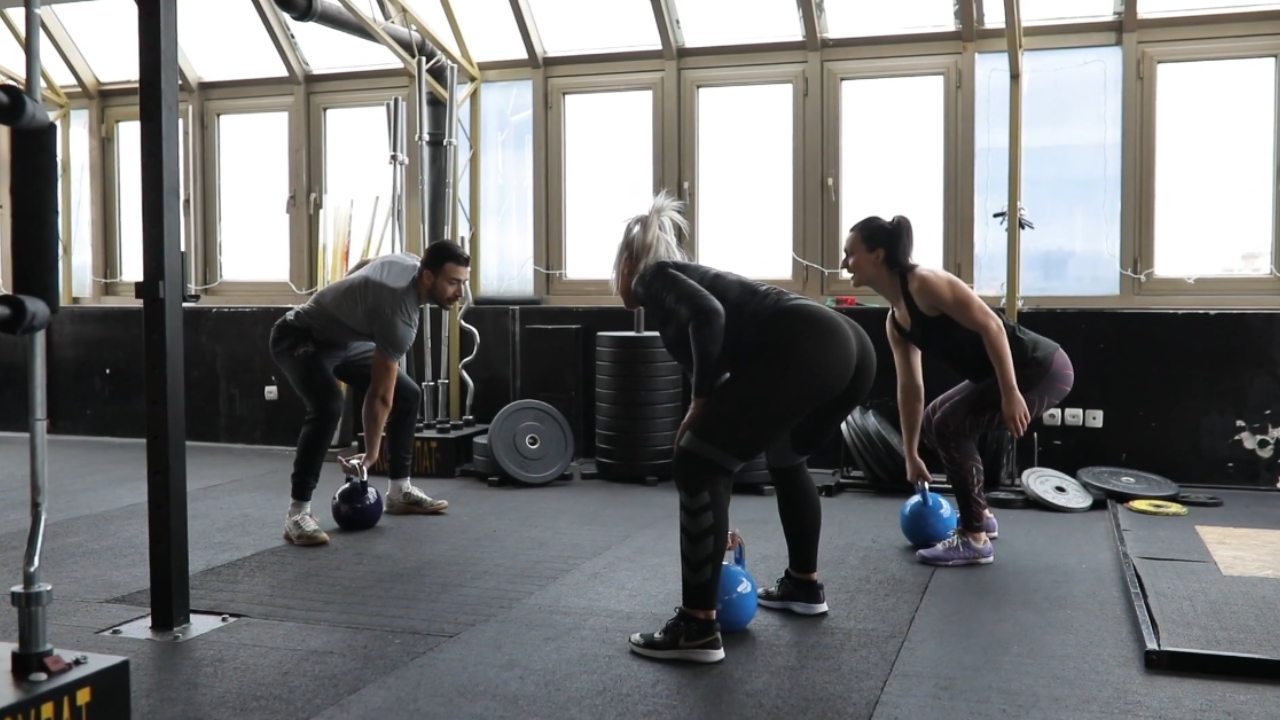
Swimming and cycling are excellent cardiovascular exercises. However, neither places the same type of weight-bearing stress on your bones as walking, running or resistance training.
Bone responds to the forces placed on it. Activities involving your body weight and muscle resistance can help maintain or improve bone density.
Someone who cycles for an hour every morning may have excellent cardiovascular fitness but still benefit from resistance exercises.
Squats, step-ups, resistance bands and carefully planned weightlifting sessions are useful options. The Bone Health and Osteoporosis Foundation identifies both weight-bearing activity and muscle-strengthening exercise as important for bone health.
A combination of activities is generally more useful than relying entirely on one form of exercise. The same principle applies when comparing cardio and strength training for aging bodies.

2. Not Eating Enough Calcium
Calcium is essential for maintaining bone structure. When dietary intake remains inadequate, the body can draw calcium out of bones to maintain necessary blood calcium levels.
Regular exercise cannot compensate for a diet that consistently provides too little calcium.
According to the National Institutes of Health, adults aged 19 to 50 generally need 1,000 milligrams of calcium daily. Women aged 51 and older generally need 1,200 milligrams.
Milk, yogurt and cheese are familiar sources. People who avoid dairy can obtain calcium through fortified plant-based drinks, certain types of tofu, leafy vegetables and canned fish containing edible bones.
Check nutrition labels rather than assuming that every plant-based milk contains the same amount of calcium.
3. Having Low Vitamin D Levels
Vitamin D helps the body absorb calcium. Even a calcium-rich diet may not support healthy bones effectively if vitamin D levels are too low.
People who spend most of their time indoors, have limited sun exposure or experience certain medical conditions may be at greater risk of insufficient vitamin D.
The NIH dietary recommendations specify 600 IU daily for adults aged 19 to 70 and 800 IU for adults older than 70.
Fatty fish, fortified foods and supplements can provide vitamin D. However, taking large doses without medical guidance is unnecessary for most healthy adults and can be harmful.
If you have risk factors for deficiency, a healthcare professional can decide if testing or supplementation is appropriate.
4. Exercising Hard but Not Eating Enough
Eating too little can damage bone health, even when someone appears physically fit.
Consider a person who runs several times a week, attends fitness classes and regularly skips meals to maintain a particular weight.
The body needs energy for exercise, recovery and normal hormone production. A prolonged energy shortage can disrupt those functions and affect bone maintenance.
The condition is associated with relative energy deficiency in sport, sometimes called RED-S. An International Olympic Committee consensus statement describes the relationship between insufficient energy intake, impaired bone health and bone stress injuries.
Warning signs can include persistent fatigue, declining exercise performance, repeated injuries and menstrual changes.
Eating enough to support your activity level is part of maintaining strong bones, not an obstacle to fitness.
5. Ignoring Changes in Hormone Levels
Estrogen helps maintain bone density. When estrogen levels decrease, bones can lose density more quickly.
Menopause is a major example. Bone loss can accelerate during the years surrounding menopause, even among women who remain physically active.
Hormonal changes can also occur in younger women who exercise intensely and consume insufficient calories.
The American College of Obstetricians and Gynecologists explains that missed periods, inadequate nutrition and low bone mass can occur together in physically active women.
If periods become unexpectedly irregular or stop, the change deserves medical attention. Pregnancy, contraception and other conditions can also affect menstrual cycles, so the cause needs to be established rather than assumed.
6. Taking Medications That Affect Bone Density
Some prescription medications can reduce bone density during prolonged use.
Corticosteroids such as prednisone are one example. They are prescribed for inflammatory and autoimmune conditions, but long-term systemic treatment can increase osteoporosis risk.
Certain medicines used for seizures and treatments that alter hormone levels can also affect bone health.
The contraceptive injection Depo-Provera is another example, as documented depo shot side effects include bone mineral density loss.
Medication-related risks depend on the treatment, dosage, duration and individual health history. Never stop prescribed medication without consulting the clinician responsible for your care.
For people taking medicines associated with bone loss, a discussion about monitoring and prevention can be especially useful.
7. Smoking, Even If You Work Out Every Day
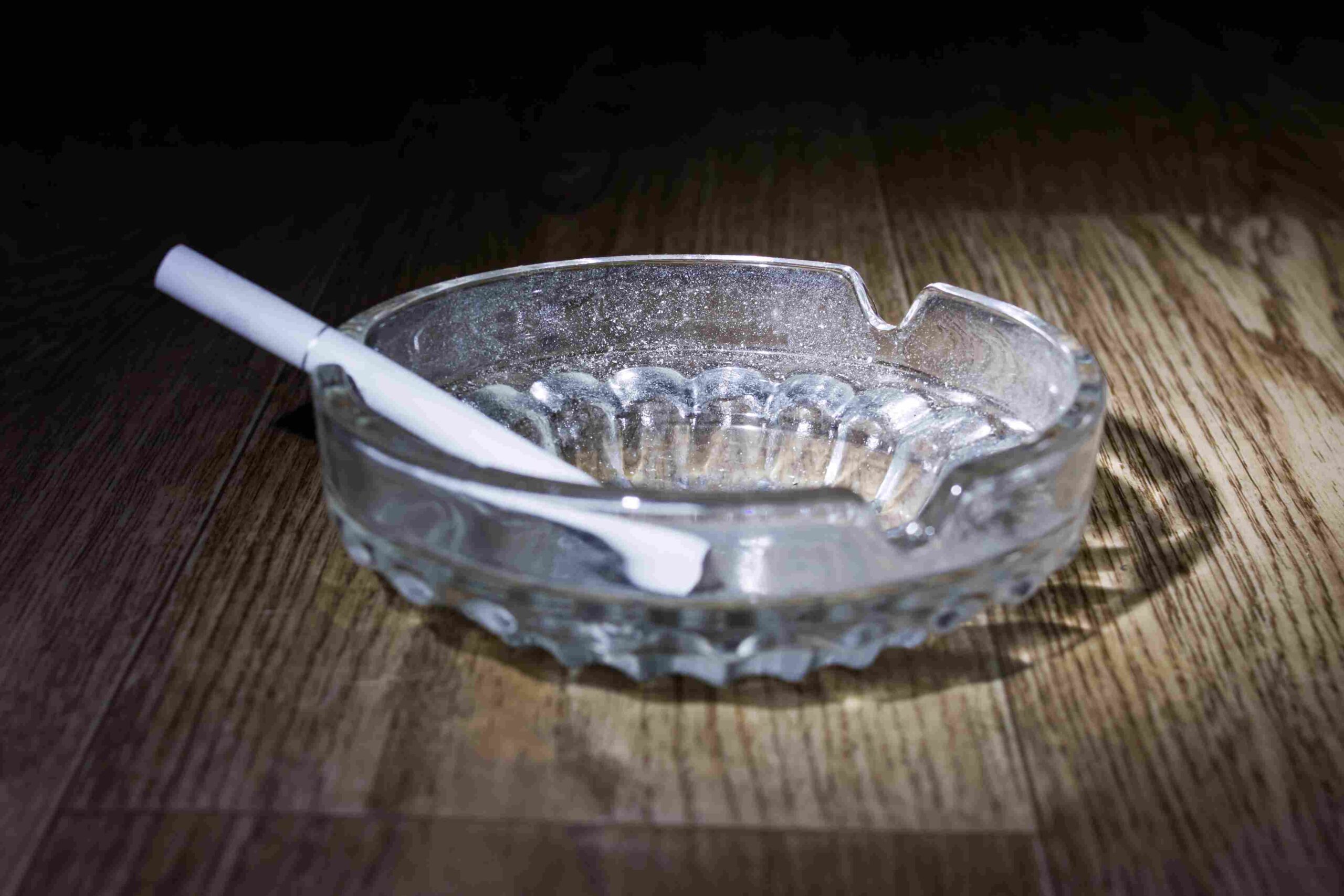
Smoking is associated with an increased risk of osteoporosis and fractures.
People sometimes assume regular exercise cancels out the damage caused by smoking. Unfortunately, an afternoon workout cannot eliminate every health risk associated with tobacco.
Smoking can also affect circulation and tissue healing, creating additional concerns after injuries.
Quitting smoking benefits several parts of the body, including the cardiovascular system and bones. People who need assistance can speak with a healthcare professional about available cessation treatments.
8. Drinking Too Much Alcohol
Heavy alcohol consumption is another established risk factor for osteoporosis.
Long-term excessive drinking can interfere with normal bone maintenance. It can also increase the likelihood of falls and accidents that result in fractures.
Someone who regularly exercises during the week but drinks heavily every weekend should not assume that fitness eliminates those risks.
Reducing alcohol consumption can support bone health and improve other aspects of physical well-being.
For individuals who already have low bone density, preventing falls is especially important because even a relatively minor accident can cause a serious fracture.
9. Having an Undiagnosed Medical Condition

Some health conditions weaken bones by interfering with nutrient absorption or changing the way the body regulates bone tissue.
Celiac disease is one example. Damage to the small intestine can interfere with the absorption of calcium and vitamin D.
An overactive thyroid can also increase bone turnover and contribute to bone loss. Other conditions affecting hormones, digestion and kidney function may have similar consequences.
Someone who eats well and exercises regularly may still develop osteoporosis because of an underlying medical problem.
Unexplained fractures, persistent localized bone pain or repeated stress fractures deserve medical assessment. Osteoporosis itself usually causes no noticeable symptoms until a fracture occurs.
How to Check Your Bone Health
Exercise performance is not a reliable measurement of bone density. Being able to run several miles or lift heavy weights does not prove that your bones are free of osteoporosis.
A bone density test called DXA measures bone mineral density and helps clinicians assess fracture risk.
Under the US Preventive Services Task Force recommendations, women aged 65 and older should undergo osteoporosis screening. Screening is also recommended for younger postmenopausal women whose risk assessment indicates an increased likelihood of fracture.
People with other significant risk factors, including certain medical conditions, medication exposure or previous fractures, may need an individualized assessment.
Regular exercise is one important part of protecting your bones, but nutrition, hormones, medical history and lifestyle habits also deserve attention.
If several of the risk factors above apply to you, discuss your bone health with a healthcare professional rather than relying on your workout routine alone.