
Having an attractive face or the right body proportions might get you noticed by a modeling agency, but neither guarantees a successful career. Agencies also consider your personality, confidence, communication skills, and ability to work professionally with photographers and clients.
Some qualities become apparent during the first meeting. Others develop through experience, including posing, responding to instructions, and dealing with unfamiliar situations.
If you are considering modeling, knowing what agencies expect can help you prepare for auditions and avoid spending money on things you do not actually need.
What Do Modeling Agencies Look for Beyond Physical Appearance?
Different modeling jobs require different qualities. Runway agencies may have specific height and measurement requirements, whereas commercial modeling offers opportunities for a wider range of ages, body types, and appearances.
According to Premier Model Management, professionalism, reliability, individuality, and confidence are important considerations when evaluating potential models.
The agency also emphasizes that aspiring models do not need previous professional experience or expensive photographs to submit an application.
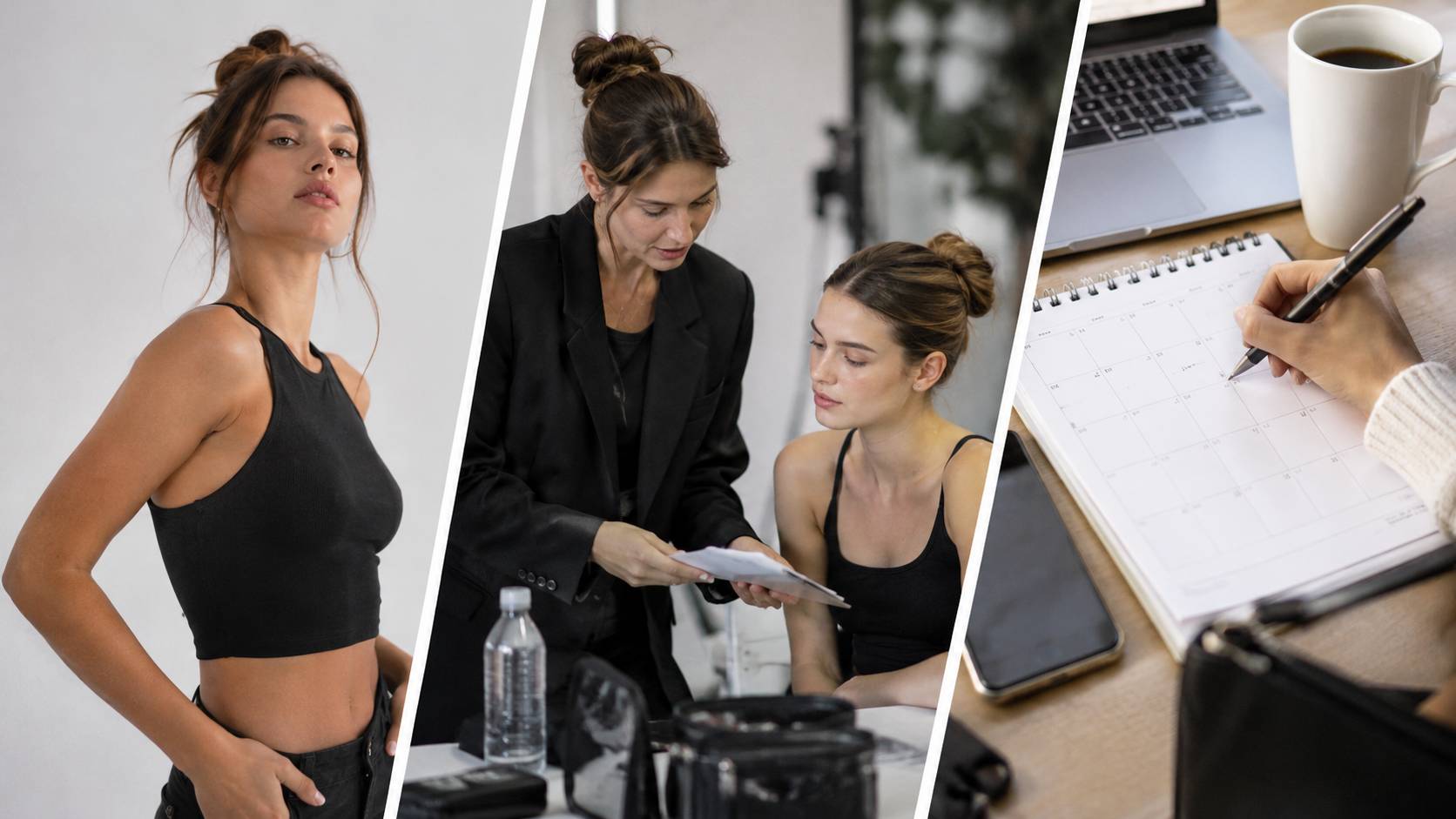
Confidence and Natural Body Language
Confidence is noticeable in the way you enter a room, introduce yourself, and respond to people. You do not need to be loud or exceptionally outgoing to make an impression.
Developing self-confidence can take time, and activities that support self-esteem may help aspiring models feel more comfortable with themselves.
Models who appear comfortable in front of a camera are easier to direct during photo shoots. They can change poses, maintain eye contact, and respond to instructions without becoming distracted by every small mistake.
If posing feels uncomfortable, practice in front of a mirror or record yourself walking and changing positions. Look at your posture, facial expressions, and movements. The purpose is to become more aware of how your body moves, rather than copying every pose you see on social media.
Personality and Communication Skills
A modeling job involves working with photographers, stylists, makeup artists, casting directors, and clients. Your behavior affects how smoothly everyone can complete their work.
An agency will notice how you answer questions, listen to instructions, and communicate during the application process.
Being polite and friendly helps, but professional communication also means asking questions when instructions are unclear and speaking up when something makes you uncomfortable.
You do not need to agree with everything to be professional. Knowing how to express your concerns respectfully is an important skill, especially when discussing clothing, working conditions, and personal boundaries.
Reliability and Work Ethic
Arriving late to a casting can affect an entire production schedule. Photographers, makeup artists, studio staff, and clients may all be waiting for the same person.
Agencies therefore pay attention to punctuality, preparation, and how quickly you respond to important messages.
Keeping your appointments, answering emails clearly, and arriving with the requested clothing or documents are basic habits that help establish trust.
Models who consistently meet their commitments give agencies fewer reasons to worry about recommending them for future assignments.
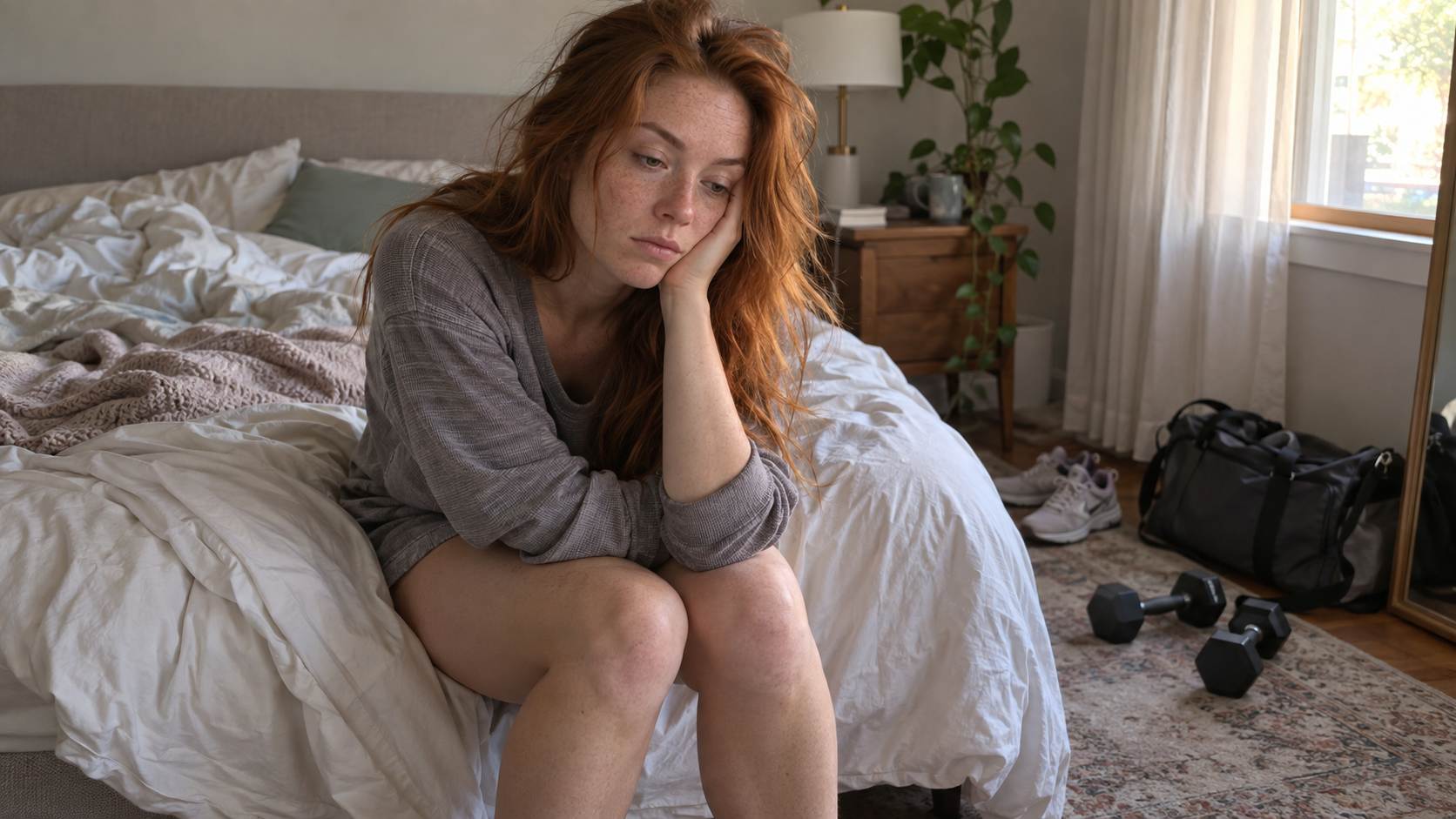
How Important Are Fitness and Healthy Habits in Modeling?
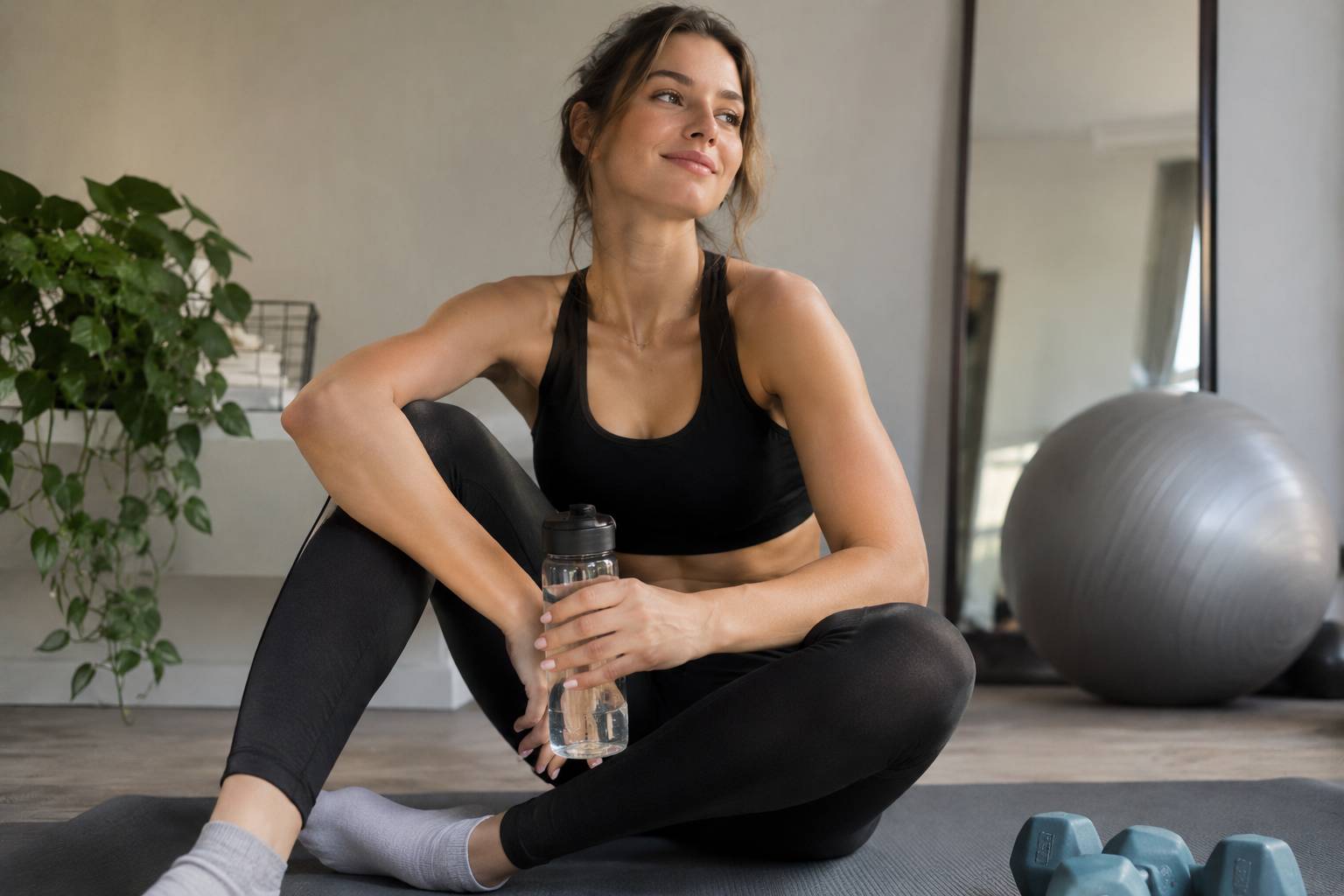
Physical condition affects more than appearance. Modeling can involve long photo shoots, standing for extended periods, traveling, and repeating movements until the photographer gets the required shot.
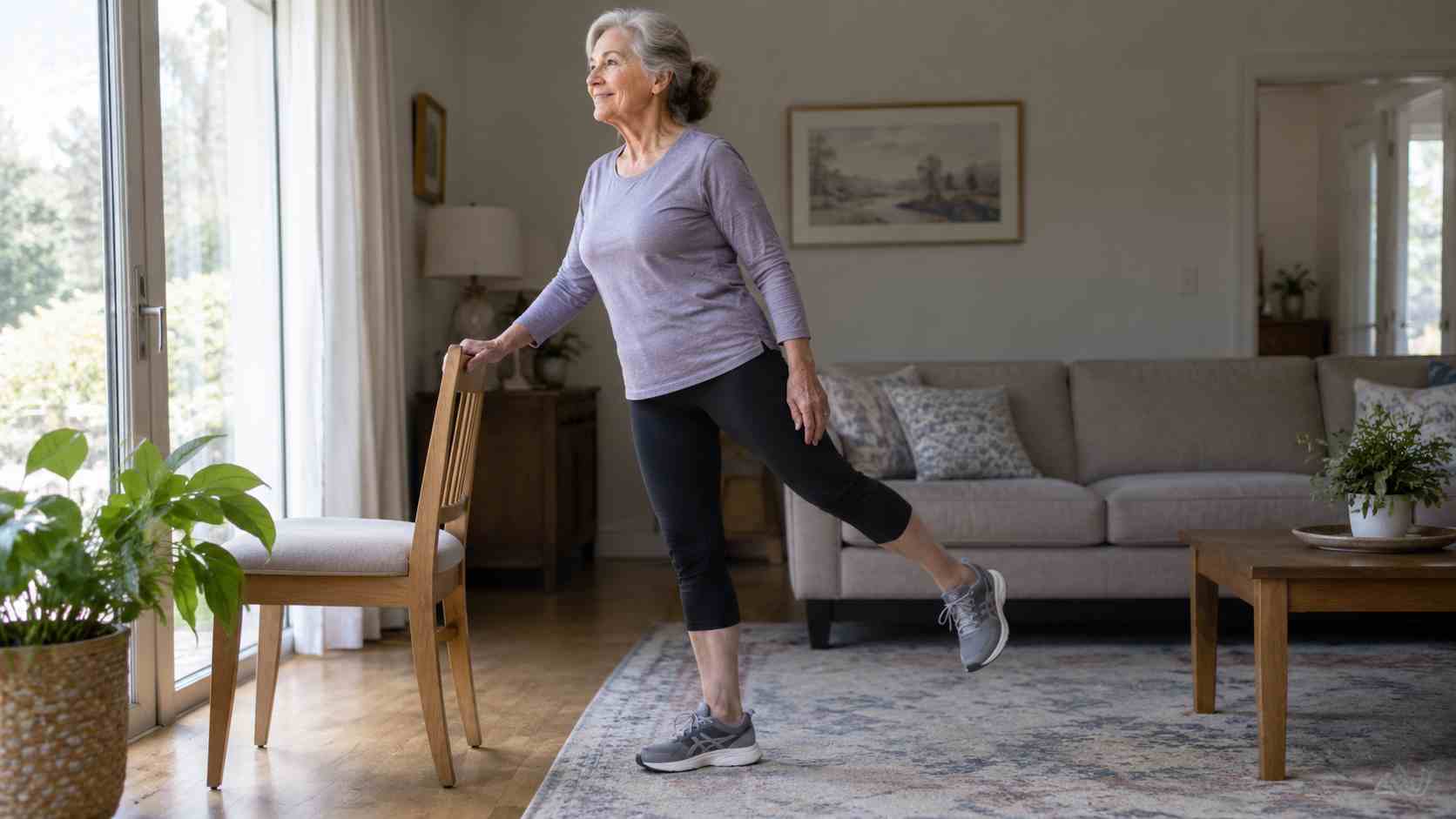
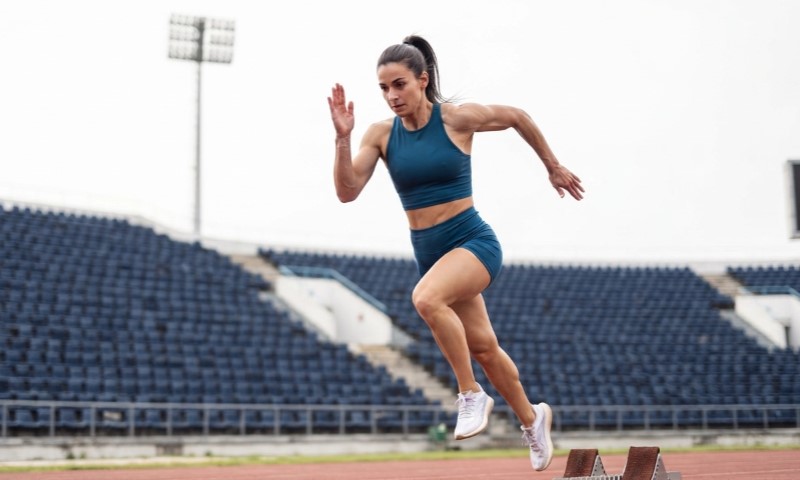
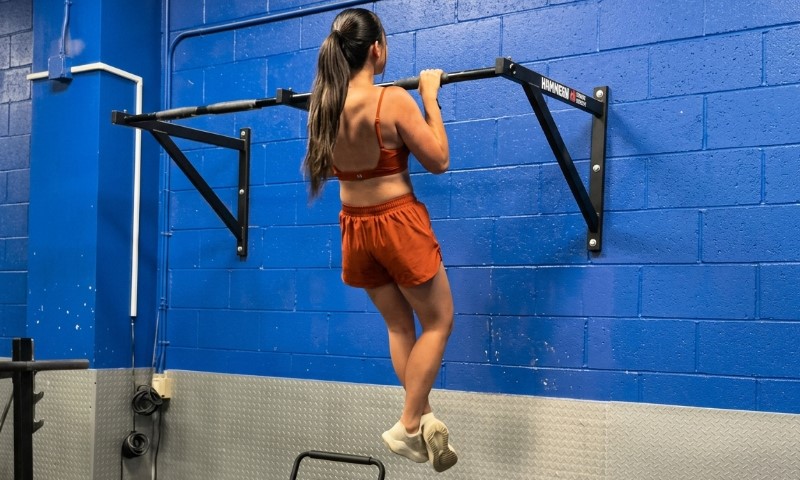
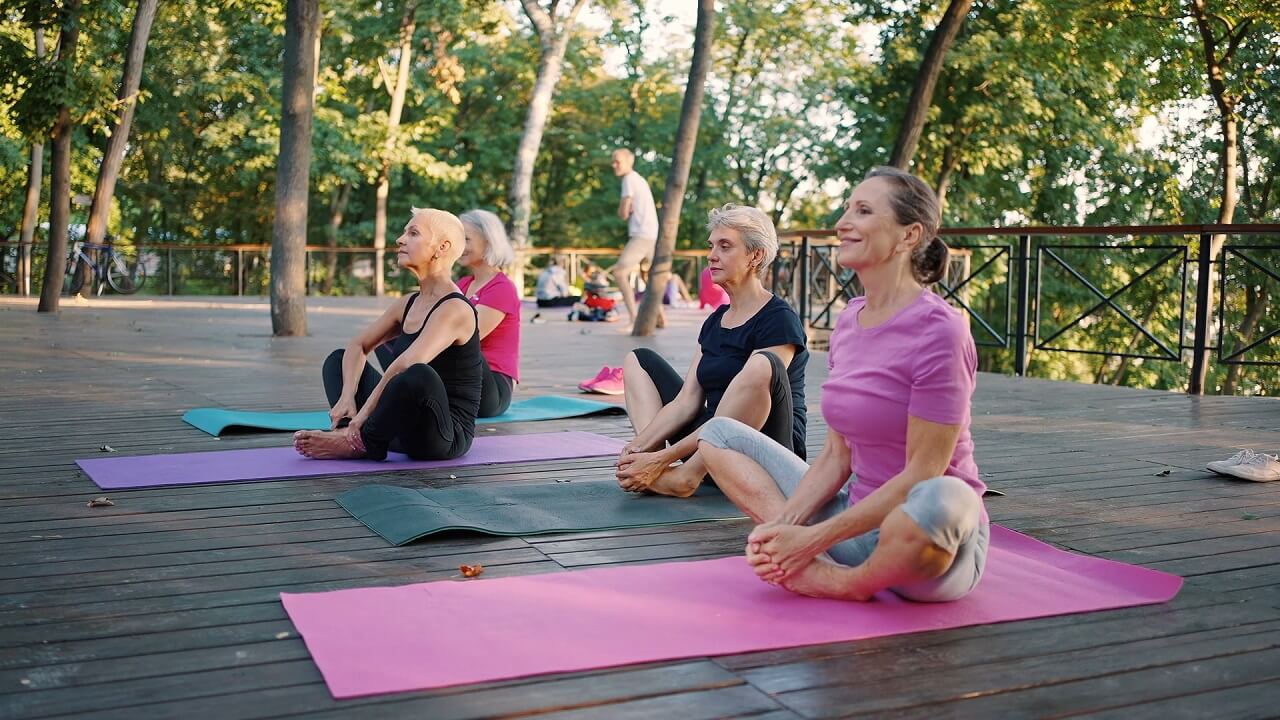
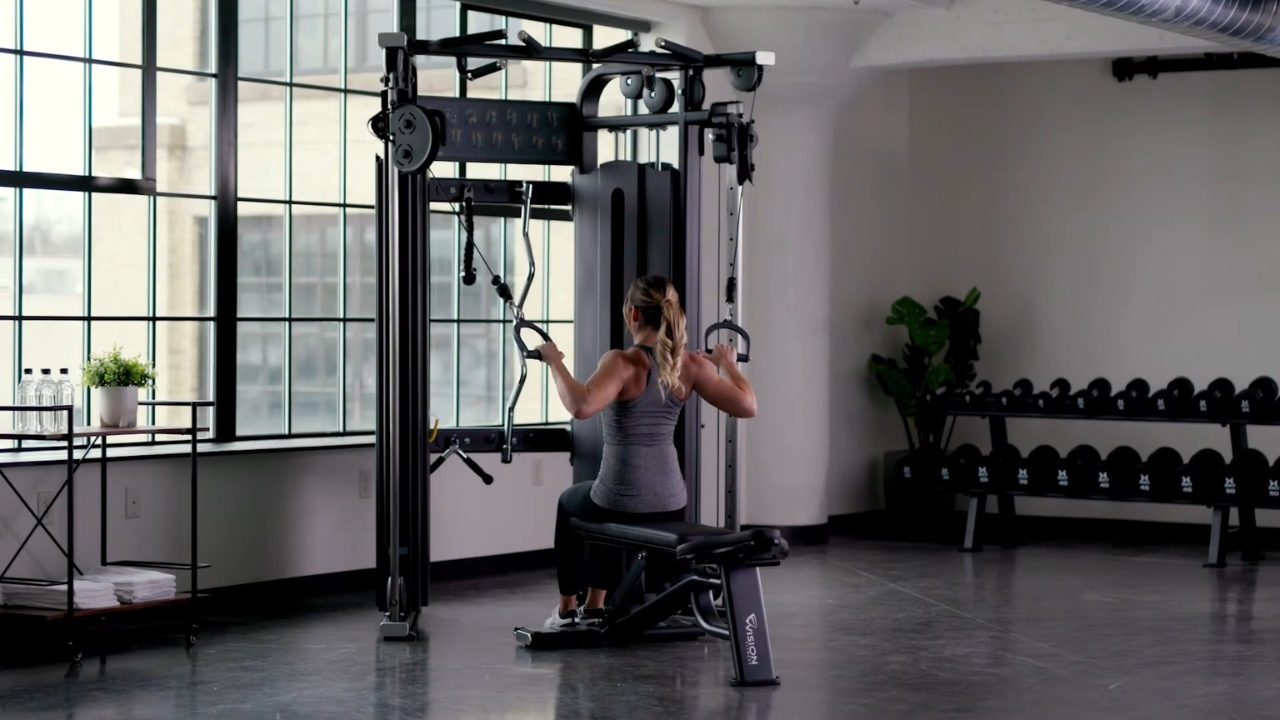
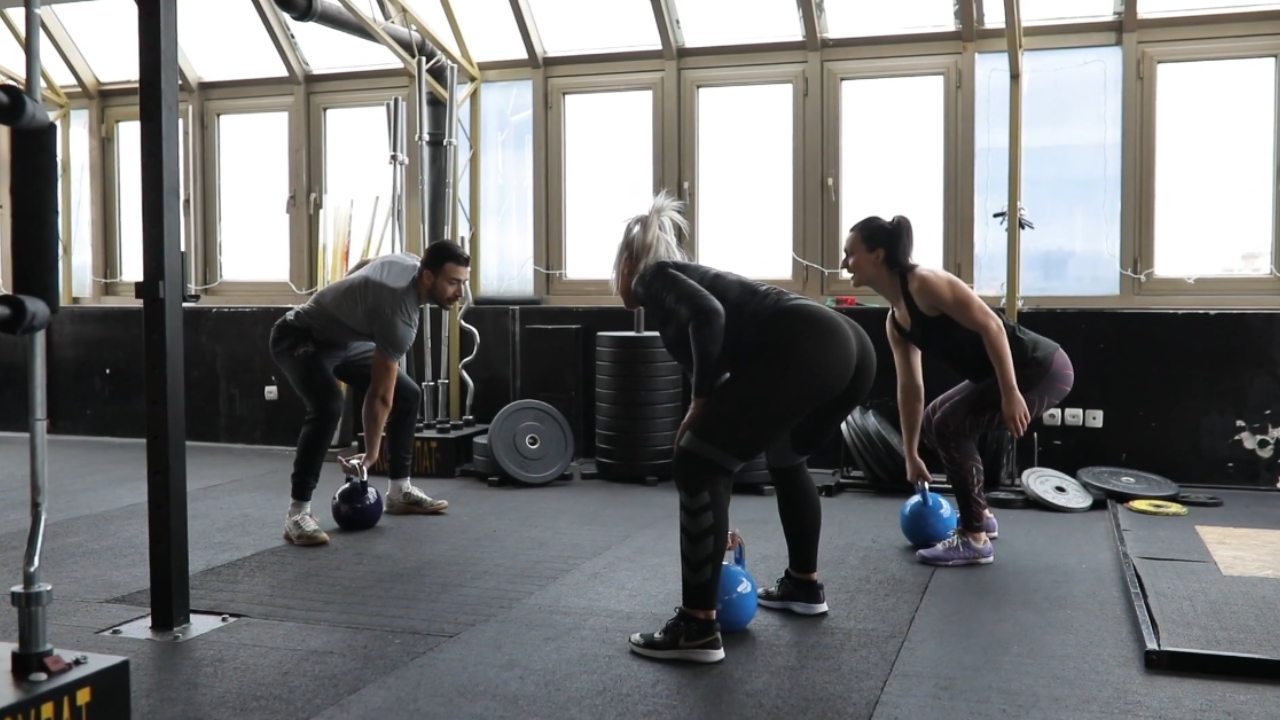
Regular physical activity can improve stamina, balance, and coordination. Strength training may also help with posture and maintaining controlled positions during shoots.
Aspiring models interested in improving their cardiovascular endurance can also explore cardio workouts for models, while choosing routines that suit their fitness levels and overall health.
However, preparing for a modeling career should never require extreme dieting or exhausting exercise routines. Different modeling categories represent different body types, and no single weight or body shape is suitable for every assignment.
- Maintain a consistent sleep schedule, especially before early castings.
- Eat regular, balanced meals rather than skipping food to change your appearance quickly.
- Choose physical activities that improve strength, mobility, and endurance.
- Maintain a skincare routine suited to your skin rather than experimenting with aggressive treatments before a shoot.
- Allow enough recovery time between demanding workouts and professional assignments.
Agencies may have specific appearance requirements for individual projects, but unhealthy weight control methods can interfere with your physical and mental health. A reputable professional should never pressure you into dangerous practices.
Do You Need Professional Modeling Photos to Get Noticed?
One of the biggest misconceptions about beginning a modeling career is that you need an expensive portfolio before contacting an agency.
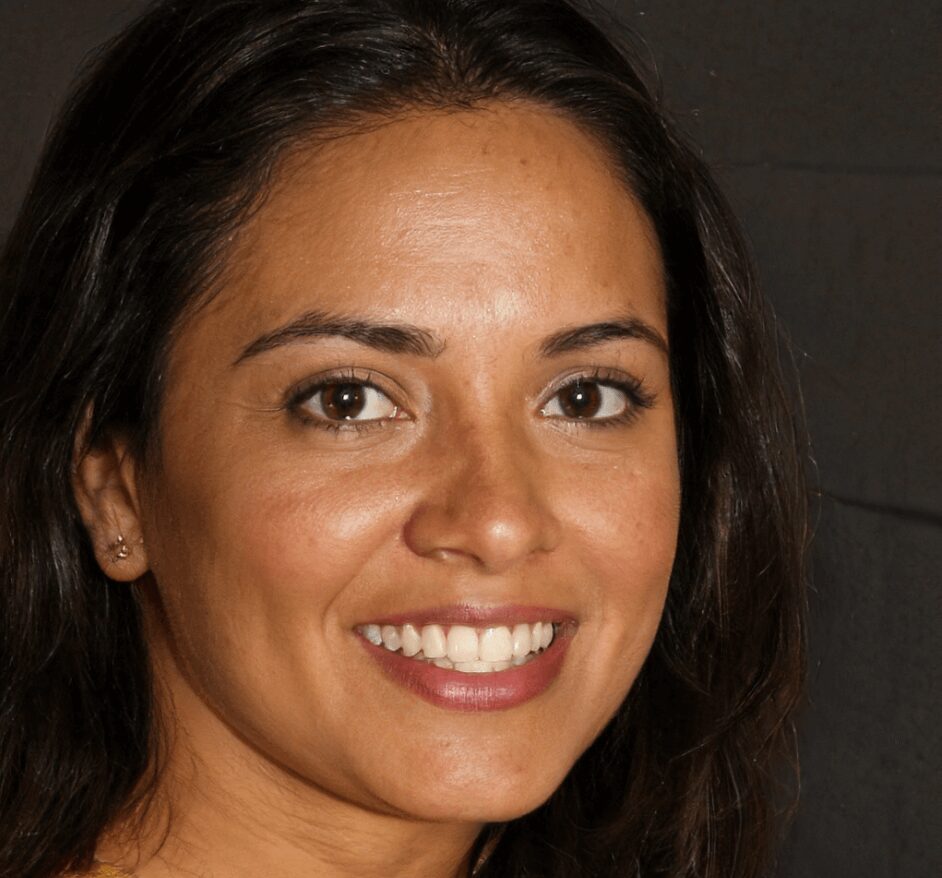
Many established agencies accept simple digital photographs taken with a smartphone. They want to see what you look like without elaborate editing, dramatic lighting, or heavy makeup.
- A clear headshot with your face visible and relaxed.
- A full-length photograph showing your natural proportions.
- A side profile taken in natural light.
- A photograph with a natural smile, if requested.
Plain clothing, a simple background, and natural lighting are generally sufficient. Check the agency’s submission page before sending photographs because requirements vary.
If an agency accepts you, professional portfolio development may become part of your work together. There is no reason to spend hundreds of dollars on photography before you have established what a legitimate agency wants.
Professional Standards Are Present in Many Other Industries

Modeling is one example of a profession where personal presentation influences opportunities. Promotional work, event hosting, luxury hospitality, and other client-facing services also place considerable emphasis on communication and reliability.
In these industries, appearance may influence an initial decision, but the experience people have when dealing with you also affects their opinion.
Similar expectations appear in the escort industry, where some agencies promote demanding standards for personal presentation, discretion, and professional conduct. For example, the escort agency Target Escorts describes reliability, privacy, and clear communication as important parts of its service.
Escort services and fashion modeling are separate professions with different responsibilities and working arrangements. Still, both illustrate how businesses that emphasize personal presentation also place importance on dependable communication and clearly defined expectations.
If you are pursuing modeling, the relevant lesson is to take professional interactions seriously. Reply to booking inquiries, respect agreed schedules, and discuss working conditions before accepting an assignment.
How Can You Stand Out During a Modeling Agency Audition?
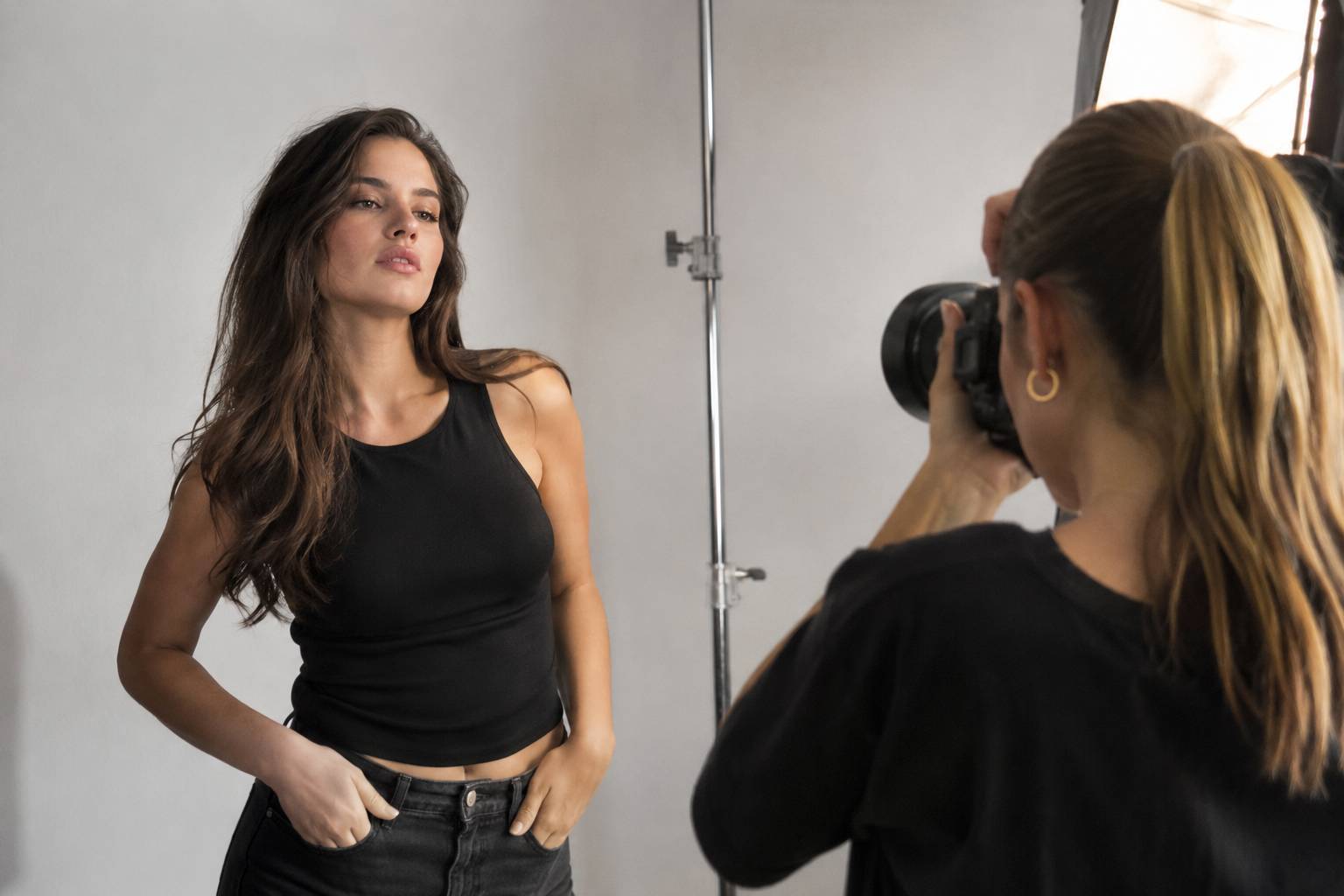
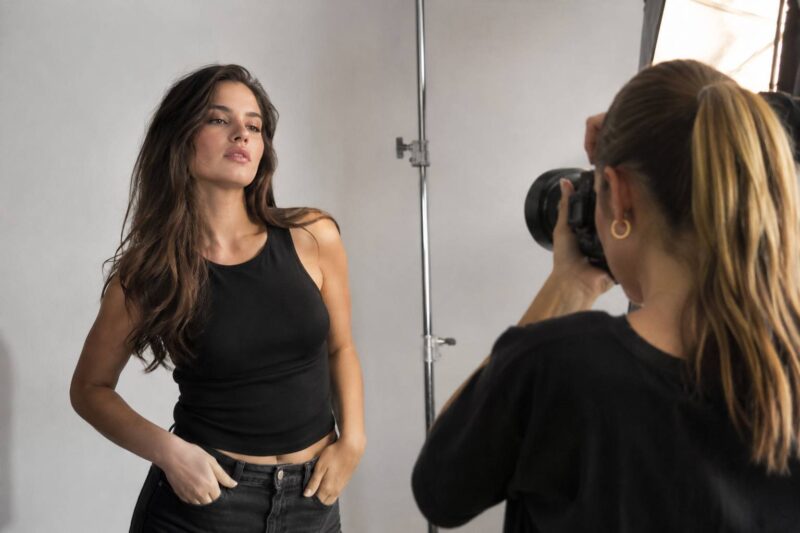
An audition is an opportunity for an agency to see how you look and behave in person. You may be asked to walk, pose, introduce yourself, or take a few photographs.
Preparation helps you concentrate on the actual audition rather than worrying about small details.
Learn About the Agency Before Applying
Not every modeling agency works with the same clients. Some specialize in high fashion, whereas others represent commercial, fitness, lifestyle, or beauty models.
Look through the agency’s existing portfolio and recent campaigns. Pay attention to the ages, appearances, and types of work represented.
If an agency specializes in commercial advertising and you are interested in fitness campaigns, it may be a more suitable contact than one focused exclusively on luxury runway fashion.
Research also helps you prepare relevant questions about representation, bookings, and career development.
Practice Introducing Yourself
Many casting appointments begin with a brief introduction. You may be asked about your age, location, availability, experience, and professional interests.
Prepare a natural introduction that covers the relevant information without sounding rehearsed.
There is no need to exaggerate your experience. If you have never worked professionally as a model, say so. Agencies that recruit new talent are accustomed to meeting beginners.
Learn to Respond to Direction
During an audition, a photographer may ask you to turn your shoulders, adjust your posture, change your expression, or move closer to the camera.
Your ability to make adjustments matters because professional shoots involve repeated instructions.
Practice changing positions without losing your balance or appearing uncomfortable. Becoming comfortable with simple directions can make your first casting less stressful.
Wear Simple, Appropriate Clothing
Unless the agency provides specific instructions, choose clothing that allows your proportions and posture to be seen clearly.
Well-fitting jeans and a plain top are commonly used for initial castings. Clean shoes, tidy hair, and minimal makeup help keep attention on your natural appearance.
Avoid wearing something uncomfortable solely because it looks fashionable. You may need to walk, stand, and change positions during the appointment.
What Are the Biggest Mistakes Aspiring Models Make?

Some mistakes have little to do with appearance. They involve preparation, unrealistic expectations, or unfamiliarity with how modeling agencies operate.
Spending Too Much Money Before Getting Representation
Expensive portfolios, mandatory classes, and promises of guaranteed work should raise questions.
The Federal Trade Commission warns about modeling scams involving upfront payments, expensive photography packages, and pressure to sign contracts immediately.
Legitimate agencies generally earn commissions after securing paid assignments. A company demanding substantial upfront payments simply to represent you deserves careful investigation.
Changing Your Appearance to Match Every Trend
Fashion trends change, and different campaigns call for different appearances. Constantly changing your hair, weight, or personal style to imitate popular models is unlikely to create a consistent professional identity.
Agencies look for people who suit their clients’ requirements. Your natural features may be more useful to a particular campaign than an appearance copied directly from someone else.
Before making a significant appearance change, discuss how it might affect existing bookings or future work with your agent.
Ignoring Contracts and Working Conditions
Being offered representation is exciting, especially when you have been applying for months. However, you still need to examine the agreement before signing.
Ask about commission rates, contract length, payment arrangements, exclusivity, and the procedure for ending representation.
You should also know how the agency handles travel expenses, cancellations, and disputes with clients.
If any condition is unclear, request a written explanation. Consider obtaining independent legal advice before signing an agreement that creates significant financial or professional obligations.
Can You Become a Model Without Meeting Traditional Beauty Standards?
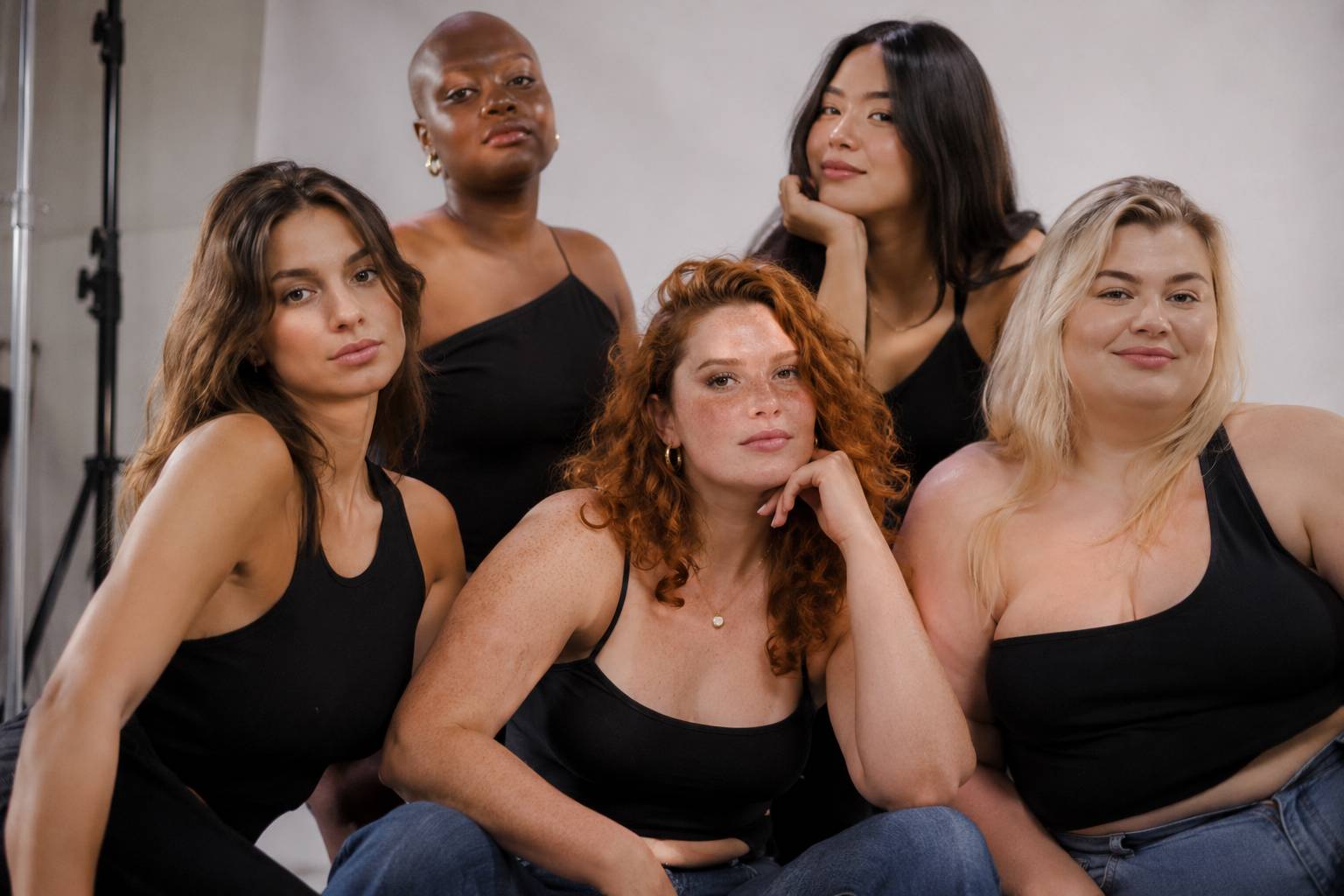
Yes. The opportunities available to you depend on the modeling category and the requirements of individual clients.
Commercial advertising uses models for everyday products, clothing, healthcare campaigns, travel promotions, and online stores. Fitness modeling may emphasize athletic movement and experience with exercise. Beauty campaigns can focus on facial features, skin, hair, or makeup.
Runway modeling remains more restrictive in some markets because designers frequently work with specific sample sizes and height requirements.
If one agency rejects your application, the decision does not necessarily mean you lack modeling potential. Your appearance may simply not match the projects its clients currently need.
Applying to agencies that represent people with characteristics similar to yours is more productive than sending identical applications to every company.
Prepare Your Modeling Application
Begin by choosing agencies that represent the type of modeling work you want to pursue. Read their application instructions and prepare the requested photographs and personal information.
Use accurate measurements and contact information. If the agency requests your height, clothing size, or location, provide the correct details rather than adjusting them to appear more suitable.
Keep a record of the agencies you contact, the dates of your applications, and any responses. Avoid sending repeated messages immediately after submitting your photographs.
Most importantly, verify that you are contacting the actual agency. Check its official website, business information, and email address before sharing personal details.
Your first application does not need to demonstrate years of professional experience. Clear photographs, accurate information, and a professional introduction give an agency what it needs to make an initial assessment.