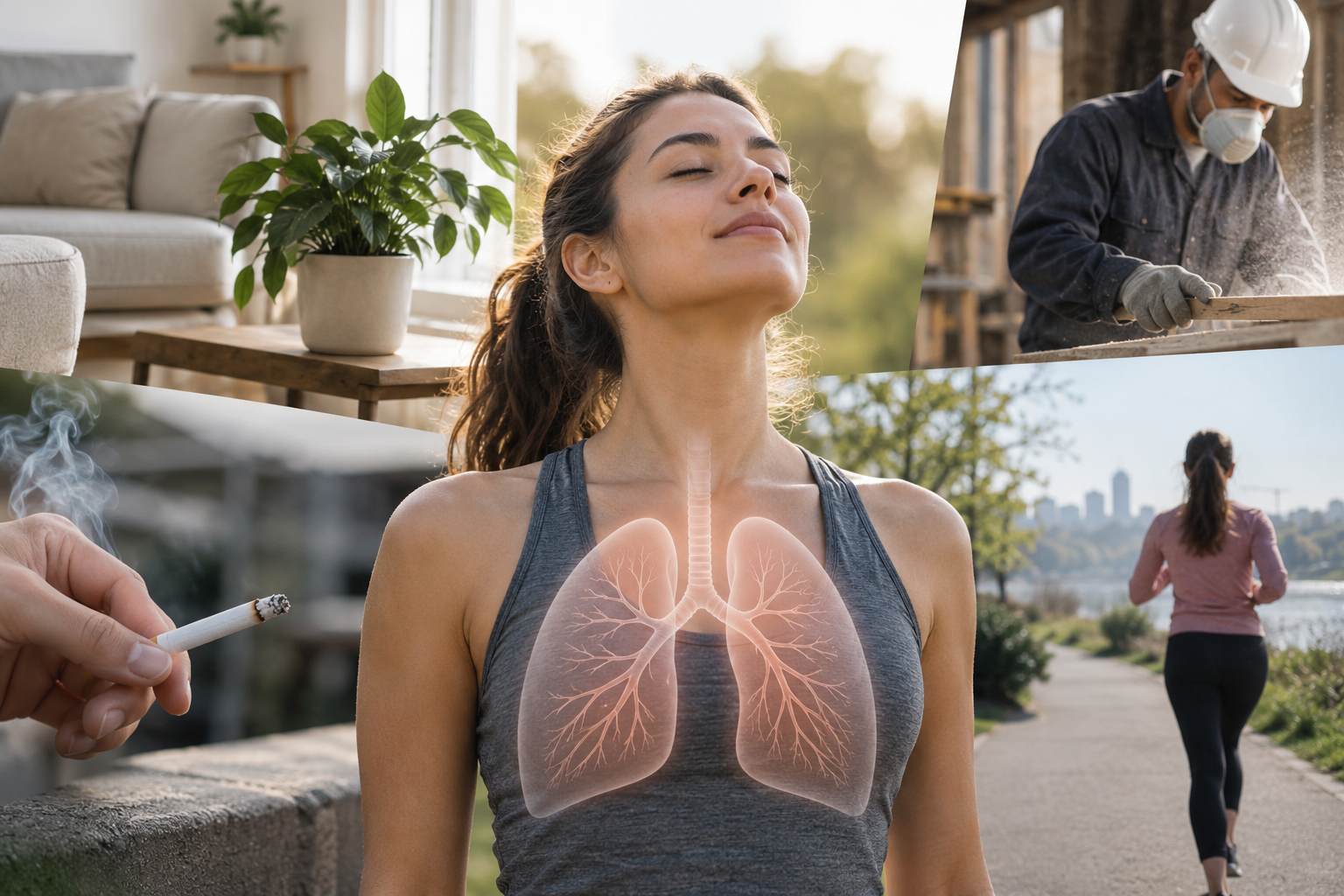

You can exercise regularly, eat healthy meals and still expose your lungs to harmful substances every day. Dust in your home, fumes at work, cigarette smoke and polluted outdoor air can affect your respiratory health, even if you rarely notice any breathing problems.
Your lungs work continuously to supply oxygen to your body and remove carbon dioxide. Protecting them involves more than improving your fitness. The air you breathe, your daily habits and the conditions in which you exercise also influence your long-term respiratory health.
Fortunately, several changes to your daily routine can reduce harmful exposure and help you maintain healthy breathing as you age.
1. Keep Indoor Air Clean Without Relying Only on Air Fresheners
A home that smells fresh does not necessarily have clean air. Scented candles, aerosol sprays, cooking fumes, cleaning products and accumulated dust can introduce pollutants into rooms where you spend hours every day.
The Environmental Protection Agency identifies three main ways to improve indoor air quality. Reduce pollution at its source, improve ventilation and use appropriate air filtration.
Start with the rooms where you spend the most time, especially your bedroom and living room.
- Use an exhaust fan that vents outdoors when cooking, especially with a gas stove.
- Clean floors and furniture regularly with a damp cloth or a vacuum fitted with a HEPA filter.
- Choose fragrance-free cleaning products when scented alternatives irritate your breathing.
- Replace heating and cooling system filters according to the manufacturer instructions.
- Open windows when outdoor air quality is suitable and extra ventilation is needed.
An air purifier with a properly sized HEPA filter can help reduce airborne particles, but it cannot remove every gaseous pollutant. Removing the source of contamination remains the first step.
2. Stop Smoking and Avoid Secondhand Smoke
Cigarette smoke damages lung tissue and increases the risk of chronic obstructive pulmonary disease, commonly called COPD, and lung cancer. Smoking can also make everyday activities more exhausting as breathing becomes less efficient.
Quitting reduces ongoing exposure to harmful chemicals. Even after years of smoking, stopping can improve respiratory symptoms and reduce the risk of further lung damage. The CDC explains the health risks of tobacco use, including the damage caused to the respiratory system.
Secondhand smoke deserves equal attention at home and in shared spaces. Smoking near an open window or in another room does not reliably prevent smoke from spreading indoors.
Keep your home and car smoke-free. If you smoke, a healthcare professional can help you choose an evidence-based quitting method, including medication and behavioral support.
3. Check Your Home for Hidden Respiratory Hazards
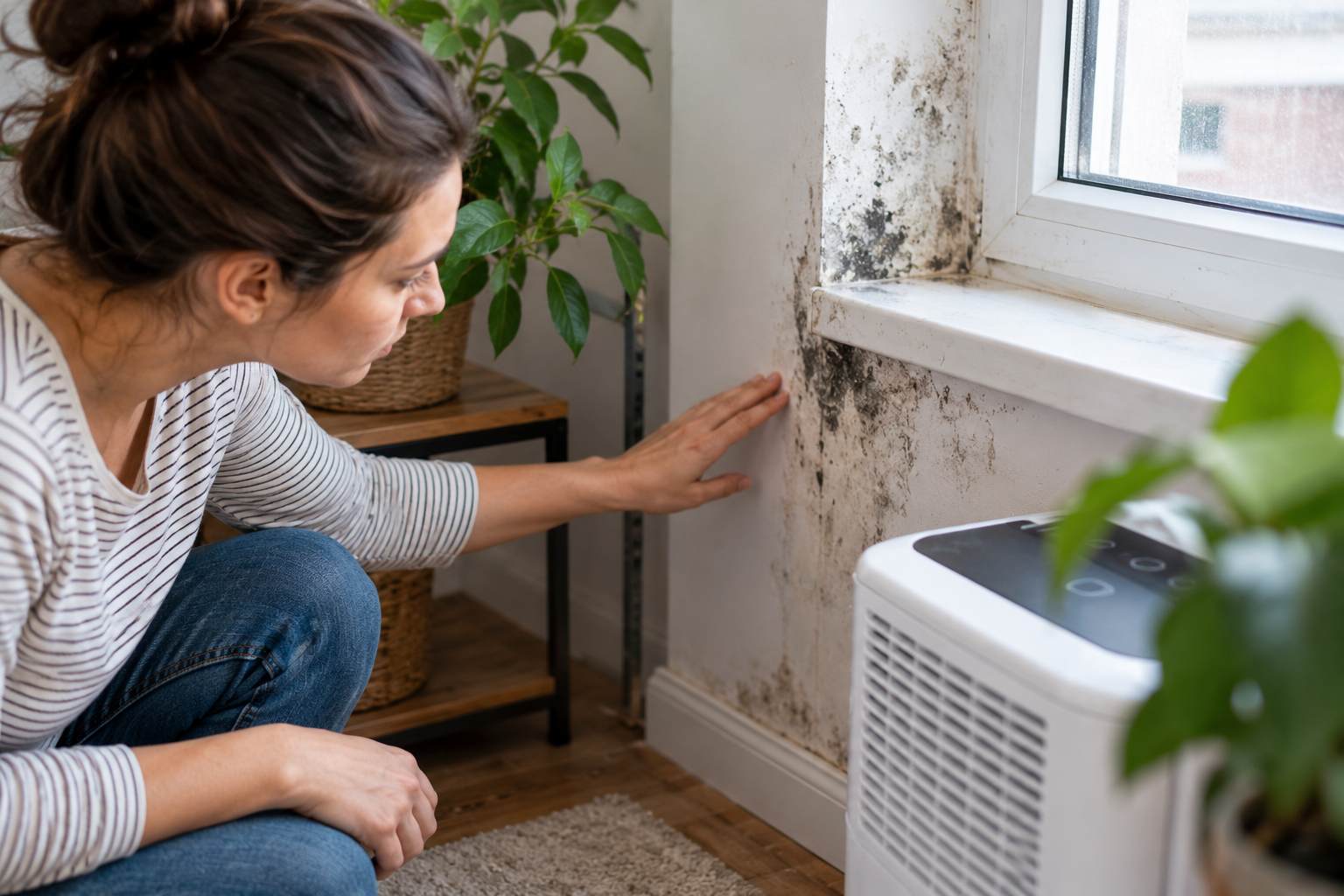
Some of the most serious threats to lung health cannot be detected by smell or appearance. Radon is a radioactive gas that can enter buildings through cracks and openings in foundations. Long-term exposure increases lung cancer risk.
The CDC recommends testing homes for radon because testing is the only way to identify elevated levels. Homeowners can use a test kit or hire a qualified professional.
Moisture problems also deserve attention. Water leaks and persistently damp rooms encourage mold growth, which can worsen respiratory symptoms in people with allergies or asthma.
Repair leaks, dry water-damaged materials promptly and control indoor humidity. A bathroom exhaust fan can help remove moisture after showering, provided the system vents outside.
Older buildings may contain asbestos in insulation, flooring and other materials. Avoid disturbing suspected asbestos during renovations and arrange a professional assessment before removing or cutting potentially contaminated materials.
4. Protect Your Lungs From Dust and Chemicals at Work
Office workers may spend their days in poorly ventilated rooms, but some occupations involve much more serious respiratory hazards. Construction, manufacturing, automotive repair, agriculture and cleaning work can expose people to airborne dust, chemical vapors and hazardous fibers.
Workers cutting concrete, stone or brick may inhale crystalline silica dust. According to the National Institute for Occupational Safety and Health, excessive exposure can cause silicosis, lung cancer and other serious diseases.
Employers should control hazardous substances at their source through appropriate ventilation, dust collection, safer work methods and equipment maintenance.
Respirators also have a role when exposure cannot be adequately controlled through other measures. Workers need respiratory protection suitable for the hazard, with proper fitting and training when required.
If you regularly experience coughing, wheezing or chest tightness during work, particularly when symptoms improve on days away from the workplace, discuss the symptoms and potential exposures with a healthcare professional.
5. Take Environmental Exposure Seriously, Even If You Feel Healthy
View this post on Instagram
Long-term exposure to polluted air and hazardous materials can contribute to respiratory illness without causing immediate symptoms.
Vehicle emissions and fine airborne particles can aggravate asthma and other respiratory conditions, while occupational exposure to substances such as silica and asbestos can cause permanent lung damage.
The CDC identifies asbestos exposure as the cause of most mesothelioma cases, a cancer that most commonly develops in the lining surrounding the lungs.
For people diagnosed with asbestos-related disease after exposure in New York, a New York Mesothelioma Attorney can help assess potential legal claims related to that exposure.
Preventing contact with hazardous materials, following workplace safety procedures and seeking medical advice after suspected exposure are essential steps in reducing long-term health risks.
6. Make Walking and Cardio Exercise Part of Your Week
Regular exercise improves cardiovascular fitness and helps your body use oxygen more efficiently. As your fitness improves, activities such as climbing stairs, carrying groceries and walking uphill may feel easier.
Adults should aim for at least 150 minutes of moderate-intensity aerobic activity each week, according to the CDC physical activity guidelines. Brisk walking, cycling and swimming are suitable choices for many people.
You do not need to run long distances to improve endurance. A 30-minute brisk walk on five days of the week meets the recommended weekly aerobic activity target.
For people returning to exercise after an extended break, starting with shorter sessions helps establish a manageable routine. Our article on exercising safely after a long period of inactivity explains how to increase activity without rushing into demanding workouts.
People with existing heart or lung conditions should discuss suitable exercise intensity with their healthcare professional, especially before beginning vigorous training.
7. Adjust Your Breathing and Workout Intensity
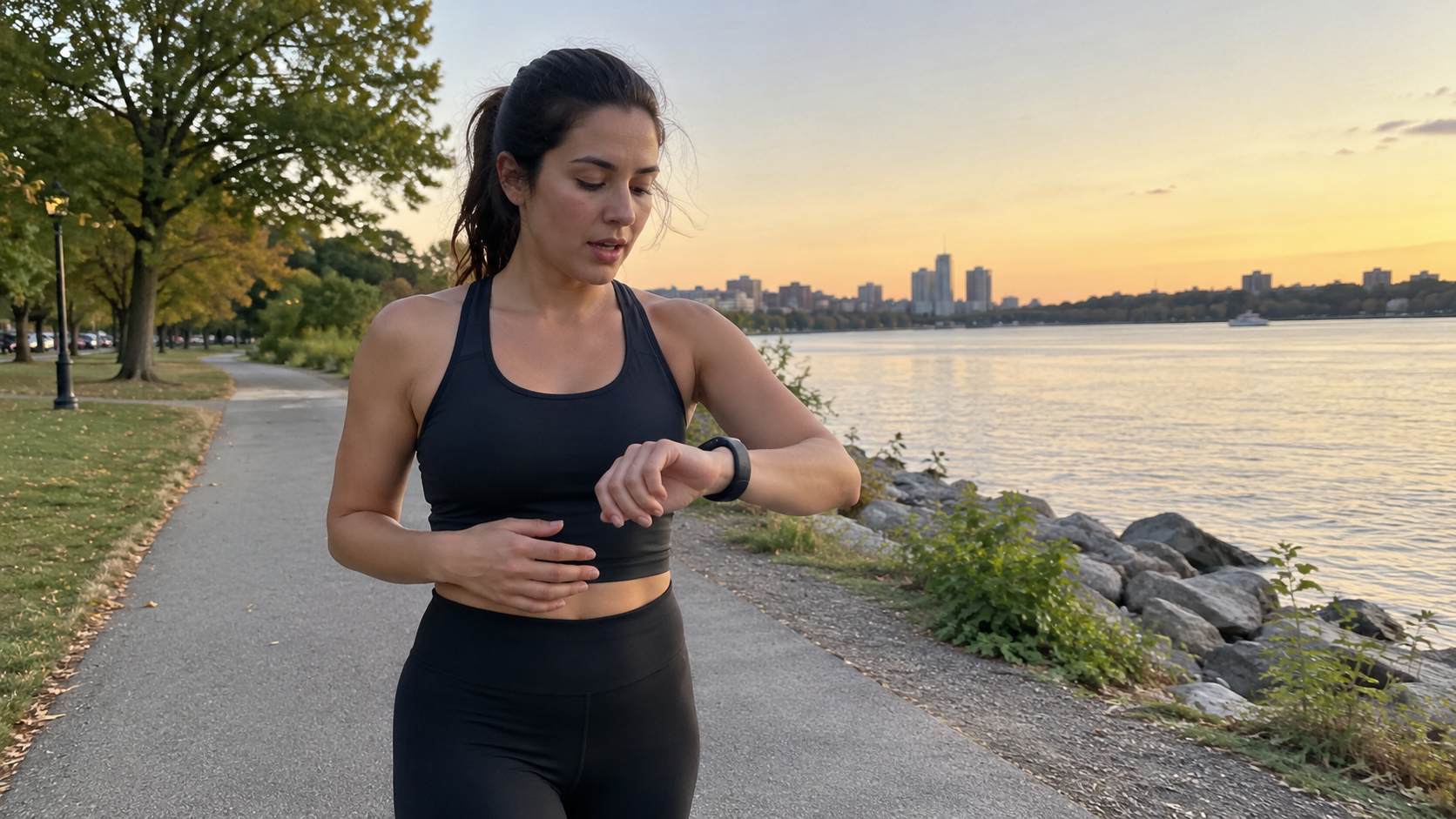
Breathing harder during exercise is normal. Your working muscles need more oxygen, and your breathing rate increases to support physical activity.
For moderate-intensity workouts, the talk test offers a straightforward way to judge effort. You should still be able to speak in sentences, although singing comfortably becomes difficult. During vigorous exercise, speaking more than a few words without pausing for breath becomes harder.
A warm-up also helps your body move gradually from rest to activity. Begin with five to ten minutes of easy movement before raising the intensity, then slow down again near the end of your session.
If you already have a suitable fitness base and want a more demanding cardio workout, our explanation of the Norwegian 4×4 interval workout covers how structured high-intensity intervals can develop aerobic fitness.
For everyday exercise, avoid holding your breath unnecessarily during lifting or strenuous movements. Exhale during the effort and inhale during the easier phase when using a controlled breathing rhythm.
Severe breathlessness, chest pain, dizziness or unusual wheezing are not signs that you should push harder. Stop exercising and seek appropriate medical care. Sudden or severe breathing difficulty requires emergency attention.
8. Check Outdoor Air Quality Before Running or Cycling
An outdoor workout is not automatically healthier than an indoor session. Traffic pollution, wildfire smoke, ground-level ozone and fine particles can make outdoor exercise harder on your respiratory system.
During intense physical activity, you breathe faster and take in more air. Exercising near heavy traffic or during a pollution episode can increase the amount of airborne contaminants entering your lungs.
The Air Quality Index from AirNow helps people in the United States monitor pollution levels before planning outdoor activities.
- AQI 0 to 50: Air quality is considered good, with little or no pollution-related risk.
- AQI 51 to 100: Air quality is moderate, although unusually sensitive people may experience symptoms.
- AQI 101 to 150: People with asthma or other respiratory sensitivities should consider reducing prolonged or strenuous outdoor activity.
- AQI 151 or higher: Outdoor exertion becomes increasingly concerning, and moving a demanding workout indoors is generally safer.
Pollution can change during the day, so check current local readings rather than relying only on the morning forecast.
Our guide to conditions that make indoor training safer also covers weather and environmental situations that justify changing your running plans.
9. Prevent Respiratory Infections and Pay Attention to Persistent Symptoms
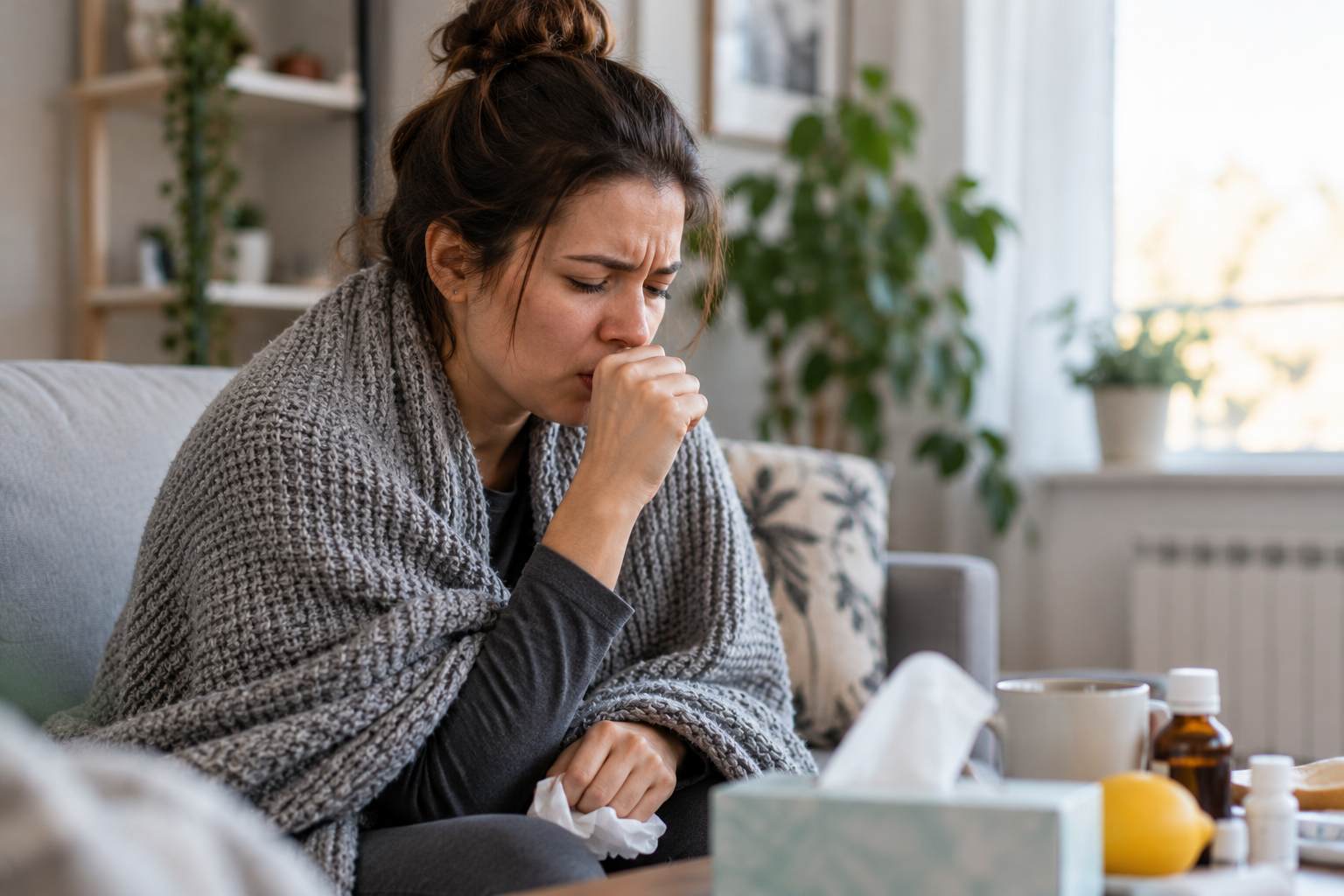
Respiratory infections can interrupt your exercise routine and cause serious complications, particularly if you have asthma, COPD or another existing lung condition.
Simple hygiene habits reduce exposure to respiratory viruses. Wash your hands regularly, cover coughs and sneezes, and avoid close contact with people who are visibly ill when possible.
The CDC respiratory illness prevention guidance also recommends staying current with appropriate immunizations and improving indoor air quality.
Annual influenza vaccination and other recommended immunizations can help reduce the risk of serious respiratory illness. Individual recommendations depend on age, medical history and current public health guidance.
Pay attention to breathing symptoms that do not improve. A cough lasting several weeks, repeated wheezing, unexplained shortness of breath or recurring chest infections deserve medical attention.
Do not assume every breathing problem is caused by poor fitness. Asthma, infections, occupational exposure and other medical conditions can produce similar symptoms, and an accurate diagnosis is necessary before choosing treatment.
Last Words
Healthy lungs depend on the air entering your body as much as the exercise you perform. A regular walking routine cannot cancel out cigarette smoke, hazardous workplace dust or prolonged exposure to indoor pollution.
Start with the exposures you can identify. Keep indoor air clean, maintain smoke-free spaces, follow workplace safety procedures and adjust outdoor exercise when pollution levels rise.
Combine those precautions with consistent physical activity, appropriate vaccinations and timely medical care for persistent symptoms. Each habit addresses a separate source of respiratory risk and supports your ability to remain active over the years.