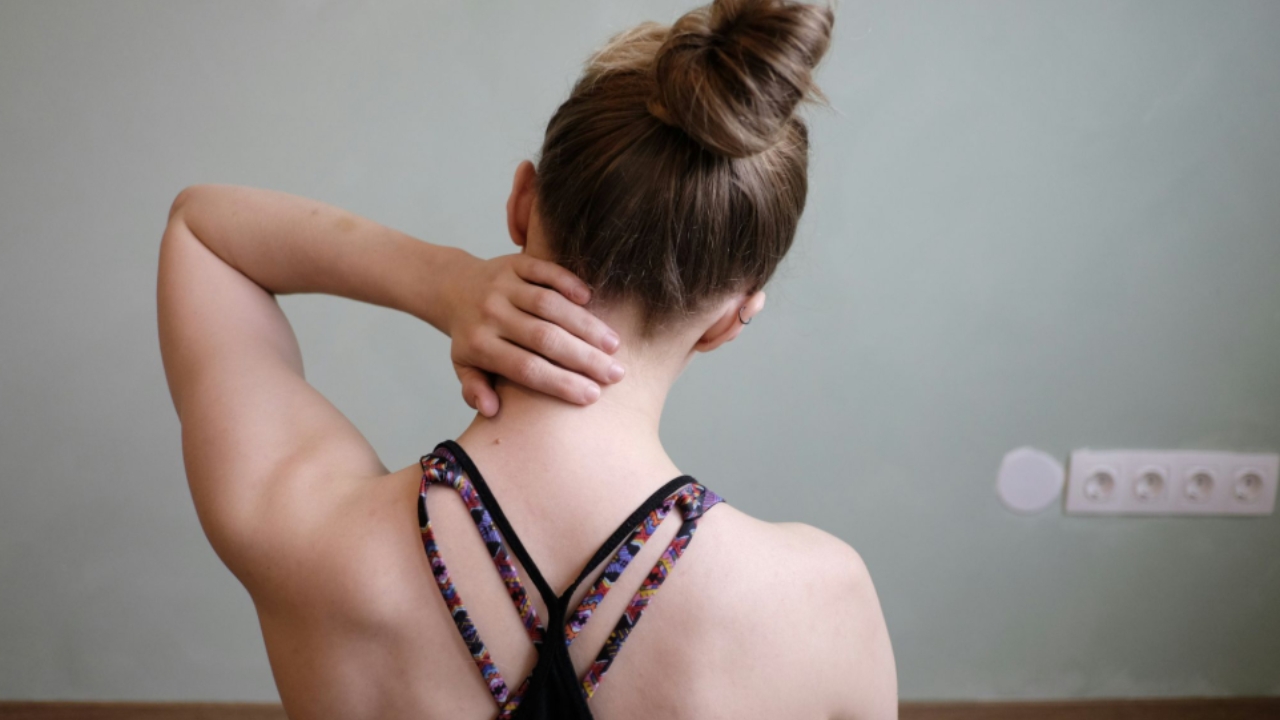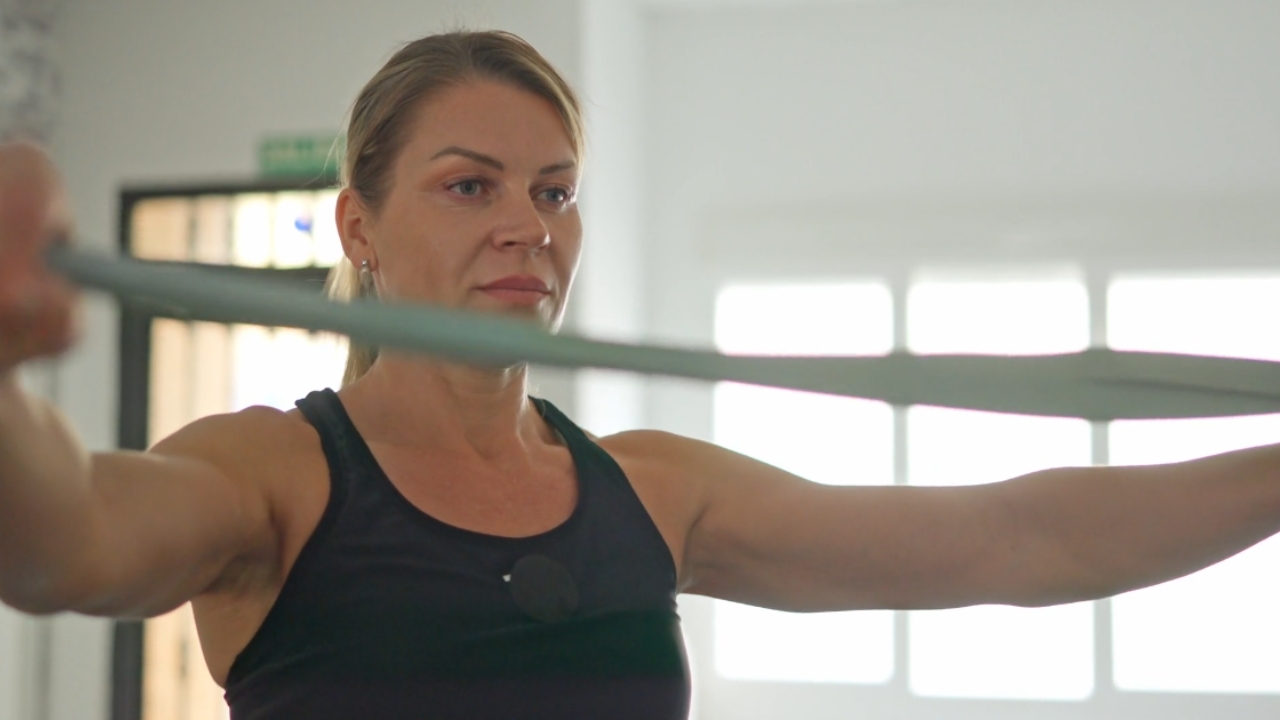
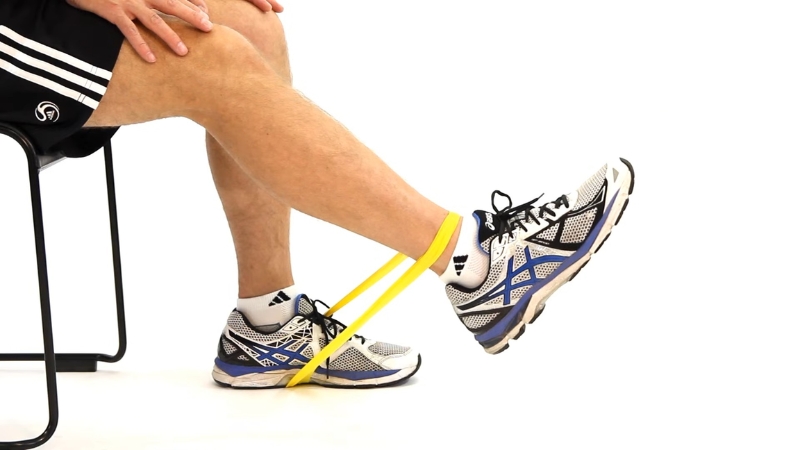
Recovery after surgery or a long hospital stay often includes reduced muscle strength, limited mobility, and hesitation during everyday movement. Periods of inactivity can cause joints to stiffen and muscles to weaken, making simple tasks such as walking, standing, or climbing stairs more difficult.
Rehabilitation exercises support healing by gradually restoring movement and physical strength. Controlled activity helps the body adjust after medical treatment and encourages safe progress during recovery.
Consistent movement at a comfortable pace often leads to gradual improvement in strength and coordination.
Safety Tips Before Starting Rehab Exercises
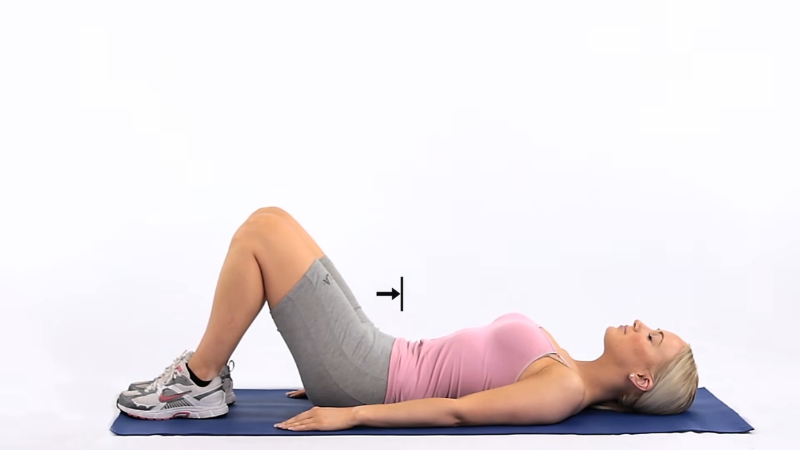
Safe exercise habits are essential during rehabilitation. Careful preparation and gradual progress help reduce the risk of strain or injury while supporting recovery.
Follow Medical Guidance
Exercise programs vary depending on surgical procedures, injuries, and existing health conditions. Individuals recovering from serious illnesses, including cancers such as mesothelioma, may also seek educational resources and patient support from organizations like Mesothelioma Hope.
Physical therapists usually create personalized recovery plans that address individual needs and limitations. Healthcare providers may recommend specific exercises, repetition ranges, and activity levels. Following those instructions helps ensure that rehabilitation supports healing rather than causing unnecessary strain.
Start Slowly
Recovery programs typically begin with simple mobility exercises before advancing to strengthening or functional movements. Early stages may involve basic bed exercises, seated movements, or assisted standing.
Gradual progress allows muscles, joints, and connective tissues to adjust safely. Sudden increases in intensity can cause discomfort or delay recovery.
Pace Yourself
Fatigue often occurs during early recovery. Mild discomfort may appear after physical activity, especially when muscles begin working again.
Exercises should be performed slowly with controlled movements. Short sessions with regular rest periods often provide better results than long or intense workouts.
Choose a Safe Exercise Environment
A safe environment reduces the risk of falls or injury during rehabilitation. Stable furniture such as a sturdy chair, bed frame, or exercise bench can provide reliable support during balance exercises.
Floors should remain clear of obstacles, and good lighting helps maintain visibility during movement. Objects that shift or slide should not be used for support while exercising.
Early-Stage Gentle Exercises (Circulation and Mobility)
Early rehabilitation focuses on restoring circulation, joint movement, and muscle activation. Simple exercises performed while lying down or sitting can help prepare the body for more demanding activity later in recovery.
Ankle Pumps and Ankle Circles
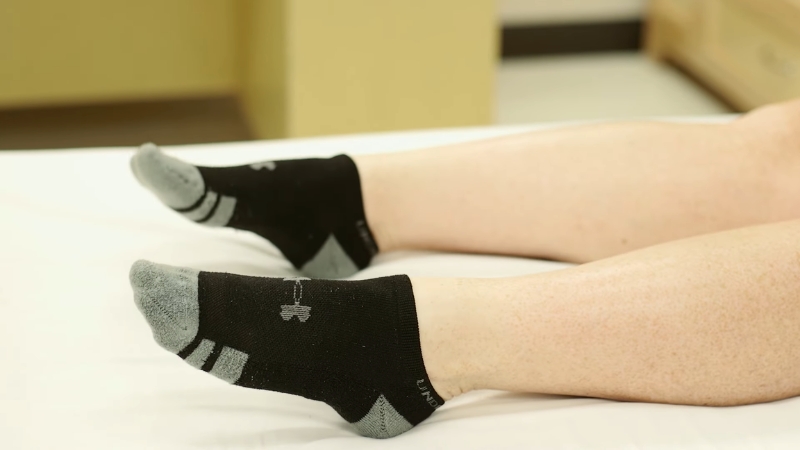
Lie comfortably on a bed or flat surface with legs extended. Point toes toward the ceiling and then toward the end of the bed. Movement should remain slow and controlled. After ankle pumps, rotate each ankle in circular motions.
Recommended repetitions: Up to 20 movements per ankle.
Benefits include:
Regular ankle movement also helps reduce the risk of blood clots during periods of limited mobility.
Heel Slides (Knee Bends)
Heel slides help restore knee mobility and activate thigh muscles. Lie on a flat surface with legs extended. Slowly slide one heel toward the body while bending the knee. Pause briefly, then straighten the leg and return to the starting position.
Benefits include:
Gentle knee motion supports walking ability during later stages of rehabilitation.
Deep Breathing Exercises
Deep breathing exercises help maintain healthy lung function during recovery. Controlled breathing expands the lungs and supports relaxation. Sit or lie comfortably.
Inhale slowly through the nose, allowing the chest and abdomen to expand. Hold briefly, then exhale slowly through the mouth.
Benefits include:
Breathing exercises also assist in preventing lung complications after surgery or long hospital stays.
Gentle Strength-Building Exercises
Strength training gradually rebuilds muscle endurance and stability after illness or surgery. Resistance exercises help patients regain the ability to perform everyday tasks such as standing, walking, and climbing stairs.
Leg Raises
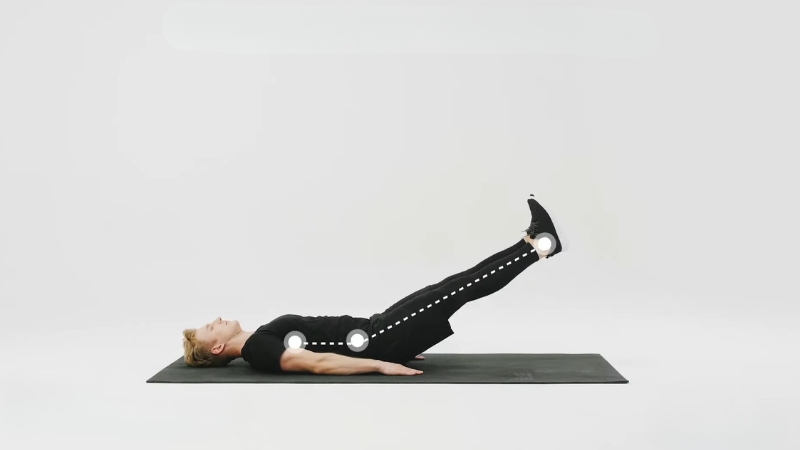
Lie on your back with one knee bent and the other leg straight. Slowly lift the straight leg several inches above the surface and hold briefly. Lower the leg gently back down.
Benefits include:
Controlled lifting helps restore muscle function while minimizing strain.
Squats (Supported or Wall Squats)
Stand with feet about hip-width apart while holding a sturdy chair or standing near a wall for support. Slowly bend the knees and lower the body slightly, then return to a standing position.
Benefits include:
Movement should remain slow and comfortable without excessive bending of the knees.
Hip Abduction
View this post on Instagram
Hip abduction strengthens muscles that support walking and balance. Stand while holding a stable surface for support. Slowly move one leg sideways away from the body. Pause briefly, then return to the starting position.
Benefits include:
Exercise can also be performed while lying on the side if standing feels uncomfortable.
Flexibility and Mobility Exercises
Flexibility exercises maintain joint health and reduce stiffness. Gentle movement allows joints to move through their natural range while keeping surrounding muscles active.
Gentle Range-of-Motion Exercises
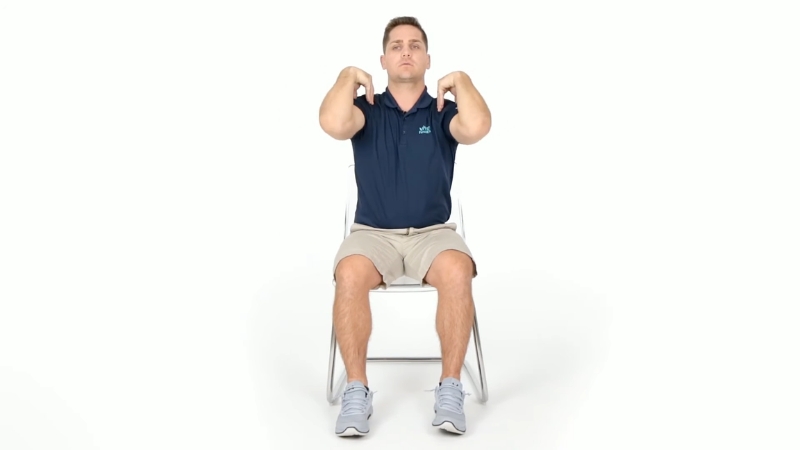
Range-of-motion exercises involve controlled joint movement through bending, straightening, and rotation. Movements may include shoulder circles, elbow bends, wrist rotations, knee bends, or ankle rotations.
Benefits include:
Regular joint movement encourages natural lubrication that supports healthy motion.
Pelvic Tilt Exercise
Pelvic tilts help strengthen core muscles while improving lower-back mobility. Lie on your back with knees bent and feet flat on the floor.
Gently tighten abdominal muscles and tilt the pelvis upward so the lower back presses lightly into the floor. Hold briefly, then relax.
Benefits include:
Controlled pelvic movement can also reduce discomfort in the lower back during recovery.
Balance and Stability Exercises
Balance training becomes important after extended inactivity. Muscle weakness and reduced coordination can increase fall risk during recovery. Simple stability exercises help improve coordination and strengthen muscles used during walking and standing.
Marching on the Spot
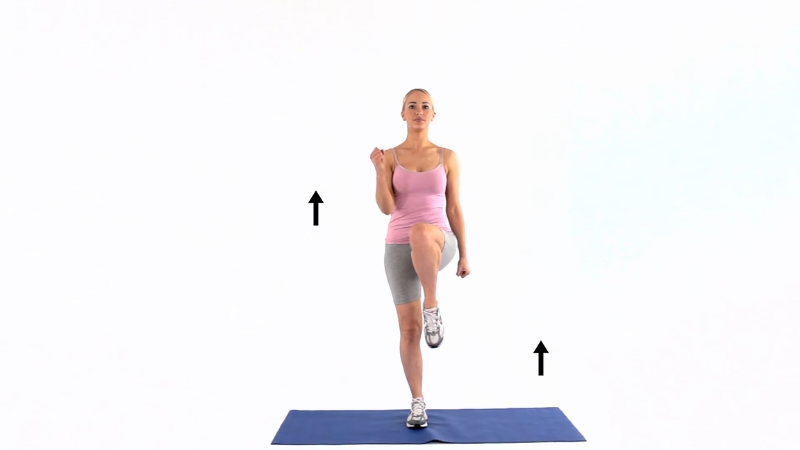
Stand upright with feet shoulder-width apart. Slowly lift one knee, lower it, then lift the other knee in a gentle marching motion.
Benefits include:
Movement should remain slow and controlled while maintaining balance.
Heel Raises
Stand upright while holding a stable surface such as a chair or countertop. Slowly lift the heels so the weight shifts onto the toes, then lower the heels back to the floor.
Benefits include:
Heel raises also help build the strength needed for climbing stairs and walking.
Chair-Based Exercises
@justin_agustin Chair exercises are a fantastic way to improve your health and longevity, especially for those with limited mobility or beginners. Movement, even from a seated position, helps increase circulation, build strength, and improve flexibility. Chair exercises target important muscle groups without putting undue stress on joints, making them perfect for individuals with knee pain or balance issues. Consistent movement helps maintain mobility, enhances cardiovascular health, and boosts mental well-being. Incorporating these exercises into your routine can also improve posture and stamina, promoting greater independence and quality of life as you age. #chairworkout #beginnerworkout #homeworkout #fitnessforlife ♬ original sound – Justin Agustin
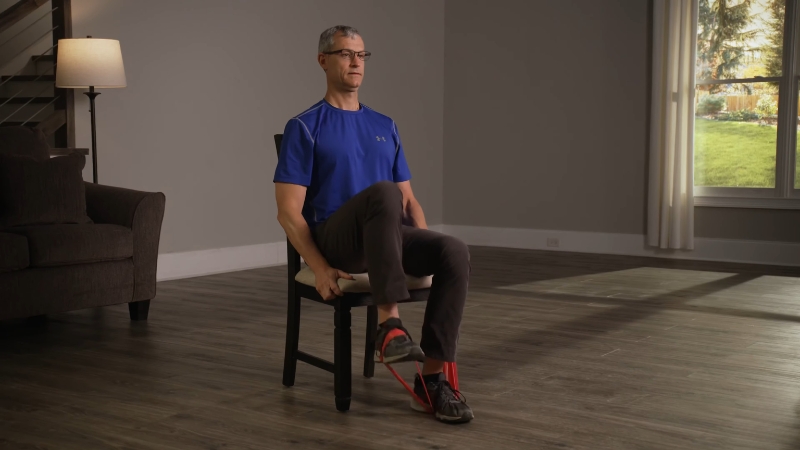
Chair exercises provide a safe activity for individuals with limited mobility or reduced balance.
Examples include:
- Seated knee lifts
- Seated leg extensions
- Arm lifts while seated
Benefits include:
Chair exercises allow activity without excessive strain.
Creating a Simple Home Rehab Routine
A simple routine can help maintain regular movement during recovery. Short sessions performed daily may support steady progress.
Example beginner routine:
- Ankle pumps: 10 to 20 repetitions
- Heel slides: 10 repetitions
- Pelvic tilts: 10 to 15 repetitions
- Supported squats: Eight to 10 repetitions
- Marching on the spot: 30 seconds
- Heel raises: 10 repetitions
Helpful tips for building a routine:
Consistency plays an important role in recovery progress. Gradual activity performed regularly can lead to improved strength, balance, and confidence in movement.
Summary
Gentle rehabilitation exercises support recovery after surgery or hospitalization by helping restore strength, mobility, and coordination. Controlled movement allows muscles and joints to regain function while reducing stiffness linked to inactivity.
Simple exercises such as ankle pumps, leg raises, pelvic tilts, and balance training help rebuild physical capacity during recovery.