
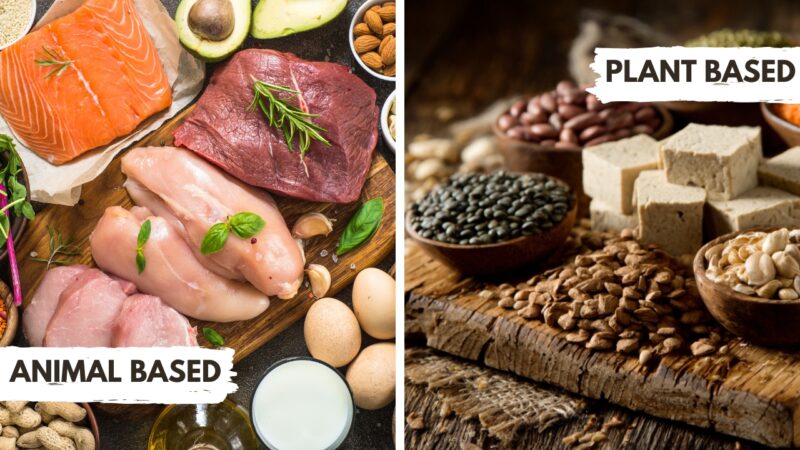
Protein choices have become a major part of modern food conversations.
Many people now compare plant-based and animal-based proteins because they care about nutrition, health, cost, environmental impact, and personal food values.
Animal-based foods such as milk, eggs, beef, pork, poultry, and fish have long been known as dependable protein sources.
At the same time, plant-based options have gained attention as more consumers look for foods tied to sustainability, lower cholesterol intake, and alternatives to animal products.
A strong diet can include animal proteins, plant proteins, or both, as long as the choices fit a person’s health needs, budget, access, culture, and preferences.
Why Protein Matters
Protein plays a major role in human health because it helps build and maintain major body systems.
Muscles, bones, skin, organs, immune function, tissue repair, metabolic reactions, and energy all depend on enough protein.
Protein is made of amino acids, and the human body uses 20 amino acids in total.
Nine amino acids are indispensable, meaning the body cannot make them in needed amounts.
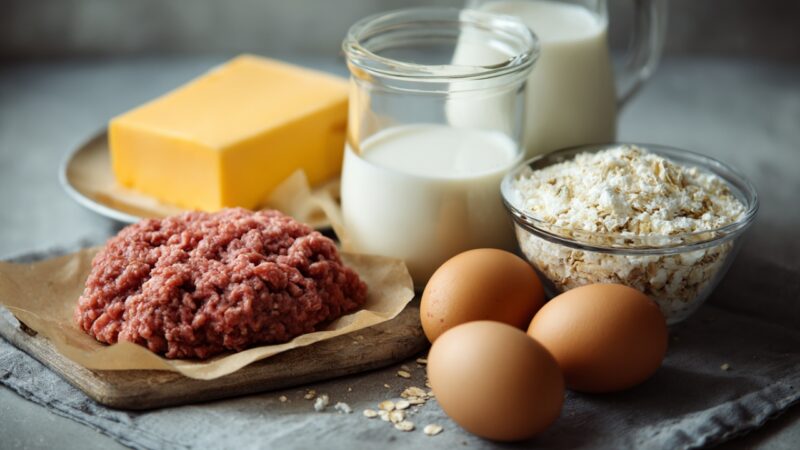
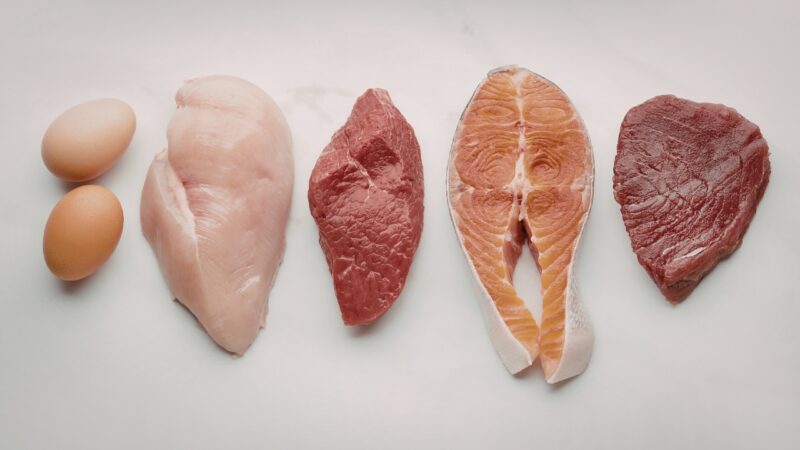
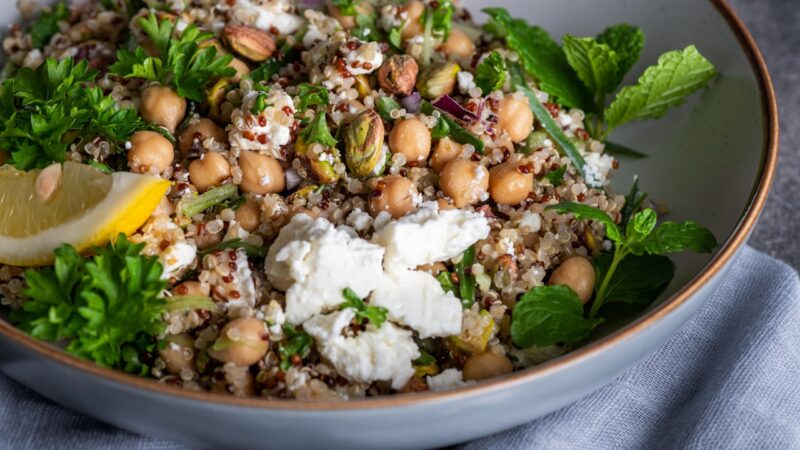
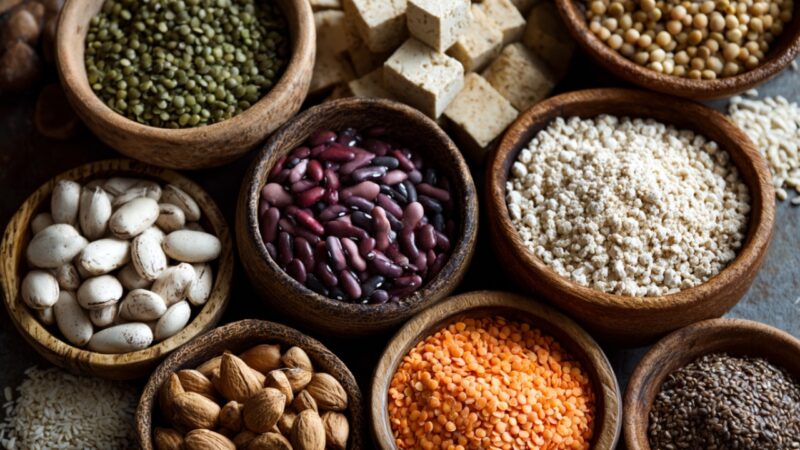
Adults are generally advised to consume 0.8 g of protein per kilogram of body weight each day. Protein should also make up about 10% to 35% of daily calories. Needs can change based on age, pregnancy, sex, and activity level. Recommended protein intake can vary across different groups: Low protein intake can create problems for the body. Not getting enough may contribute to muscle loss, anemia, and a slower metabolism. Excessive intake can also create concerns, especially when protein intake is extremely high or comes mainly through less healthy food choices. Very high intake may strain the liver and may contribute to blood vessel problems. Balanced intake matters because protein supports health best when paired with enough vitamins, minerals, fiber, fluids, and energy. Animal-based proteins are often valued because they provide concentrated protein, important micronutrients, and strong amino acid quality. At the same time, health and environmental concerns make it important to look at both benefits and drawbacks. Animal-based foods are commonly known for high protein content. Meat, fish, poultry, eggs, and dairy often provide protein in compact and familiar forms. Dairy-based supplements such as whey protein can also be used by people who want a convenient animal-based protein source, especially in the form of whey concentrate, whey isolate, or goat whey. Several common animal-based foods show how much protein can fit into regular portions: Animal proteins usually contain all indispensable amino acids in large amounts. They are also often more digestible than many plant-based alternatives. One burger comparison showed higher total indispensable amino acids in animal-based patties. Amino acid data in the burger comparison showed clear differences: Total amino acid levels also favored animal-based patties in that comparison. A 93% lean beef patty had the highest total amino acid level, while plant-based options varied by formulation. Total amino acid levels were reported as follows: Animal-based proteins are usually easy to find in supermarkets. Many stores give large amounts of space to meat, dairy, eggs, poultry, and fish. Many families are also familiar with cooking animal-based proteins, which can make these foods feel more practical for daily meals. Price can also favor animal-based meat in some stores. A September 2023 grocery comparison found that animal-based ground beef costs less than several processed plant-based ground beef alternatives. Several prices showed that gap: These numbers show that processed plant-based meat alternatives can cost more than traditional ground beef in some grocery settings. Animal agriculture has a high environmental cost. It contributes to greenhouse gas emissions, water use, and land use. One major estimate reports that animal agriculture accounts for 18% of greenhouse gas emissions. Global livestock feed production uses about 4,387 km³ of water per year. Farmland use also shows a major difference between animal-based food production and direct crop production for people. Global farmland use is divided unevenly: High meat intake also creates a much higher greenhouse gas burden than vegan eating patterns. Eating more than 100 g of meat each day can produce 2.5 times more greenhouse gases than an average 2,000-calorie vegan diet. Beef production also uses far more greenhouse gas, land, and water than potatoes, rice, and wheat. Plant-based protein has become more common as consumers look for foods connected with health, sustainability, and alternatives to animal products. Some plant proteins come through whole foods, while others are used in processed products made to copy meat, milk, or cheese. Plant proteins can come through many foods, including soy, nuts, legumes, peas, quinoa, seaweed, wheat, corn, rice, mung beans, and lentils. Many plant-based alternatives are made to copy the appearance, texture, flavor, and function of milk, cheese, and meat. Plant-based eating also includes whole foods such as whole grains, legumes, beans, peas, nuts, seeds, fruits, and vegetables. Whole plant proteins, such as beans, lentils, tofu, tempeh, nuts, seeds, and whole grains, can be useful daily choices. Plant-based foods can provide fiber, vitamins, minerals, phytochemicals, and unsaturated fats. Pulses such as peas, chickpeas, lentils, and beans provide energy, dietary fiber, protein, vitamins, and minerals. Whole grains can provide fiber, antioxidant nutrients, and phytochemicals. A 100 g beef burger and a 100 g plant-based burger can be close in protein while differing in fat, cholesterol, fiber, iron type, and vitamin fortification. One burger comparison reported these values: Vitamin B12: 2.17 µg beef and 2.8 µg plant-based when fortified Milk alternatives vary widely in protein. Cow’s milk and soy milk are much closer in protein than cow’s milk and some other plant-based milk options. Protein amounts per 8 fl oz show the difference clearly: Soy milk also contains unsaturated fatty acids and phytochemicals such as phytosterols, soy lecithin, and isoflavones. Plant-based alternatives are not all equal. Some may be lower in protein, calcium, or other essential nutrients compared with animal-based products. Label reading matters because a plant-based label does not automatically mean a product has stronger nutrition. A mozzarella comparison shows why nutrition details matter in a 28 g portion: That comparison shows that the plant-based cheese had less protein and calcium, but more sodium and saturated fat than the dairy cheese. Zero cholesterol does not automatically mean a product is more nutritious overall. A product may still be high in sodium, high in saturated fat, or low in protein and minerals. Plant-based diets can meet nutrient needs, but planning is important. Several nutrients need special attention: Vegetarian diets can provide needed nutrients when planned well, but plant-based diets may lead to lower intake of vitamin B12, choline, folate, and calcium when food choices are limited. Vitamin B12 is naturally found in animal meats, while plant-based meats usually need fortification. Plant iron is non-heme iron, which is less readily absorbed unless paired with foods high in vitamin C. Plant-based and animal-based proteins both have benefits and drawbacks. Animal proteins are usually strong in amino acid completeness, digestibility, naturally occurring vitamin B12, heme iron, affordability, and accessibility. Plant-based proteins may be stronger for sustainability because they can require much less land and water. Strong environmental data show that plant-based protein production can use up to 93% less land and 99% less water than animal-based protein production. Animal agriculture uses large amounts of farmland and livestock feed water, with about 77% of global farmland dedicated to livestock and about 4,387 km³ of water used each year for livestock feed production.
Animal-Based Protein – Strengths and Concerns
Nutritional Strengths
Accessibility and Cost
Environmental Concerns
Plant-Based Protein: Strengths and Limitations
Common Sources
Nutritional Advantages
Nutritional Limitations
Nutrition per serving
Plant-based mozzarella
Dairy mozzarella
Calories
80
90
Total fat
6 g
5 g
Saturated fat
5 g
3 g
Cholesterol
0 mg
15 mg
Sodium
280 mg
190 mg
Carbohydrates
6 g
2 g
Protein
1 g
7 g
Calcium
2 mg
200 mg
Summary