

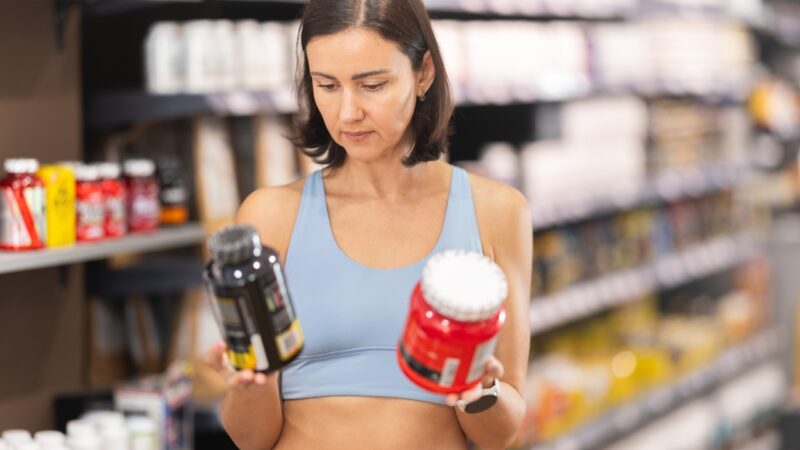
Dietary supplements can help when a person has a real nutritional gap, a diagnosed deficiency, or a specific need that food alone cannot meet. Taking them without medical advice, however, is not automatically safe.
The risk depends on the ingredient, dose, health status, medication use, pregnancy status, age, product quality, and how long the supplement is taken.
A daily low-dose vitamin D product is not the same as a high-dose fat burner, iron tablet, herbal hormone blend, or “sleep gummy” with unclear labeling.
Supplements sit in a gray area for many consumers: they look like health products, but they can still cause side effects, interact with medicines, or deliver more of an ingredient than the label suggests.
Supplements Are Regulated Differently From Medicines
In the United States, dietary supplements do not go through the same premarket approval process as prescription or over-the-counter drugs.
FDA explains that it is not authorized to approve dietary supplements for safety and effectiveness before they reach the market. Many products can be sold without the FDA being notified in advance.
That matters because many shoppers assume a capsule on a pharmacy shelf has been reviewed for safety in the same way as a medicine.
In reality, supplement companies are responsible for making sure their products are safe, properly labeled, and compliant with the law. FDA can take action after problems appear, but that is a different system from proving safety before sale.
FDA manufacturing rules do require supplement makers to follow quality standards, including controls related to identity, purity, strength, and composition. Yet quality rules do not mean every product has been clinically tested for every possible consumer.
Why “Natural” Does Not Always Mean Safe

A product can be plant-based, traditional, or marketed as natural and still affect the body strongly. The NIH Office of Dietary Supplements warns that safety depends on the chemical makeup, how the substance works in the body, the preparation method, and the dose. NIH gives kava and comfrey as examples of natural products linked with liver harm.
Herbal supplements can act on liver enzymes, blood clotting, blood pressure, hormones, sleep pathways, or drug metabolism. St. John’s wort, for example, is well known for interacting with many medicines.
Green tea extract, concentrated garlic, ginkgo, ginseng, and kava can also create problems for certain people, especially when mixed with prescription drugs. NCCIH notes that supplements may interact with medications or pose risks for people with medical conditions or upcoming surgery.
Common Supplement Risks At A Glance
| Supplement Or Category | Main Concern | Why Medical Advice Matters |
| Iron | Overload, stomach side effects, drug interactions | Iron should usually follow testing for deficiency |
| Vitamin D, high dose | High calcium, kidney stones, and kidney injury | Blood levels and dose matter |
| Vitamin K | Interference with blood thinners | Warfarin users need consistent intake |
| St. John’s wort | Reduces or alters the effects of many drugs | Risk with antidepressants, birth control, and transplant drugs |
| Weight-loss products | Hidden stimulants or drug ingredients | Higher risk category for adulteration |
| Bodybuilding products | Steroid-like or stimulant contamination | Risk for heart, liver, hormone, and doping issues |
| Sleep gummies | Label mismatch, sedation, child exposure | Dose may be inaccurate |
Doses Can Become A Problem Faster Than People Expect

Many supplement problems come from dose, not only from the ingredient itself.
Iron is a clear example. Iron can be medically necessary for people with iron-deficiency anemia, heavy menstrual bleeding, pregnancy-related needs, or certain absorption issues. Yet NIH states that high-dose iron supplements can cause gastrointestinal harm, and extremely high doses can lead to severe injury.
The tolerable upper intake level for iron is 45 mg per day, unless a clinician recommends more for treatment. Iron can also interfere with medicines such as levothyroxine and levodopa.
Vitamin D also shows why self-dosing can be risky. Many adults take it safely, especially in winter or when a deficiency is documented.
NIH lists 4,000 IU per day as the adult tolerable upper intake level. Very high vitamin D levels can cause nausea, vomiting, weakness, confusion, dehydration, kidney stones, kidney failure, irregular heartbeat, and, in extreme cases, death.
A person taking multiple products may not realize they are stacking the same nutrient. A multivitamin, bone-health formula, immune blend, and energy drink can all contain overlapping ingredients.
Product Labels Are Not Always Precise
View this post on Instagram
Label accuracy is another reason medical guidance helps. A 2023 JAMA study tested 25 melatonin gummy products.
Among products that contained melatonin, the actual amount ranged from 74% to 347% of the labeled quantity. One product contained no detectable melatonin but did contain CBD.
That finding does not prove every supplement label is unreliable. It does show why gummies, blends, and online wellness products deserve caution, especially for children, older adults, pregnant people, and anyone taking sedating medication.
Third-party seals can help. USP Verified and NSF Certified for Sport involve independent testing programs that review ingredients, label claims, contaminants, or banned substances, depending on the program. They do not turn a supplement into a medical treatment, but they can reduce quality-related uncertainty.
Who Should Avoid Self-Prescribing Supplements?
Some people should be especially careful about taking supplements without a clinician or pharmacist involved.
- Takes prescription medication
- Uses blood thinners, heart drugs, diabetes drugs, antidepressants, seizure medicines, thyroid medicine, or transplant drugs
- Has kidney disease, liver disease, cancer, heart disease, autoimmune disease, or a bleeding disorder
- Is pregnant, trying to become pregnant, or nursing
- Is buying supplements for a child
- Is preparing for surgery or dental surgery
- Plans to take high doses or multiple products
- Has unexplained fatigue, hair loss, dizziness, insomnia, weight change, or digestive symptoms
Symptoms often blamed on “low vitamins” can come from thyroid disease, anemia, depression, sleep apnea, medication effects, infection, diabetes, inflammatory disease, or other medical issues. A supplement may delay proper care when testing would reveal a treatable cause.
Higher-Risk Product Categories Deserve Extra Caution

The FDA has warned about tainted products marketed as dietary supplements, especially in categories such as sexual enhancement, weight loss, bodybuilding, joint pain, diabetes, and sleep aids.
A useful comparison point is a regulated weight-loss medicine such as Alli 60mg, where dosage, side effects, BMI guidance, and diet instructions are clearly stated on curely.co.uk/medications/alli-orlistat-60mg.
The FDA has found hidden prescription drug ingredients, banned drugs, controlled substances, untested active ingredients, and risky drug combinations in some products.
NCCIH also warns that products marketed for weight loss, bodybuilding, and sexual enhancement have raised safety concerns, including illegal stimulant ingredients such as DMAA in some products.
A simple rule helps: the bigger the promise, the more skeptical a consumer should be. Claims such as rapid fat loss, “testosterone explosion,” instant sexual performance, detoxification, pain reversal, or cure-like language deserve scrutiny.
Supplement Side Effects Are Common Enough To Take Seriously

A major study published in The New England Journal of Medicine estimated that dietary supplement adverse events led to about 23,000 emergency department visits and roughly 2,000 hospitalizations per year in the United States.
Weight-loss and energy products were often linked with heart-related symptoms in younger adults, while swallowing problems with pills were common among older adults.
That does not mean supplements are broadly dangerous for everyone. Many people use basic products without obvious harm. The point is narrower and more useful: “available without a prescription” does not equal “risk-free.”
How To Use Supplements More Safely
Medical advice does not always require a long specialist visit. A primary care doctor, pharmacist, registered dietitian, or relevant specialist can help match the supplement to the actual need.
- The exact ingredient and dose per serving
- Whether the same nutrient appears in other products you take
- Possible interactions with medicines
- Whether a blood test should come first
- Whether the product has third-party testing
- Whether the brand lists full contact details and lot numbers
- Whether claims sound medical, exaggerated, or cure-focused
Bring the bottle or a photo of the Supplement Facts panel to an appointment. A vague phrase like “I take magnesium” is less useful than the exact form, dose, and schedule.
When Supplements Make Sense
@lifehacksor Some vitamins are best friends, others are total enemies — and mixing them wrong means you absorb almost nothing. 💊✨ 💡Save this before your supplements start fighting each other. #vitamin #healthy #nutrition #supplements #wellnesstips ♬ original sound – Ryto
Supplements can be valuable when used with a clear purpose. Folic acid before and during early pregnancy, vitamin B12 for many vegans, iron for confirmed deficiency, vitamin D for diagnosed low levels, and calcium in certain dietary or bone-health situations are common examples.
Need should guide the product. Testing, diet history, medication review, and symptoms all matter. Good supplement use is targeted, measured, and revisited. Long-term use without a reason can become expensive at best and harmful at worst.
Summary
Taking supplements without medical advice can be safe in limited, low-risk situations, but it is not a smart default. Dose, product quality, medication interactions, hidden ingredients, and existing health conditions can change the risk quickly.
The safest approach is simple: treat supplements as active substances, not harmless extras. Use them for a clear reason, choose tested products when possible, and involve a qualified health professional when the dose is high, symptoms are present, or medication is part of the picture.
Reference List
- Center for Food Safety and Applied Nutrition. “Information for Consumers on Using Dietary Supplements.” U.S. Food and Drug Administration, 2019.
- Cohen, Pieter A., et al. “Quantity of Melatonin and CBD in Melatonin Gummies Sold in the US.” JAMA, vol. 329, no. 16, 25 Apr. 2023, p. 1401.
- “Dietary Supplements Marketed for Weight Loss, Bodybuilding, and Sexual Enhancement: What the Science Says.” NCCIH.
- Geller, Andrew I., et al. “Emergency Department Visits for Adverse Events Related to Dietary Supplements.” New England Journal of Medicine, vol. 373, no. 16, 15 Oct. 2015.
- FDA. “Small Entity Compliance Guide: Current Good Manufacturing Practice in Manufacturing, Packaging, Labeling, or Holding Operations for Dietary Supplements.” U.S. Food and Drug Administration, 13 Jan. 2020.
- National Center for Complementary and Integrative Health. “Herb-Drug Interactions.” NCCIH, July 2021.
- National Institutes of Health. “Iron: Fact Sheet for Health Professionals.” National Institutes of Health, 9 Oct. 2024.
- National Institutes of Health. “Office of Dietary Supplements – Dietary Supplements: What You Need to Know.” Ods.od.nih.gov, 4 Jan. 2023.
- National Institutes of Health. “Vitamin D.” National Institutes of Health, 2025, ods.od.nih.gov/factsheets/VitaminD-HealthProfessional/.