
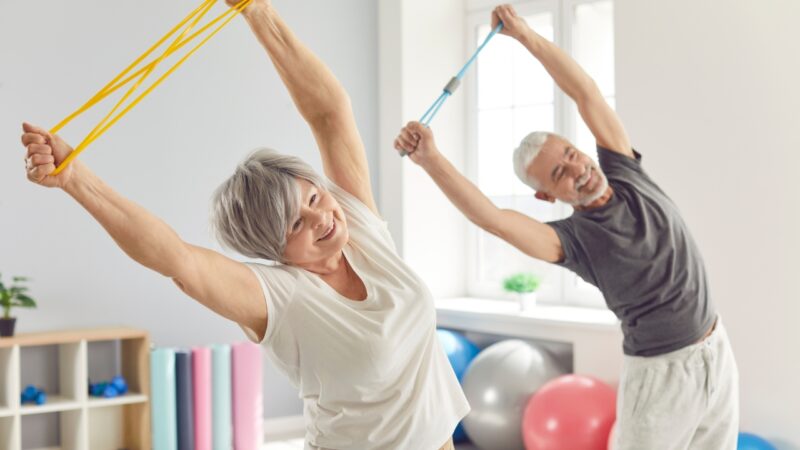
Regular exercise can help seniors protect strength, balance, flexibility, heart health, mood, confidence, and daily independence. Staying active also supports mobility, joint function, better sleep, and a stronger sense of control in daily life.
For many older adults, movement is one of the best ways to maintain quality of life and lower the risk of losing physical ability over time.
Safety matters because aging can affect balance, bone density, reaction time, joint comfort, muscle strength, and recovery.
A better goal is choosing exercises that match a senior’s current ability and adjusting movements as needed.
Exercises Seniors Should Avoid or Modify
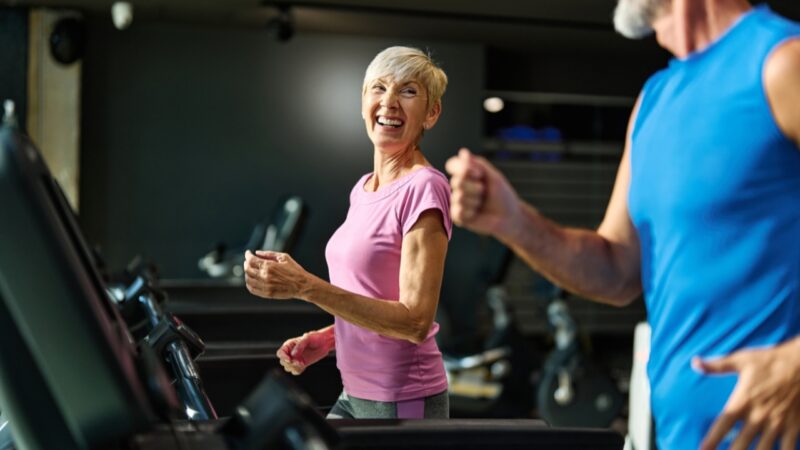
Some exercises are not automatically unsafe for every older adult, but they can carry more risk when balance, joint health, bone density, heart health, or reaction time is limited.
Safer exercise planning often means changing the movement rather than removing activity completely.
High-Intensity Interval Training
High-intensity interval training, often called HIIT, uses short bursts of hard exercise followed by easier movement or rest.
Some older adults may be interested in it because HIIT can produce greater improvements in measures such as blood pressure and blood sugar compared with moderate-intensity exercise.
Still, intense intervals are not the safest choice for every senior, especially for people with heart disease, heart risk factors, poor conditioning, or limited exercise experience.
A safer option is to begin with moderate cardio, such as walking, cycling, swimming, or water aerobics, and only add harder intervals after medical clearance.
Seniors with known heart disease, chest pain, breathlessness, or unexplained exercise intolerance may need cardiac testing before attempting intense exercise. In some cases, a doctor may recommend an angiogram to check whether the coronary arteries are narrowed or blocked and to guide treatment decisions.
Seniors who are approved for HIIT should use longer warm-ups, shorter work intervals, longer rest periods, and close attention to warning signs such as chest discomfort, dizziness, unusual shortness of breath, or sudden fatigue.
Running Stairs
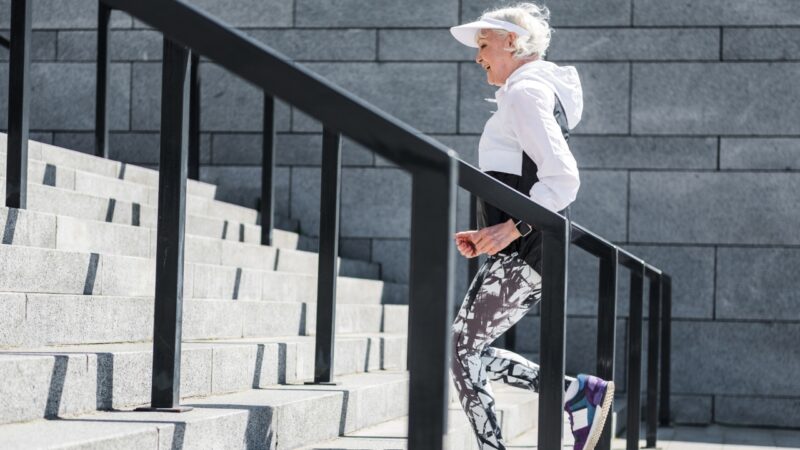
Running stairs can raise fall risk and place extra strain on joints and the heart.
Even a small misstep can lead to a serious injury, especially for seniors with slower reaction time, poor balance, weak vision, or lower leg strength.
Stair running can also be demanding for the knees, hips, ankles, and cardiovascular system.
Fast stair movement leaves little time to correct a mistake. Older adults may also have trouble judging step height when tired or when the lighting is poor.
Stairs become even riskier when shoes lack grip, railings are absent, or steps are wet, narrow, cluttered, or uneven.
A safer option is controlled step-ups on a stable platform. Support should be nearby, such as a wall, rail, chair, or trained professional.
Step height should stay low enough to allow smooth control. Seniors should move slowly, place the full foot on the step, and avoid rushing.
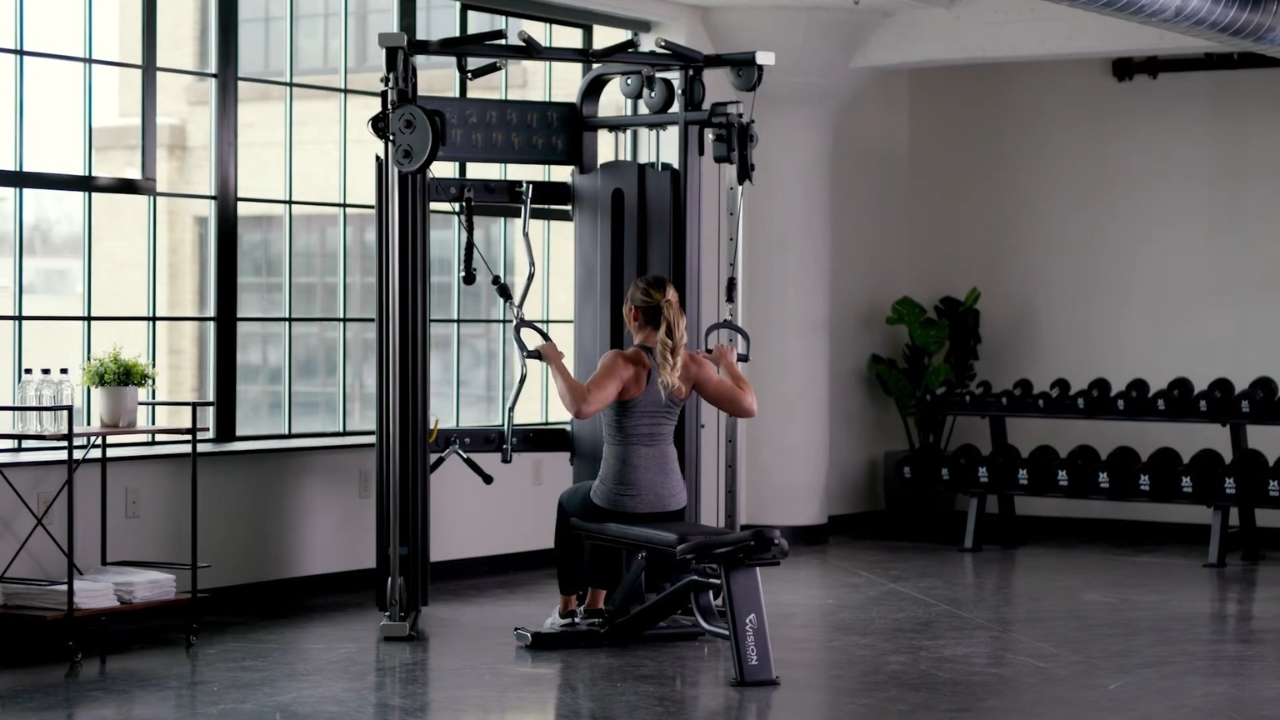
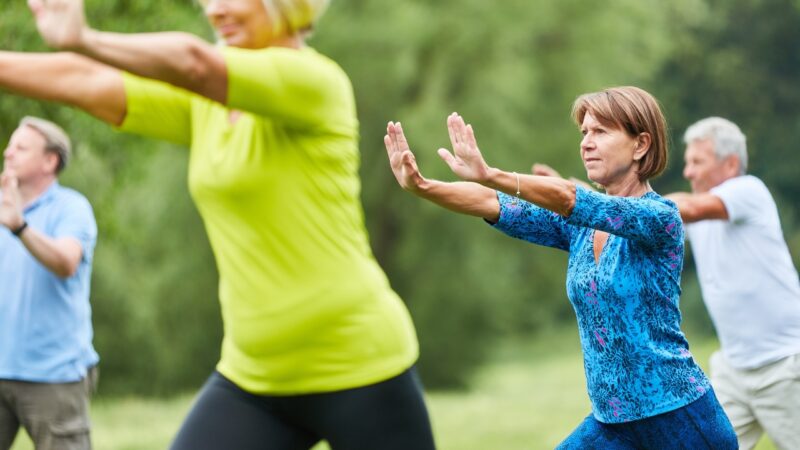
Seniors who feel chest pressure, unusual shortness of breath, dizziness, or leg weakness during stair exercise should stop and seek guidance. Heavy weightlifting, including heavy bench presses, can put too much stress on shoulders, joints, muscles, connective tissue, and the cardiovascular system. Risk increases when resistance rises too quickly, technique breaks down, breathing is held, or recovery time is not enough. Older adults may also have joint changes or past injuries that make maximal lifting less safe. Heavy bench pressing can be especially risky because it loads the shoulders and chest while the weight is above the body. Poor form, limited shoulder mobility, or no spotter can increase danger. Heavy lifting can also cause people to hold their breath, which may raise blood pressure and strain the cardiovascular system. Safer strength training should still challenge muscles, but not at the cost of control. Light free weights, resistance bands, bodyweight exercises, and moderate resistance are often better choices. Good form matters more than lifting a heavier load. Resistance should increase slowly. A good set should feel challenging near the end, but movement should stay smooth. Sharp pain, dizziness, joint pressure, or unusual strain means the exercise should stop or be modified. Hot yoga may cause dizziness, dehydration, overheating, or sudden fatigue. Seniors can be more vulnerable to heat-related problems because temperature regulation, hydration status, and certain medications may affect how the body handles heat. Heated rooms can also make balance harder if lightheadedness occurs. High room temperatures can make normal yoga movements feel much harder. Sweat loss can increase dehydration risk, and dizziness during standing poses can lead to falls. Heat can also make some people stretch too far because muscles feel looser, which may raise the chance of strains. A safer option is gentle yoga or senior yoga in a moderate-temperature room. Classes should allow breaks, water, and pose modifications. Seniors should avoid forcing stretches and should leave any class that causes dizziness, nausea, chest discomfort, or unusual weakness. A comfortable room, steady breathing, slower transitions, and frequent water breaks can make yoga safer. Seniors taking medications that affect hydration, blood pressure, or heat tolerance should ask a medical professional before attending heated classes. Sit-ups and crunches can strain the neck, spine, and lower back, especially when performed with poor technique. Pulling on the neck, rounding the back, or moving too quickly can increase discomfort. People with existing back or neck problems may notice symptoms get worse after repeated crunching motions. Traditional sit-ups may also place extra pressure on the spine and hip flexors. Seniors with osteoporosis, spinal issues, past back injuries, or weak core control may find these movements uncomfortable or unsafe. Floor exercises can also be difficult for older adults who struggle to get down to the floor or stand back up. Core strength is still important because it supports balance, walking, standing, reaching, and lifting everyday items. A senior does not need aggressive abdominal exercises to build useful strength. Comfort should guide core training. Seniors should avoid any core movement that causes sharp pain, neck strain, back pressure, or breath-holding. A physical therapist can help choose safer exercises for people with back problems or osteoporosis. Regular activity can help older adults protect strength, balance, mobility, heart health, and independence. Safer exercise choices usually have three traits: low impact, steady pacing, and easy adjustment. Older adults do not need intense workouts to gain benefits. Consistent movement, performed with good control, often gives better long-term results than pushing too hard. Walking is one of the safest and most practical exercises for seniors because it is low-impact, simple to adjust, and helpful for heart health and mobility. It can be done at a slow, moderate, or brisk pace depending on comfort and fitness level. Short walks can still support stamina, circulation, leg strength, and better daily energy when done consistently. Walking also helps keep the hips, knees, ankles, and feet moving through a natural range of motion. Gentle, repeated movement can reduce stiffness and help older adults stay comfortable during daily tasks. Regular walking may also make it easier to climb small steps, shop, move around the home, visit neighbors, or take part in social activities. Safe walking starts with a route that matches current ability. A flat sidewalk, indoor mall, school track, or smooth park path is often a better choice than uneven pavement, loose gravel, steep hills, or crowded areas. Distance should increase gradually. Five to ten minutes can be enough for beginners, especially after illness, surgery, or a long inactive period. Comfort should guide pace. A senior should be able to speak while walking without gasping. Pain, chest discomfort, dizziness, unusual shortness of breath, or sudden weakness are signs to stop and rest. Walking is safest when it feels steady, controlled, and repeatable. Buoyancy can make movement feel easier for people with knee, hip, or back pain. At the same time, water creates natural resistance, helping muscles work without the same pounding linked to many land-based workouts. Pool exercise can support cardiovascular fitness, flexibility, posture, and muscle tone. Many older adults find it easier to move in water because pressure on sore joints is lower. Gentle pool routines may also help people stay active when walking, running, or floor-based workouts feel uncomfortable. Pool safety still matters. Fatigue, cramps, slippery surfaces, and emergencies can increase risk, especially for seniors with medical conditions or lower stamina. A supervised pool, a senior-focused class, and a companion can all add safety. Pool decks should be crossed slowly, and railings should be used when entering or leaving the water. Water temperature also matters. Very cold water can increase muscle tightness, while overly warm water may contribute to fatigue or lightheadedness. Seniors should drink water, take breaks, and leave the pool if they feel dizzy, weak, chilled, overheated, or short of breath. Chair yoga and gentle yoga can help seniors improve flexibility, balance, breathing, mental clarity, and relaxation. Movements are usually slow and controlled, which makes them easier to adjust for different ability levels. Gentle stretching can reduce stiffness, improve posture, and support comfort during daily movement. Chair yoga is especially useful because it allows seniors to exercise while seated or while using a chair for support. It can help people with limited balance, joint pain, lower endurance, or fear of falling take part in yoga with less risk. Seated stretches, supported twists, breathing practice, and slow arm or leg movements can all be adjusted to comfort level. A safe yoga session should feel calm and controlled. Seniors should avoid forcing the body into positions that cause pain or require extreme flexibility. Breathing should stay steady, and transitions should be slow enough to prevent dizziness or loss of balance. Gentle yoga in a comfortable room is safer than hot yoga for many older adults. Heated classes can raise the risk of dizziness, dehydration, overheating, and sudden fatigue. Seniors should choose classes designed for older adults or beginners and avoid poses that create pain, require extreme flexibility, or challenge balance too aggressively. Tai chi is a gentle exercise that can improve balance, coordination, flexibility, and mental well-being. Slow, controlled movements help seniors practice body awareness and steady weight shifting. Many people describe tai chi as meditation in motion because it combines movement, breathing, and focus. Fall prevention is one of the main reasons tai chi is often recommended for older adults. Slow stepping patterns can help seniors improve control, posture, and confidence while moving. Better balance and coordination can make daily activities safer, especially for people who feel unsteady when turning, reaching, or walking. Tai chi can also help seniors become more aware of foot placement, posture, and body alignment. Movements are usually gentle on the joints because they avoid jumping and sudden impact. Sessions can be shortened or simplified for beginners, and many movements can be practiced near a chair or wall for added confidence. Group classes designed for older adults can provide instruction, social connection, and safer pacing. Video classes may also help, but in-person instruction can be better for seniors who need form corrections or balance support. The safest exercises for seniors are usually low-impact, controlled, and easy to modify. Walking, water aerobics, swimming, chair yoga, gentle yoga, tai chi, resistance bands, and light strength training can support strength, balance, mobility, heart health, flexibility, and independence. The least safe exercises tend to be high-impact, heavy, fast, poorly controlled, or performed in unsafe conditions.
Heavy Weightlifting or Heavy Bench Presses
Hot Yoga
Sit-Ups and Crunches
Safest Exercises for Seniors
Walking
Water Aerobics or Swimming
Water aerobics and swimming are strong choices for seniors because water reduces impact on joints while still helping build strength and endurance.Chair Yoga or Gentle Yoga
Tai Chi
Summary