

Long-distance running pushes your body hard, and recovery is just as important as the workout itself. If you’re logging long miles but struggling with sore legs, fatigue that lingers, or low motivation on back-to-back runs, you’re not alone.
Studies show that inadequate recovery can increase the risk of overuse injuries by up to 50, and even reduce performance gains over time.
So what’s the concrete answer? The right combination of post-run supplements can reduce muscle damage, ease inflammation, replenish depleted nutrients, and help your body rebuild stronger.
While food should always come first, strategic supplementation gives runners an edge, especially after taxing efforts like marathon training, trail ultras, or weekly long runs.
1. Whey Protein: For Muscle Repair and Reduced DOM
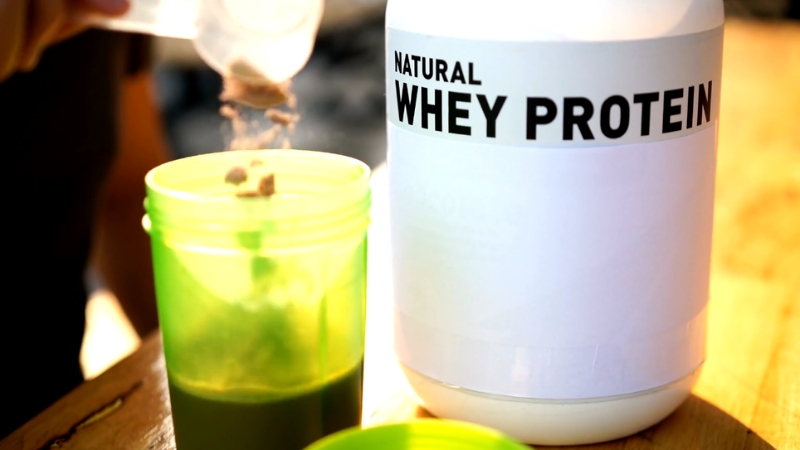
Whey protein is fast-digesting and rich in leucine, a key amino acid that stimulates muscle protein synthesis. After a long run, your muscle fibers are damaged, and consuming adequate protein within the recovery window (within 30-60 minutes) helps kick-start the repair process.
A 2018 study in the Journal of the International Society of Sports Nutrition showed that runners who consumed 20-25g of whey protein post-run reported significantly reduced muscle soreness at 24 and 48 hours compared to those who only took carbs.
Mix 1 scoop (about 25g protein) with water, milk, or a smoothie post-run.
2. Omega-3 Fatty Acids (Fish Oil): For Inflammation and Joint Health
Long runs increase inflammatory markers, especially cytokines like IL-6 and TNF-alpha. Omega-3s—particularly EPA and DHA found in fish oil—are well-documented to reduce this post-exercise inflammation and support joint function over time.
A 2020 meta-analysis in Nutrients found that daily fish oil supplementation (2,000-3,000 mg EPA/DHA) lowered muscle soreness and improved functional recovery in endurance athletes.
Example daily dose for runners:
Supplement
EPA (mg)
DHA (mg)
Best Time to Take
Notes
Fish Oil Capsule
1000
750
With meals
Look for “burpless” and third-party tested
Liquid Fish Oil
1200
800
Split into 2 doses
Store refrigerated
3. Magnesium: For Muscle Relaxation and Cramp Prevention

Magnesium is lost in sweat and plays a vital role in muscle contraction and relaxation. Low levels can increase cramping and delay recovery. If your legs feel heavy or twitchy at night after long runs, this may be why.
An estimated 50-60% of endurance athletes have suboptimal magnesium intake, according to research from Current Sports Medicine Reports (2019).
How to take it:
4. Electrolytes with Potassium and Sodium: For Hydration and Muscle Function
View this post on Instagram
Sodium and potassium losses during long runs (especially in hot weather) can mess with your body’s fluid balance, muscle contraction, and nerve function. Rehydrating with plain water alone post-run isn’t always enough.
Sodium & Potassium Loss Estimates per Hour of Running
Condition
Sodium Lost (mg)
Potassium Lost (mg)
Moderate Sweat
500–1000
100–200
Heavy Sweat
1000–2000+
200–300+
What to use:
5. Curcumin (Turmeric Extract): To Ease Soreness and Protect Joints

Curcumin is the bioactive compound in turmeric and acts as a natural anti-inflammatory by blocking NF-kB, a molecule that triggers inflammation at the cellular level. Long runs create micro-tears in muscle tissue, leading to elevated levels of CK (creatine kinase) and soreness.
Curcumin helps blunt this process, making recovery smoother, especially for runners logging hard mileage or coming back from injury.
Research in the American Journal of Clinical Nutrition shows curcumin can significantly reduce muscle soreness and inflammation when taken regularly, particularly when paired with piperine (black pepper extract) to increase absorption.
How to take it:
6. Tart Cherry Juice: For Muscle Recovery and Better Sleep
@cookwithdrbrooke #tartcherryjuice for sleep??? #mentalhealth #psychiatristsoftiktok #nutritionalpsychiatry #mealsasmedicine ♬ original sound – CookWithDrBrooke
Tart cherry juice contains anthocyanins, natural antioxidants that help reduce muscle damage and speed up recovery. But its benefits don’t stop there—it also increases natural melatonin production, improving sleep depth and quality.
Since most recovery happens during sleep, this makes tart cherry juice is a double win for runners. A study in the Journal of Functional Foods (2016) found that marathon runners who consumed tart cherry juice twice daily for 7 days experienced faster strength recovery and less muscle soreness compared to a placebo group.
How to use it:
7. BCAAs (Branched-Chain Amino Acids): To Prevent Muscle Breakdown and Fight Fatigue
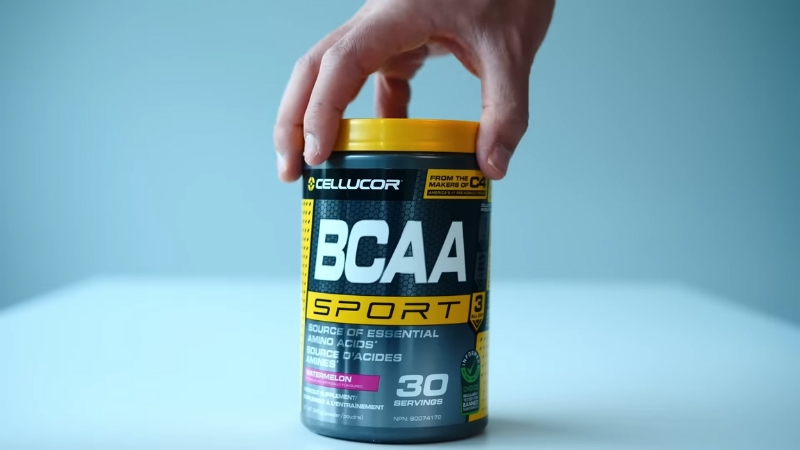
During long runs, especially in a fasted or glycogen-depleted state, your body may start breaking down muscle for fuel. BCAAs—leucine, isoleucine, and valine—are essential amino acids that help minimize this breakdown and reduce central fatigue by limiting serotonin’s rise in the brain.
If you’re running for 90 minutes or more, BCAAs can help you maintain intensity, preserve lean mass, and recover faster afterward.
How to use it:
8. Vitamin D: For Bone Strength, Hormonal Balance, and Efficient Recovery
From October to March we can’t make enough vitamin D from sunshine, so to keep bones and muscles healthy, it’s best to take a vitamin D supplement.
Adults and children just need 10 micrograms a day and you can get vitamin D from most pharmacies ➡️ https://t.co/KIQIV7PX2v pic.twitter.com/a0PKZvFzf4
— NHS (@NHSuk) February 17, 2023
Vitamin D isn’t just about bones—it influences muscle repair, inflammation control, and immune resilience. Low levels are linked to increased risk of stress fractures, slower recovery, and chronic fatigue in endurance athletes. Yet many runners, especially those training indoors or in colder climates, are unknowingly deficient.
According to The American Journal of Clinical Nutrition, 42% of athletes have inadequate vitamin D levels. This number rises in the winter months.
How to use it:
9. Collagen with Vitamin C: To Support Tendons, Ligaments, and Joint Repair

Collagen is the primary structural protein in connective tissue, including tendons, ligaments, and cartilage. Long-distance runners put repeated stress on these tissues. Supplementing with hydrolyzed collagen—especially when paired with vitamin C—can stimulate the body to produce more of its collagen where it’s needed most.
A study in The American Journal of Clinical Nutrition (2017) found that 15 grams of collagen combined with vitamin C taken one hour before exercise increased collagen synthesis in tendons and may help prevent injuries.
How to use it:
10. L-Glutamine: For Immune Recovery and Gut Health After Long Runs
L-glutamine is an amino acid that fuels immune cells and supports gut barrier function, both of which can become compromised after long-duration endurance exercise. “Runner’s gut,” suppressed immunity, or frequent upper respiratory infections may be linked to post-run glutamine depletion.
Studies published in Clinical Nutrition suggest glutamine supplementation reduces illness rates in endurance athletes during periods of intense training.
How to use it:
Final Thought
No pill or powder will undo poor nutrition, bad sleep, or overtraining. But for runners who already have a decent routine, adding the right recovery supplements can make a real difference in how quickly you bounce back—and how long you stay consistent.
Whether you’re trying to shake off sore calves before tomorrow’s tempo or training for your first marathon, a smart supplement plan can help your body keep up with your goals.
And ye, fish oil deserves a place in every long-distance runner’s toolkit. It’s not hype. It’s smart recovery.