Healthy joints help active women move with ease, train consistently, and enjoy daily life with less discomfort.
Joint health supports long-term mobility, overall fitness, and everyday well-being. When joints move well, activities like walking, lifting, climbing stairs, stretching, and exercising feel more natural.
Women are more likely than men to deal with joint pain conditions such as arthritis, and many women also report more intense pain.
That makes joint care especially important for women who want to keep training, working, traveling, and living actively as they age.
Keep Moving, But Choose Joint-Friendly Activity
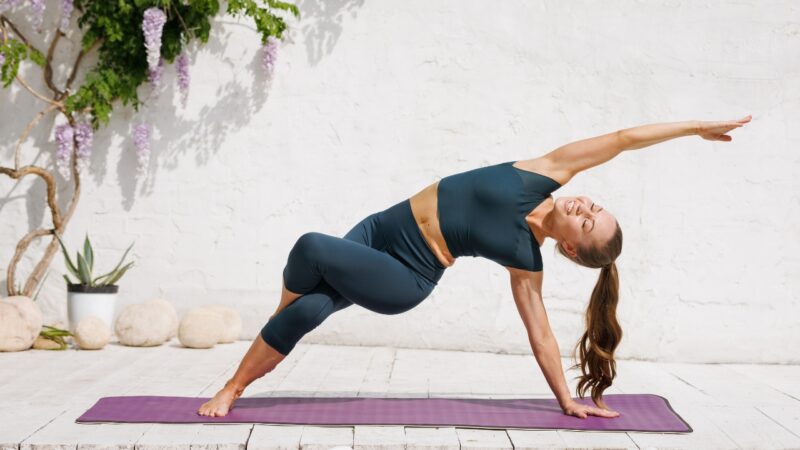
Consistent movement helps prevent stiffness and keeps joints mobile.
Long periods of sitting or inactivity can leave joints feeling stiff, achy, and harder to move through a full range of motion.
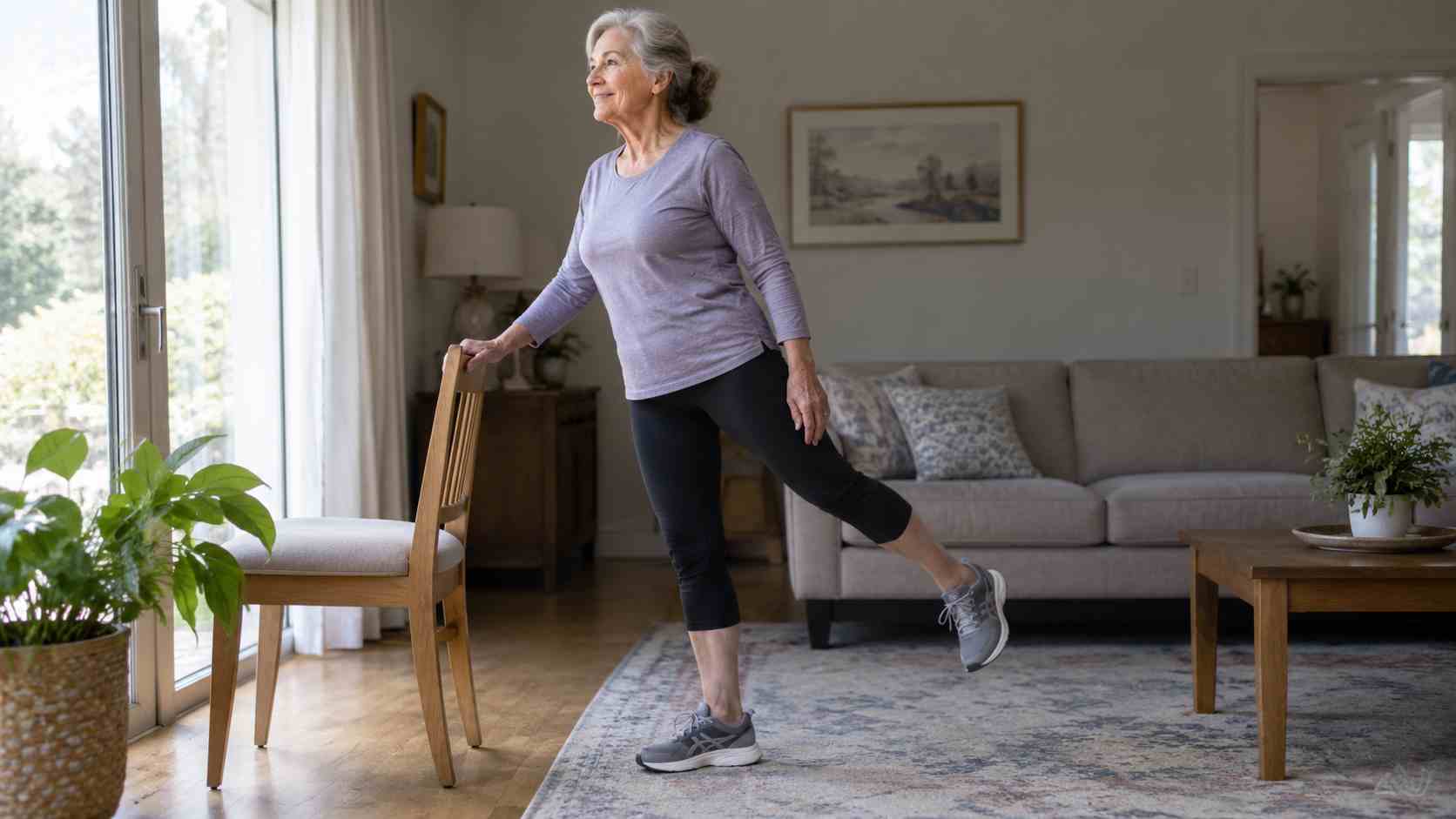
Low-impact activity is often a smart choice because it gives the body a solid workout while placing less stress on the joints. Strong options include:
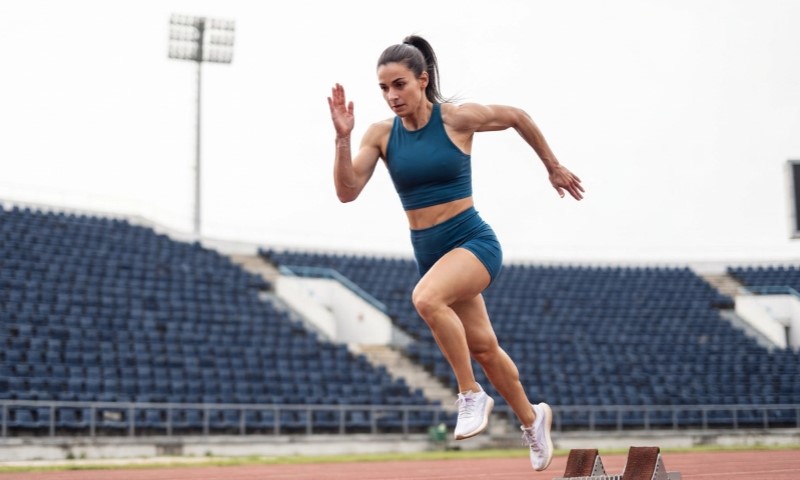
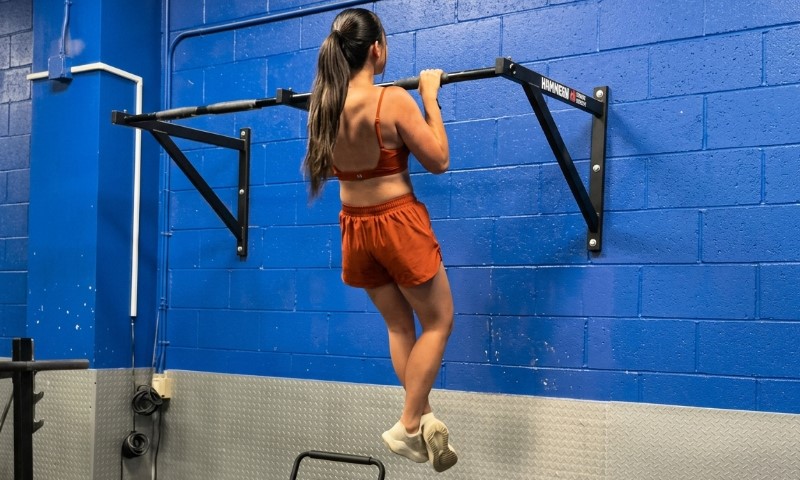
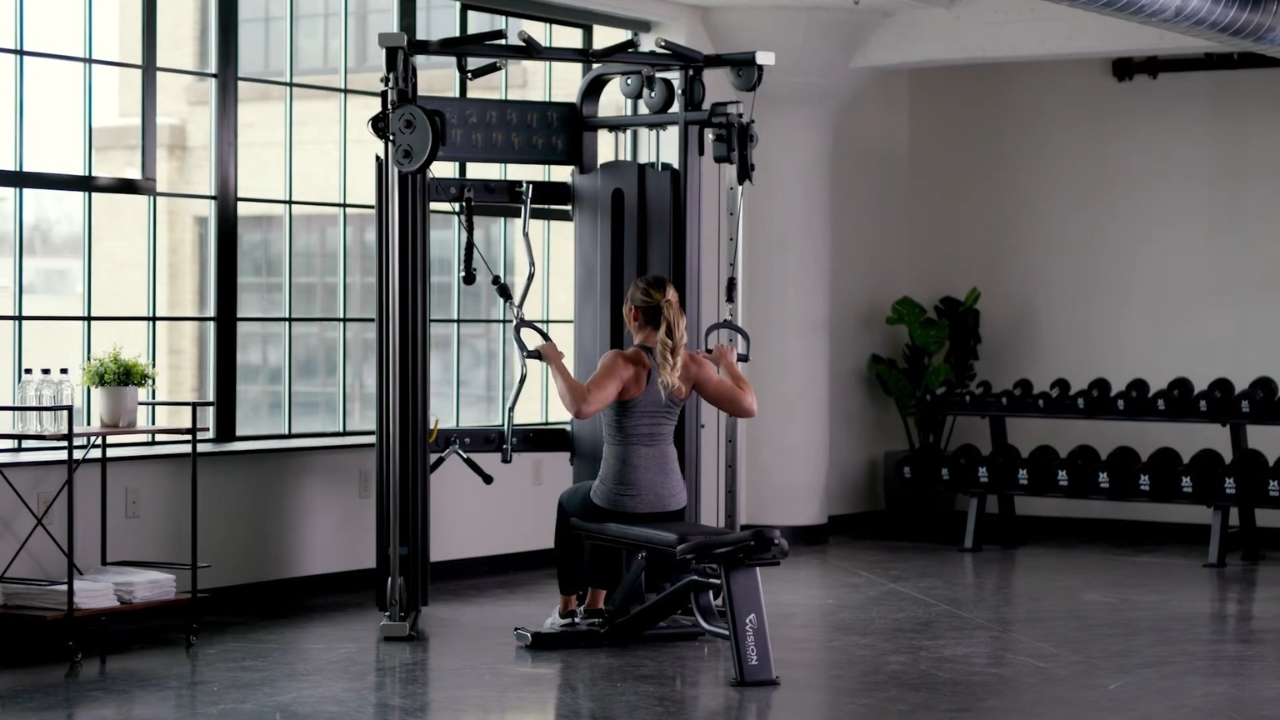
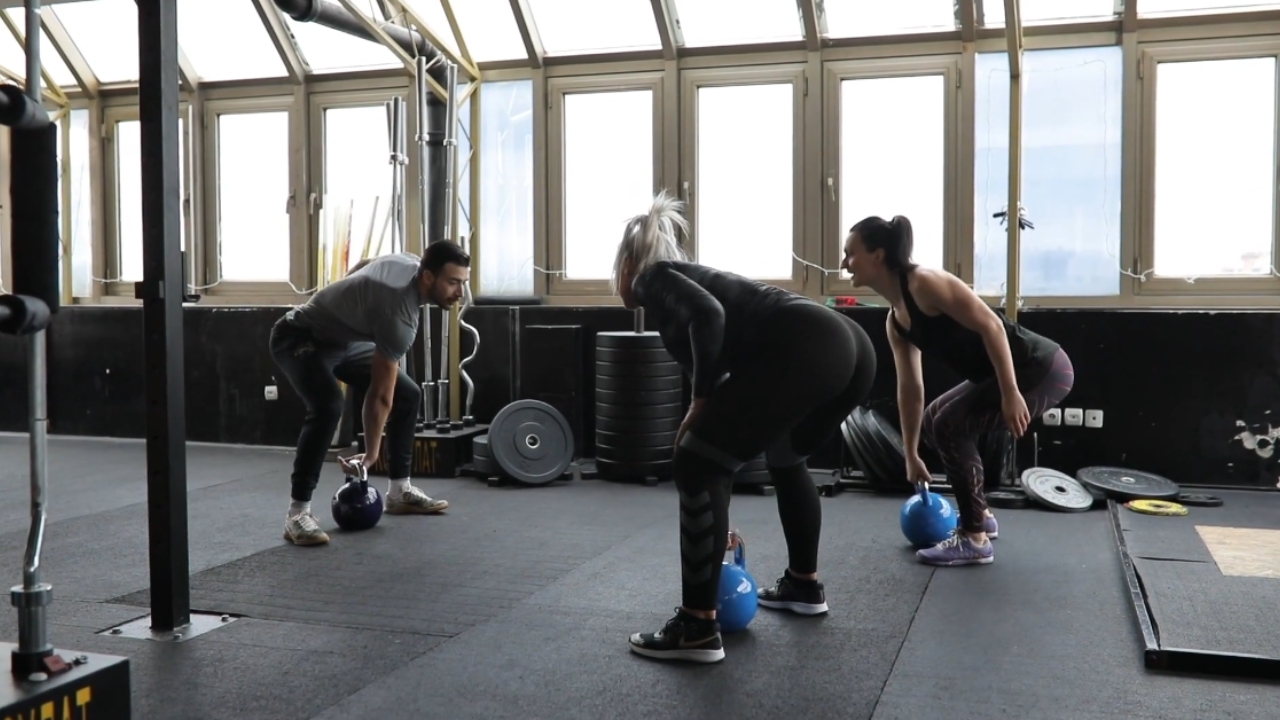
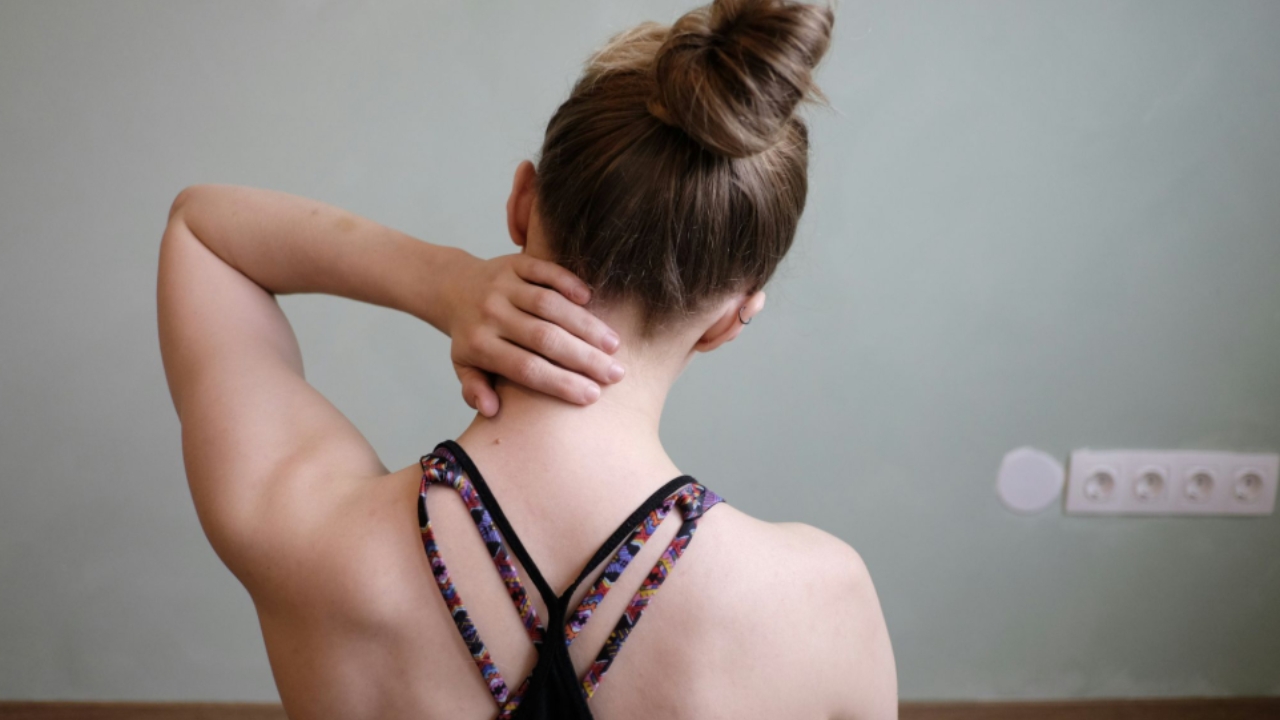
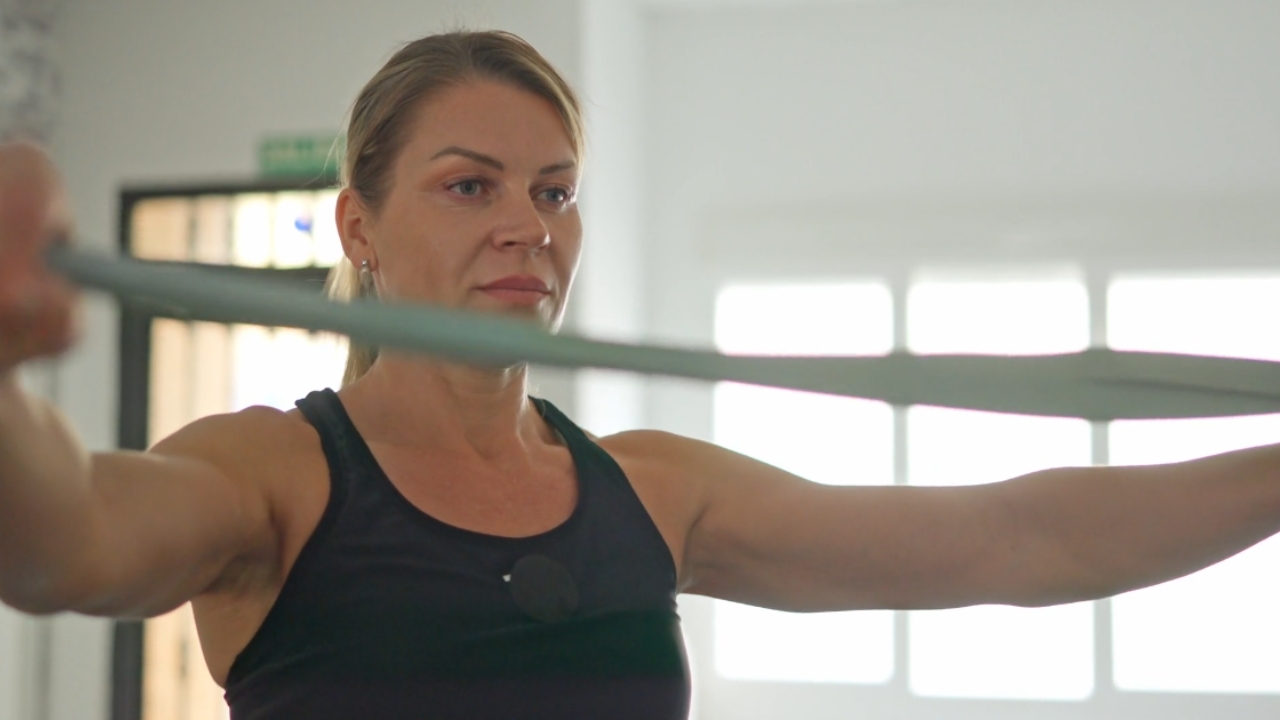
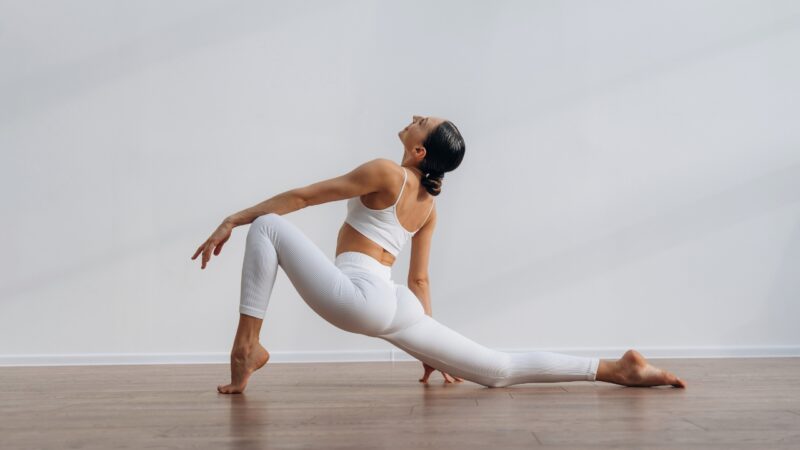
Regular low-impact exercise may help reduce pain and stiffness, improve range of motion, and strengthen the muscles that support the joints. Active women do not need to avoid challenging workouts, but rotating high-impact training with lower-impact recovery days can help protect the body over time. Daily movement also matters outside the gym. Aim for at least 30 minutes of movement each day, such as walking or stretching. Walking or cycling to work can also add healthy movement to a busy routine. When those muscles are stronger, joints often have less stress placed directly on them. Several strength-building tools can support joint stability without requiring a complicated routine: Every controlled rep can help build stronger, more resilient joints by improving muscle support and stability. Active women can pay special attention to glutes and hips for knee and lower back support, core muscles for posture and spinal stability, and upper back and shoulders for desk posture, lifting mechanics, and daily movement. Good form matters more than heavier weights. Controlled movement, steady breathing, and proper alignment help strengthen training to support the joints instead of adding unnecessary stress. Cardio is valuable for bones, heart health, and joints, but cardio alone is not enough. Muscle-building work should also be part of a balanced routine. For women who need guided support with strength, mobility, pain recovery, or posture-focused exercise, Inspine Therapy Clinic in Langley offers care options such as physiotherapy, active rehabilitation, chiropractic care, massage therapy, and Pilates. Mobility is a key part of joint longevity. Full range-of-motion exercises help keep joints healthy, strong, and prepared for daily movement. They may also help prevent injuries and support sore or stiff joints. Helpful mobility exercises can be simple, controlled, and easy to add before or after training: Stretching after workouts can lengthen the muscles and ligaments that support the joints. Better flexibility may improve range of motion and reduce stiffness. Mobility should be a daily habit, not only something done after pain appears. Even a few minutes each day can help the body move better. Flexibility work for the spine, neck, and upper body can also support better alignment during exercise and desk work. Better mobility often makes good posture easier to maintain. Over time, this common habit can also lead to posture issues. Here’s what experts say you should do to protect yourself. https://t.co/qf96PMaFA2 — HuffPost (@HuffPost) March 17, 2026 Posture affects the knees, back, neck, shoulders, wrists, and hips. Poor posture can contribute to knee pain, back pain, and other long-term joint problems. A large share of muscle and joint pain may be connected to posture and recovery habits: Sitting posture should support both alignment and circulation. Keep feet flat on the floor, knees near a 90-degree angle, and avoid crossing the legs. Use a footrest when the chair height cannot be adjusted. Crossing the legs can reduce circulation and may contribute to numbness or swelling. Desk posture matters as well. Use lumbar support, keep the screen at eye level, place the keyboard and mouse at elbow height, and position the screen directly in front of the body. Keep a neutral spine, control alignment, avoid collapsing knees or shoulders, and maintain proper form during strength exercises. Good posture does not mean sitting or standing rigidly. Better posture means changing positions often, maintaining healthy alignment, and reducing unnecessary stress on joints. Active women can still develop pain due to sedentary work habits, especially when long hours of sitting happen between workouts. Desk setup can affect the neck, back, shoulders, arms, wrists, and even workout comfort. Monitor placement can help reduce neck strain and head pain. Keep the monitor directly in front of you and near eye level. A simple check can help: close your eyes, then open them. Your natural first point of focus should be the center of the screen. Workstation setup should support the arms, wrists, back, and eyes during long screen sessions: Incorrect forearm position can contribute to pain and numbness. A monitor that sits too low can force the neck to bend, which may lead to neck pain or head pain. Eye fatigue can also build up during long screen sessions. Reduce glare, adjust screen brightness and contrast, and once every hour, focus on a distant object for 20 seconds. Better work posture can reduce recurring tension in the neck, back, shoulders, arms, and wrists. Less daily tension can also make workouts feel more comfortable. Extra body weight can increase pressure on joints and may contribute to inflammation, joint pain, and cartilage wear. Osteoarthritis is a common cause of joint pain and involves gradual cartilage breakdown. More weight can place added stress on joints and may increase the risk or speed of cartilage damage. Healthy weight management should focus on performance, energy, joint protection, and long-term mobility, not appearance. Balanced habits can help active women feel stronger and move better. Daily habits that support joint comfort and weight management include: Maintaining a healthy weight can reduce extra joint pressure, support overall wellness, and may reduce pain or delay disease progression for women already living with arthritis. Good posture and consistent movement habits allow active women to train with confidence and stay active as the years go on. Daily choices make a meaningful difference. Regular movement keeps joints from becoming stiff. Strength training supports stability and control. Mobility work helps maintain a healthy range of motion. Proper posture reduces unnecessary strain during both workouts and work hours. Balanced routines that include recovery, smart exercise selection, and supportive habits can help reduce pain, improve performance, and protect long-term mobility.Strengthen the Muscles That Support Your Joints
Stronger muscles help stabilize joints and reduce strain on joint surfaces. Muscles around a joint support movement, absorb force, and help spread the load more evenly.
Use Full Range-of-Motion and Mobility Work
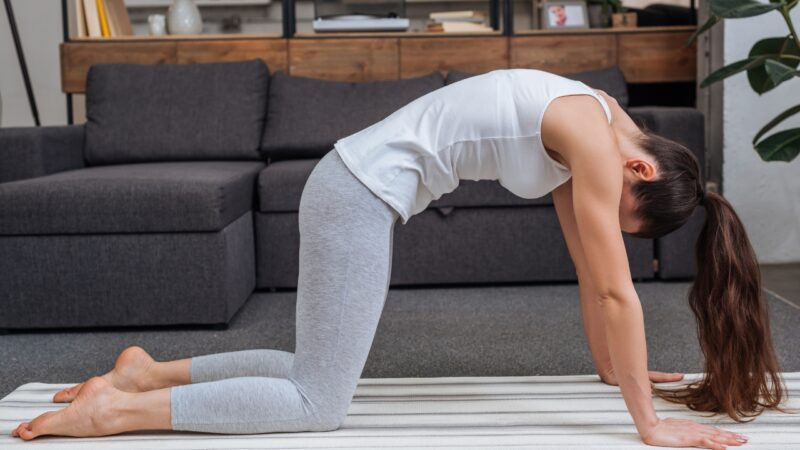
Improve Posture During Work, Training, and Daily Life
Protect the Neck, Back, Arms, and Wrists at Work

Maintain a Healthy Weight to Reduce Joint Stress
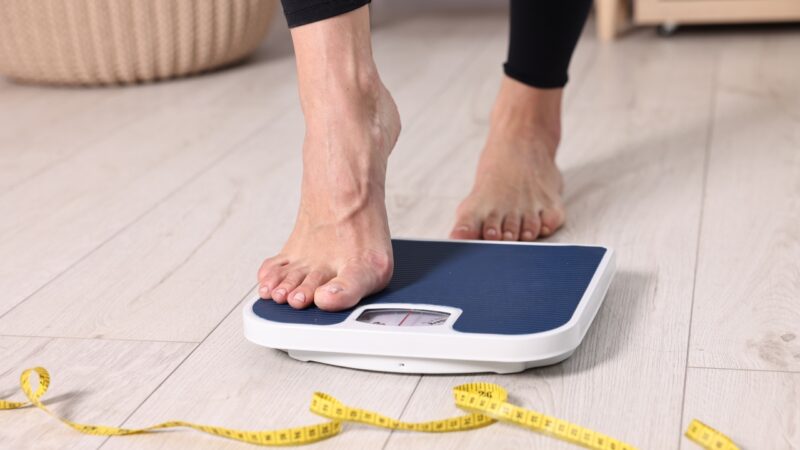
Summary