
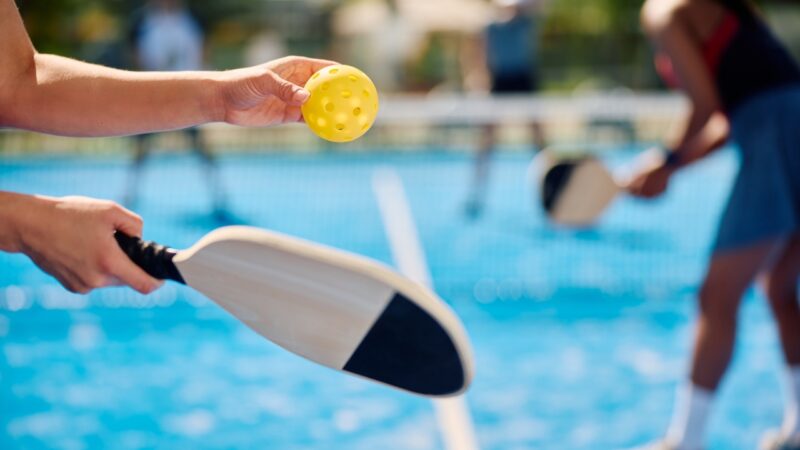
Pickleball has grown into one of America’s most popular recreational sports, and it is easy to see why.
Players of many ages and skill levels can get on court, learn the basics quickly, and enjoy a game that feels social, active, and competitive without requiring elite athletic ability.
Still, many players ask the same practical question: how many calories can you burn playing pickleball?
For most players, a pickleball session can burn a few hundred calories. One research-backed benchmark places recreational pickleball at about 355 calories per session.
One hour of calorie burn often lands near 300 to 700 calories, based on body weight, effort level, singles or doubles play, and total time on court.
Average Calories Burned Playing Pickleball
Playing Style
Estimated Calorie Burn
Recreational session
About 355 calories per session
General one-hour play
About 300 to 700 calories per hour
One hour of pickleball for weight management
About 400 to 600 calories
Recreational doubles, 125-pound player
About 350 calories per hour
Recreational doubles, 155-pound player
About 430 calories per hour
Recreational doubles, 185-pound player
About 510 calories per hour
Competitive singles, 125-pound player
About 480 to 500 calories per hour
Competitive singles, 155-pound player
About 600 to 650 calories per hour
Competitive singles, 185-pound player
About 700 to 750 calories per hour
Most recreational players can expect to burn about 300 to 600 calories per hour playing pickleball.
Higher-intensity singles play can climb closer to 700 calories per hour or more, especially for heavier players or players who move aggressively.
A useful research-backed number is about 355 calories per recreational session.
That figure came out of gameplay measured with portable metabolic sensors among middle-aged and older adult players. It gives a helpful benchmark, but it should not be treated as a fixed rule for every player.
No single calorie number fits every player. Pickleball is an interval-style activity with quick bursts, recovery moments, short rallies, longer points, and pauses between plays.
A casual doubles game with frequent breaks will not burn calories at the same rate as a competitive singles match with constant movement.
Main Factors That Affect Pickleball Calorie Burn
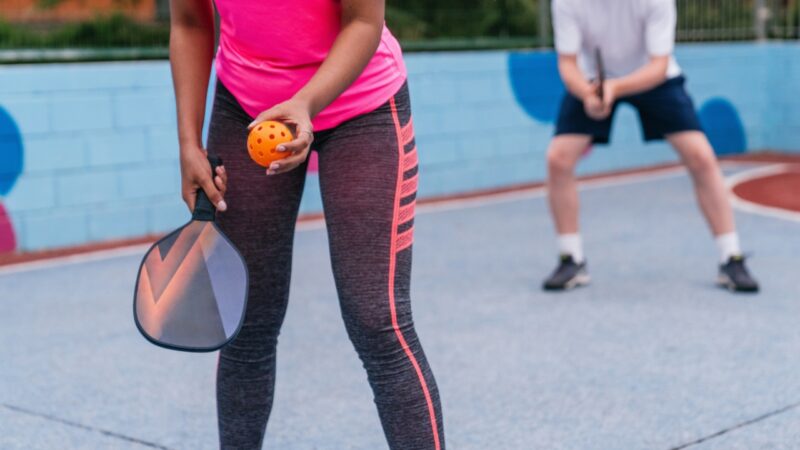
Now we will address the main factors that affect pickleball calorie burn.
Skill and Playing Style
Skill level also changes calorie burn. Beginners may take extra steps, chase balls inefficiently, and burn more energy through less efficient movement.
Skilled players may move with better control, but they often play faster points, hit harder shots, and extend rallies.
Playing style can change calorie burn even within the same format. Players who prefer control, touch, or power may choose paddles that support those goals, and options like Honolulu paddle designs include different shapes, face materials, and player-type categories that can match a player’s preferred pace of play. A doubles player may burn more calories when they: A singles player may burn fewer calories than expected when they: Body weight plays a major role in calorie burn. A heavier player usually burns more calories because moving a larger body mass takes more energy. Key estimates for recreational doubles include: Calm doubles play shows a similar pattern: Body size is not the only factor, but it helps explain why two players can play the same game for the same amount of time and finish with different calorie totals. Effort level may be the biggest factor after body weight. Casual rallies burn fewer calories because movement is slower and rest time is higher. Recreational doubles often fall in a moderate calorie range. Competitive singles can produce much higher numbers because one player has to cover the full side of the court and react to every shot. For a 150-pound player: Faster footwork, longer rallies, fewer breaks, and stronger swings can all raise total energy use. One player must cover the entire side of the court, so there is more running, lunging, reaching, and recovery movement after each shot. Doubles usually burn fewer calories because partners split court coverage. Movement can still be steady, especially during competitive doubles, but each player generally covers less space. That difference helps explain why calorie tables often show much higher numbers for singles than doubles. A player looking for a bigger workout can choose: Time on court has a direct effect on total calorie burn. A 30-minute game will usually burn far fewer calories than a 60-minute or 90-minute session. Common session estimates include: A 60 to 90 minute pickleball session can produce energy use similar to: Longer sessions matter because pickleball often feels fun enough that players keep going longer than they might during a gym workout. Calorie burn can vary widely based on weight and style of play. A calm doubles game may feel moderate, while fast singles can push calorie burn much higher. Movement level matters as much as time on court. One hour of relaxed doubles and one hour of fast singles are both pickleball, but they do not demand the same energy output. Comparable estimates show a similar range: Calm play is often estimated at about 4.0 METs, while hard singles play can reach about 6.5 METs. MET values help explain why fast singles burn more calories. Higher MET activity requires more oxygen, more muscle work, and more energy each minute. Pickleball can be a solid cardio workout, especially when players move consistently and keep breaks short. Recreational play can reach moderate-to-vigorous cardiovascular intensity, and singles or competitive doubles can push that intensity higher. Key cardio data points include: Pickleball’s constant movement can support cardiovascular fitness. Quick steps, lateral movement, paddle swings, and repeated rallies help raise heart rate. Adult players stay around 60 to 70% of maximum heart rate, a range often associated with steady aerobic work and fat use during exercise. Intensity still depends on how hard a player moves, how long rallies last, and how much rest occurs between points. Pickleball often compares well with common cardio activities. For many recreational players, one session can feel similar to brisk walking, easy cycling, or light jogging. For a 150-pound person, one hour of activity may look like this: Pickleball’s biggest advantage may be consistency. Many people play longer because the game feels fun, competitive, and social. A workout that people enjoy is easier to repeat week after week. Pickleball also combines movement, reaction time, strategy, teamwork, and social connection. That mix can help players stay active without feeling like they are forcing themselves through a traditional workout. Most casual players can expect to burn a few hundred calories per pickleball session. A strong research-grounded benchmark is about 355 calories per recreational session. Many one-hour pickleball sessions fall near 300 to 600 calories. Intense singles can burn 700 calories per hour, especially for heavier or highly active players. A 30-minute session may burn roughly 150 to 350 calories, based on weight and intensity. Pickleball is more than a casual backyard game. Regular play can support calorie burn, heart health, coordination, movement quality, and long-term fitness.
Body Weight
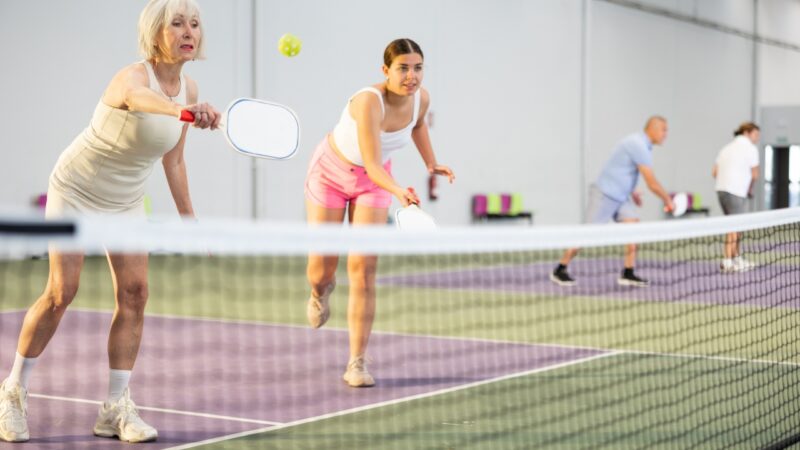
Intensity of Play
Singles vs. Doubles
Singles usually burn more calories than doubles.
Calorie Burn by Weight and Game Style
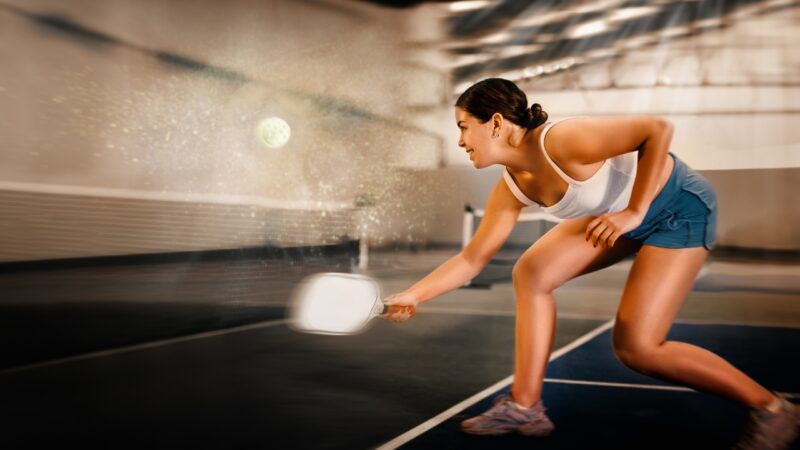
Player Weight
Calm Doubles
Fast Singles
125 lbs
About 280 calories per hour
About 450 calories per hour
150 lbs
About 340 calories per hour
About 550 calories per hour
175 lbs
About 400 calories per hour
About 640 calories per hour
200 lbs
About 450 calories per hour
About 730 calories per hour
Player Weight
Recreational Doubles
Competitive Singles
125 lbs
About 350 calories per hour
About 480 to 500 calories per hour
155 lbs
About 430 calories per hour
About 600 to 650 calories per hour
185 lbs
About 510 calories per hour
About 700 to 750 calories per hour
Is Pickleball a Good Cardio Workout?
How Pickleball Compares to Other Activities
Activity
Calories Burned
Pickleball, calm doubles
About 340 calories
Brisk walking at 3.5 mph
About 300 calories
Easy biking
About 350 calories
Tennis singles
About 550 calories
Jogging at 5 mph
About 600 calories
Summary